
Pork Belly with Cider Gravy and Apple Mash
Why this recipe works
- Crisp crackling: Starting the pork in a very hot oven helps the salted skin blister before the lower roasting temperature tenderises the meat.
- Balanced richness: Dry cider and Dijon mustard cut through the fatty pork, giving the gravy brightness as well as depth.
- Sweet-savoury comfort: Apple mash softens the richness of the roast with gentle sweetness and a creamy texture.
Get the most out of this recipe
Texture tips
- For better crackling: Pat the skin thoroughly dry before salting, and keep herbs away from the top so steam does not soften the surface.
- For smoother mash: Steam-dry the drained potatoes and apples briefly before mashing, then add warm milk gradually until the texture is creamy.
- Serve promptly: Crackling is at its crispest just after resting, so slice and serve before the gravy has a chance to soften it.
Ingredient notes
- Choose dry cider: A dry cider gives the gravy acidity and apple depth without making it taste sweet.
- Use firm, tart apples: Tart apples balance the pork and hold enough structure to mash neatly with the potatoes.
- Fresh sage works best: Fresh sage perfumes the roasting juices gently; dried sage can taste more concentrated, so use it with restraint if substituting.
Timing notes
- Rest before slicing: A short rest helps the pork carve more cleanly while giving you time to finish the cider gravy.
- Best served straight away: The pork, mash and gravy can wait briefly, but the crackling loses crispness as it sits.
- Use the oven time well: Prepare the apple mash and gravy base while the pork roasts so the final plating comes together smoothly.
Make-ahead tips
- Prepare components ahead: The potatoes and apples can be peeled and cut shortly before cooking, then kept covered in cold water until needed.
- Reheat leftovers carefully: Warm pork and mash in a 180°C (355°F) oven until piping hot, and loosen the gravy gently in a saucepan with a splash of water if needed.
- Crackling is best fresh: Leftover pork reheats well, but the crackling will soften in storage and may only partly re-crisp in a hot oven.
Equipment you'll need
Ingredients
Pork belly
Cider gravy
Apple mash
Instructions
- Heat the oven to 220°C (430°F). Pat the pork belly skin dry, then score the skin with a sharp knife in a tight crosshatch, taking care not to cut into the meat. Rub the skin all over with the fine sea salt.
- Sit the pork belly in a roasting pan, skin-side up, and tuck the sage around it (not on top of the skin). Roast for 30 minutes, then reduce the oven to 160°C (320°F) and roast for 75 minutes more, until the meat is very tender and the crackling is crisp. If the crackling needs extra colour, increase the oven to 220°C (430°F) for 5 to 10 minutes at the end, watching closely.
- Meanwhile, peel the potatoes and cut into even chunks. Peel, core and cut the apples into chunks. Put the potatoes and apples into a saucepan, cover with cold water, and bring to the boil; simmer for 15 to 18 minutes until both are very tender.
- Drain well, then return the potatoes and apples to the pan over low heat for 1 minute to steam-dry. Warm the milk, then mash the potatoes and apples with the butter, adding enough warm milk to make it creamy. Keep warm over very low heat, stirring occasionally.
- Lift the pork belly onto a board and rest for 10 minutes. Carefully pour the fat and juices from the roasting pan into a bowl; spoon off most of the fat, leaving about 2 tbsp in the pan. Place the roasting pan over a low heat on the hob (or scrape the juices into a saucepan).
- Stir the flour into the reserved fat and cook for 1 minute, scraping up any browned bits. Gradually whisk in the cider, then the pork broth, and simmer for 8 to 10 minutes until glossy and lightly thickened. Whisk in the Dijon mustard, then taste and adjust with a pinch more fine sea salt if needed.
- Slice the pork belly into thick portions. Spoon the apple mash onto plates and serve with the pork and plenty of cider gravy. Serve straight away while the crackling is at its crispest.
Recipe notes
Tips
- For the best crackling, make sure the pork skin is very dry before salting, and keep the sage away from the skin so it does not trap steam.
- If you have a thermometer, the pork is ready when the thickest part reaches at least 75°C (170°F) and the meat feels yielding when pressed.
- If serving vulnerable groups, ensure the pork is cooked through and piping hot before serving.
Substitutions
- Replace Fresh sage with Fresh rosemary for a more piney, roast-style flavour.
- Replace Cider with dry white wine for a sharper gravy, then simmer a little longer to cook off the alcohol.
- Replace Whole milk with Pork broth for a dairy-light mash, adding a little extra Unsalted butter for richness.
Storage
- Refrigerate up to 3 days
- Cool leftovers quickly, then refrigerate in airtight containers. Reheat pork and mash in a 180°C (355°F) oven until piping hot; warm the gravy gently in a saucepan, adding a splash of water if it has thickened. Crackling will soften on storage; re-crisp in a hot oven for a few minutes.
Ratings & reviews
Liked this recipe? Share your feedback to support our cooking community.
Tried this recipe?
Choose 1–5 stars. A comment is optional.
Stay inspired
Discover new recipes, seasonal favourites and cooking inspiration every day. Follow JustRecipes on Pinterest and Spillt.
Recipe overview
- Servings: 4 servings
- Total time: 2h 15min (35min active)
- Difficulty: Medium
- Cuisine: British
-
Allergens:
Gluten Milk Wheat
Plan your meals and get a complete grocery list automatically.
Add to meal plannerEquipment you'll need
Got ingredients left?
Find recipes using ingredients from this recipe or what you already have at home.
Find recipes with these ingredients →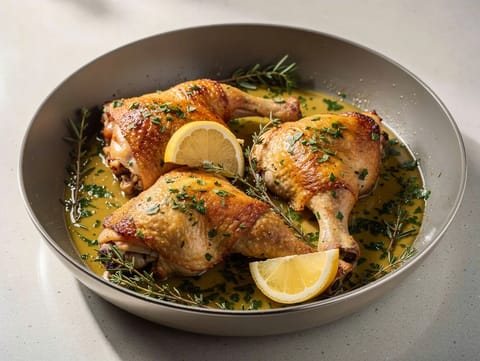
Garlic and Herb Chicken Bake
Baked chicken thighs with garlic, herbs and white wine
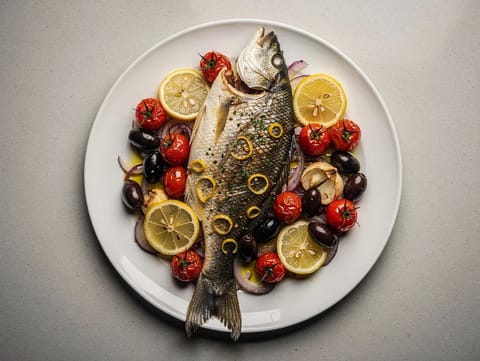
Baked Sea Bream with Tomatoes and Olives
Baked sea bream with tomatoes, olives and lemon

Falscher Hase (German Stuffed Meatloaf with Eggs)
German stuffed meatloaf baked with hard-boiled eggs inside
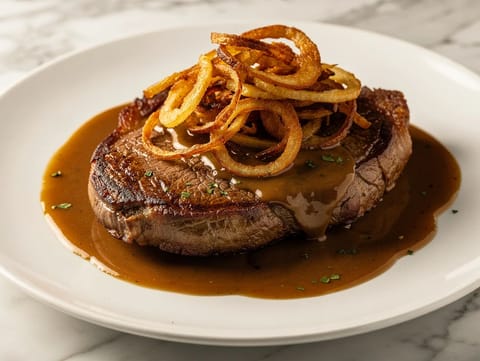
Zwiebelrostbraten (Beef Steak with Fried Onions)
Beef steak with crisp fried onions and simple beef gravy
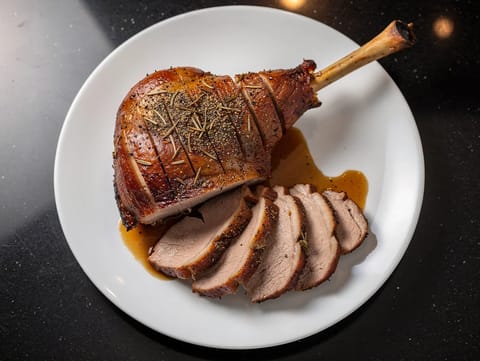
Cordero Lechal al Horno (Roast Suckling Lamb)
Roast suckling lamb with garlic, rosemary and white wine
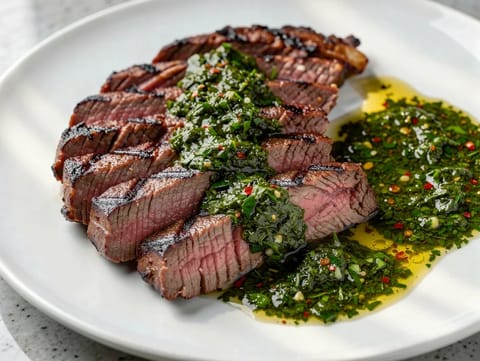
Argentine Asado with Chimichurri
Grilled ribeye served with parsley and garlic chimichurri

Beef Wellington
Beef fillet wrapped in mushrooms, ham and puff pastry

Air Fryer Honey BBQ Chicken Tenders
Crispy chicken tenders finished with a honey barbecue glaze.
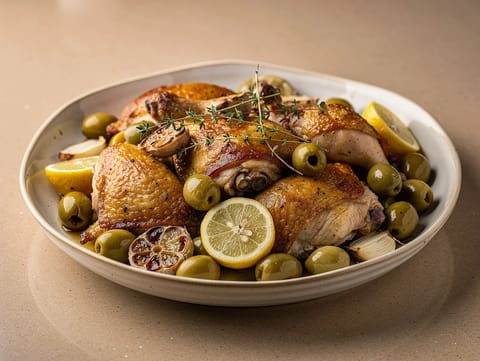
Poulet au Citron et Olives (Lemon and Olive Chicken)
Chicken braised with lemon, green olives and thyme
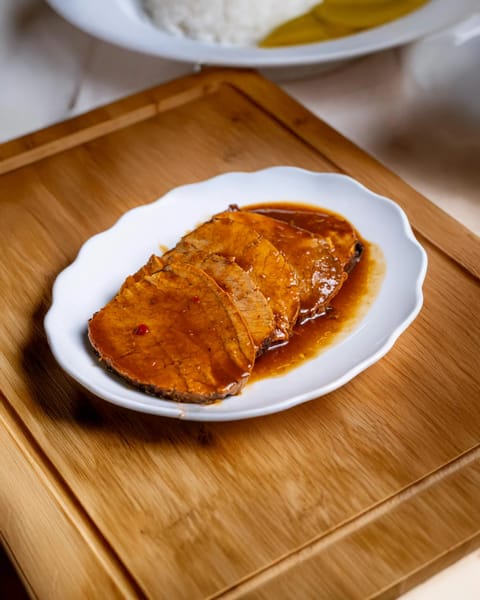
Sauerbraten (German Pot Roast with Tangy Gravy)
German pot roast with tangy gravy thickened with gingersnaps

Vegetable Biryani with Saffron and Fried Onions
Layered vegetable biryani with saffron milk and fried onions

Huaraches de Frijoles con Nopales (Masa Cakes with Beans and Cactus)
Griddled masa cakes topped with beans and nopales
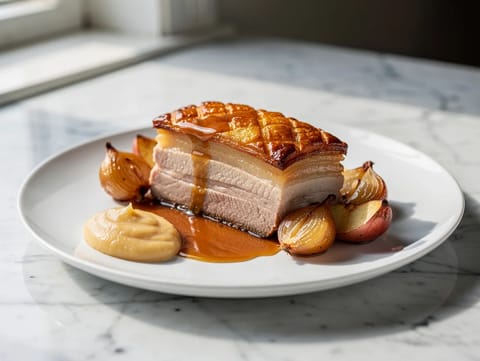
Pork Belly with Cider Gravy and Apple Sauce
Roast pork belly with cider gravy and Bramley apple sauce
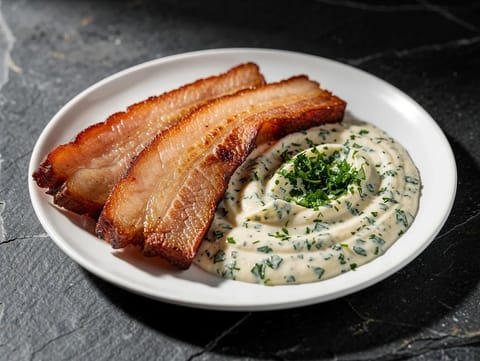
Stegt Flæsk (Crispy Pork Belly with Parsley Sauce)
Crispy pork belly with warm parsley sauce
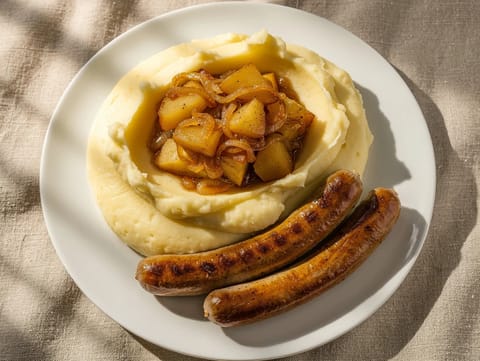
Himmel und Erde (Mashed Potatoes with Apples and Sausage)
Mashed potatoes with cooked apples, pork sausages and caramelised onions
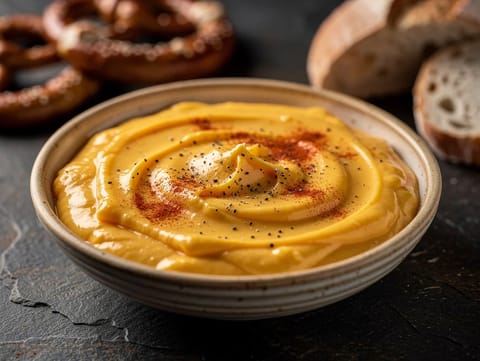
Bavarian Beer Cheese Dip with Lager and Cheddar
Warm lager and cheddar dip with mustard and paprika

Baked Mac and Cheese with Cheddar and Breadcrumbs
Baked macaroni in creamy cheddar sauce with breadcrumbs
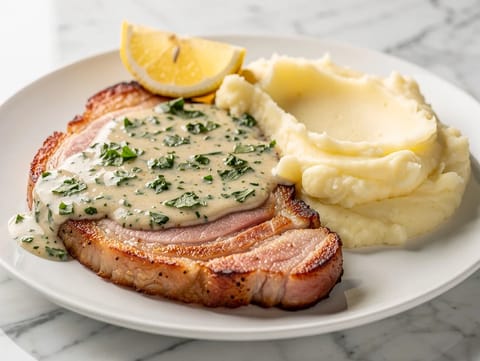
Gammon Steak with Parsley Sauce and Mash
Pan-fried gammon with creamy mash and parsley white sauce
You might also like

Pulled Pork Grilled Cheese
Pulled pork grilled cheese with cheddar and pickles
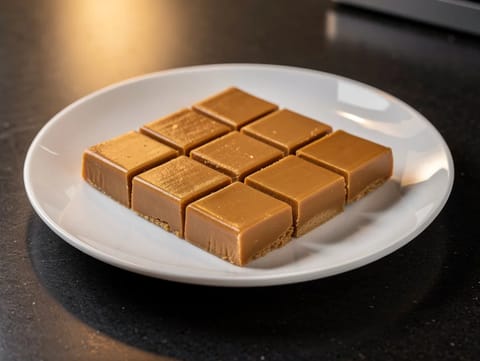
Peanut Butter Fudge
No-bake peanut butter fudge set in the fridge

Strawberry Shortcake
Tender shortcakes with macerated strawberries and whipped cream

Sauerkraut Soup with Smoked Pork (Sauerkrautsuppe mit Kassler)
Tangy sauerkraut soup with smoked pork and potatoes

Shakshuka with Feta
Eggs poached in tomato and pepper sauce with feta
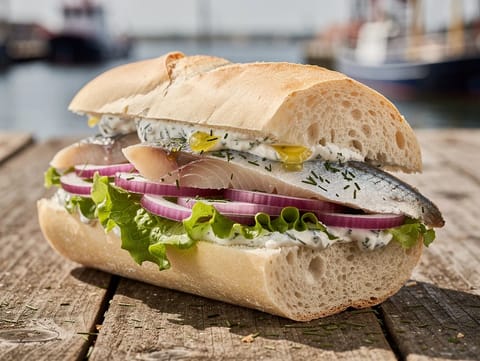
Matjesbrötchen (Pickled Herring Roll with Dill Sour Cream)
Pickled herring roll with red onion and dill sour cream
Make this recipe easier next time
AdvertisementThese tools help you get better results with less effort.
WMF Mini Saucepan 16 cm with Lid
- High-quality stainless steel
- Even heat distribution
- Higher price point
T-fal Specialty Nonstick Handy Pot with Glass Lid 3 Quart
- Easy food release
- Dishwasher safe
- Not induction compatible
All-Clad Tri-Ply Stainless Steel Saucepan
- Excellent heat control
- Premium build quality
- Expensive
Enjoy cooking with JustRecipes?
Add JustRecipes as one of your preferred Google sources to discover our recipes more easily across Google Search.
Add JustRecipes to GoogleEvery recipe on JustRecipes follows the same structured editorial process. Learn how recipes are created, validated, translated, illustrated, and continuously improved across the platform. How we create recipes.
