
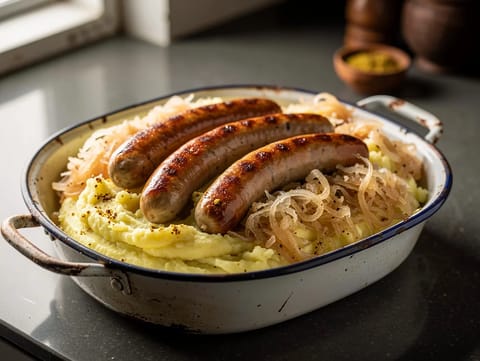
Bratwurst with Sauerkraut and Mustard Mash
Bratwurst with sauerkraut and creamy mustard mash

A potato masher is a direct, low-tech way to break down cooked potatoes and other soft foods while keeping control of texture. Unlike a blender or food processor, it does not shear starches as aggressively, so it is easier to stop at rustic, fluffy or lightly chunky. The main decisions are the masher style and how you use it in the pan. Most mash problems come from the potatoes themselves, how wet they are, and how much you work them, rather than from the tool being “wrong”.
Mashers excel at foods that are tender enough to crush but benefit from a little texture. Potatoes are the obvious example, but the same motion suits cooked root vegetables, soft beans for spreads, or fruit for quick compotes. Because you are pressing rather than whipping, you can keep some structure, which helps mash feel lighter on the palate and less paste-like. A masher is also easy to use directly in the cooking pot, which can reduce transfers and keep the workflow simple when you are finishing a dish with butter, milk or seasoning.
Bratwurst with sauerkraut and creamy mustard mash
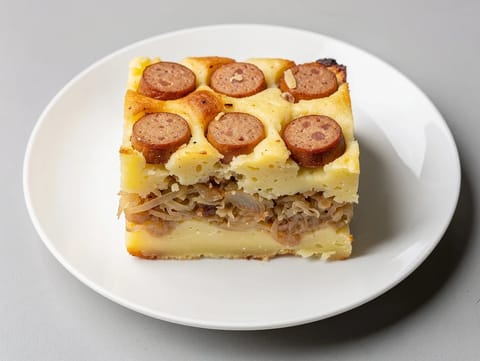
Mashed potato casserole with sauerkraut and smoked sausage
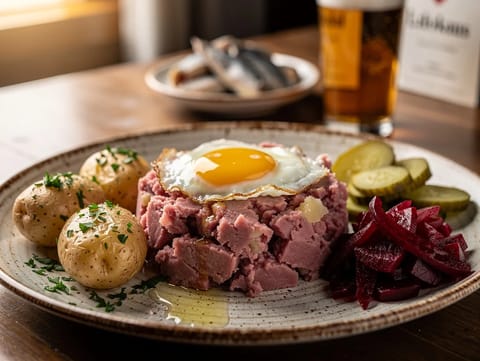
Northern German potato hash with corned beef and beetroot
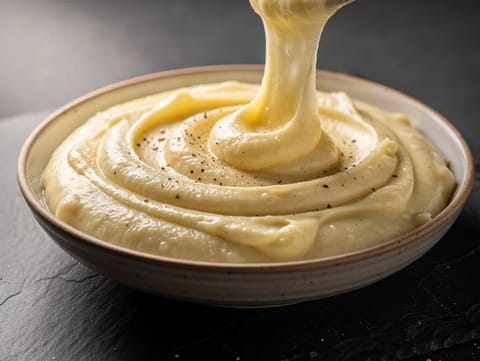
Stretchy potato purée beaten with Tomme cheese and crème fraîche
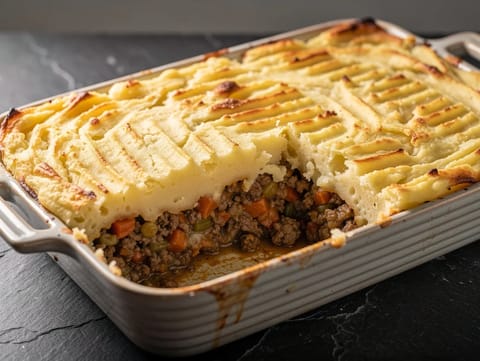
Shepherd’s pie with minced lamb and creamy mash
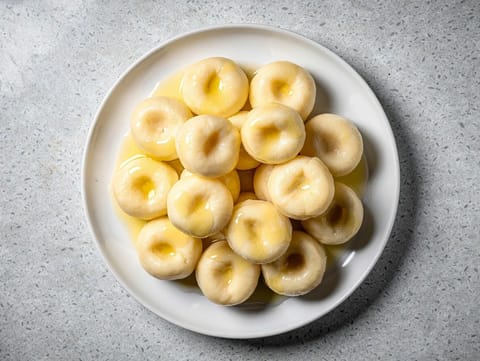
Soft Silesian potato dumplings simmered until tender
A wavy wire head is common and works well for breaking up potatoes quickly, especially if you like a slightly rustic finish. A perforated plate style can produce a more even mash, but it may take a little more effort to push through firmer pieces. Some mashers have a silicone edge designed to protect non-stick pans; these can be useful if you mash directly in the pot, though they may feel less rigid. If you want very smooth purée, a ricer or food mill is often a better match than mashing harder and harder.
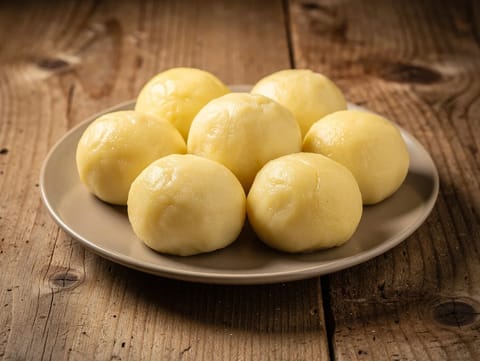
German potato dumplings gently simmered until tender
Shepherd’s pie with minced lamb and creamy mash
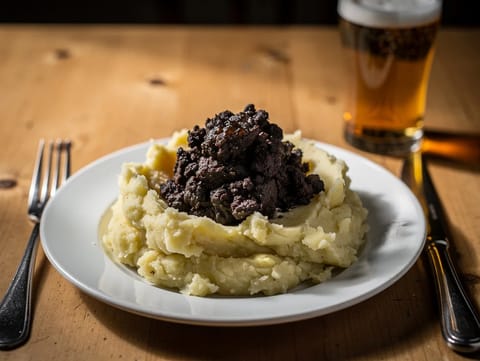
Warmed haggis with mashed swede and potatoes
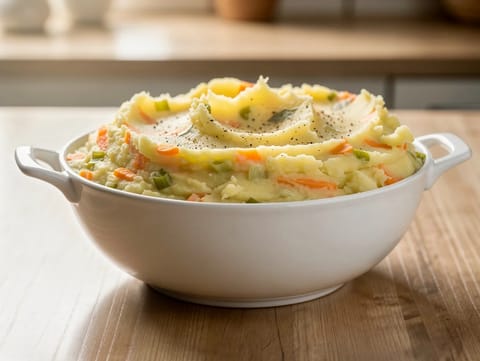
Belgian mashed potatoes with carrots, leeks, butter and milk
Stretchy potato purée beaten with Tomme cheese and crème fraîche
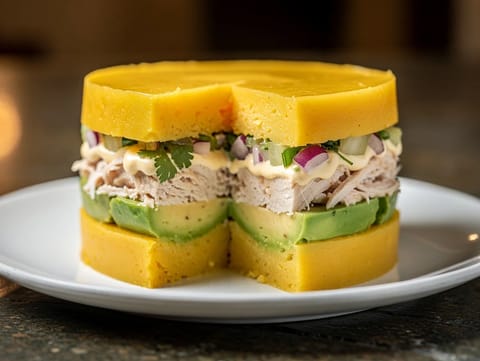
Chilled layered potato dish with chicken, avocado and ají amarillo
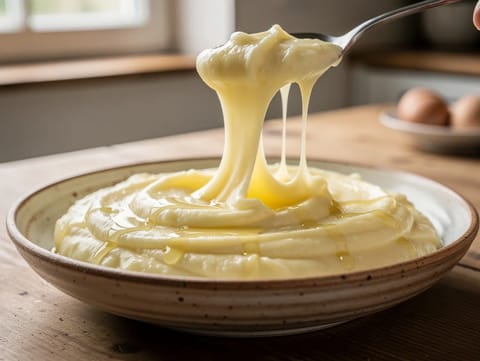
Stretchy cheese mash with potatoes, Tomme and garlic
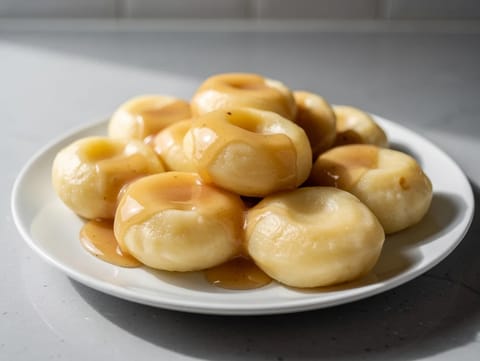
Silesian potato dumplings served with a simple pan gravy
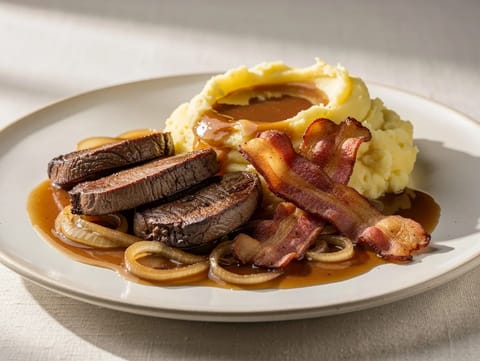
Seared liver and crisp bacon with mash and onion gravy
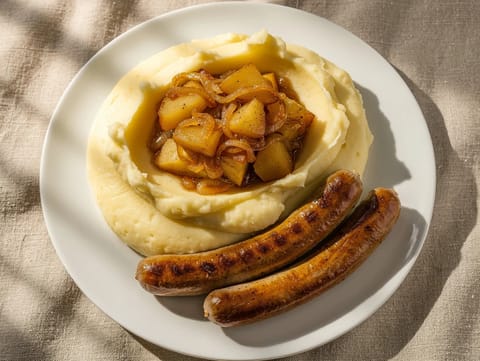
Mashed potatoes with cooked apples, pork sausages and caramelised onions
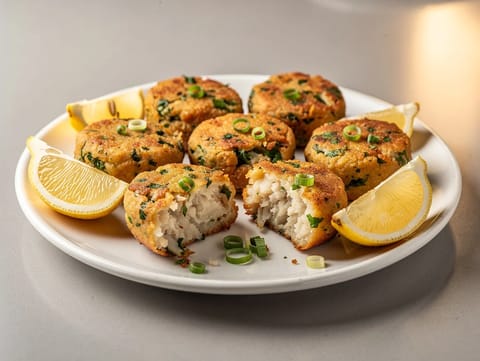
Crisp salt cod and potato cakes served with lemon
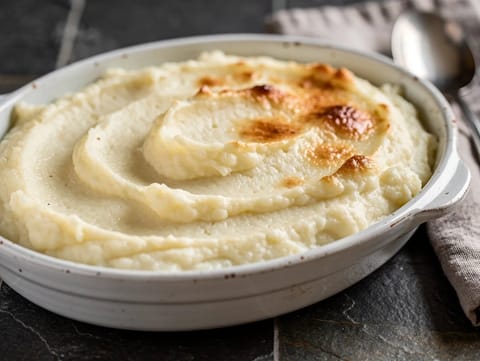
Salt cod and potato purée with olive oil and garlic
Gluey mash usually comes from overworking starchy potatoes, especially if you switch to an electric mixer or keep mashing long after the potatoes are already broken down. Stop once the texture is where you want it. Uneven lumps are often a cooking issue: pieces that are not fully tender will resist the masher and stay grainy. Drain well and let steam escape briefly so excess water does not dilute the mash. If you add cold butter or milk, the mash can tighten; warming additions helps them incorporate with less effort.
Recipes that call for a potato masher often want a controlled, hand-mashed texture rather than a fully smooth purée. That can include vegetable mashes, bean mixtures that should stay slightly coarse, or fruit that needs crushing without turning into foam. It is also a useful stand-in for gently breaking up ingredients in a pan, such as softening cooked garlic into a sauce base or crushing tomatoes for a rougher texture. The common thread is deliberate unevenness: mashed, not blended.
Cooking method can help you compare the techniques that lead to good mashing, such as boiling, steaming or roasting, because moisture level changes the final texture. Difficulty is also useful when you want recipes that keep the process simple and hands-on rather than relying on specialist kit.
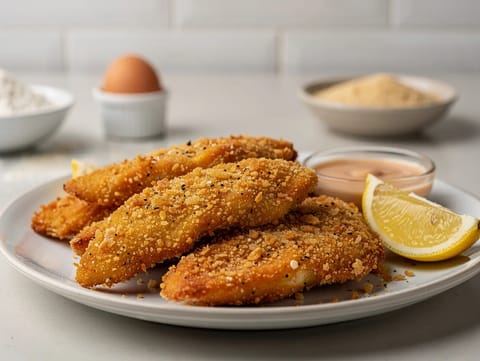
Crispy panko chicken tenders cooked quickly in the air fryer.
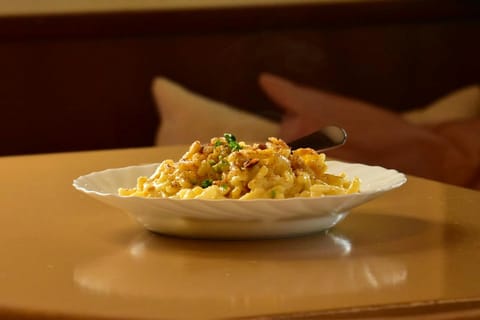
Cheesy spätzle noodles layered with Gruyère and fried onions
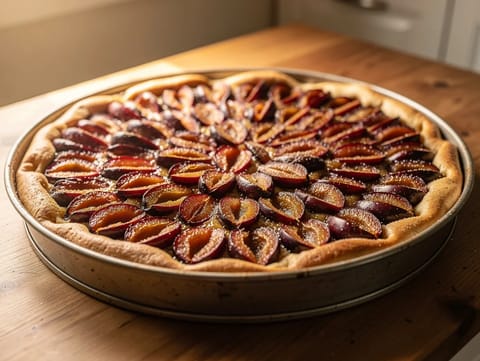
German plum cake with yeasted base and cinnamon sugar
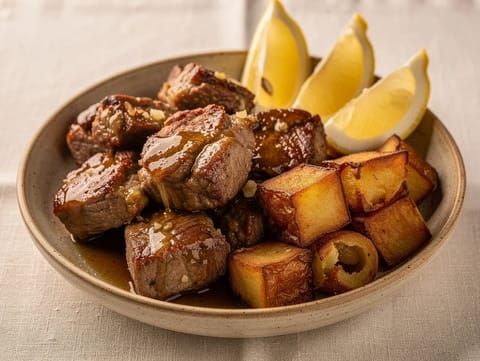
Marinated pork fried in lard with crisp potatoes and lemon
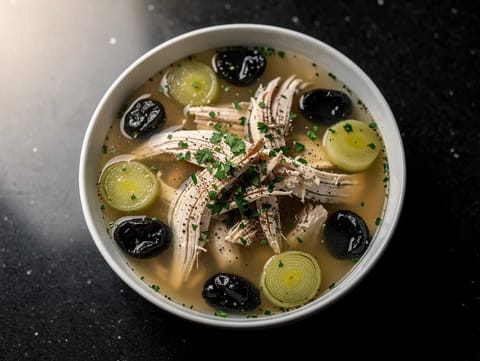
Chicken and leek soup with prunes in a light broth
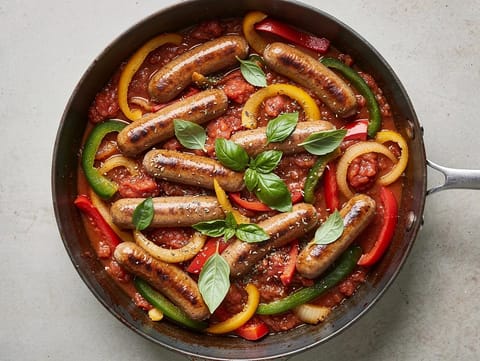
Pork sausages simmered with peppers, onions, tomatoes and basil
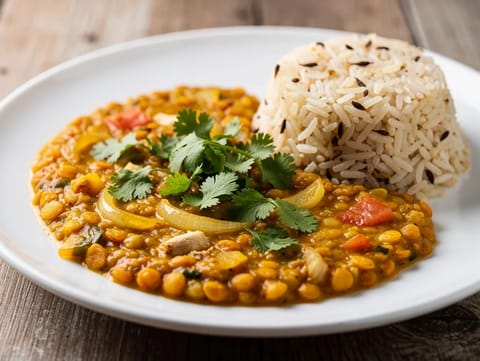
Red lentil tarka dal served with fragrant cumin jeera rice
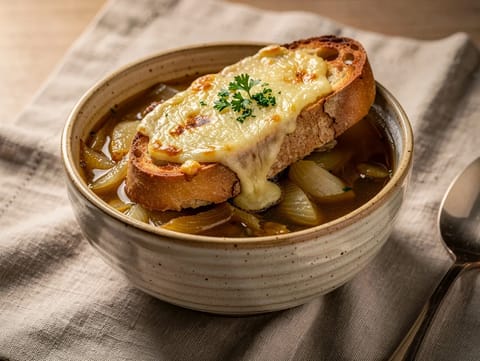
Caramelised onion soup topped with a Gruyère crouton
Yes. Sweet potatoes mash readily, though they can become very smooth quickly. If you want a chunkier texture, mash gently and stop early.
It is usually overworked starch. Mash only until combined, and avoid high-speed blending or beating, which can turn potatoes elastic.
A sturdy fork works for small amounts. For very smooth results, a potato ricer or food mill is often more effective than trying to mash finer and finer.
You can, especially with a pan-safe masher. Just be careful with non-stick surfaces and make sure the potatoes are well drained so you are not mashing in excess water.
Cook the potatoes until fully tender, drain well, and add warmed butter or milk so it incorporates easily. If you need truly silky purée, consider a ricer rather than extra mashing.
A potato masher is for cooks who want to decide exactly how smooth or rustic the result should be. Cook the vegetables until properly tender, keep them fairly dry, and mash only as much as needed.
