
Pumpkin Stamppot with Goat Cheese (Dutch Mashed Potatoes with Leeks)
Why this recipe works
- Creamy but not heavy: Floury potatoes, warm milk and butter create a smooth mash, while roasted pumpkin keeps the texture soft and rich.
- Sweet, savoury and tangy: Roasted pumpkin adds natural sweetness, leeks bring gentle savouriness, and goat cheese gives the stamppot a clean tangy finish.
- Hearty Dutch comfort: Stamppot is built for warmth and simplicity: vegetables and potatoes mashed together into a substantial, satisfying dish.
Get the most out of this recipe
Texture tips
- Steam-dry before mashing: Returning the drained potatoes and leeks to the hot pot briefly helps excess moisture evaporate, giving the mash a lighter finish.
- Add the milk warm: Warm milk blends into the potatoes more smoothly than cold milk and helps keep the stamppot creamy rather than gluey.
- Keep a little texture: Mash until mostly smooth but not completely puréed so the roasted pumpkin still gives the dish body and contrast.
Ingredient notes
- Use floury potatoes: Russet-style potatoes work well because they break down easily and absorb the milk, butter and cheese.
- Wash leeks thoroughly: Slice the leeks lengthways and rinse between the layers to remove trapped grit before simmering.
- Choose goat cheese to taste: A softer, milder goat cheese melts gently into the mash, while a firmer or tangier one gives a more pronounced finish.
Make-ahead tips
- Make ahead for easy reheating: Cool the stamppot quickly, cover and refrigerate, then reheat gently with a splash of milk until piping hot throughout.
- Freeze in portions: Freeze airtight portions after cooking, then defrost overnight in the fridge before reheating.
- Reheat gently: Use low heat and stir often, adding a little milk as needed to loosen the mash without making it watery.
Equipment you'll need
Ingredients
Instructions
- Heat the oven to 220°C (430°F). Peel and deseed the pumpkin, then cut into 2 cm chunks; toss on a baking tray with 1 tsp of the fine sea salt and the black pepper. Roast for 25 to 30 minutes until tender and lightly browned at the edges.
- Meanwhile, peel the potatoes and cut into even chunks. Trim the leeks, slice lengthways, rinse well, then slice. Put the potatoes in a large pot, cover with cold water, add the remaining 1 tsp fine sea salt, and bring to the boil; simmer for 10 minutes.
- Add the leeks to the pot and simmer for 8 to 10 minutes more, until the potatoes are very tender and the leeks are soft. Drain well in a colander, then return everything to the hot pot. Let it steam-dry for 1 minute so the mash stays fluffy.
- Warm the whole milk in a saucepan or microwave until hot but not boiling. Add the roasted pumpkin to the pot, then mash with the potato masher until mostly smooth with a little texture. Mash in the warm milk, unsalted butter and ground nutmeg until creamy.
- Crumble in the goat cheese and fold through so it softens into the mash without fully disappearing. Taste and adjust with a little more black pepper if you like. Serve straight away, piping hot.
Recipe notes
Tips
- For a drier, fluffier stamppot, let the drained potatoes and leeks steam in the hot pot for a minute before mashing, then add the warm whole milk gradually until it looks creamy.
- If your goat cheese is very tangy, add it off the heat and fold gently so it stays creamy rather than melting completely.
- If serving vulnerable groups, make sure the stamppot is reheated until piping hot throughout.
Substitutions
- Replace Goat cheese with Feta cheese for a saltier, firmer finish.
- Replace Whole milk with Double cream for a richer mash.
- Replace Unsalted butter with Salted butter, then reduce the Fine sea salt to taste.
Storage
- Refrigerate up to 3 days
- Cool quickly, cover and refrigerate for up to 3 days. Reheat in a saucepan over low heat with a splash of whole milk, stirring often, until piping hot; or microwave in short bursts, stirring between. Freeze in airtight portions for up to 2 months and defrost overnight in the fridge before reheating.
Ratings & reviews
Liked this recipe? Share your feedback to support our cooking community.
Tried this recipe?
Choose 1–5 stars. A comment is optional.
Stay inspired
Discover new recipes, seasonal favourites and cooking inspiration every day. Follow JustRecipes on Pinterest and Spillt.

Recipe overview
- Servings: 4 servings
- Total time: 1h (20min active)
- Difficulty: Easy
- Cuisine: Dutch
-
Allergens:
Milk
Plan your meals and get a complete grocery list automatically.
Add to meal plannerEquipment you'll need
Got ingredients left?
Find recipes using ingredients from this recipe or what you already have at home.
Find recipes with these ingredients →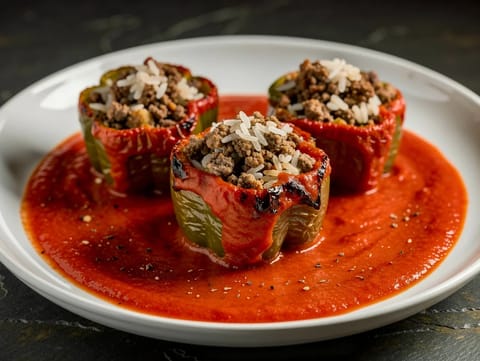
Gefüllte Paprika in Tomatensoße (Stuffed Peppers in Tomato Sauce)
Stuffed green peppers simmered in tomato sauce

Creole Jambalaya with Chicken and Andouille
Creole jambalaya with chicken, andouille, tomatoes and rice

New Orleans Jambalaya (One-Pot Chicken, Sausage and Rice)
One-pot jambalaya with chicken, andouille sausage and rice
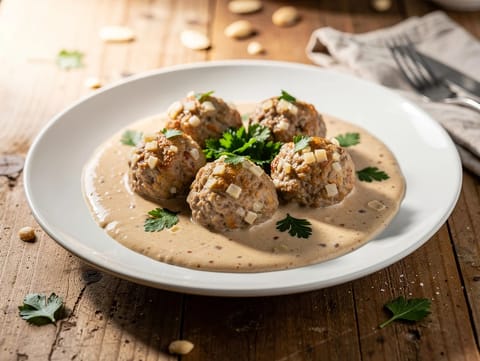
Albóndigas en Salsa de Almendras (Pork Meatballs in Almond Sauce)
Pork meatballs simmered in a smooth almond sauce

Salsiccia e Uva (Italian Sausages Cooked with Grapes)
Pork sausages simmered with grapes, white wine and rosemary

Air Fryer Marinated Chicken Breast
Air-fried chicken breast marinated with soy, lemon, garlic and honey.

Vegetable Pad Thai
Vegetable Pad Thai with tofu, egg and roasted peanuts

Ropa Vieja (Cuban Shredded Beef in Tomato Sauce)
Cuban shredded beef brisket in tomato sauce with olives
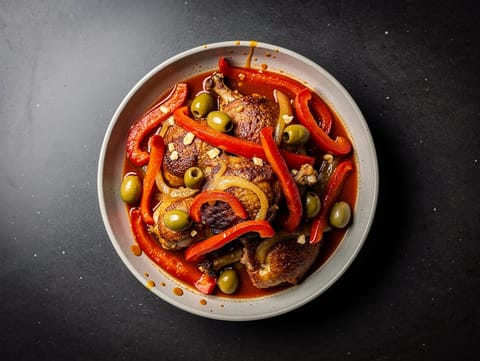
Chicken Cacciatore with Red Peppers
Chicken thighs braised with tomatoes, red peppers, herbs and olives
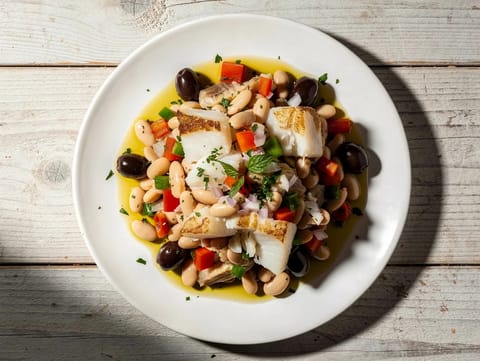
Empedrat (Catalan Salt Cod and White Bean Salad)
Catalan salt cod and white bean salad with tomato and peppers
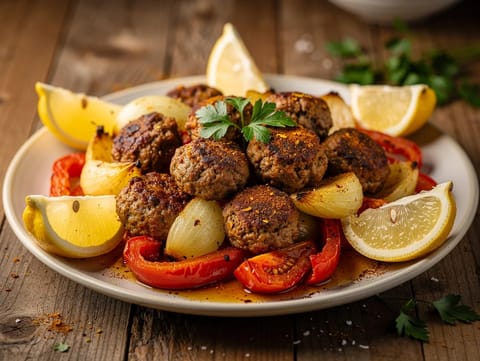
Turkish Spiced Lamb Meatball Traybake with Peppers and Tomatoes
Lamb meatball traybake with peppers, tomatoes, cumin and paprika
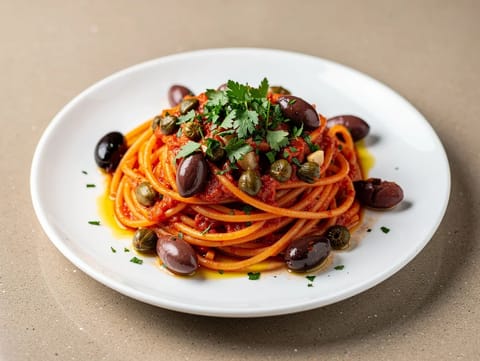
Pasta alla Puttanesca (Spaghetti with Tomato, Anchovies and Olives)
Spaghetti with anchovies, capers and olives
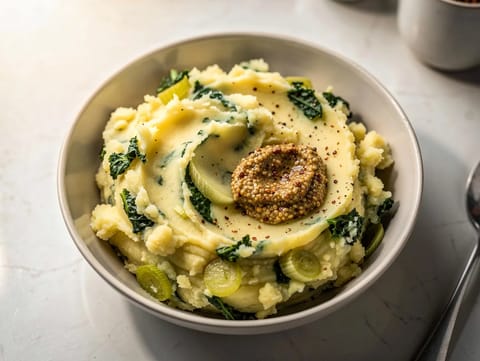
Vegetarische Stamppot (Dutch Potato Mash with Kale and Leeks)
Potato mash with kale, leeks, nutmeg and mustard

Stoemp met Worst (Mashed Potatoes and Vegetables with Sausage)
Belgian mashed potatoes and vegetables topped with pork sausages
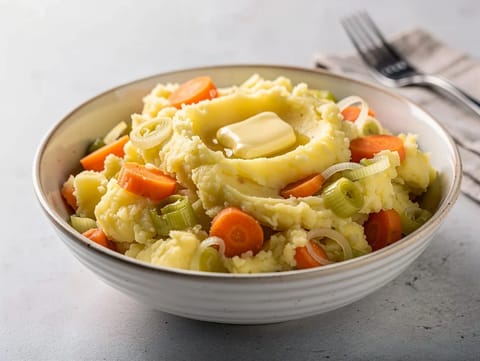
Stoemp Bowl with Carrots and Leeks
Mashed potatoes with carrots and leeks, enriched with butter
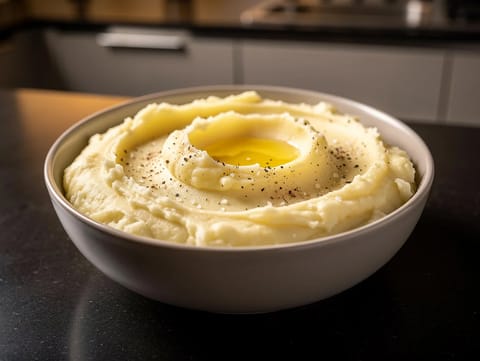
Mashed Potatoes with Butter, Milk and Sour Cream
Creamy mashed potatoes with butter, milk and sour cream

Quiche aux Poireaux (French Leek Quiche)
French leek quiche with a creamy egg and crème fraîche filling
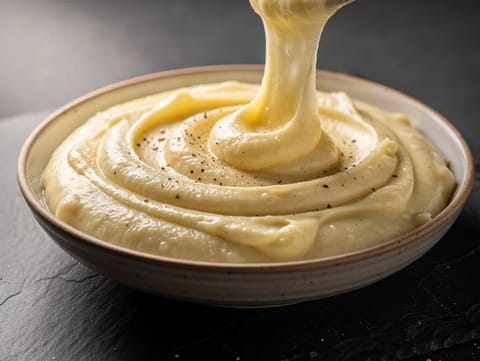
Aligot de l’Aubrac (Stretchy Potato and Cheese Purée)
Stretchy potato purée beaten with Tomme cheese and crème fraîche
You might also like

Ramadan Lentil Soup with Cumin and Lemon
Smooth red lentil soup with cumin and lemon
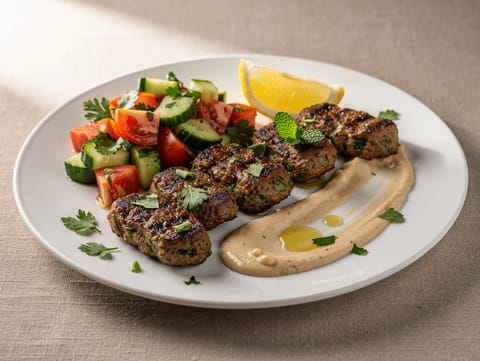
Lamb Kofta Platter with Tahini Lemon Sauce and Salad
Lamb kofta platter with tahini lemon sauce and salad

Cock-a-Leekie Soup (Scottish Chicken and Leek Soup)
Scottish chicken and leek soup finished with prunes
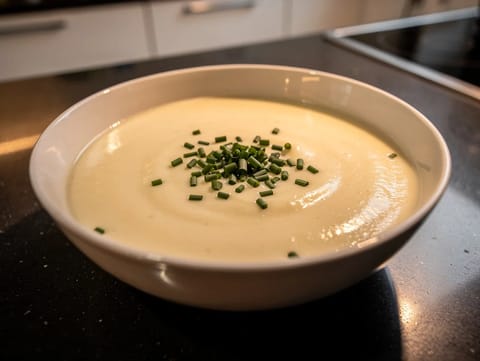
Leek and Potato Vichyssoise
Chilled leek and potato soup finished with double cream
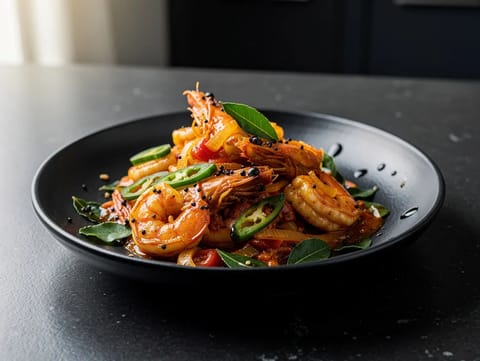
Prawn Masala with Curry Leaves and Mustard Seeds
Prawn masala tempered with mustard seeds and curry leaves

Lentejas Estofadas con Chorizo (Spanish Lentil and Chorizo Stew)
Brown lentil and chorizo stew with bay and smoked paprika
Enjoy cooking with JustRecipes?
Add JustRecipes as one of your preferred Google sources to discover our recipes more easily across Google Search.
Add JustRecipes to GoogleEvery recipe on JustRecipes follows the same structured editorial process. Learn how recipes are created, validated, translated, illustrated, and continuously improved across the platform. How we create recipes.
