
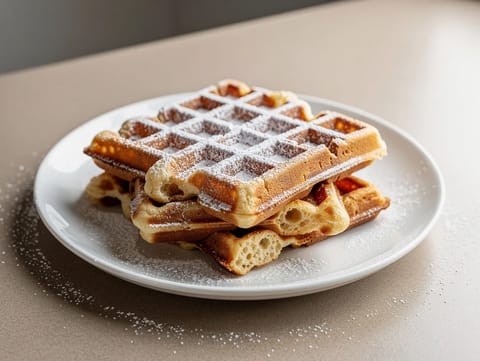
New Year’s Waffles (Gaufres du Nouvel An)
Yeast-raised Belgian waffles dusted with icing sugar

A waffle iron cooks batter by pressing it between two hot plates, so you get browning on both sides at once and a distinctive grid that holds syrup, fruit and sauces. Recipes that call for a waffle iron usually depend on that enclosed heat and the quick evaporation that makes waffles crisp.
It is also a very specific environment: batter expands, steam needs somewhere to go, and sugar browns fast against hot metal. Knowing how waffle-iron cooking differs from pancakes or oven baking helps you choose the right recipe, or adapt one sensibly.
Because the batter is heated from both sides, waffles set quickly and brown deeply without being flipped. The grid increases surface area, which encourages crisp edges and a drier exterior. That same surface area also means anything sugary can caramelise rapidly, so recipes with sweet batters often need careful timing.
A waffle iron is less forgiving of mix-ins that snag or burn against the plates. Large chocolate chunks, sticky fruit pieces or very thick batters can prevent the lid closing properly and lead to uneven cooking. If you are choosing between waffle styles, plate depth matters: deeper grids hold more batter and tend to give a softer interior, while shallower plates cook thinner and crisper.
Yeast-raised Belgian waffles dusted with icing sugar
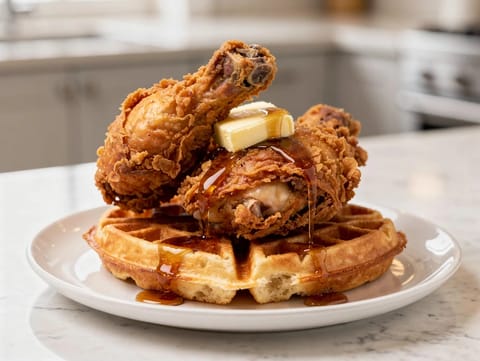
Crisp fried chicken served with waffles and maple syrup
Brazilian-inspired tapioca flour waffles with Parmesan-style cheese, crisp edges and a chewy centre
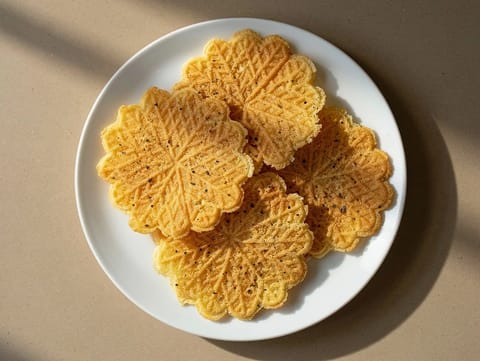
Thin Italian waffle biscuits with anise and lemon zest
Crisp, airy Brussels waffles made with yeast and whipped egg whites
Rich yeasted Liège waffles with butter, eggs and caramelised pearl sugar
Sticking is usually about insufficient fat in the batter, plates that are not properly heated, or opening too early before the crust has formed. Steam is part of the process, so lifting the lid repeatedly can tear the surface and make waffles collapse.
Overflow is another classic issue. Batter expands as it heats, and the iron needs headroom for steam. Filling too generously leads to leaks that burn on the outside of the plates. Finally, pale waffles often come from underheating or from batter that is too wet, which steams rather than browns. Let the iron fully preheat and give the waffle time to dry and colour before removing.
Thin Italian waffle biscuits with anise and lemon zest
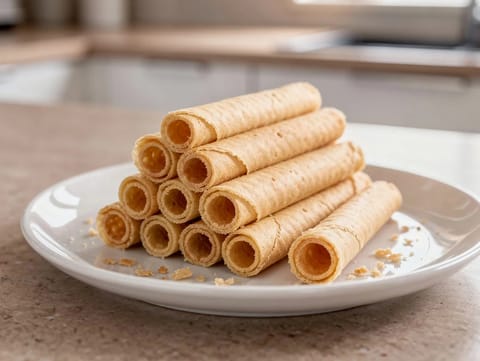
Crisp Dutch wafer rolls flavoured with butter and vanilla
Yeast-raised Belgian waffles dusted with icing sugar
Crisp fried chicken served with waffles and maple syrup
Bite-sized waffles from a simple batter, cooked until golden and crisp.
Crisp, airy Brussels waffles made with yeast and whipped egg whites
Rich yeasted Liège waffles with butter, eggs and caramelised pearl sugar
Brazilian-inspired tapioca flour waffles with Parmesan-style cheese, crisp edges and a chewy centre
If you want crisp waffles, look for recipes that encourage browning and drying, often through fat in the batter and a rest that lets flour hydrate. For a more tender interior, recipes may lean on eggs or dairy for richness, but they can still crisp if cooked long enough.
For waffles that need to carry heavier toppings, sturdier batters tend to hold their shape better and stay intact when cut and stacked. If you are adapting a pancake batter, expect it to behave differently in the iron: pancake batters are often looser and designed for one-sided heat, so they may need adjustment to avoid steaming and sticking.
Cooking method is a natural next step because waffles sit between pan-cooking and baking: similar batters can be cooked as pancakes, crêpes or oven bakes with different textures. Difficulty can also help you compare recipes that are simple mix-and-cook with those that add steps like separating eggs or resting batter for more control over texture.
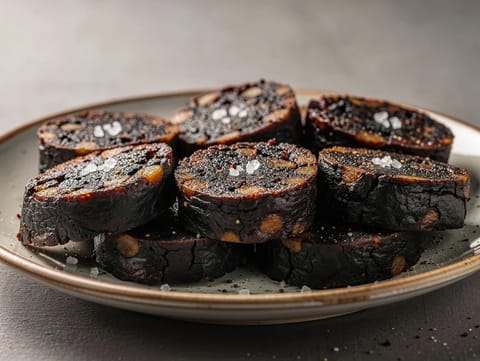
Pan-fried black pudding, crisp outside and tender inside
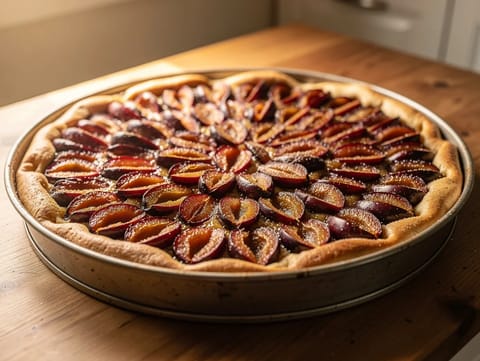
German plum cake with yeasted base and cinnamon sugar
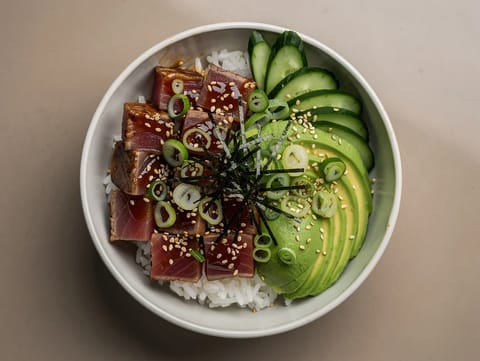
Tuna poke bowl with sushi rice and sweet chilli dressing.
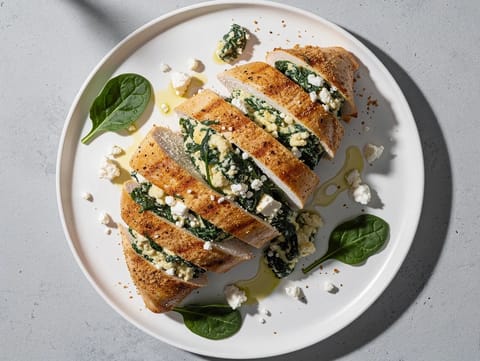
Chicken stuffed with spinach and feta, cooked in the air fryer.
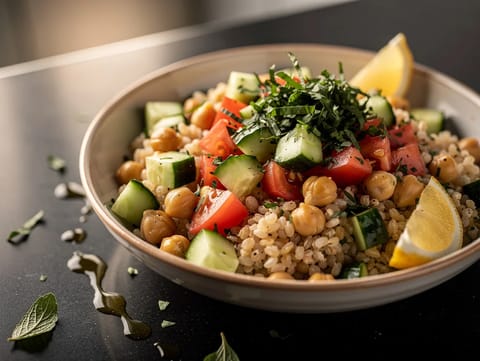
Bulgur bowl with chickpeas, tomato, cucumber and herbs
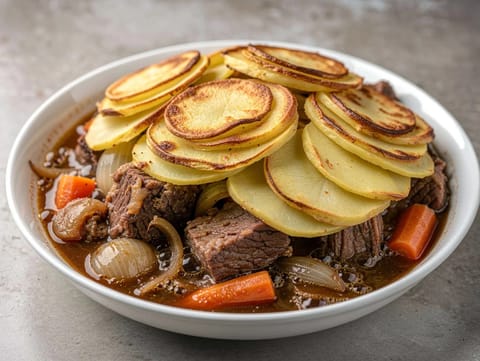
Lamb and onion hotpot with a golden sliced potato topping
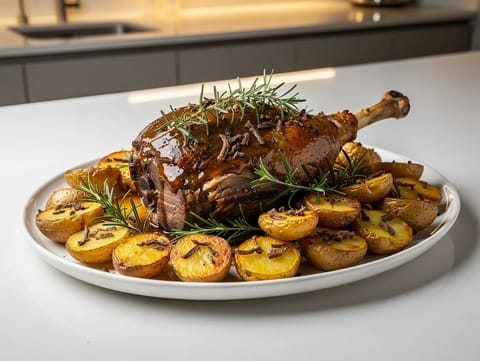
Roast lamb with anchovy, rosemary and white wine gravy
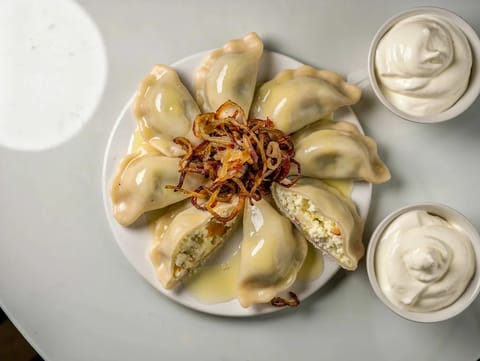
Polish dumplings filled with potato, cheese and onion
You can cook similar batters as pancakes or griddle cakes, but you will not get the same enclosed heat or grid texture. An oven bake can mimic some crisping, but the pattern and surface area are specific to the iron.
Non-stick helps, but batter still needs time to form a crust. Sticking often happens when the iron is not fully hot, the batter is very low in fat, or the waffle is lifted too early.
Checking too early can tear the surface. Many cooks wait until steam output slows, then open once and remove promptly if browned.
They may be undercooked, or the batter may be very wet so it steams. Cooking a little longer encourages moisture to evaporate and the exterior to brown.
Sometimes, but pancake batter is often looser and may not brown or release as well. Recipes written for waffle irons usually account for expansion, steam and release.
A waffle iron is essentially a small, very hot press. Choose recipes that suit enclosed heat and quick browning, and use pancake or oven methods when you want similar flavours without the grid and crisp shell.
