
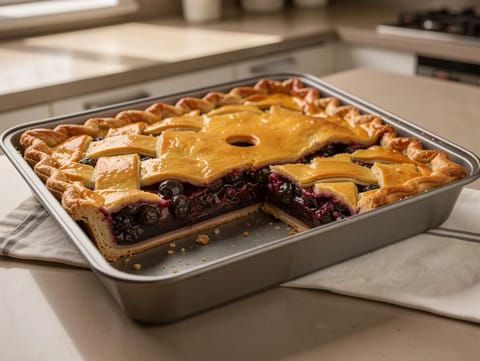
Air Fryer Blueberry Pie
Air fryer blueberry pie with lemon and cornflour-thickened filling.

A whisk is less about stirring and more about changing texture. It pulls ingredients together quickly, breaks up lumps, and can trap air to lighten batters, creams and eggs. When a recipe specifies a whisk, it is usually signalling one of three jobs: emulsifying, aerating, or keeping a sauce smooth as it heats.
Different whisks behave differently in the bowl. The right shape makes it easier to reach corners, control splashing, and get the result the recipe expects without overworking the mixture.
Whisking is a mixing method with a purpose. For emulsions, the whisk disperses fat into liquid in tiny droplets, helping vinaigrettes, mayonnaise-style sauces and some dressings stay combined for longer. For aeration, it incorporates air into eggs, cream or batter, which can make mixtures lighter and increase volume. For smoothing, it breaks up flour or starch as it hydrates, which is why many sauces and custards specify whisking during heating.
A whisk is not a universal substitute for a spoon. It can be too aggressive for chunky mixtures, and it can overdevelop gluten in some batters if used heavily once flour is added.
Air fryer blueberry pie with lemon and cornflour-thickened filling.
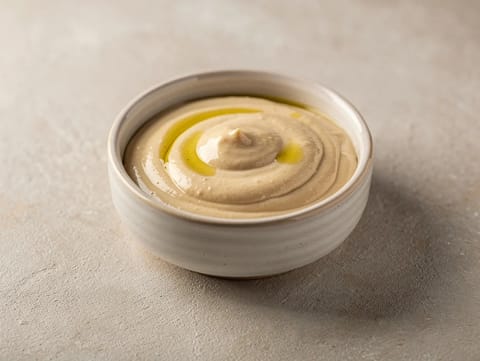
Smooth tahini sauce with lemon, garlic and water
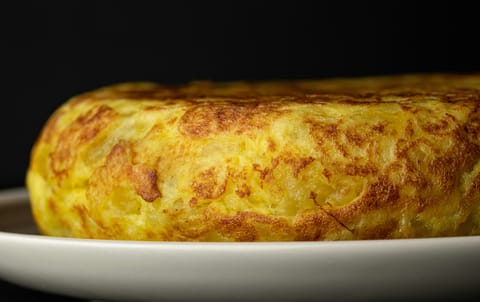
Potato frittata with onion and parmesan
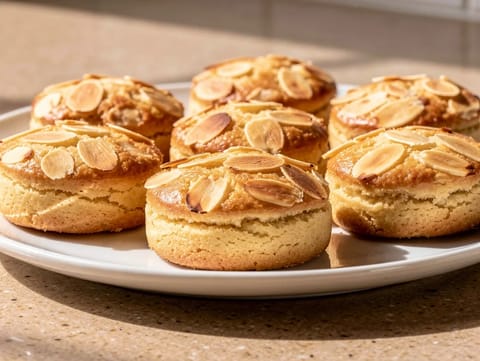
Buttery Dutch cookies with a thick almond paste filling
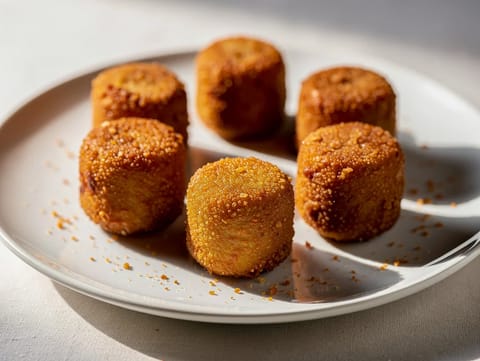
Belgian cheese croquettes with cheddar béchamel and a crisp coating
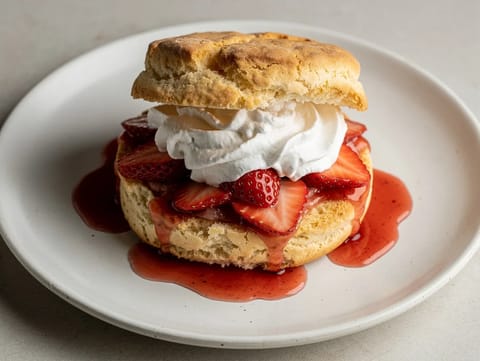
Tender shortcakes with macerated strawberries and whipped cream
A balloon whisk is the all-rounder for aeration: its wide loops move a lot of mixture and trap air efficiently. A French whisk is narrower and often better for sauces because it reaches into the corners of a saucepan without splashing as much. A flat whisk is useful for shallow pans and for smoothing roux-based sauces, where you want to scrape the base and edges.
Material matters with cookware. Metal whisks are robust and responsive, but they can scratch some non-stick surfaces; silicone-coated whisks are gentler but slightly less sharp at breaking up lumps. If you do not have a whisk, a fork can manage small quantities, and a spatula can combine thicker mixtures, but neither aerates as effectively.
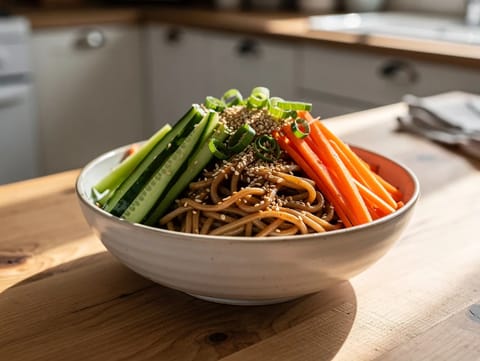
Sesame noodles with cucumber, carrot and spring onion
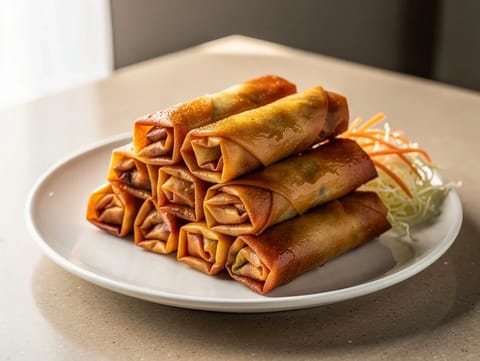
Crisp spring rolls filled with pork, cabbage and shiitake
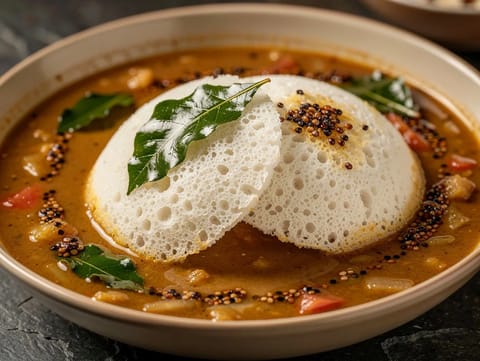
Steamed idli with tangy lentil and vegetable sambar
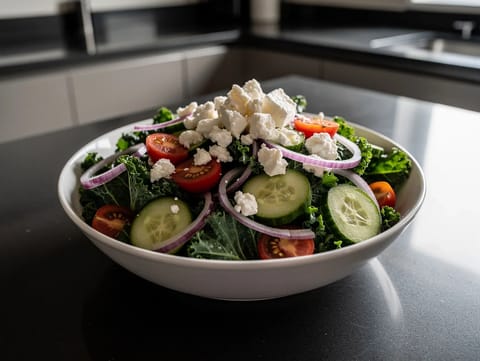
Shredded kale salad with feta and lemon-oregano dressing
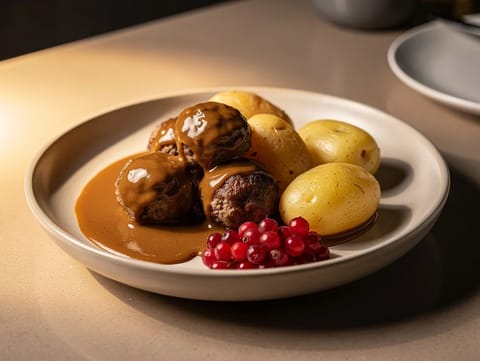
Beef meatballs in brown gravy with boiled potatoes
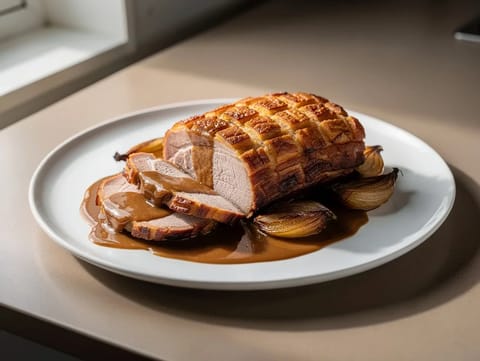
Roast pork shoulder with crisp crackling and rich gravy
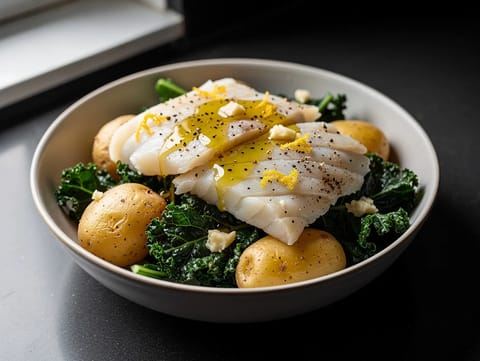
Poached salt cod bowl with potatoes, kale and lemon
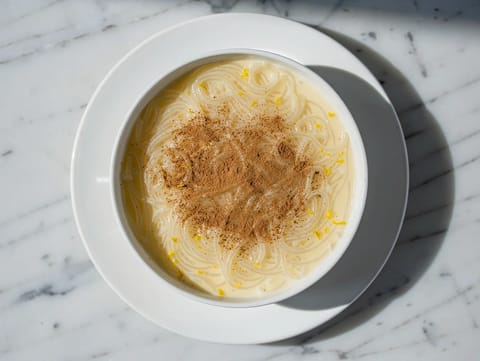
Portuguese vermicelli custard with lemon zest and cinnamon
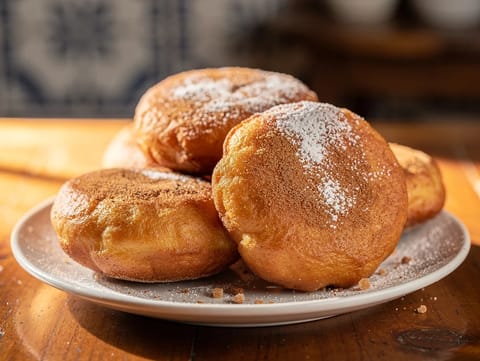
Portuguese fried pastries coated in cinnamon sugar
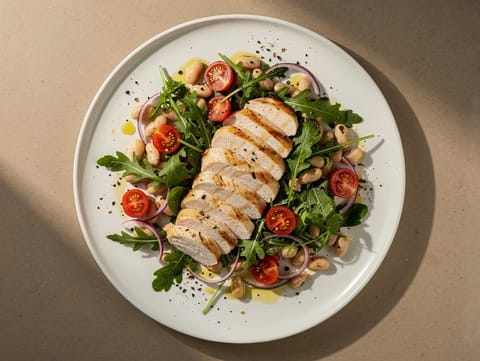
Chicken and cannellini bean salad with rocket and lemon
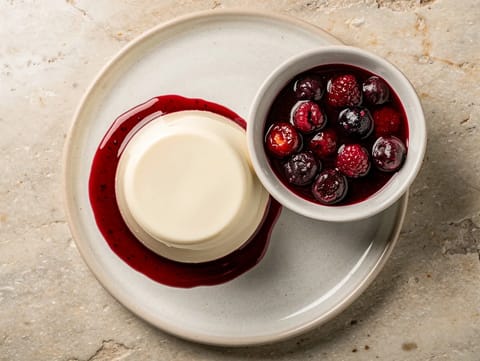
Vanilla panna cotta served with a simple berry compote
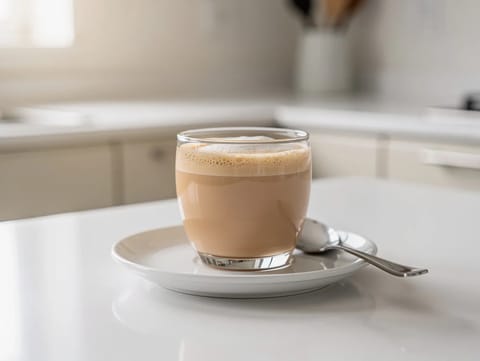
Strong coffee combined with hot, lightly frothy milk
For quick emulsions such as dressings, recipes often rely on brisk whisking and gradual addition of oil or melted fat. The key cue is texture: you are looking for a mixture that looks slightly thicker and more uniform, not just temporarily blended.
For foamy eggs or whipped cream, recipes that depend on volume usually specify whisking until the mixture changes visibly, from loose and glossy to thicker and paler. For hot sauces and custards, whisking is often about preventing lumps and scorching, so a whisk that fits your pan and reaches the edges is more important than maximum volume. If a recipe involves folding in flour or delicate additions, whisking may be limited to the early stage to avoid toughness or deflation.
Cooking method is a useful companion to whisk-based recipes because whisking often sits inside a larger technique, such as making a sauce, custard or batter. Difficulty can also help you judge how much timing and attention is involved, especially where whisking happens over heat or where texture changes quickly.
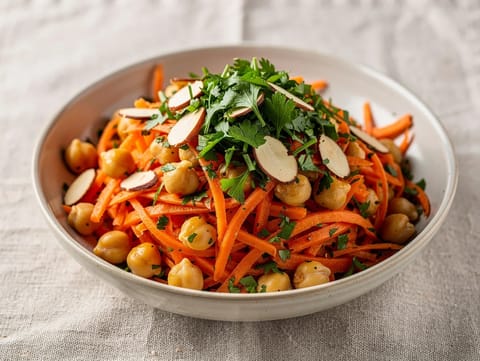
Carrot and chickpea salad with lemon and toasted almonds
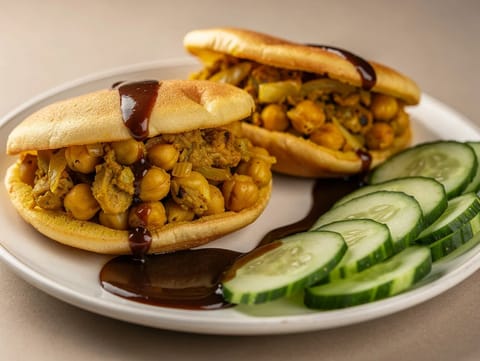
Soft fried bara filled with fragrant curried chickpeas
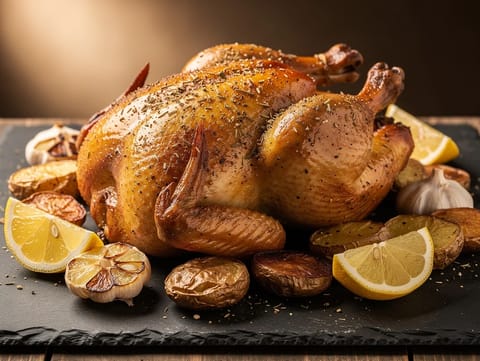
Roast chicken with Herbes de Provence, lemon and pan potatoes
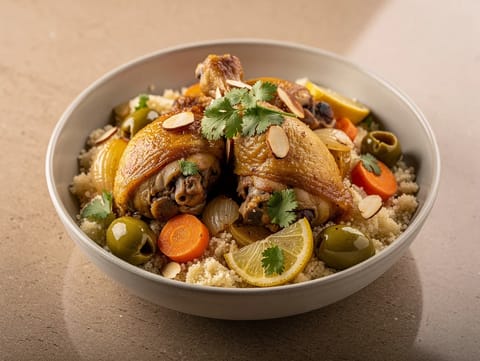
Chicken tagine with preserved lemon and olives over couscous
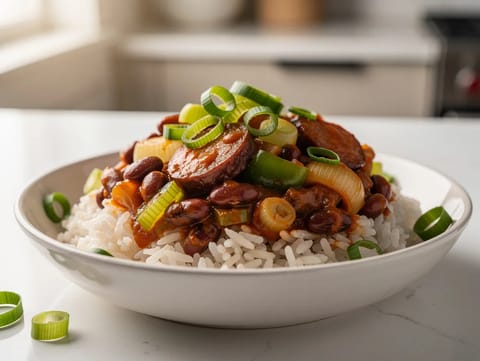
Creamy red beans with andouille sausage served over rice
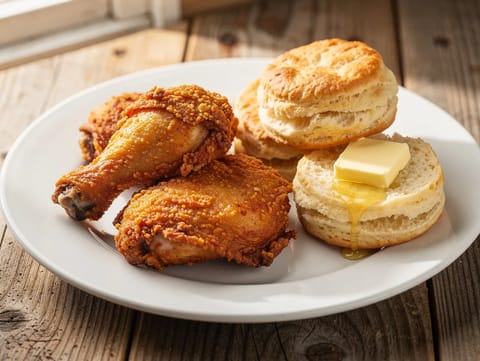
Crisp fried chicken served with warm, fluffy buttermilk biscuits
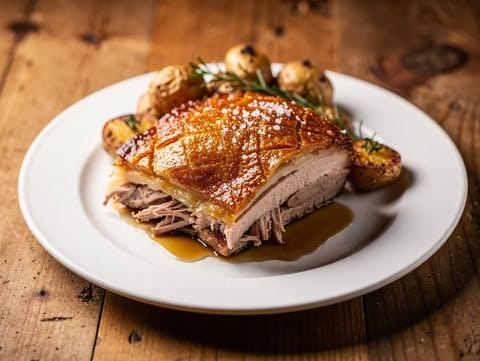
Slow-roasted pork shoulder with crisp crackling and roasting juices
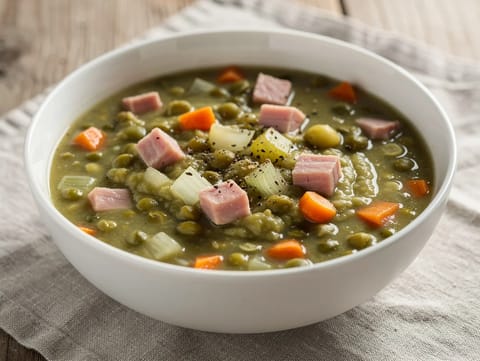
Thick split pea and ham soup with vegetables
Usually because it needs aeration, a stable emulsion, or a lump-free mixture. A spoon moves ingredients around; a whisk actively breaks up and disperses.
A narrower French whisk, or a flat whisk in a shallow pan, often gives better contact with the base and corners, which helps prevent lumps and sticking.
It can, depending on the batter. Once flour is added, vigorous whisking can develop gluten in some mixtures, which can make the result chewier rather than tender.
Some separation is normal over time, but rapid separation can happen if the oil is added too quickly or the mixture is not whisked vigorously enough to disperse droplets.
It depends on the coating and how you use it. Metal can scratch some surfaces, especially with firm scraping. A silicone-coated whisk is the safer choice for delicate non-stick cookware.
A whisk earns its keep when texture matters: smooth sauces, stable dressings and airy mixtures. Match the whisk shape to the pan or bowl, and whisk with a clear goal in mind.
