
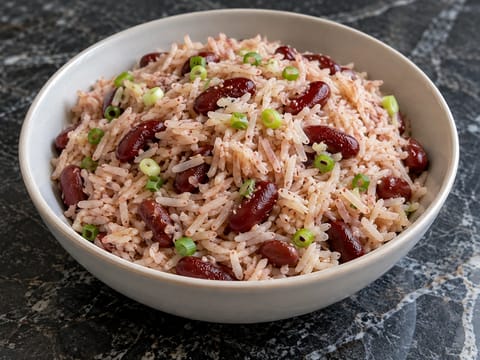
Rice and Peas (Jamaican Coconut Rice with Kidney Beans)
Coconut rice with kidney beans, thyme and allspice

A wooden spoon is less about speed and more about control. It is comfortable for long stirring, gentle enough for non-stick cookware, and sturdy enough to scrape the bottom of a pan as onions soften or a sauce thickens. It is not the right tool for every job, though: some mixtures need the flexibility of a spatula, and some tasks call for a whisk or a heatproof spoon. Knowing where a wooden spoon excels helps you choose recipes and methods that feel calm rather than fiddly.
When a recipe specifies a wooden spoon, it is usually signalling a style of cooking where you stir, scrape and fold rather than beat or whip. The firm edge is useful for moving ingredients around a pan and for checking what is happening on the bottom, which is where sticking and scorching begin. Wood is also a poor conductor of heat, so the handle stays comfortable in the hand during longer cooking.
A wooden spoon does not replace tools designed for aeration or precision. If a recipe needs you to emulsify, whip, or incorporate air, a whisk or electric mixer is more appropriate. If it needs you to lift and turn a fragile item cleanly, a thin spatula often does the job better.
Coconut rice with kidney beans, thyme and allspice
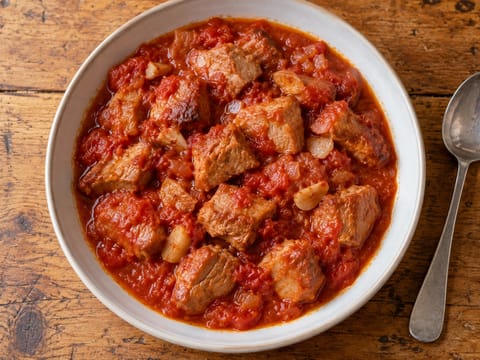
Pork simmered in a thick tomato and paprika sauce
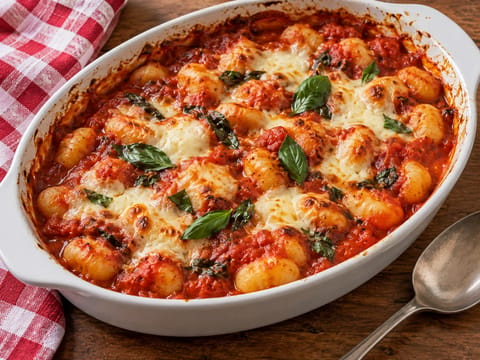
One-pan gnocchi baked in tomato sauce with mozzarella
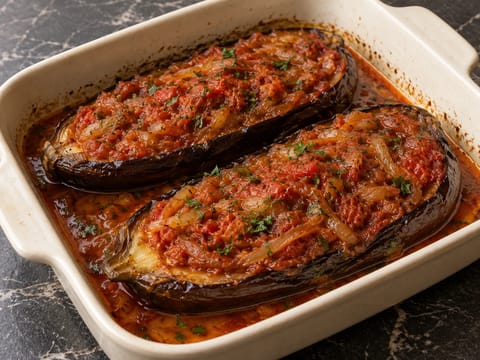
Baked aubergines stuffed with tomato, onion and garlic
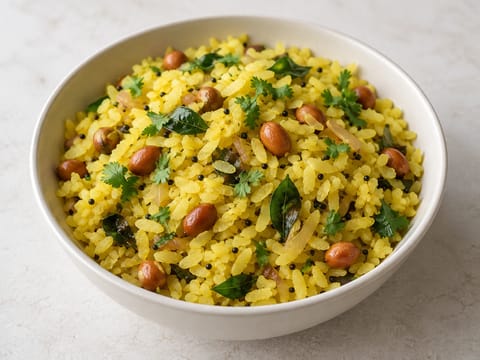
Poha with flattened rice, curry leaves and peanuts
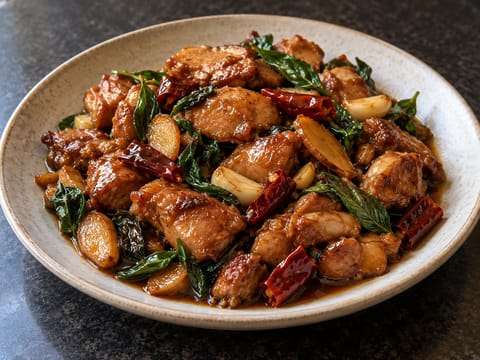
Three-cup chicken with basil, soy sauce and sesame oil
Wooden spoons suit stovetop methods where you build flavour gradually: sweating aromatics, stirring spices in oil, loosening browned bits, and keeping a simmering sauce moving so it thickens evenly. They are also practical for folding thicker batters and doughs where a flimsy utensil bends too much.
Where they can be less effective is with very sticky mixtures that cling to the grain, or when you need a flexible edge to sweep a bowl clean. In those cases, a silicone spatula is often easier. For smooth sauces and custards, a heatproof spoon or spatula can reach corners more neatly, while a whisk helps prevent lumps when you add flour, starch or eggs.
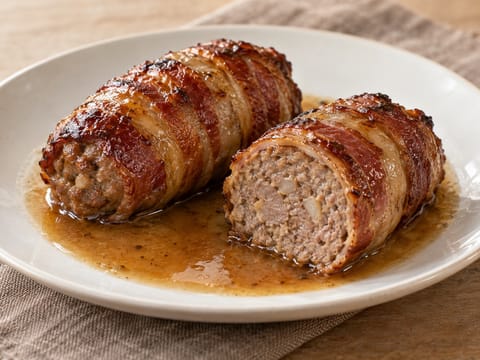
Bacon-wrapped pork and beef rolls with pan gravy
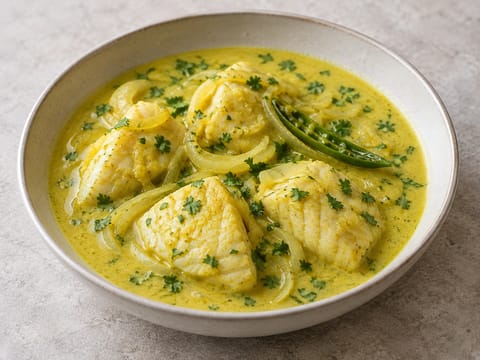
Mild coconut curry with delicate white fish
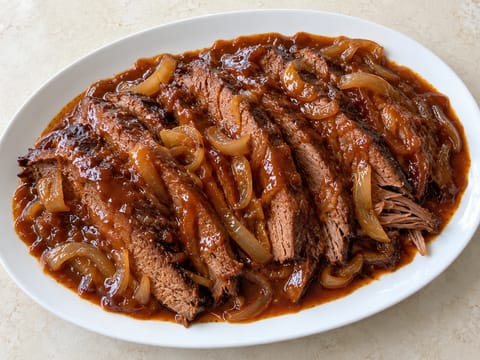
Slow-cooked beef brisket finished with glossy BBQ-style sauce
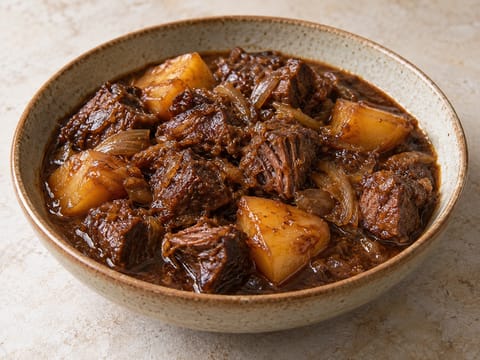
Indonesian beef stew braised in sweet soy with potatoes
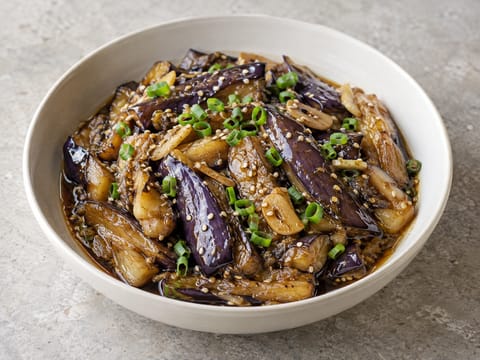
Tender braised aubergine in a glossy garlic sauce
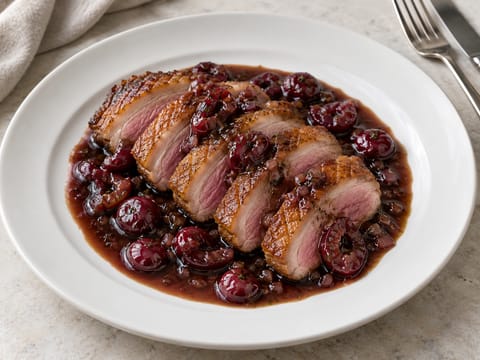
Pan-seared duck with cherry bourbon pan sauce
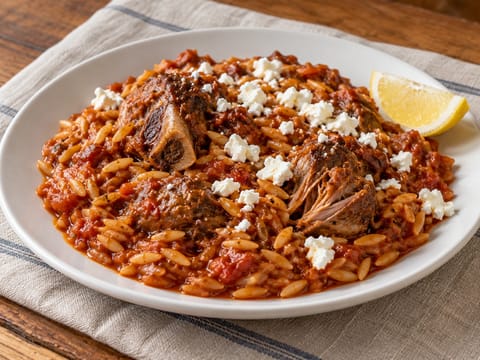
Lamb and orzo baked in tomato sauce with feta and lemon
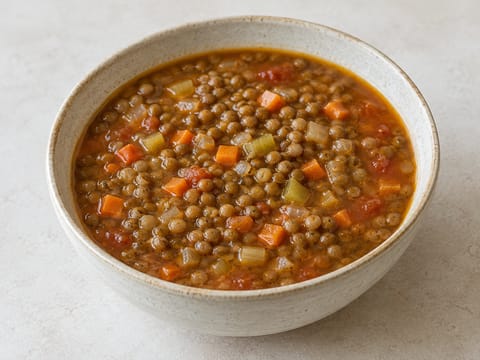
Italian lentil soup with vegetables and extra-virgin olive oil
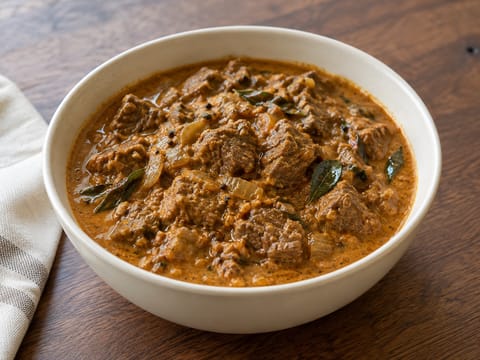
Beef curry simmered with coconut milk and curry leaves
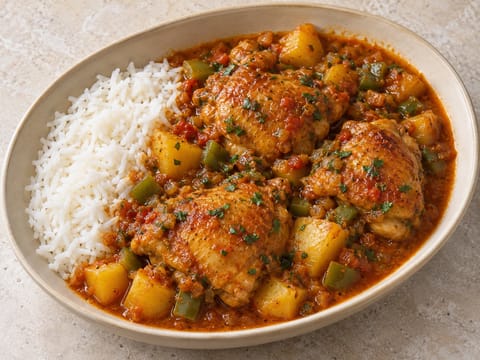
Braised chicken stew with tomatoes, peppers and potatoes
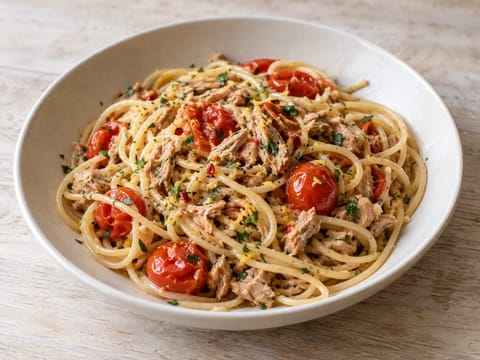
Spaghetti with tuna and cherry tomatoes in olive oil
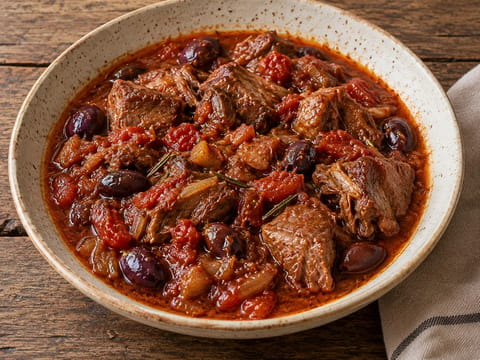
Slow-simmered lamb stew with tomatoes, olives and rosemary
Leaving a wooden spoon soaking in water can cause swelling, roughness and, over time, cracking. A quick wash and thorough drying is usually kinder to the wood. Another common issue is lingering flavours: wood can hold onto strong aromas such as garlic or chilli. Keeping one spoon for savoury cooking and another for baking-style tasks can help.
Also watch for wear. If the spoon develops deep grooves or splinters, it becomes harder to clean and less pleasant to use. Finally, match the spoon to the pan: a broad, flat-ended wooden spoon scrapes the base of a sauté pan well, while a rounder bowl is more comfortable for stirring soups and stews.
Wooden spoons show up across many cooking methods, but they are especially tied to techniques that rely on stirring and pan control. Exploring Cooking method can help you spot recipes where the spoon is doing real work, such as thickening, reducing or building a base. Difficulty can also be a useful guide, since some methods demand more attention at the stove than others.
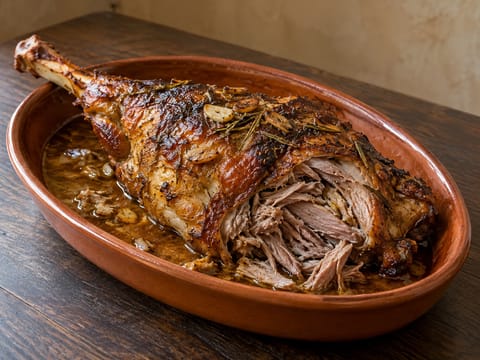
Castilian slow roasted lamb with garlic and rosemary
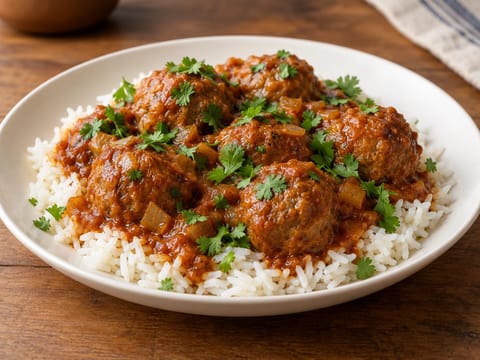
Beef meatballs in a smoky tomato and chipotle sauce
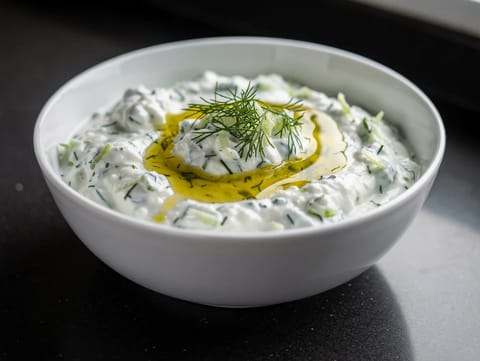
Chilled Turkish yoghurt and cucumber dip with dill and garlic
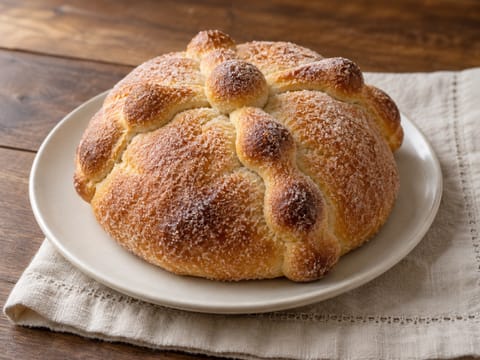
Soft orange-scented sweet bread brushed with butter and coated in sugar
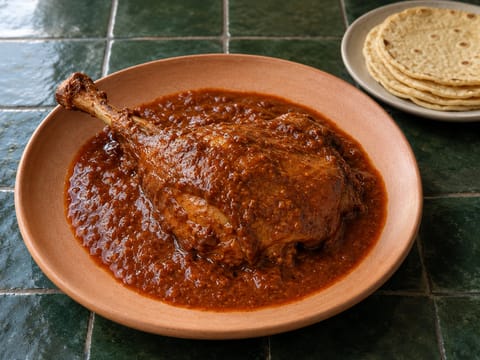
Braised duck in pipián rojo with toasted seeds and chilli
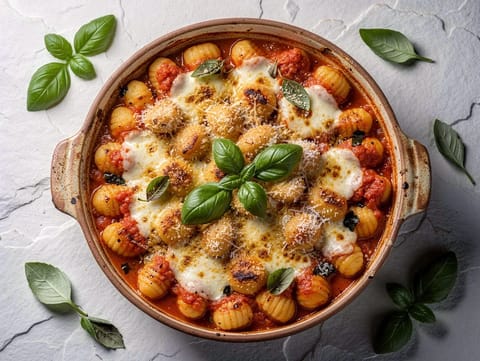
Baked gnocchi in tomato and basil with mozzarella topping
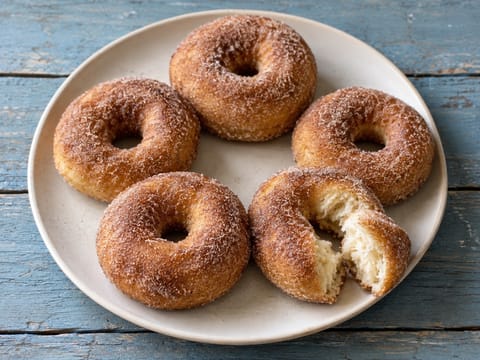
Yeasted air fryer donuts rolled in cinnamon sugar.
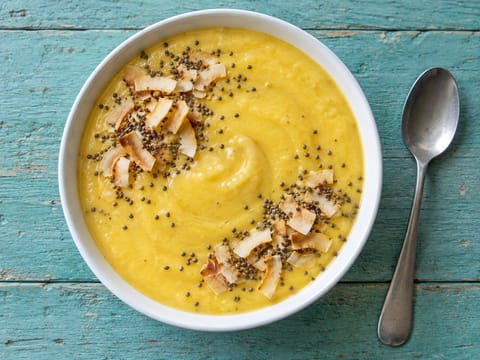
A thick pineapple and mango bowl with coconut and lime.
Generally, yes. Wood is unlikely to scratch non-stick surfaces in normal use, which is why many cooks reach for it with coated cookware.
Use a spatula when you need a flexible edge to scrape a bowl clean, fold very gently, or lift and turn something delicate. A wooden spoon is better for firm stirring and scraping the base of a pan.
Often it is shorthand for steady, controlled stirring and scraping, especially when softening onions, cooking a roux, or reducing a sauce where the bottom of the pan needs attention.
Many cooks do, but very hot sugar can cling and burn. A heatproof silicone spatula is often easier to clean and can feel safer for sticky, high-temperature mixtures.
Wash promptly, dry well, and consider keeping separate spoons for strongly flavoured savoury cooking and for neutral tasks. Over time, some aroma retention is normal with wood.
It can, but a whisk is usually more effective at breaking up lumps quickly when you add flour, cornflour or eggs. You can switch back to a wooden spoon once the mixture is smooth and thickening.
Choose wooden-spoon recipes when the method depends on steady stirring, scraping and watching the pan. If the instructions focus on whisking smooth, lifting delicate pieces, or scraping every last streak from a bowl, reach for a whisk or flexible spatula alongside it.
