
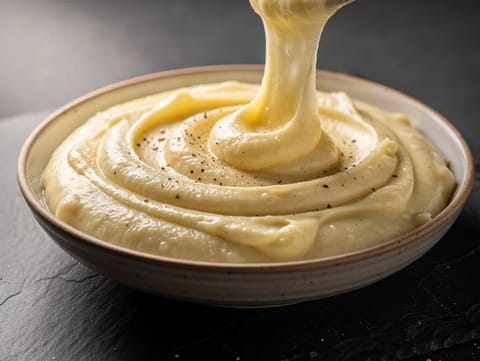
Aligot de l’Aubrac (Stretchy Potato and Cheese Purée)
Stretchy potato purée beaten with Tomme cheese and crème fraîche

“Cheesy” can mean many things, from a mild, milky richness to a sharp, salty tang or a more pungent, aged depth. It also hints at texture: stretchy melts, creamy sauces, crisp gratins and fluffy bakes all rely on different cheeses and techniques. If you are choosing a recipe for a particular cheese you have to hand, it helps to think in two tracks at once: the flavour intensity you want, and how you need the cheese to behave once heated or mixed in.
Cheesy flavour comes from dairy richness plus the savoury, salty compounds that develop as cheese ages. Fresh cheeses tend to be mild and lactic; aged hard cheeses bring concentrated savouriness and a drier, nutty finish; blue and washed-rind styles can add a more assertive aroma. In many recipes, cheese is not just a topping but a seasoning, used like a salty, umami ingredient to deepen sauces, soups and vegetable dishes. Heat changes the experience: some cheeses melt smoothly, some separate into oil and solids, and some simply soften, so the same amount of cheese can feel creamy in one recipe and greasy or grainy in another.
Stretchy potato purée beaten with Tomme cheese and crème fraîche

Warm Gruyère choux puffs baked until crisp
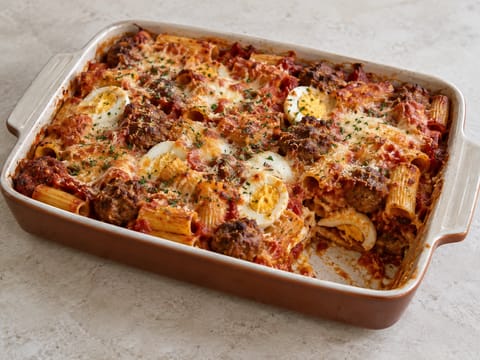
Baked pasta with meatballs, mozzarella and hard-boiled eggs

Hot minced beef and melted cheese in a toasted roll
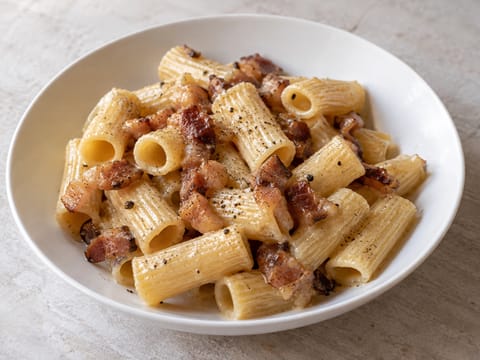
Rigatoni with crisp guanciale and peppery pecorino sauce
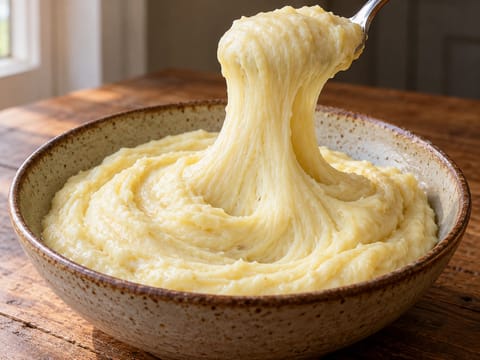
Stretchy cheese mash with potatoes, Tomme and garlic
Cheesy recipes often fall into a few recognisable formats. There are melted, stretchy dishes where the pull is part of the appeal, and creamy, emulsified sauces where cheese is dissolved into a smooth base. Baked dishes can lean towards a crisp, browned top, where cheese forms a savoury crust, or towards a tender interior, where it enriches batters and fillings. You will also see recipes where cheese is used cold or at room temperature, crumbled or shaved for contrast, so you taste its salt and tang more directly. The flavour can be front-and-centre, or it can sit underneath as a quiet savoury backbone.

Crisp quesadilla with black beans, cheddar and peppers

Buttered toastie with cheddar, mozzarella and chopped kimchi
Stretchy cheese mash with potatoes, Tomme and garlic
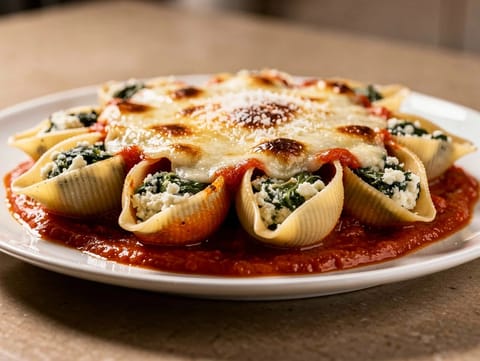
Stuffed pasta shells baked with ricotta, spinach and melted mozzarella
Stretchy potato purée beaten with Tomme cheese and crème fraîche

Creamy polenta with butter, Parmesan and fried eggs
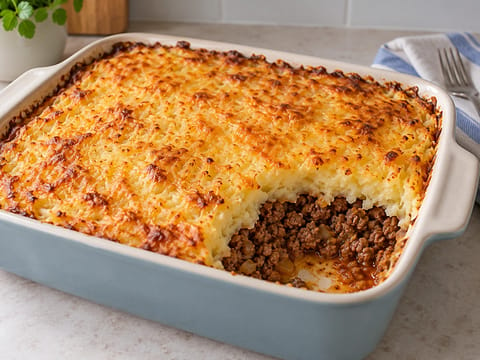
Minced beef and mashed potato casserole with Cheddar topping
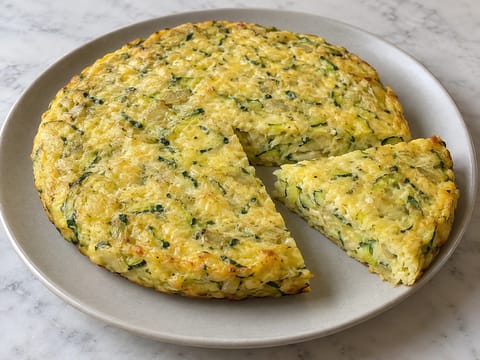
Italian courgette frittata with Parmesan
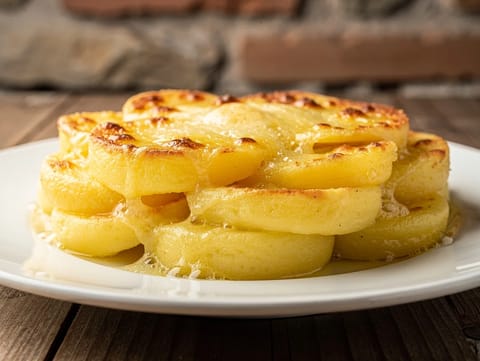
Baked semolina gnocchi rounds with butter and Parmesan
Warm Gruyère choux puffs baked until crisp

Turkey meatballs in passata sauce baked in rolls with mozzarella
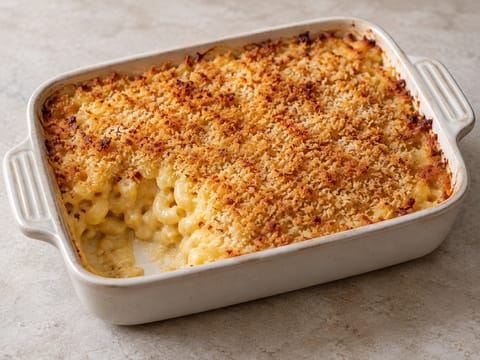
Macaroni in cheddar and Gruyère sauce with a panko topping
Cheese pairs well with acidity because it cuts richness and highlights savoury notes. That can be as simple as tomatoes, citrus, wine or vinegar, or as structured as pickled vegetables and sharp dressings. Bitter greens and brassicas are another classic partner, because cheese’s salt and fat soften their edge. Starches, from bread and pasta to potatoes and rice, give cheese somewhere to spread out, which can make strong cheeses easier to enjoy. If you are working with very salty or aged cheeses, recipes that include unsalted components, such as beans, eggs or mild vegetables, often taste more balanced than those that stack salt on salt.
If you are cooking around a specific cheese, browsing by Ingredient is the quickest way to find recipes that suit its flavour and melting behaviour. Dish type is also helpful because the same cheese can act as a sauce base, a filling, a topping or a finishing garnish, and the format tells you what texture the recipe is aiming for.

Crunchy cabbage slaw with lemon, sumac and herbs

Beef stir fry with peppers and black beans over rice
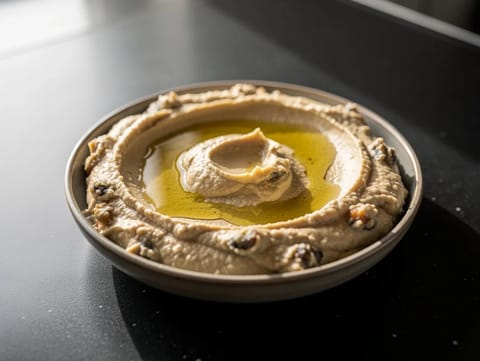
Smoky roasted aubergine dip with tahini and lemon
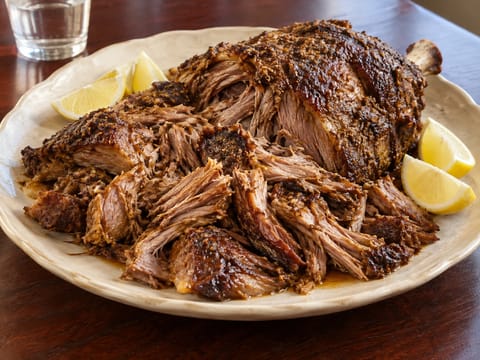
Slow-roasted lamb rubbed with cumin, paprika and garlic

Rustic potato and sauerkraut mash with smoked sausage
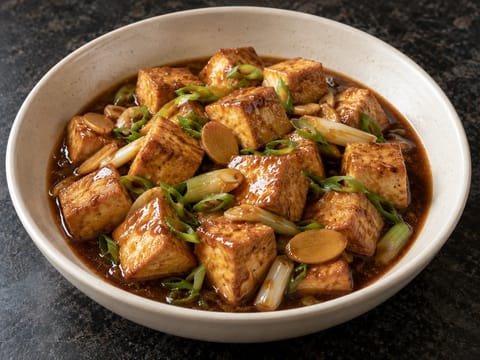
Pan-fried tofu braised in a glossy sweet soy sauce
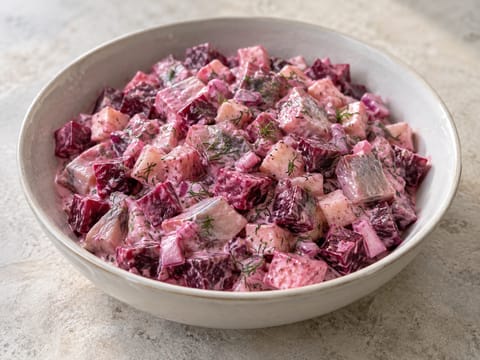
Chilled herring salad with beetroot, apple and dill
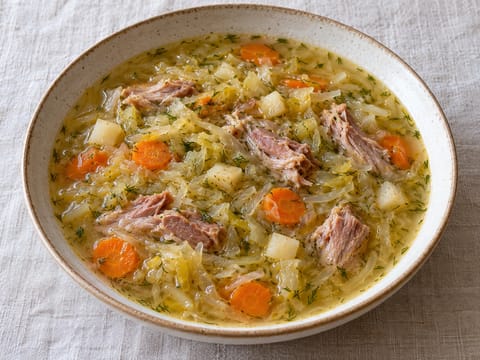
Tangy Polish sauerkraut soup with smoked pork ribs
It depends on moisture, fat content and acidity, as well as how the cheese was made. Some cheeses are designed to melt evenly; others are more likely to separate when heated, especially at high temperatures or without a starchy or emulsifying base.
No. Some cheesy recipes are deliberately mild and creamy, while others lean sharp, salty or pungent. The style of cheese and how much is used makes a big difference.
As a topping, cheese can brown and crisp, giving texture and concentrated savouriness. In a sauce, the goal is usually a smooth, cohesive mouthfeel, so the recipe often includes a base that helps the cheese disperse evenly.
Often, yes. A smaller amount of a well-aged hard cheese can add a strong savoury note, especially when finely grated and melted into a hot dish, rather than piled on top.
When cheese melts and spreads through a dish, its salt is distributed more evenly across each bite. Browning can also concentrate flavours, making salt and savouriness seem more pronounced.
For cheesy cooking, the key decision is whether you want melt, creaminess, or a browned crust. Once you know the texture, you can choose a cheese whose flavour intensity and behaviour under heat fit the recipe.
