
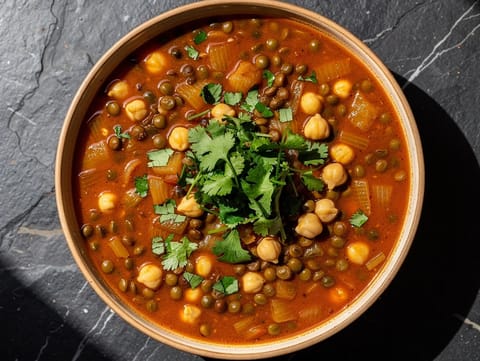
Harira (Moroccan Lentil and Chickpea Soup)
Moroccan lentil and chickpea soup with tomatoes and coriander

Earthy flavours are the ones that feel grounded and savoury, with a gentle bitterness and a sense of depth that lingers. They show up in mushrooms, lentils, beetroot, some leafy greens, root vegetables and certain spices, and they often become more pronounced with roasting, browning and slow cooking. Choose earthy recipes when you want food that tastes substantial without relying on sharp acidity or obvious sweetness.
Earthiness is a flavour impression rather than a single taste. It often reads as savoury, slightly mineral, sometimes faintly bitter, and it tends to sit low on the palate. Ingredients associated with earthy flavours can also bring a darker colour and a fuller aroma, especially once cooked.
Earthy does not automatically mean smoky, spicy or meaty. A mushroom broth can be earthy and delicate; roasted beetroot can be earthy and sweet; lentils can be earthy and clean-tasting. What links them is that grounded, soil-adjacent note that becomes more noticeable when the dish is warm and well-seasoned.
Moroccan lentil and chickpea soup with tomatoes and coriander
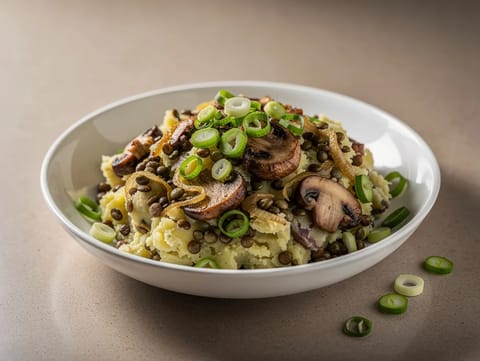
Vegan Dutch mash with lentils, mushrooms and mustard

Lamb and orzo baked in tomato sauce with feta and lemon
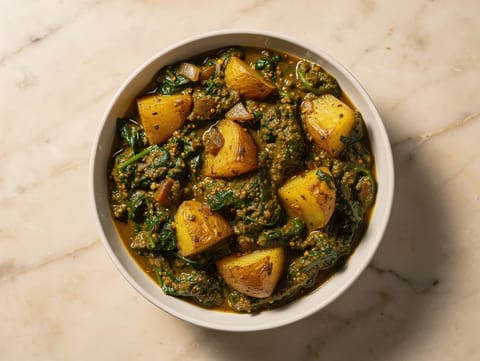
Spinach and potato curry finished with ghee and lemon
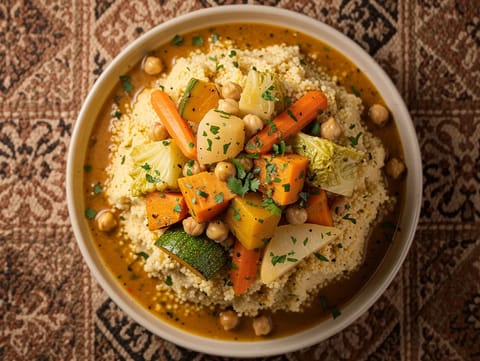
Steamed couscous topped with spiced vegetables and chickpeas

One-pot Cuban-style chicken and rice with peppers and tomatoes
Earthy flavours often benefit from a little lift. Acid works, but it is usually most effective when used with restraint: a squeeze of lemon, a splash of vinegar, or a spoonful of yoghurt can sharpen the edges without turning the dish “tangy”. Alliums such as onions, garlic and spring onions add sweetness and aroma that make earthy ingredients taste rounder.
Fresh herbs and peppery leaves can bring a top note, while toasted nuts and seeds echo the savoury depth. Dairy and fats, including butter, cream or olive oil, help carry earthy aromas and soften bitterness. If an earthy dish tastes dull, it is commonly missing salt, or it needs a brighter finishing note rather than more cooking time.
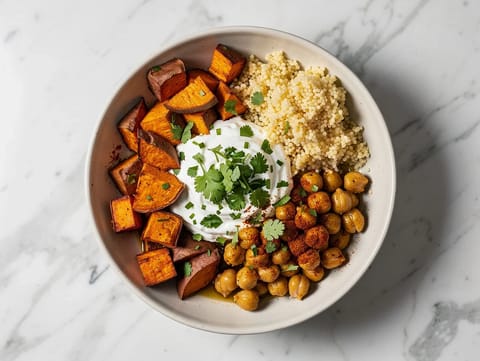
Roasted sweet potato bowl with couscous, chickpeas and yoghurt
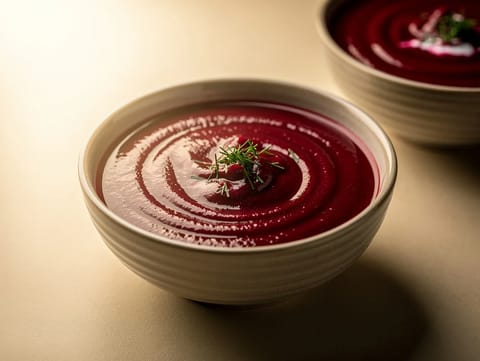
Smooth beetroot soup finished with sour cream
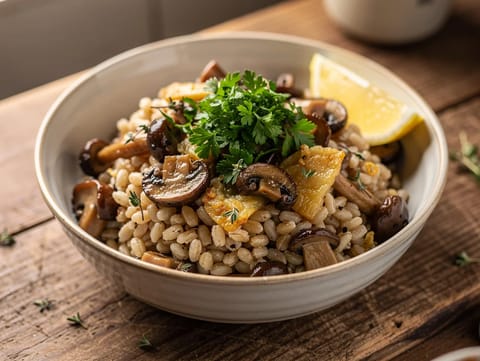
Pearl barley topped with sautéed wild mushrooms and crème fraîche
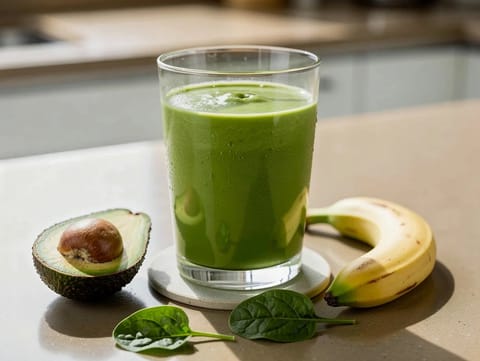
High protein green smoothie with spinach, yoghurt, banana and avocado.
One-pot Cuban-style chicken and rice with peppers and tomatoes
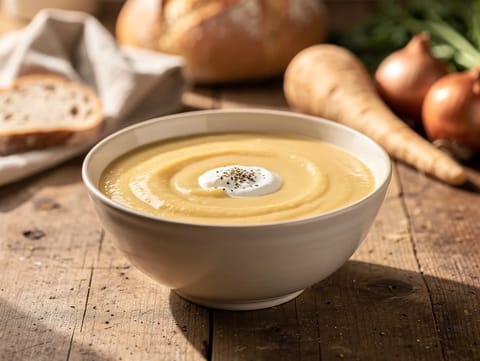
Smooth parsnip soup with cumin and double cream
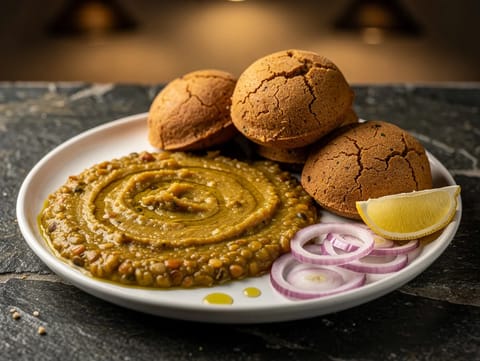
Spiced red lentil dal with baked wholewheat baati

Clear beetroot soup served with mushroom-filled uszka dumplings
Air-fried sausages and baby potatoes with red onion, paprika and mustard.
Tender tripe simmered in beef stock with root vegetables and roux
Salteñas are baked empanadas with a thick, juicy beef and potato filling.
Moroccan-style lentils over couscous with roasted carrots, lemon and olive oil dressing
For a clean, vegetable-led earthiness, look for recipes that roast or grill roots and mushrooms until browned at the edges. Browning concentrates flavour and adds a faint sweetness that keeps the earthiness from tasting muddy.
For a softer, more integrated earthiness, slow-cooked stews, braises and soups let legumes, mushrooms and vegetables share flavour with aromatics and stock. These dishes often taste better once the seasoning has had time to settle.
For a sharper, greener earthiness, recipes featuring leafy greens, herbs and olive oil can taste more bitter and peppery. They usually benefit from a balancing element such as citrus, cheese, or a starchy base like potatoes, rice or bread.
Earthy flavours are closely tied to what you cook with, so Ingredient is a natural next step if you’re choosing between mushrooms, lentils, beetroot or greens. Dish is useful when you know the mood you want, such as a broth, a roast tray, a stew or a salad built around earthy leaves.
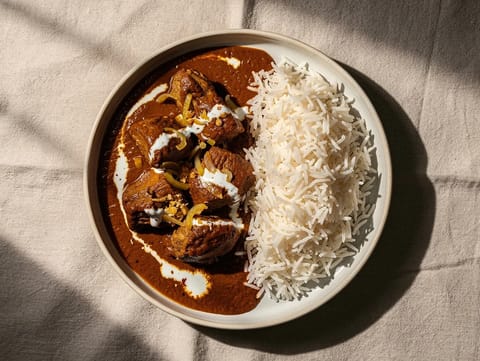
Kashmiri lamb curry with yoghurt, spices and basmati rice
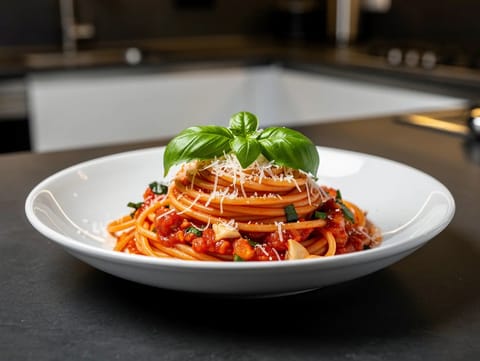
Spaghetti with fresh tomato, garlic and basil

Crusty roll filled with crispy breaded beef and toppings

Puff pastry layers filled with thick vanilla custard
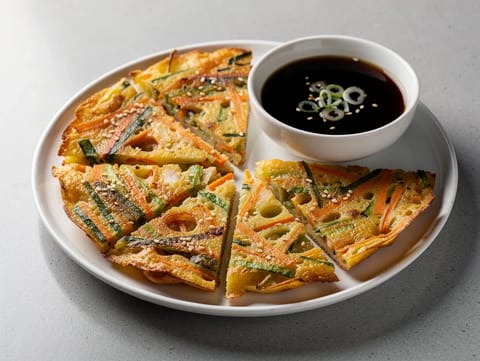
Crisp Korean vegetable pancake with soy vinegar dipping sauce

Roast pork belly with tender meat and crisp, puffed crackling

Warm atole thickened with masa harina, milk and cinnamon

Korean pan-fried cod in flour and egg coating
They often overlap, but they are not identical. Umami is a savoury taste linked to glutamates, while earthiness is an aroma and flavour impression that can include bitterness, mineral notes and depth.
Earthy ingredients can taste flat if there isn’t enough salt, if the dish lacks a bright finishing note, or if everything is cooked to the same soft texture. A little acid, herbs, or crunch can clarify the flavour.
No. Roasting and browning can create earthiness quickly, and some ingredients taste earthy even when lightly cooked. Long cooking simply blends flavours and softens edges.
It depends on the ingredient, but robust herbs (such as thyme or rosemary) often echo earthy depth, while softer herbs (such as parsley) can brighten it. Many recipes use a mix: one for backbone, one for lift.
Yes. Earthy leaves, mushrooms or beetroot can sit well in salads and grain bowls when balanced with citrus, a sharp dressing, or a creamy element.
Earthy recipes tend to taste most satisfying when you add one clear contrast: a bright finish, a sweet aromatic, or a crisp texture. Start with that decision and the rest of the seasoning becomes easier.
