
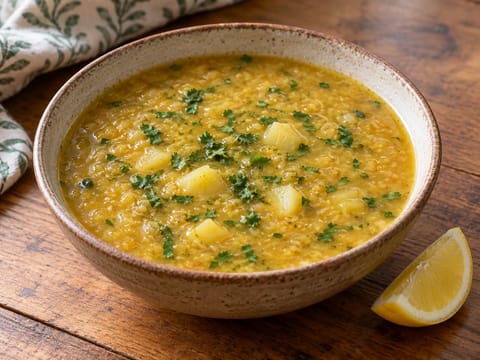
Adas Bil Hamod (Lebanese Lentil and Lemon Soup)
Lebanese red lentil and lemon soup with potato

Earthy flavours are the ones that feel grounded and savoury, with a gentle bitterness and a sense of depth that lingers. They show up in mushrooms, lentils, beetroot, some leafy greens, root vegetables and certain spices, and they often become more pronounced with roasting, browning and slow cooking. Choose earthy recipes when you want food that tastes substantial without relying on sharp acidity or obvious sweetness.
Earthiness is a flavour impression rather than a single taste. It often reads as savoury, slightly mineral, sometimes faintly bitter, and it tends to sit low on the palate. Ingredients associated with earthy flavours can also bring a darker colour and a fuller aroma, especially once cooked.
Earthy does not automatically mean smoky, spicy or meaty. A mushroom broth can be earthy and delicate; roasted beetroot can be earthy and sweet; lentils can be earthy and clean-tasting. What links them is that grounded, soil-adjacent note that becomes more noticeable when the dish is warm and well-seasoned.
Lebanese red lentil and lemon soup with potato
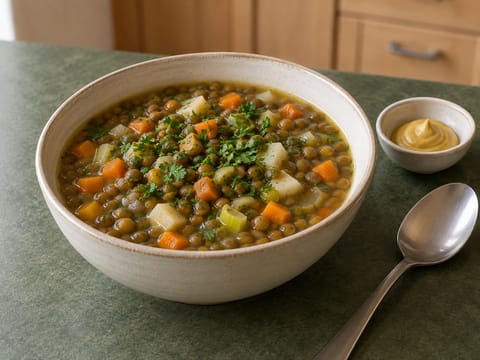
Vegan German lentil stew with root vegetables and leeks

Steamed corn masa tamales with poblano rajas and Oaxaca cheese

Slow-cooked lamb served over spiced rice with almonds and raisins
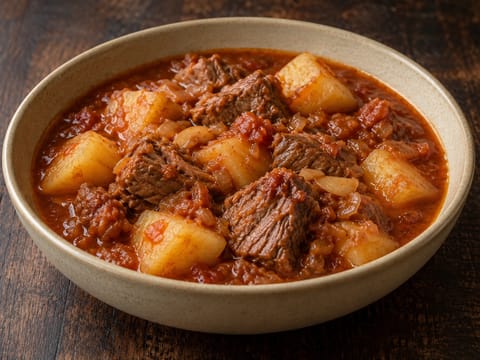
Lebanese lamb and potato stew in a tomato sauce
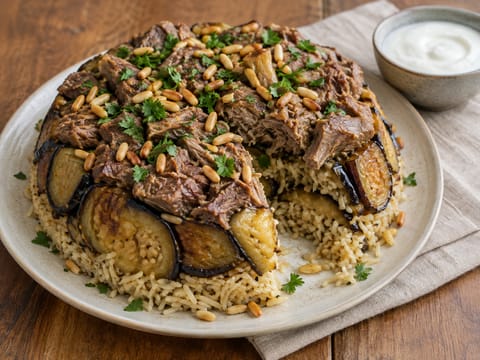
Upside-down rice with lamb, aubergine, yoghurt and toasted nuts
Earthy flavours often benefit from a little lift. Acid works, but it is usually most effective when used with restraint: a squeeze of lemon, a splash of vinegar, or a spoonful of yoghurt can sharpen the edges without turning the dish “tangy”. Alliums such as onions, garlic and spring onions add sweetness and aroma that make earthy ingredients taste rounder.
Fresh herbs and peppery leaves can bring a top note, while toasted nuts and seeds echo the savoury depth. Dairy and fats, including butter, cream or olive oil, help carry earthy aromas and soften bitterness. If an earthy dish tastes dull, it is commonly missing salt, or it needs a brighter finishing note rather than more cooking time.
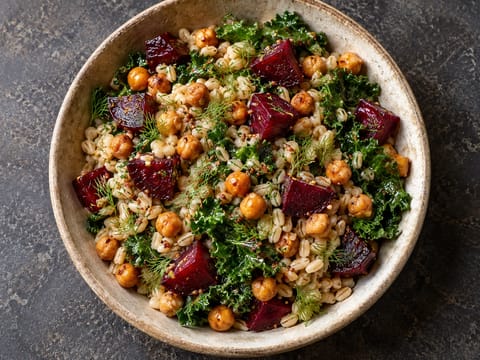
Vegan barley bowl with beetroot, kale and crispy chickpeas
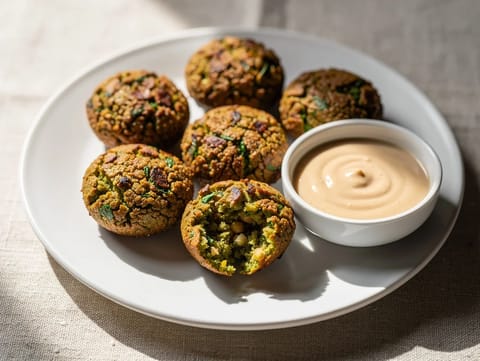
Air-fried falafel made with chickpeas, herbs, spices and tahini.

Kidney bean curry in tomato masala served with basmati rice

German lentil soup with frankfurters and vegetables
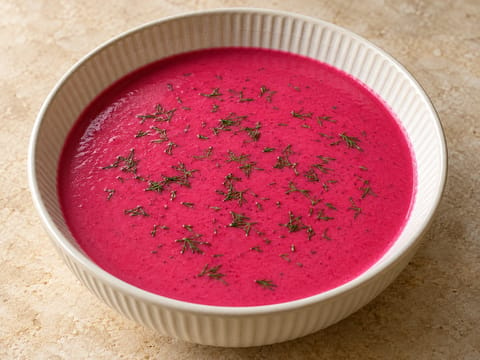
Smooth beetroot soup finished with sour cream
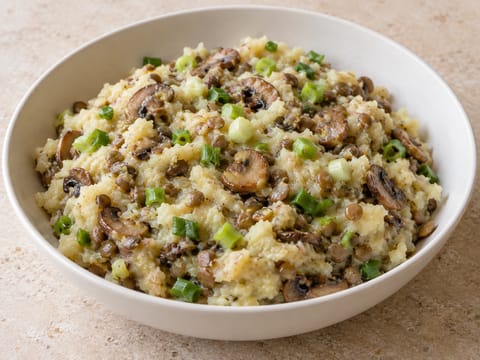
Vegan Dutch mash with lentils, mushrooms and mustard
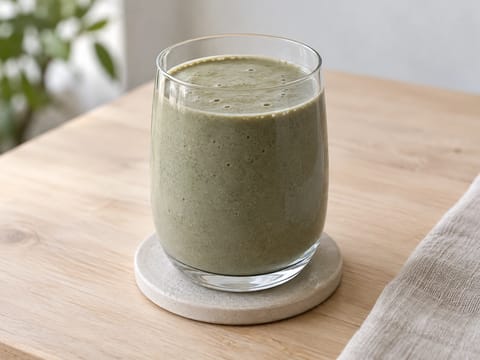
A nutty black sesame and matcha smoothie with banana.

Smooth red lentil soup with cumin and lemon
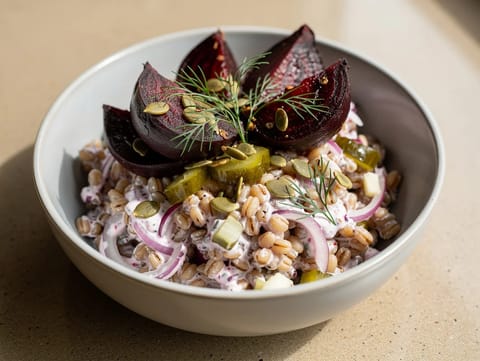
Roasted beetroot and barley bowl with horseradish dressing
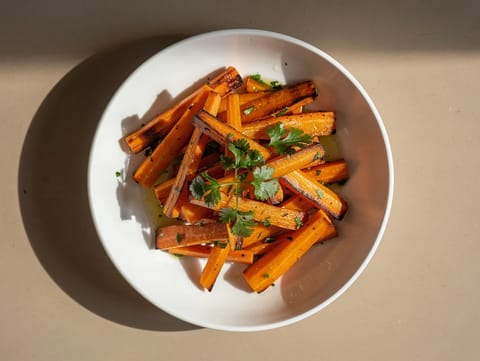
Air-fried carrots with honey, cumin and lemon.
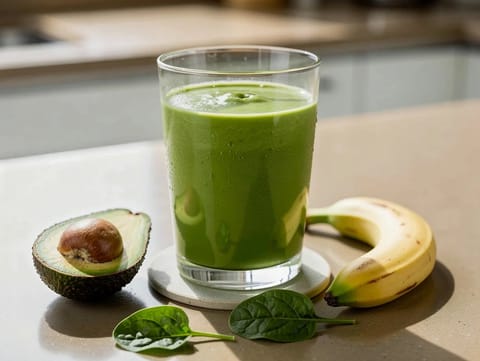
High protein green smoothie with spinach, yoghurt, banana and avocado.

Chicken breasts simmered in smooth ancho chilli and tomato sauce
For a clean, vegetable-led earthiness, look for recipes that roast or grill roots and mushrooms until browned at the edges. Browning concentrates flavour and adds a faint sweetness that keeps the earthiness from tasting muddy.
For a softer, more integrated earthiness, slow-cooked stews, braises and soups let legumes, mushrooms and vegetables share flavour with aromatics and stock. These dishes often taste better once the seasoning has had time to settle.
For a sharper, greener earthiness, recipes featuring leafy greens, herbs and olive oil can taste more bitter and peppery. They usually benefit from a balancing element such as citrus, cheese, or a starchy base like potatoes, rice or bread.
Earthy flavours are closely tied to what you cook with, so Ingredient is a natural next step if you’re choosing between mushrooms, lentils, beetroot or greens. Dish is useful when you know the mood you want, such as a broth, a roast tray, a stew or a salad built around earthy leaves.

French shell cakes with lemon zest, vanilla and icing sugar

Lanzhou beef noodle soup with brisket, radish and chilli oil
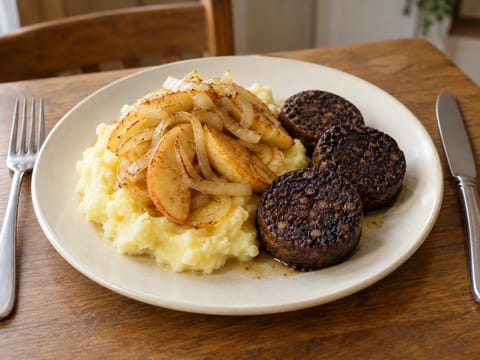
Black pudding with fried apples and creamy mashed potatoes

Crisp panini with smoked turkey, cranberry sauce and melted Cheddar

Ginger-braised chicken thighs in savoury-sweet fish sauce caramel

Slow-reduced milk dessert with cardamom, saffron, pistachios and almonds

Seafood and spring onion pancake with soy vinegar dipping sauce

Moroccan semolina pancakes served warm with butter and honey
They often overlap, but they are not identical. Umami is a savoury taste linked to glutamates, while earthiness is an aroma and flavour impression that can include bitterness, mineral notes and depth.
Earthy ingredients can taste flat if there isn’t enough salt, if the dish lacks a bright finishing note, or if everything is cooked to the same soft texture. A little acid, herbs, or crunch can clarify the flavour.
No. Roasting and browning can create earthiness quickly, and some ingredients taste earthy even when lightly cooked. Long cooking simply blends flavours and softens edges.
It depends on the ingredient, but robust herbs (such as thyme or rosemary) often echo earthy depth, while softer herbs (such as parsley) can brighten it. Many recipes use a mix: one for backbone, one for lift.
Yes. Earthy leaves, mushrooms or beetroot can sit well in salads and grain bowls when balanced with citrus, a sharp dressing, or a creamy element.
Earthy recipes tend to taste most satisfying when you add one clear contrast: a bright finish, a sweet aromatic, or a crisp texture. Start with that decision and the rest of the seasoning becomes easier.
