
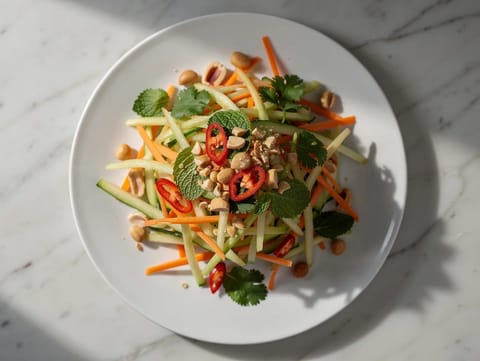
Vietnamese Green Mango Salad with Peanuts
Green mango salad with herbs, chilli and peanuts

Light and fresh is a flavour profile built on clarity: bright acidity, clean aromatics and textures that don’t linger heavily on the palate. It often comes from citrus, herbs, crisp vegetables, yoghurt-style sauces, seafood, and broths, but the feeling is as much about balance as ingredients. Choose this profile when you want food that tastes vivid and lifted, with a clear finish rather than deep caramel notes or a creamy coating.
Freshness in cooking is usually driven by acid and aroma. Citrus juice, vinegar, tomatoes and fermented dairy can make flavours taste sharper and more defined. Fresh herbs, ginger, spring onions and citrus zest add top notes that read as “clean” and immediate.
Lightness is often about texture and fat level, but it is not the same as “no fat”. A small amount of good oil can make a salad dressing taste more rounded, and yoghurt can feel fresh even though it is creamy. What tends to make a dish feel less light is heaviness of texture: thick sauces, lots of melted cheese, or long-cooked flavours that dominate the finish.
Many light and fresh recipes also rely on last-minute finishing touches, because those flavours fade fastest.
Green mango salad with herbs, chilli and peanuts

Indian lemonade with lemon juice, black salt and roasted cumin
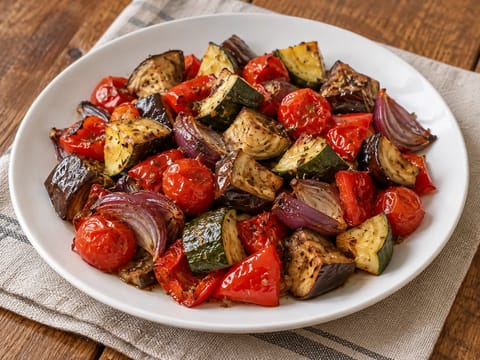
Roasted vegetable traybake with garlic, olive oil and oregano
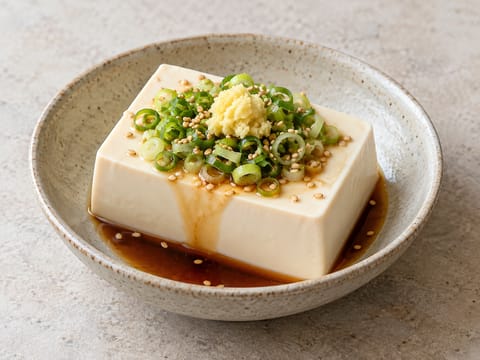
Chilled silken tofu with soy sauce, spring onion and ginger
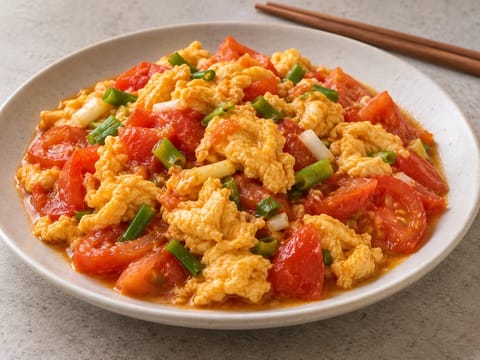
Soft eggs stir-fried with juicy tomatoes and spring onions

Fresh lemon juice drink mixed with sugar syrup and cold water
This flavour profile often shows up in dishes where ingredients stay distinct: salads with crisp vegetables, grain bowls with a sharp dressing, or quick-cooked foods finished with herbs and citrus. Brothy soups and noodle dishes can also taste light and fresh when the broth is clear and the aromatics are added with a gentle hand.
You’ll also see light-and-fresh flavours in sauces that are tangy rather than rich, such as yoghurt-based dressings, herb-forward salsas, or citrusy vinaigrettes. In sweet cooking, the same idea can mean fruit-led desserts, chilled puddings, or bakes that lean on zest and berries rather than caramel and spice.
Across these formats, the practical thread is that seasoning and finishing matter as much as cooking.
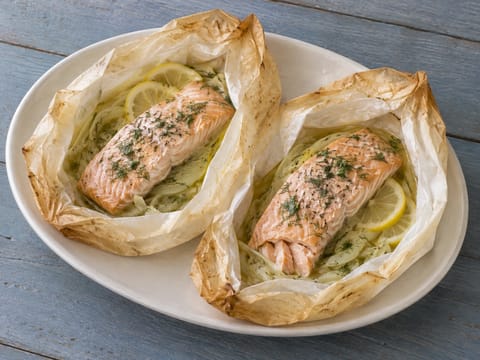
Salmon baked in parchment with fennel, lemon and dill
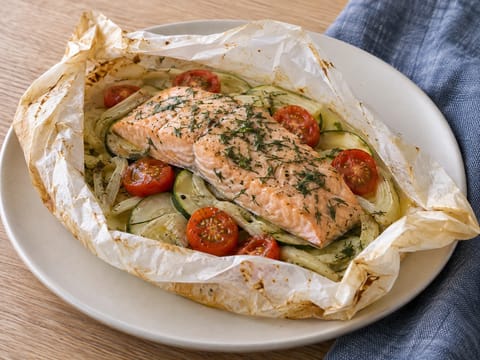
Salmon baked in parchment parcels with vegetables and lemon
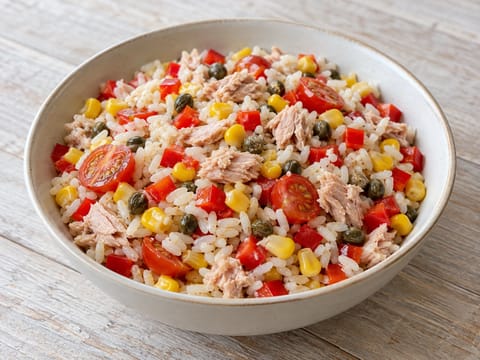
Italian rice salad with tuna, vegetables, lemon and olive oil
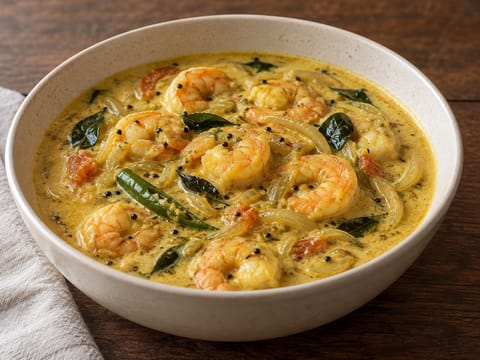
Kerala coconut milk prawn curry with curry leaves
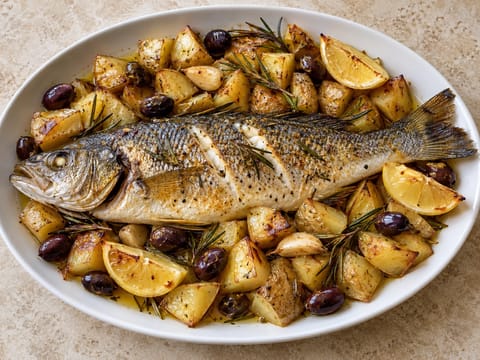
Roasted sea bass with potatoes and olives
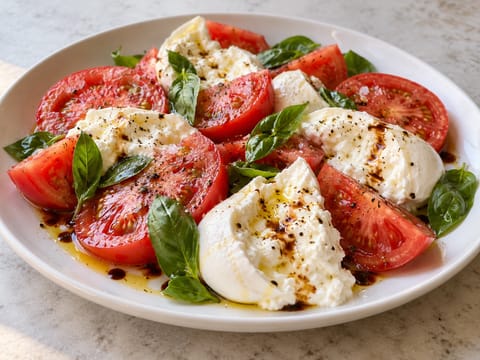
Ripe tomatoes and burrata with basil, olive oil and balsamic
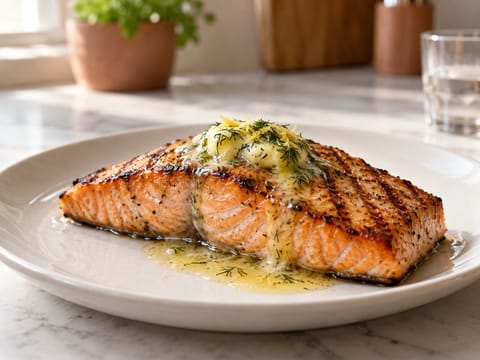
Grilled salmon topped with lemon and dill butter

Strong black tea sweetened and served over ice
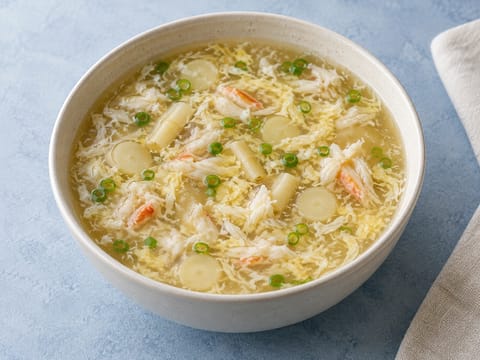
Light crab and asparagus soup finished with egg ribbons

Crispy Vietnamese rice-flour pancakes filled with pork and prawns
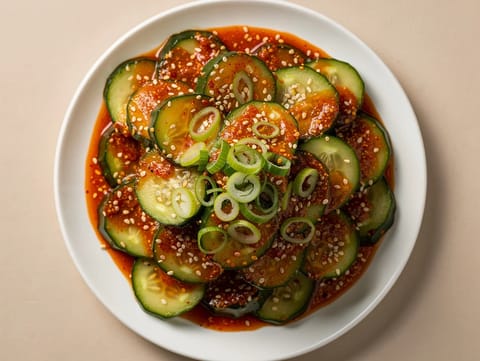
Chilled Korean cucumber salad with gochugaru and sesame oil
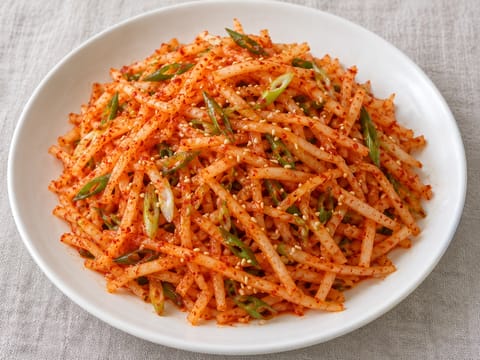
Crisp radish salad with gochugaru, vinegar and garlic
Light, fresh dishes pair well with ingredients that add snap, salinity or gentle heat. Crunchy vegetables, toasted nuts and seeds, and crisp toppings keep the texture lively. Salty elements such as olives, capers, anchovies or aged cheese can sharpen the overall flavour, but they usually work best in small amounts so they don’t overwhelm the freshness.
Chilli, pepper and ginger add energy without making a dish feel heavy. Sweetness is useful too, particularly with sharp dressings: a little honey, ripe fruit or sweet vegetables can round out acidity.
If a dish meant to taste light and fresh seems flat, it is often missing one of three things: enough salt, enough acid, or a fresh aromatic added at the end.
Ingredient browsing is a practical way to build a light, fresh plate, especially if you’re choosing between citrus, herbs, yoghurt, crisp vegetables or seafood. Dish browsing helps when you know the format you want, such as a salad, a broth-based soup, a quick stir-fry, or a fruit-led dessert.

Crisp chicken flautas served with avocado and lime guacamole

Braised chicken with saffron rice and toasted almonds
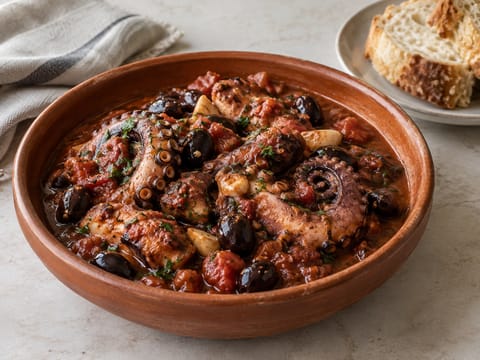
Octopus stew simmered with tomatoes, olives, white wine and chilli

Red chilli chicken enchiladas topped with crema and queso fresco
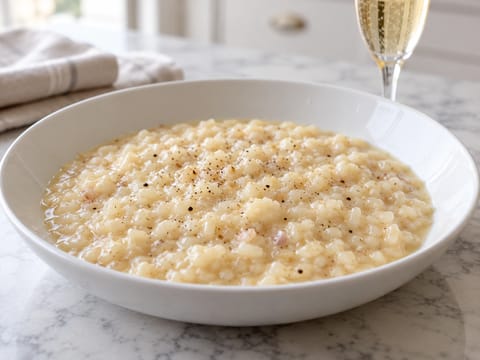
Creamy Champagne risotto finished with Parmesan
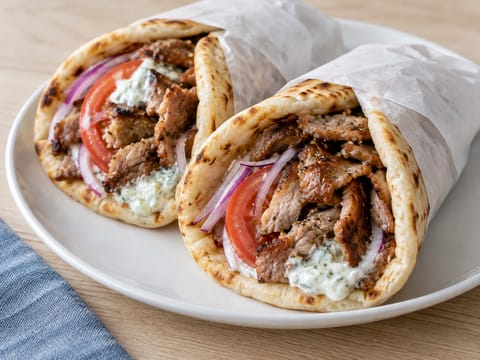
Greek pork pita filled with tomato, red onion and tzatziki
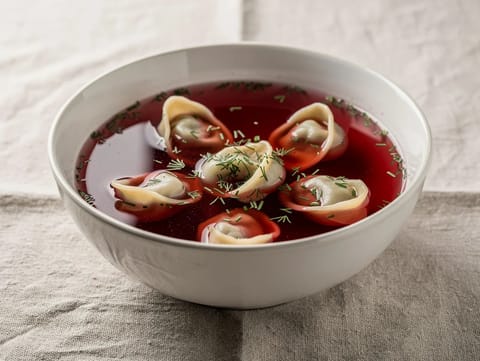
Clear beetroot soup served with mushroom-filled uszka dumplings

Vol-au-vents filled with creamy chicken and mushroom sauce
Not necessarily. Lightness is about how a dish eats, including texture and finish. Some recipes use a little oil or yoghurt and still taste fresh because acidity and aromatics keep flavours clear.
Often it’s a finishing note: a squeeze of citrus, a splash of vinegar, fresh herbs, or zest. These add top notes that read immediately on the palate.
Commonly they need more salt, more acid, or a stronger aromatic. Crispness matters too: watery vegetables or overdressed leaves can mute flavour.
Yes. Quick cooking, clear broths, and last-minute herbs or citrus can keep warm dishes tasting lifted rather than heavy.
Use fat and salt first, then add sweetness only if needed. Olive oil, yoghurt, nuts, and well-seasoned ingredients can round acidity without turning the dish sugary.
Light and fresh cooking is about keeping flavours distinct and the finish clean. Choose recipes with a bright element, add aromatics late, and use texture to keep each bite feeling crisp and awake.
