
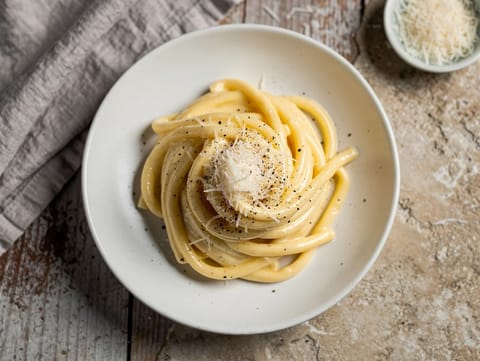
Cacio e Uova (Neapolitan Egg and Cheese Pasta)
Neapolitan pasta with egg, pecorino Romano and black pepper

Peppery flavour is a particular kind of heat: aromatic, prickly and often short-lived, rather than the lingering burn of chilli. It can come from black pepper and other peppercorns, from mustard and horseradish, or from naturally peppery vegetables such as rocket, watercress and radish. Because pepperiness sits on top of other flavours, it is easy to overdo in the last minute. The most satisfying peppery dishes usually have something to soften the edges, such as fat, sweetness, or a little acidity.
Peppery is not simply “spicy”. Black pepper brings warmth and fragrance, sometimes with a faint citrusy note, and it behaves differently depending on grind size and when it is added. Mustard, wasabi and horseradish create a sharper, nose-tingling heat that can fade quickly once mixed through hot food. Peppery greens add a fresh bite that is as much about aroma as it is about heat. These sources can overlap in one dish, but they do not taste identical, so it helps to notice whether a recipe is aiming for gentle warmth, a sharp kick, or a leafy, mustardy edge.
Neapolitan pasta with egg, pecorino Romano and black pepper
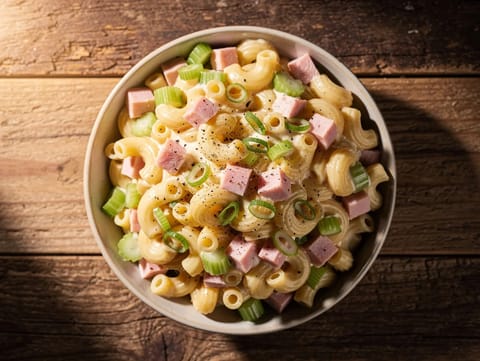
Creamy macaroni salad with ham and celery

Crispy panko chicken tenders cooked quickly in the air fryer.
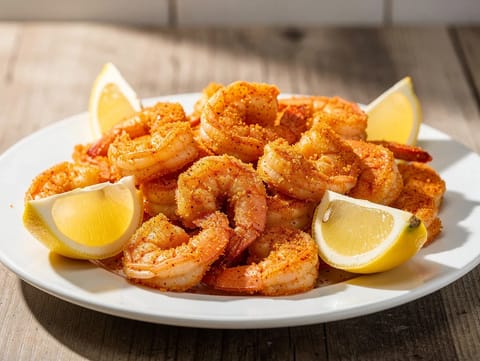
Crisp air fryer breaded shrimp with a light paprika coating.
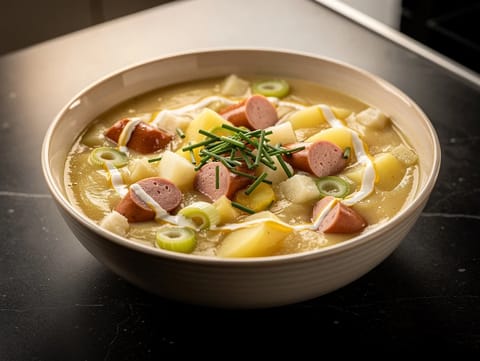
German potato soup with frankfurters, leeks and crème fraîche
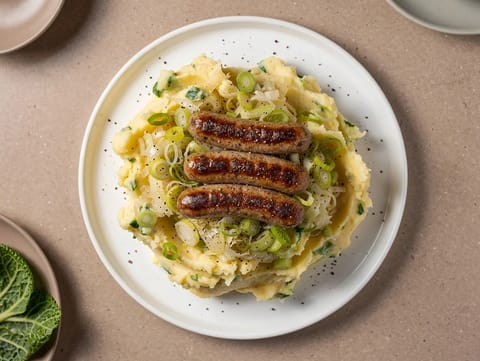
Pork and leek sausages with creamy colcannon
Peppery flavours often need a cushion. Dairy and other fats can round out black pepper and mustard heat, which is why creamy sauces, eggs and oily dressings take pepper well. Sweetness, even in small amounts, can make pepper taste more aromatic than aggressive, especially with roasted vegetables. Acidity can sharpen pepperiness, so use it with intent: a squeeze of lemon can make rocket taste brighter, but too much vinegar can turn the whole dish harsh. For texture, peppery elements work well as a finish, such as cracked pepper on a creamy soup or a handful of peppery leaves added just before serving.
Air-fried chicken is tossed with black pepper sauce, onion and green pepper.
Flaky pasties filled with chicken, mushrooms and leek in a mustard crème fraîche sauce
Crisp Swedish potato, beef and onion hash served with egg and beetroot
Dutch potato mash folded with endive and topped with crispy bacon
Glossy spaghetti cacio e pepe enriched with white miso and finished with pecorino
Light watercress and smoked trout salad with cucumber and lemon dressing
Fried mashed potatoes and cabbage, crisped until golden and topped with an egg
Chicken wings are air-fried until crisp with salt, pepper and garlic.
Mustard-rubbed rolled pork loin roast served with simple pan gravy
Light chicken noodle soup simmered with vegetables and finished with parsley and black pepper
Potted prawns warmed with lemon and mace in brown butter, served with toast
Cornflour-coated tofu fried until crisp, then finished with salt and white pepper
If you want warmth that spreads through the dish, look for recipes where pepper is cooked briefly in fat or added early enough to mingle with other flavours. If you want a clear, fresh bite, choose recipes that add peppery greens, radish or mustard at the end, so the aroma stays lively. For a sharper, sinus-clearing hit, recipes using horseradish or mustard tend to work best when those ingredients are stirred in off the heat or served alongside, because prolonged cooking can dull their impact. Also consider grind size: coarse pepper reads more assertive and textural, while finely ground pepper blends in more quietly.
Pepperiness is often driven by a specific ingredient, so browsing by Ingredient helps you distinguish black pepper warmth from mustard, horseradish or peppery greens. Dish type can also guide you towards formats where pepperiness shines, such as salads, creamy soups, or pepper-forward sauces.

Italian rolled pork roast with fennel, rosemary and lemon
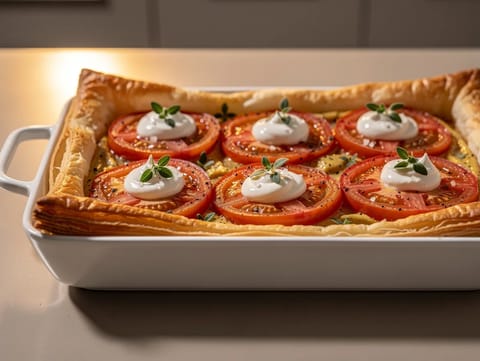
Puff pastry tart with Dijon mustard and baked tomatoes
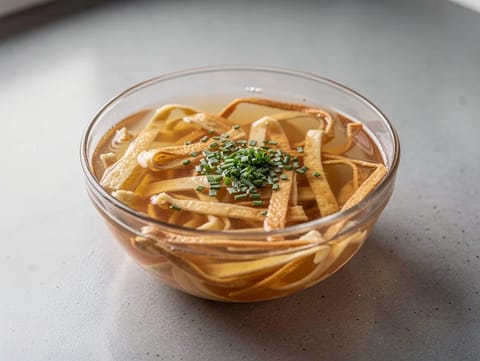
Clear beef stock with thin pancake ribbons and chives
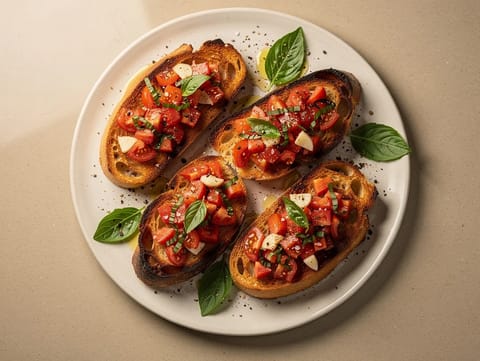
Toasted bread topped with fresh tomato and garlic
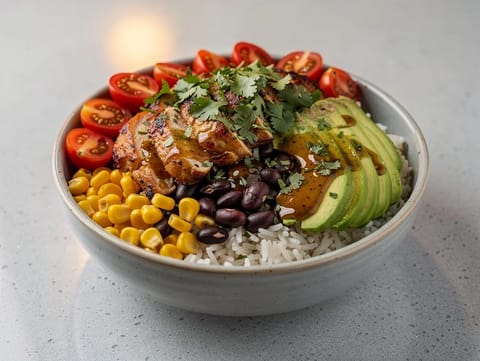
Chicken burrito bowl with rice, black beans, tomatoes and avocado
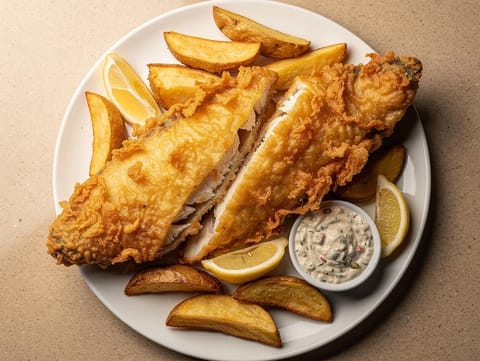
Beer-battered white fish served with chunky chips
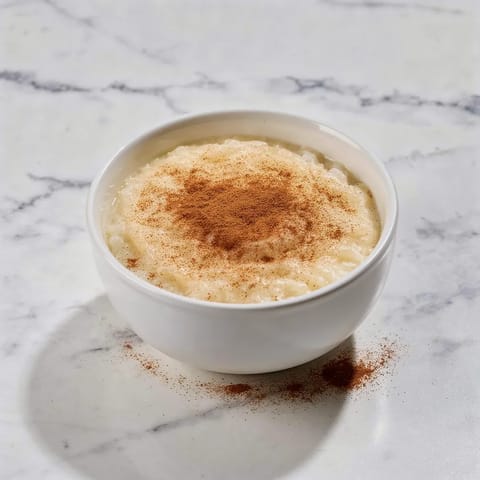
Greek rice pudding with cinnamon, vanilla and lemon zest
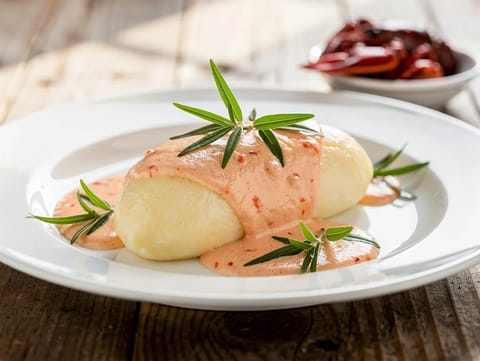
Poached pike dumplings served with creamy crayfish Sauce Nantua
Usually not. Peppery heat is more aromatic and prickly, and it tends to fade faster than chilli heat, which can linger.
A heavy hand, very fine grinding, or adding pepper right at the end can make it sit on the surface. Balancing with fat, salt and a little sweetness can help.
They often soften and lose some bite with heat. Many recipes use them raw or add them at the last moment to keep their character.
Mustard and horseradish heat is sharper and more nose-tingling, while black pepper is warmer and more aromatic on the palate.
It depends on the effect you want. Earlier addition gives a more integrated warmth; late addition gives a brighter, more assertive pepper note.
Peppery recipes work best when the heat has something to lean against, whether that is creaminess, sweetness, or a clean, fresh base. Decide which peppery source you want, then build the rest of the flavours around it.
