
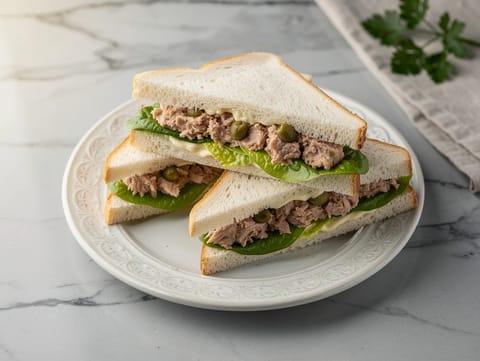
Tramezzini (Italian Crustless Sandwiches) with Tuna
Crustless tuna sandwiches with mayonnaise, capers and lettuce

Salty flavour is more than “well-seasoned”. In salty recipes, salt is a noticeable character, often coming from brined, cured, aged or fermented ingredients as much as from the salt cellar. That can bring extra aromas and textures: think brininess, savoury depth, and sometimes a pleasing chew or crisp edge. Because salt amplifies other flavours, salty dishes often need a clear balancing note, such as acidity, sweetness, starch or fresh vegetables, so the overall taste stays defined rather than simply intense.
A salty profile usually means the dish contains ingredients that carry their own salt load, such as cured meats, salted fish, olives, capers, pickles, soy-based seasonings, or aged cheeses. These ingredients do more than add saltiness: they can add tang, funk, bitterness, smoke, or a particular fat content, depending on the source. It is also worth separating salty from savoury. Savoury is about umami and roasted depth; salty is specifically about salinity and brine-like notes, though the two often travel together. In practice, salty recipes reward careful tasting as you cook, because the salt level can change as liquids reduce or ingredients are combined.
Crustless tuna sandwiches with mayonnaise, capers and lettuce

Slow-roasted pork shoulder with crisp crackling and apple sauce
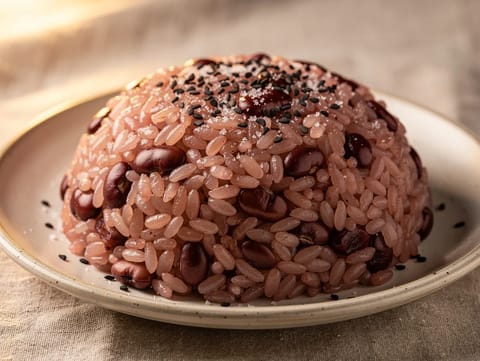
Glutinous rice cooked with adzuki beans and black sesame
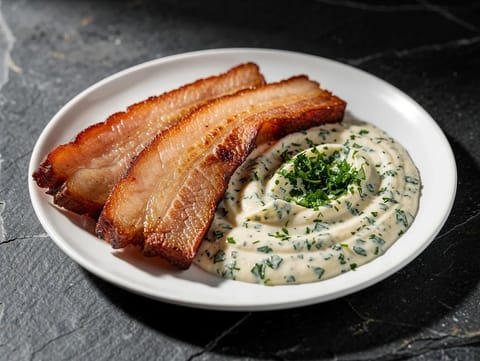
Crispy pork belly with warm parsley sauce
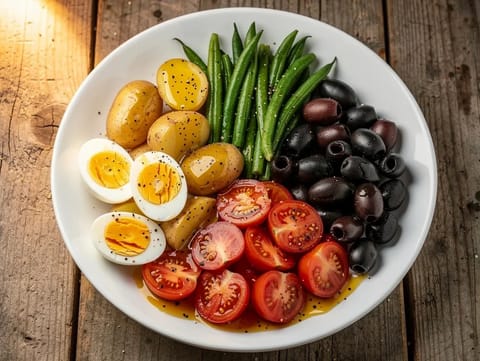
Niçoise-style salad with potatoes, eggs, tomatoes and olives
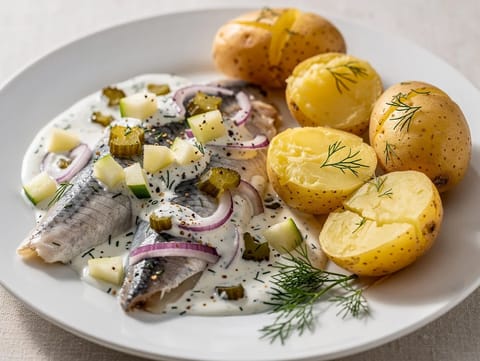
Pickled herring in sour cream with apple and gherkins
Acidity is a natural partner for salt. Lemon, vinegar, tomatoes and wine can make salty ingredients taste brighter and more precise. Starch and bland bases also help, which is why salty toppings and sauces often work well with potatoes, rice, pasta, bread and beans. Sweetness can soften a briny edge, especially with salty cheeses or cured meats, but it is most effective when kept subtle. Texture is part of the balance too: crisp vegetables, leafy greens and fresh herbs can stop salty dishes feeling dense. If a recipe uses several salty ingredients at once, it often needs restraint elsewhere, such as unsalted stock or a lighter hand with added salt.

Prawn rice bowl with avocado, cucumber and sriracha mayonnaise.

Crisp breakfast burrito with eggs, bacon, cheddar and salsa.
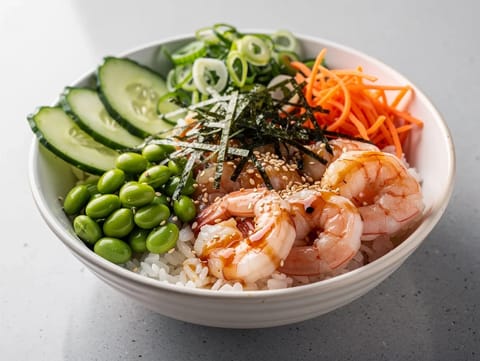
Sushi rice bowl topped with prawns, cucumber and edamame.

Garlic toast topped with ricotta, anchovies and lemon zest

Crisp potatoes topped with runny eggs and Serrano ham
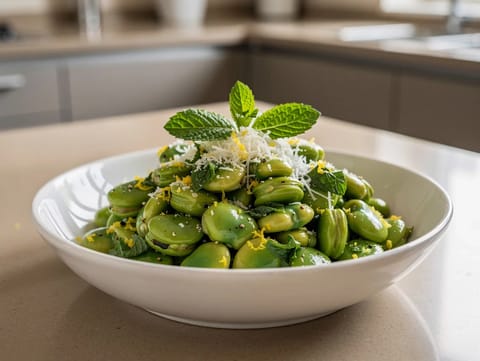
Broad bean salad with pecorino, mint, lemon and olive oil

Toasted bagel with smoked salmon, cream cheese and capers

Crisp breadcrumbed veal with rocket and tomato salad

Pan-seared scallops with cauliflower purée and crispy pancetta
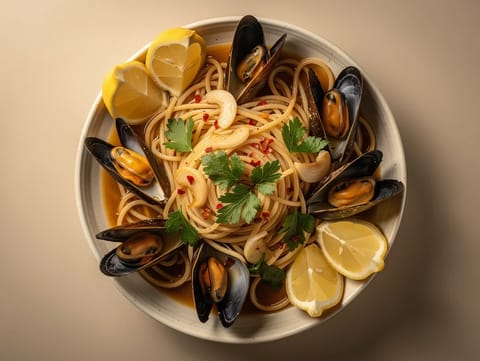
Spaghetti with mussels, garlic and white wine

Vermicelli noodle salad with prawns, herbs, peanuts and nước chấm

Korean pan-fried beef slices in egg coating with soy dip
For a clean, seaside brininess, look for recipes built around olives, capers, anchovy-style seasonings or salted fish, often lifted with citrus and herbs. For a deeper, cured saltiness, recipes using bacon, ham or other cured meats tend to bring smoke and fat as well as salt, so they pair well with beans, greens and robust vegetables. For a rounded, dairy-led saltiness, aged cheeses can make sauces and bakes taste fuller, but they can also tighten textures as they cool, so serving temperature and moisture matter. Whatever the source, it helps to check whether the recipe expects you to add extra salt early, or whether the salty ingredients are meant to do most of the work.
If you know the kind of saltiness you enjoy, browsing by Ingredient helps you choose between briny additions like olives and capers, cured meats, or cheese-led richness. Dish type is useful when you want that salty note in a particular format, such as a salad, pasta, bake or snack.

Coconut cream pie with coconut custard and whipped cream

Baked red peppers stuffed with minced beef, rice and tomato passata

Stir-fried rice with prawns, egg, peas and spring onions
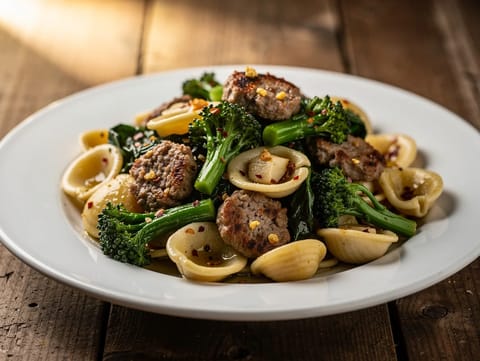
Orecchiette with broccoli rabe, sausage, garlic and chilli

Côte de bœuf served with warm tarragon béarnaise

Whole roast chicken in a yoghurt tandoori marinade

Crisp tostadas topped with smoky chicken tinga and onion

Vegan coconut panna cotta set with agar-agar and vanilla
No. “Salty” here means salt is a prominent flavour, often from brined or cured ingredients. A well-made salty dish still has balance and definition.
They bring different companions to the salt: fermentation, smoke, fat, or acidity. Those extra flavours can make the saltiness feel more intense or more rounded.
Add balance rather than simply diluting. Acidity, fresh herbs, and unsalted starchy components can make a salty dish taste more complete without extra salt.
Often, yes, but it depends on the ingredients and whether liquids reduce. The safest approach is to season gradually and taste once salty ingredients are in the pot.
Salty is about salinity and brine-like notes. Savoury is broader, often referring to umami, roasted flavours and meaty depth, with or without much salt.
Salty recipes work best when you treat the main salty component as the seasoning and build the rest around it. Choose your style of saltiness, then add brightness, starch or freshness to keep the flavour clear.
