
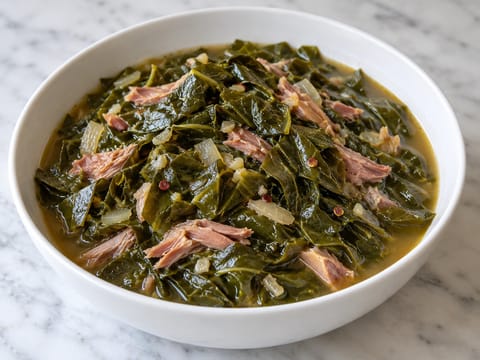
Southern Collard Greens
Slow-simmered collard greens with smoked ham hock

Smoky flavour reads as warmth and depth, but it is as much about aroma as taste. In recipes, it can come from live fire and charring, from smoked ingredients, or from seasonings that suggest smoke without any actual smoking. The format matters: a smoky rub behaves differently from a smoky sauce, and a lightly charred vegetable tastes different from something fully smoked. Knowing where the smokiness is coming from helps you judge how assertive it will be, and what it needs alongside it.
Smokiness is a set of aromas associated with burning wood, toasted spices and browned surfaces. It often shows up with a slight bitterness from char, plus a savoury, almost cured quality when it comes from smoked foods. It does not automatically mean hot-spicy, although smoky chillies can bring both. It also does not guarantee a barbecue style: you can get a smoky note from blistered peppers, well-browned mushrooms, toasted nuts or tea-infused liquids, as well as from smoked paprika, chipotle, smoked salt or smoked fish. The key distinction is between surface smoke (quick, aromatic, sometimes sharper) and deep smoke (rounder, lingering, more likely to dominate).
Slow-simmered collard greens with smoked ham hock
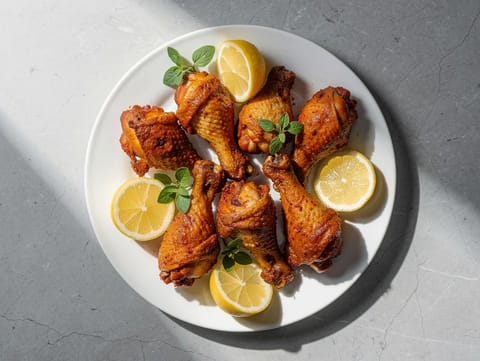
Spiced chicken drumsticks air-fried until crisp and juicy.
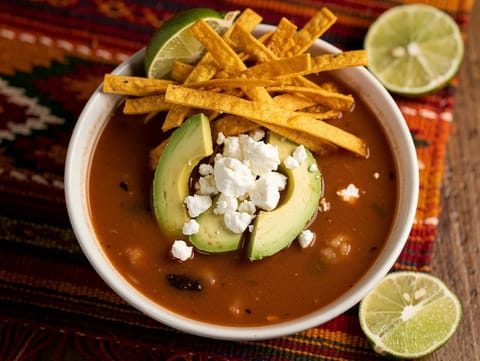
Tomato and chipotle tortilla soup topped with avocado and lime
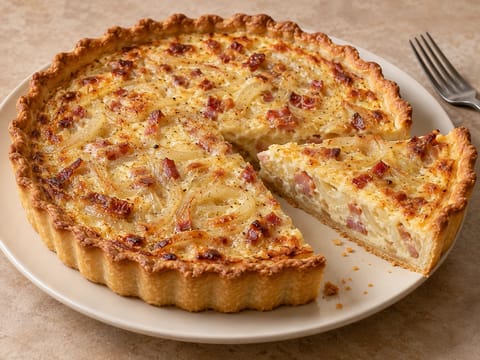
Alsatian onion tart with bacon and crème fraîche custard
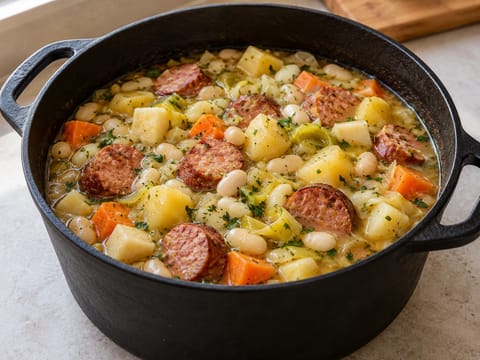
German one-pot stew with smoked sausage, beans and potatoes
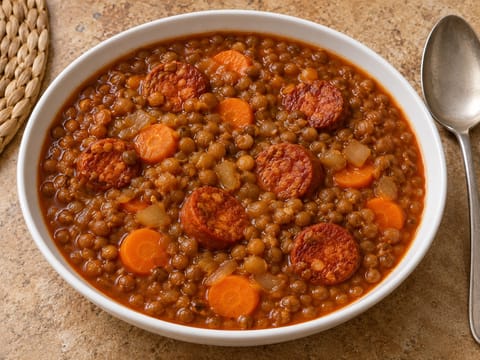
Spanish lentil stew simmered with chorizo, tomato and smoked paprika
Smoky notes tend to feel heavier if there is nothing bright to lift them. A squeeze of citrus, a vinegar-based dressing, pickled onions or a tomato-rich sauce can keep smoke from tasting flat. Sweetness can soften harsh edges, especially where there is char, so think roasted root vegetables, caramelised onions, fruit salsas or a touch of honey or brown sugar in a glaze. Fresh herbs and alliums add contrast: coriander leaf, parsley, spring onions and garlic often sit comfortably next to smoke. Creamy elements can round the aroma, but they also mute it, so use them when you want smoke to be background rather than headline.
German one-pot stew with smoked sausage, beans and potatoes
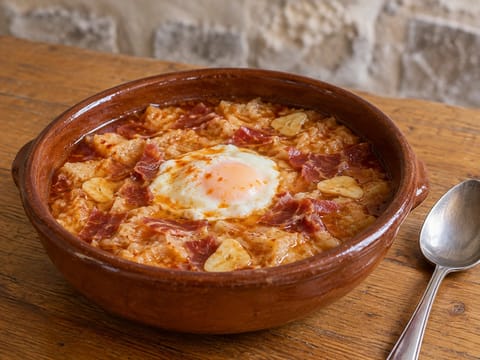
Garlic and bread soup with poached eggs and serrano ham
Slow-simmered collard greens with smoked ham hock
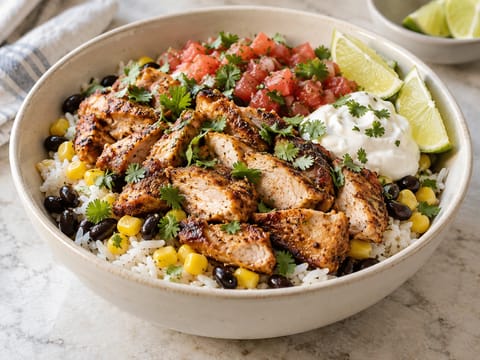
Chicken burrito bowl with beans, rice, sweetcorn, salsa and sour cream.
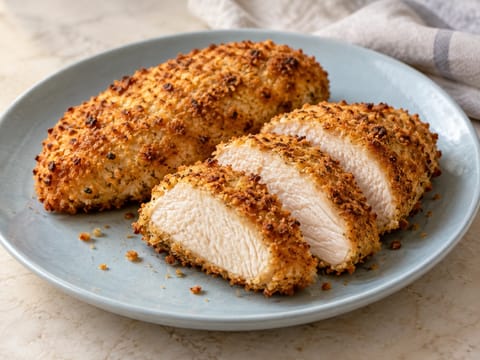
Breaded chicken breast air-fried until golden and crisp.
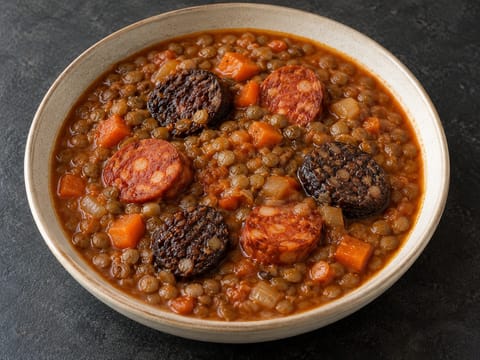
Spanish lentil stew with chorizo and morcilla
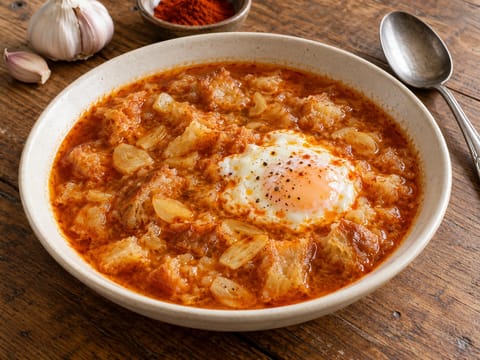
Garlic and bread soup with paprika and poached eggs

Crisp tostadas topped with chicken tinga, crema and lettuce
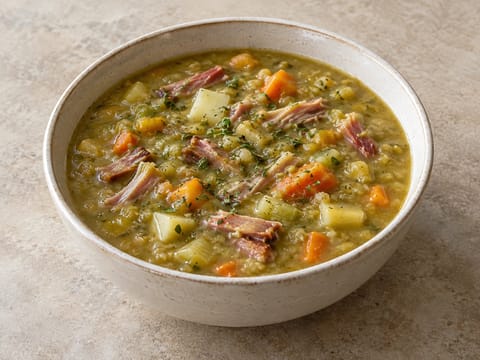
German split pea soup with smoked pork and vegetables
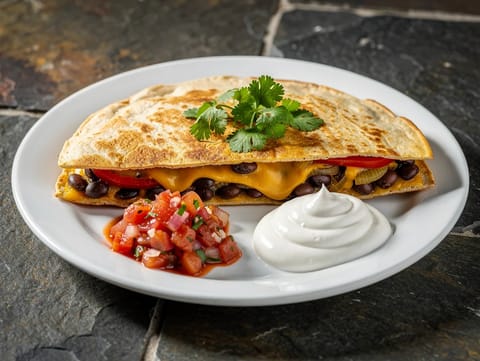
Crisp quesadilla with black beans, cheddar and peppers
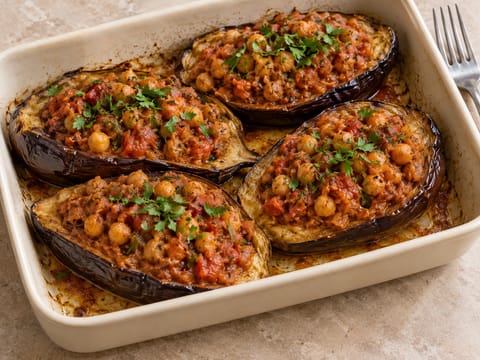
Roasted aubergines stuffed with spiced chickpeas in tomato sauce
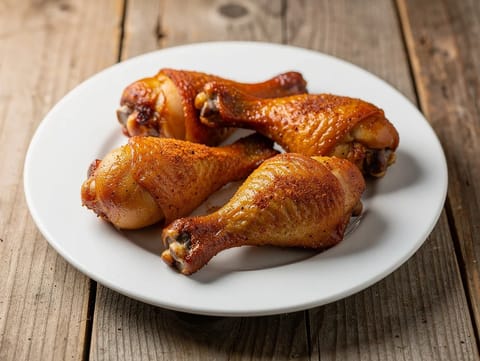
Chicken drumsticks air-fried with garlic and paprika until juicy.
For a clean, modern smokiness, look for recipes that rely on charring or blistering: you get a quick hit of aroma and a little bitterness, with plenty of room for fresh toppings. For deeper, more persistent smoke, smoked meats, fish or cheeses tend to carry the flavour through the whole dish, which suits hearty stews, beans and baked dishes where the smoke has time to mingle. If you want control, smoky spices and salts are the easiest dial to turn up or down, but they can taste one-note if they are not supported by acidity or a browned base. Sauces and marinades spread smoke evenly; rubs and toppings keep it more localised, giving you contrast in each bite.
Smoky flavours often come from a specific ingredient, so browsing by Ingredient is a practical next step when you want to explore smoked paprika, chipotle, smoked fish or charred vegetables. Dish type is equally useful: smoke behaves differently in soups, salads, grills and bakes, and the format will guide how bold the flavour feels.
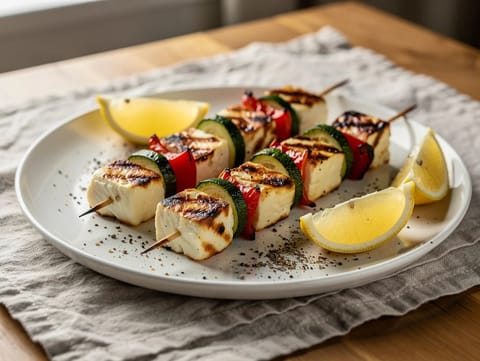
Grilled halloumi skewers with courgette, red pepper and oregano
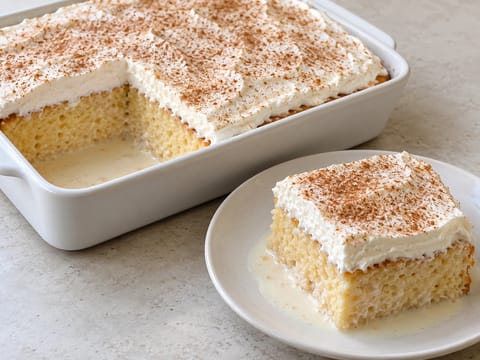
Milk-soaked sponge cake with whipped cream and cinnamon
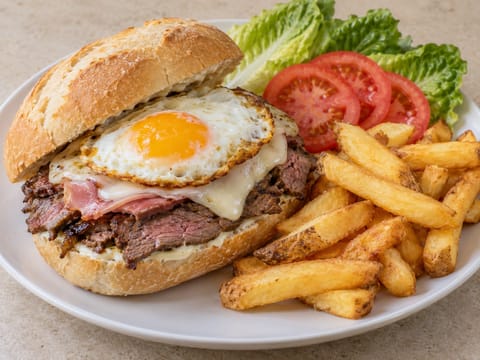
Uruguayan steak sandwich platter with ham, egg, mozzarella and chips
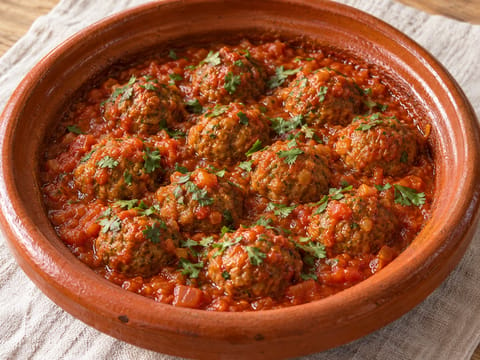
Spiced beef meatballs simmered in a rich tomato sauce
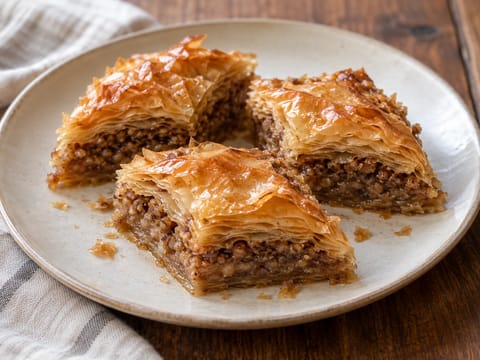
Buttered phyllo baklava layered with spiced walnuts and honey syrup
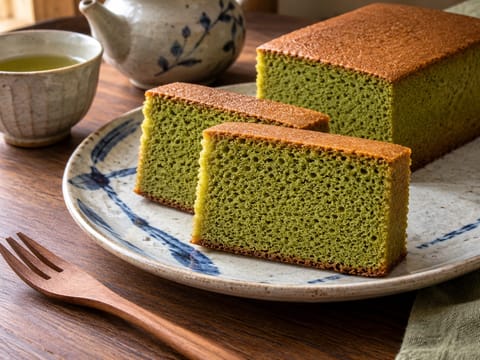
Matcha castella sponge cake with honey

Watermelon agua fresca blended with lime and chilled over ice
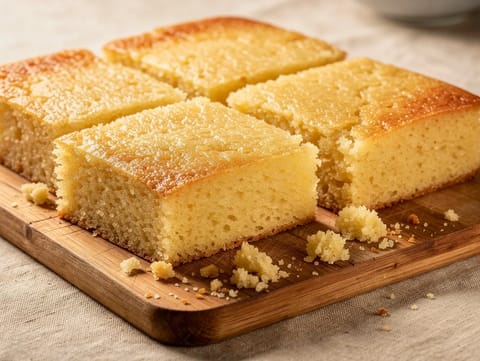
Greek revani semolina cake soaked in lemon syrup
Not necessarily. Some recipes get smokiness from charring under a grill, from smoked ingredients (like smoked fish or cheese), or from seasonings such as smoked paprika. The source affects how intense and lingering it tastes.
Bitterness usually comes from charred surfaces or very dark toasting. A little bitterness can be pleasant, but it becomes harsh if the food is over-charred or if there is no acidity or sweetness to balance it.
Keep the smoky element concentrated rather than everywhere, and add a bright counterpoint such as citrus, vinegar, tomatoes or pickles. Using smoke as a finishing touch, rather than the base, also helps.
They are separate sensations. Smoke is an aroma and flavour; heat is a physical burn from chilli compounds. Some smoky ingredients are also hot, but you can have smoky dishes with no heat at all.
Smokiness reads clearly against crisp edges and browned surfaces, and it also works well in slow-cooked, saucy dishes where it can permeate. Very delicate textures can lose the smoky note unless it is used lightly.
When you choose a smoky recipe, decide whether you want a quick, charred edge or a deeper, cured-style smokiness. Then build in contrast, usually acidity and something fresh, so the aroma stays vivid rather than heavy.
