
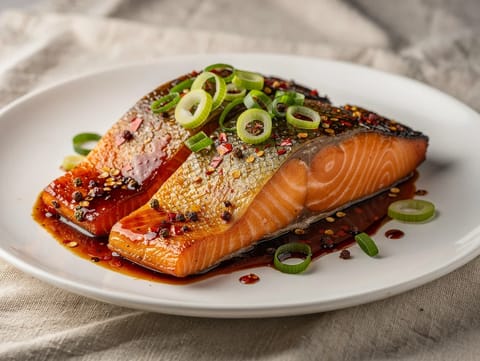
Sichuan Glazed Salmon
Pan-seared salmon with a sticky Sichuan-style soy glaze

Medium spice is the sweet spot where chilli warmth is clearly present but leaves room for other flavours. It suits dishes where you want a gentle glow rather than a full-on burn: enough heat to lift a sauce, wake up a bowl of noodles, or give roasted vegetables a little edge. The experience depends on the recipe’s structure. A creamy base softens heat; a tomato or vinegar base makes it feel brighter; a dry spice blend gives you pockets of warmth rather than an even burn.
Medium-spicy food usually delivers warmth that builds gradually and stays comfortable, rather than spiking sharply. It often relies on chillies used for flavour as much as heat, alongside aromatics such as garlic, ginger, onions and toasted spices. Because the heat is not the only headline, you are more likely to notice the supporting flavours: smokiness from dried chillies, sweetness from ripe peppers, or savoury depth from fermented chilli pastes. Medium spice also plays well with texture. Crisp toppings, fresh herbs and crunchy vegetables can make the warmth feel lighter, while slow-cooked sauces and braises make it feel rounder and more enveloping.
Pan-seared salmon with a sticky Sichuan-style soy glaze
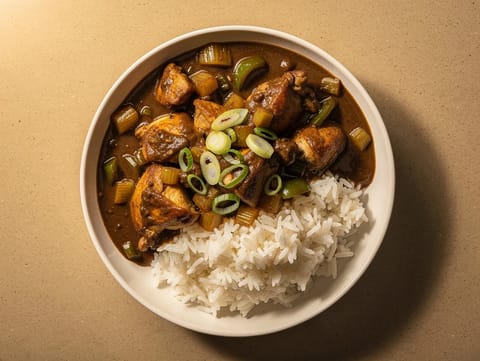
Cajun chicken étouffée with dark roux served over rice
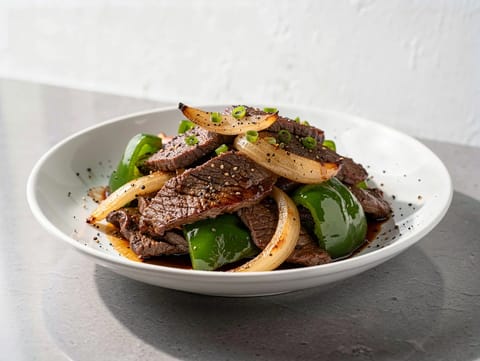
Peppery beef stir-fry with green pepper, onion and glossy sauce
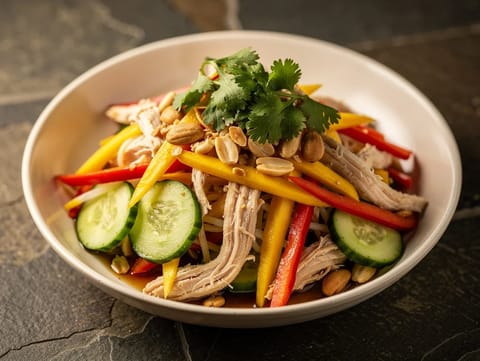
Thai chicken salad with mango, cucumber and peanuts
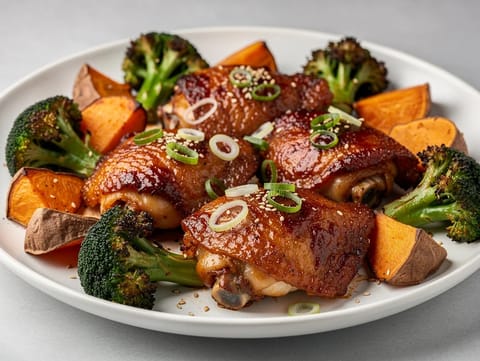
Gochujang chicken traybake with sweet potato, broccoli and sesame
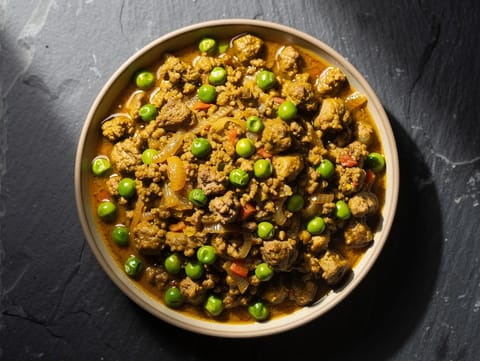
Minced lamb and pea curry simmered in onion and tomato masala
For cosy, steady warmth, look for medium-spicy recipes with a rich base such as coconut milk, yoghurt, nut pastes or long-cooked onions. The fat and body spread the heat evenly and keep it from feeling sharp. For a brighter, more awake kind of spice, recipes built around tomatoes, citrus or vinegar tend to taste fresher, with heat that feels more immediate. If you prefer control bite by bite, choose dishes where chilli is used as a topping or finishing oil, so you can mix it in gradually. Dry spice blends and rubs often give a toastier warmth, especially when paired with roasted or grilled foods.
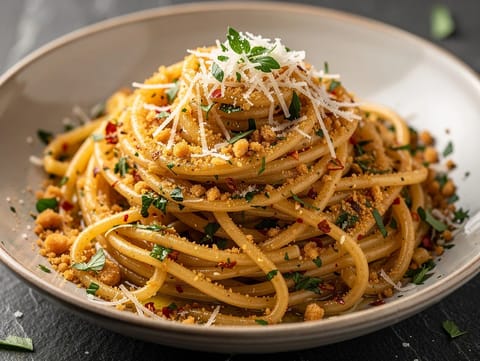
Sicilian spaghetti with garlic, chilli and toasted breadcrumbs
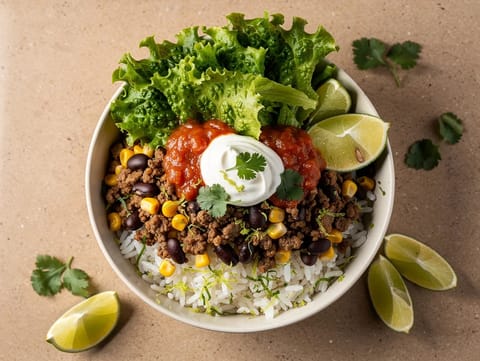
Taco bowl with lime rice, minced beef and black beans
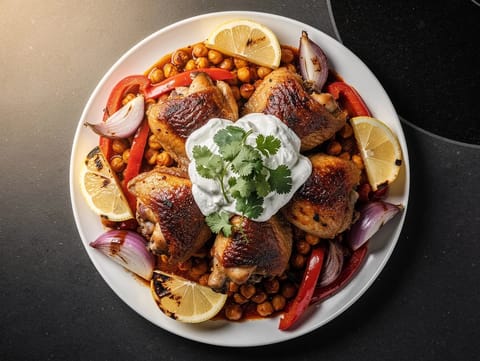
Harissa chicken traybake with chickpeas and peppers
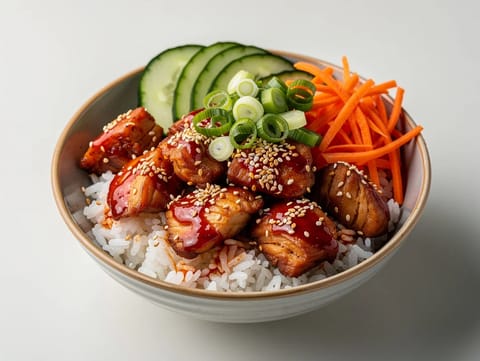
Spicy gochujang chicken bowl over sushi rice with vegetables.
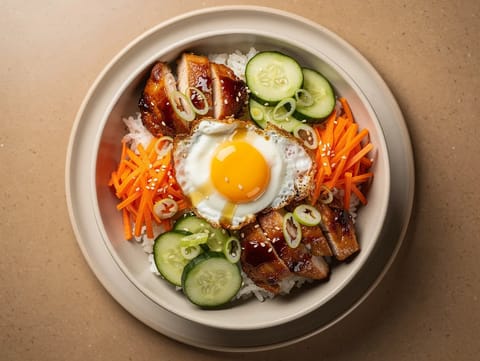
Chicken and rice bowl with gochujang soy glaze.
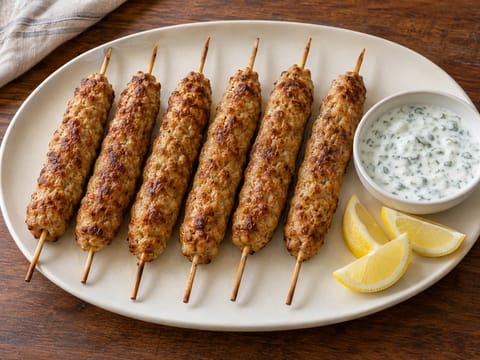
Juicy air-fried Indian chicken kebabs with mint yoghurt.
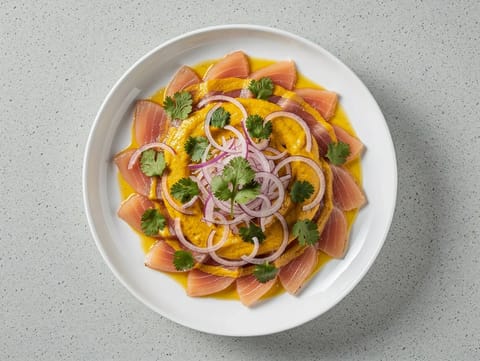
Tuna tiradito with lime, aji amarillo and red onion
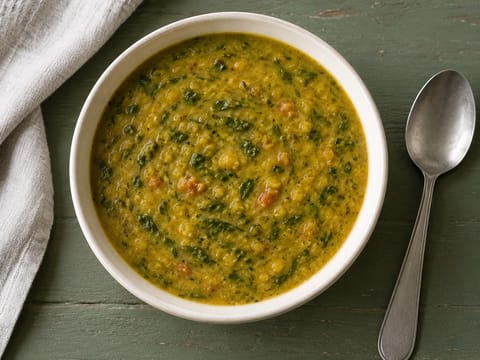
Vegan spinach and red lentil soup with cumin and garlic
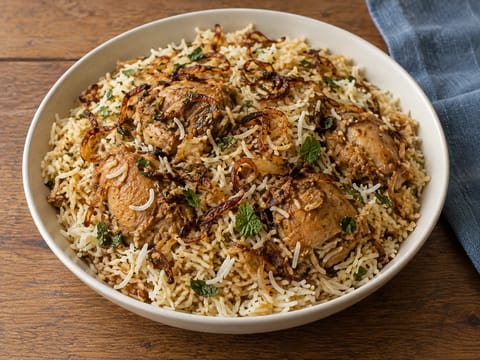
Layered Malabar chicken biryani with basmati rice and spices
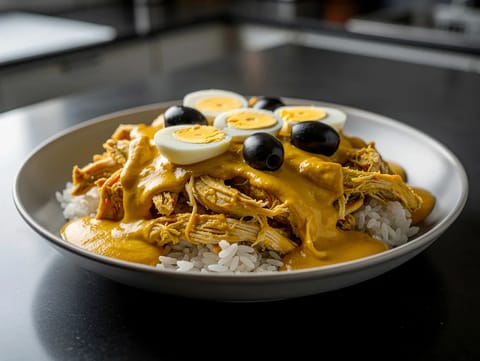
Creamy chicken stew with aji amarillo, walnuts and Parmesan
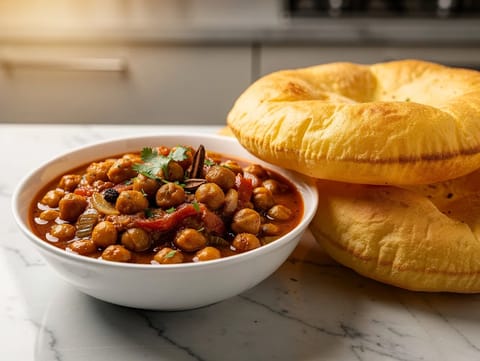
Spiced chickpeas with puffed fried bread made with yoghurt
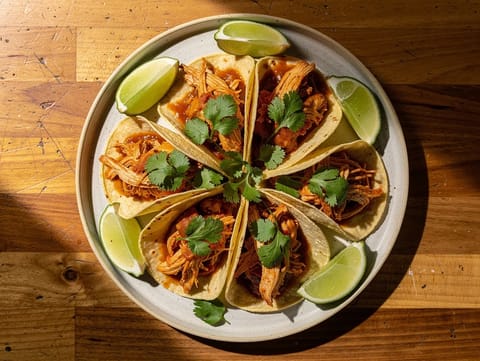
Tacos filled with shredded chicken tinga and chipotle sauce
Medium spice can be delivered in several familiar ways. In saucy dishes, it is often integrated into the base, so every spoonful carries the same level of warmth. In stir-fries and roasted dishes, heat may sit more on the surface, especially if chilli flakes or a spice mix is added late. In soups and broths, spice can feel cleaner and more direct, because there is less fat to cushion it, but it may fade faster between bites. You may also find medium spice used as a counterpoint to sweetness, for example in glazes, chutneys or fruit-forward sauces, where the warmth keeps the overall flavour from tipping too sugary.
Dish type is a helpful next step for medium spice, because the same level of chilli can feel very different in a creamy curry, a dry rub, or a brothy soup. Ingredient browsing is useful when you want a particular kind of warmth, such as fresh chilli brightness, dried chilli depth, or the savoury punch of chilli pastes.
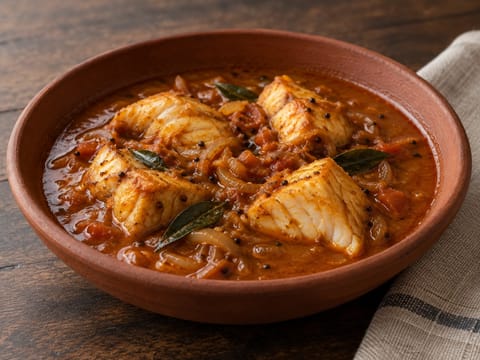
Kerala-style fish curry in a tamarind and tomato gravy
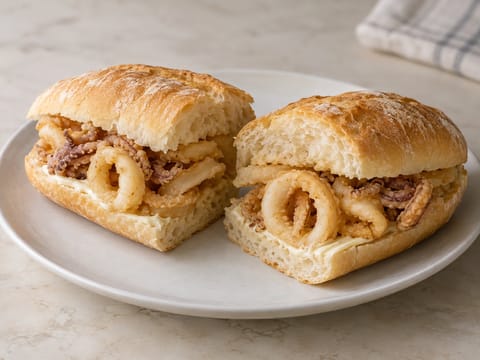
Fried squid sandwich with lemon and mayonnaise

Thin crêpes filled with ham and melted Gruyère
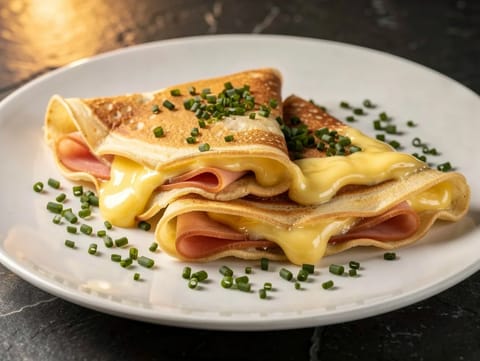
Golden savoury pancakes with ham and melted Emmental
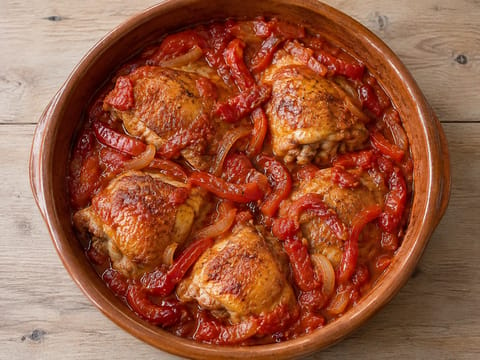
Chicken braised with peppers and a tomato-based sauce
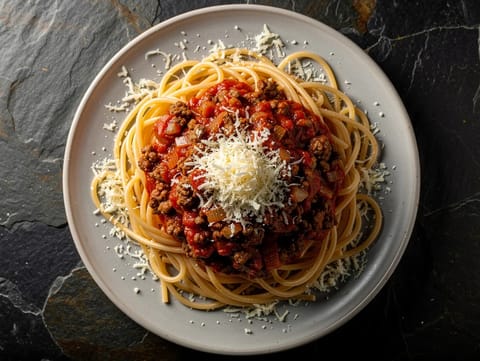
Greek spaghetti with minced beef, tomato and cinnamon
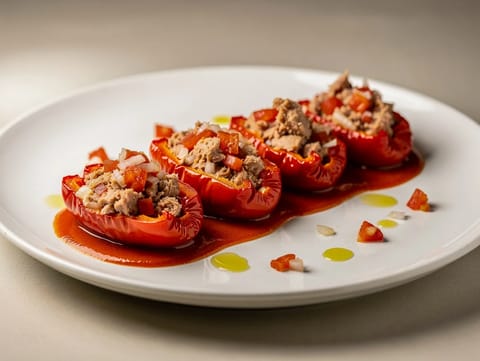
Piquillo peppers stuffed with tuna, onion and tomato
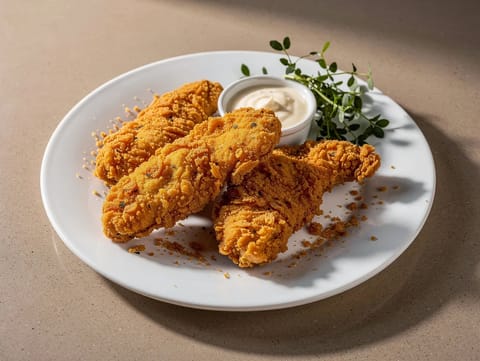
Buttermilk-marinated chicken tenders cooked crisp in the air fryer.
Medium spice is usually more noticeable and longer-lasting. Mild spice tends to sit in the background, while medium spice is part of the main flavour, even when the dish is well balanced.
Fat, sweetness and temperature all change how heat is perceived. Creamy or oily dishes often feel gentler; acidic broths can make heat feel brighter; very hot food can intensify the sensation.
Serving it with a cooling element (like yoghurt), a starchy base (like rice or bread), or a crisp salad can make the overall meal feel less spicy without altering the main dish.
Not necessarily. “Spicy” here refers to chilli heat. A dish can be medium-hot with relatively simple seasoning, or gently hot with lots of aromatic spices.
Creamy elements, citrus, tomatoes, herbs and a touch of sweetness are common partners. They help the warmth feel rounded and keep the flavour from becoming one-dimensional.
Medium-spicy recipes are at their best when the chilli is integrated rather than dominating. Choose a style, creamy, bright or dry, then add the contrasts that make warmth feel comfortable: something fresh, something cooling, or a steady base.
