
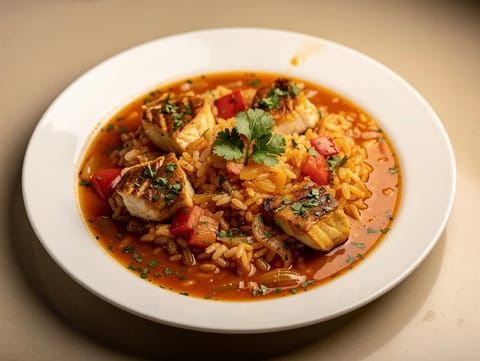
Arroz de Tamboril (Portuguese Monkfish Rice)
Portuguese monkfish rice simmered in tomato and white wine

Tangy is the kind of sharp, lively acidity that makes food taste awake. It can come from citrus, vinegar, yoghurt and other fermented dairy, or sour fruits, and it often shows up as a clean finish that keeps richer ingredients from feeling heavy. Tanginess is not the same as “sour” in the mouth-puckering sense; it is usually rounded by salt, sweetness, fat or aromatics so the flavour reads as bright rather than harsh.
Tanginess is a balance point: enough acidity to cut through, but not so much that it dominates. In practice, it often arrives alongside a little sweetness (think honey-mustard style dressings), a creamy element (yoghurt sauces, cultured dairy dips), or savoury depth (soy, miso, browned meat juices) that stops the acidity tasting thin. The same ingredient can read more or less tangy depending on how it is used. Lemon zest gives fragrance with only a hint of sharpness; lemon juice brings immediate bite. Vinegar added early can mellow as it cooks, while a final splash stays more pointed.
Portuguese monkfish rice simmered in tomato and white wine
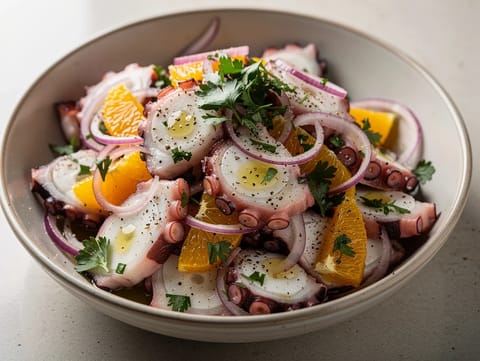
Chilled octopus salad with orange, lemon and parsley
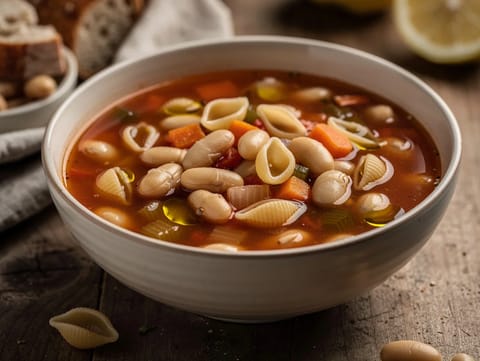
Italian vegan bean and pasta soup with tomatoes and herbs
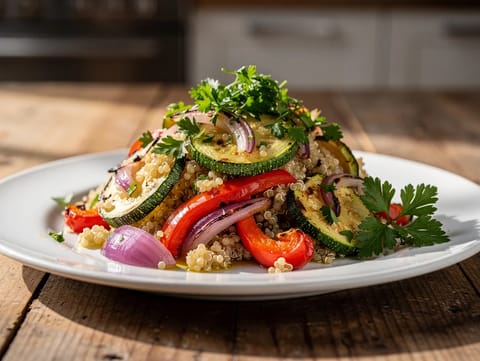
Quinoa salad with roasted courgette, pepper and onion
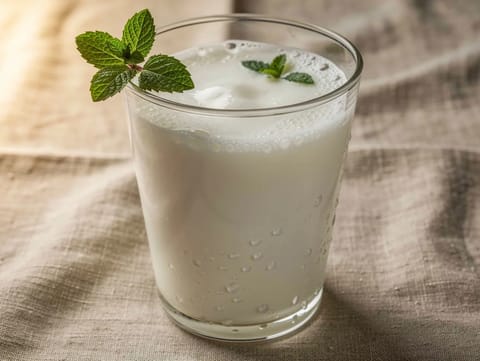
Chilled Turkish yoghurt drink whisked with water and salt
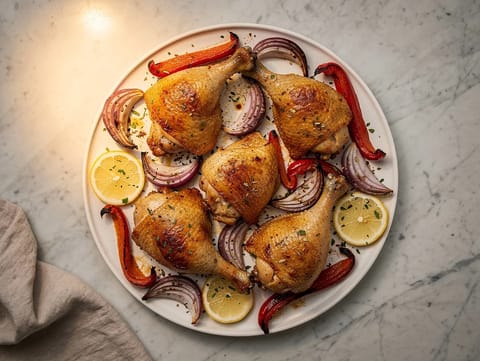
Sheet-pan chicken with yoghurt, lemon, onion and red pepper
Tangy flavours pair naturally with fat and starch because acidity cuts richness and resets the palate. Creamy cheeses, oily fish, roast meats, eggs and avocado all take well to a squeeze of citrus or a yoghurt-based sauce. Sweetness is another common partner: fruit, caramel notes, or a small amount of sugar can round the edges of vinegar or citrus without making a dish taste sweet. For a more savoury direction, combine tang with alliums, herbs and warm spices. Garlic, dill, coriander, cumin and black pepper often make acidity feel fuller and more aromatic rather than simply sharp.
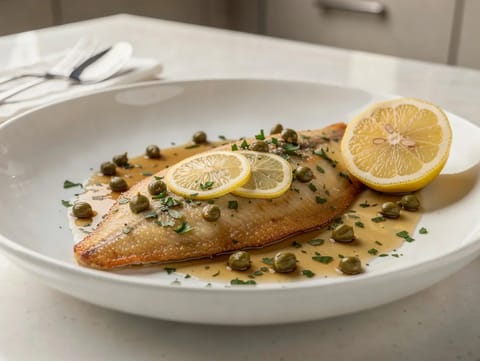
Pan-fried sole with browned butter, capers and lemon
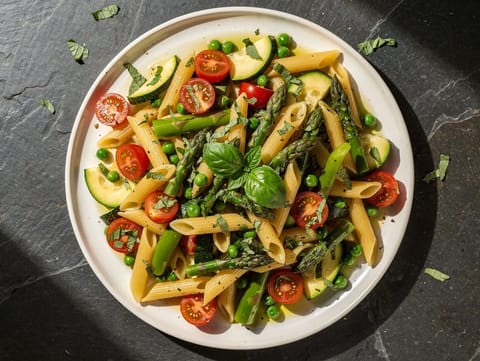
Vegan penne with sautéed spring vegetables and lemon
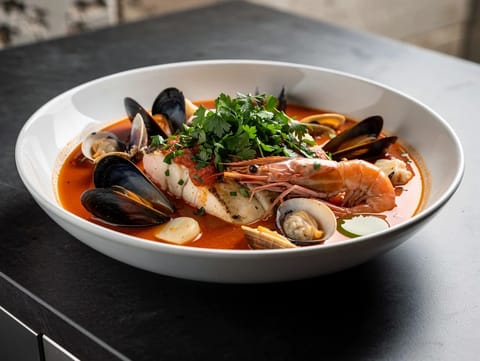
Tomato fish soup with mixed seafood, white wine and parsley
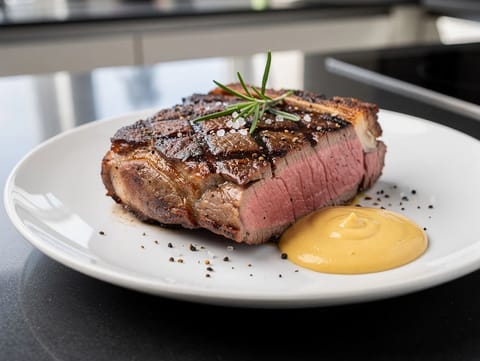
Côte de bœuf served with warm tarragon béarnaise
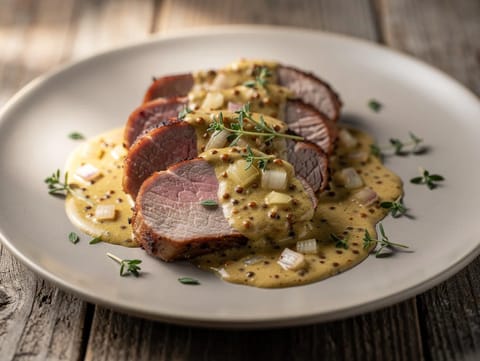
Pan-seared pork in a Dijon mustard and cream sauce

Oven-baked pork ribs served with mojo picón sauce
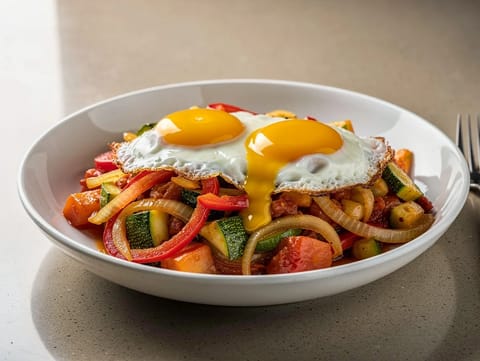
Spanish pisto with tomatoes, peppers, courgettes and fried eggs

BBQ chicken salad with sweetcorn, tomatoes, red onion and cheddar
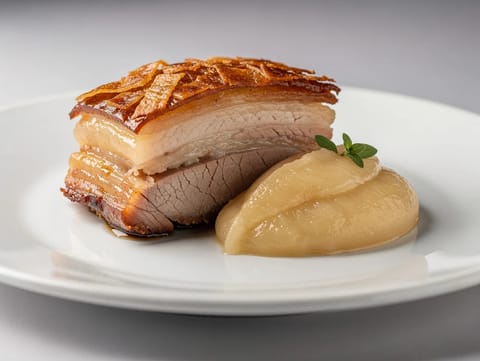
Roast pork belly with crackling and apple sauce
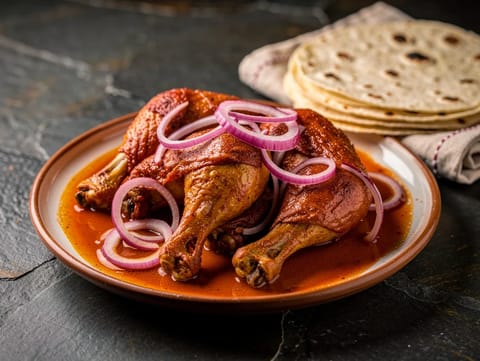
Achiote-roasted chicken thighs with orange and red onion

Cobb salad with chicken, avocado, bacon and hard-boiled eggs
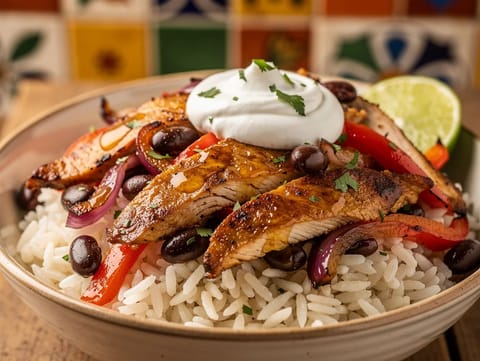
Chicken fajita bowl with rice, peppers, black beans and lime
If you want clean, fresh tang, look for recipes built around citrus juice and zest, or quick vinaigrettes where the acidity stays bright. For a softer, creamy tang, cultured dairy tends to give a gentler acidity and a thicker texture, which suits dips, marinades and spoonable sauces. Vinegar-led tang is usually more direct and can be adjusted precisely, which is useful for pickled elements, slaws and sharp pan sauces. Pay attention to when the acid is added: early additions often integrate and mellow, while late additions taste more vivid. If a dish already contains salty or fermented ingredients, you may need less acid for the same “lift”.
If you know the ingredient that gives the tang you like, browsing by Ingredient helps you compare how lemon, yoghurt or vinegar behave across different formats. If you are choosing a dish to carry that sharpness, Dish type is useful for spotting where tang tends to be central, such as dressings, dips, slaws and sauces.
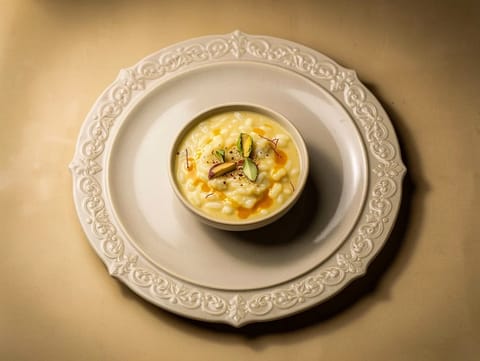
Creamy kheer made with basmati rice, milk, cardamom and saffron

Juicy pork tenderloin with a honey mustard glaze
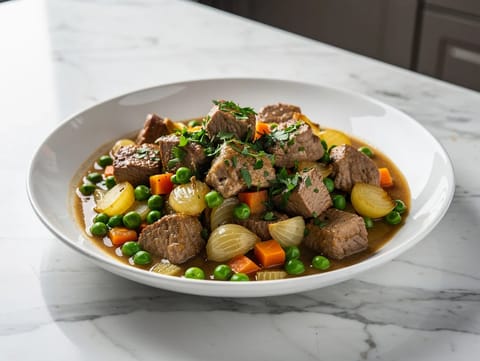
Veal and pea stew finished with a splash of white wine
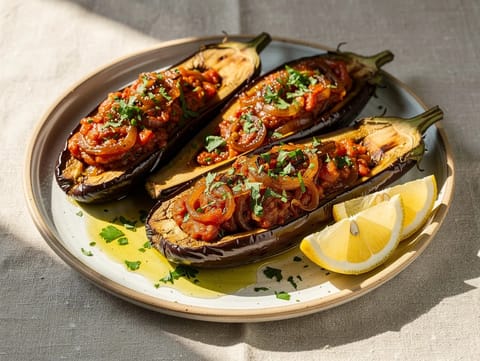
Baked stuffed aubergines with tomato, onion, garlic and parsley
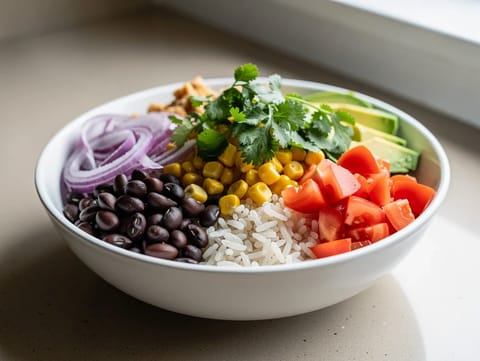
Cumin-lime rice bowl with black beans, salsa and avocado
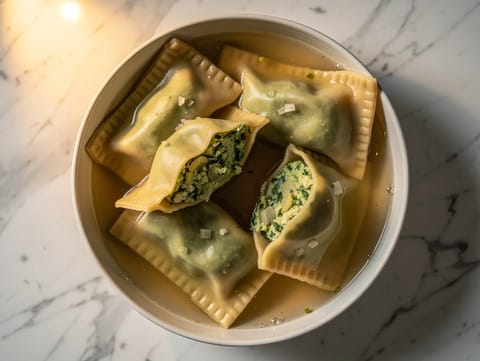
Maultaschen pasta parcels with spinach and ricotta
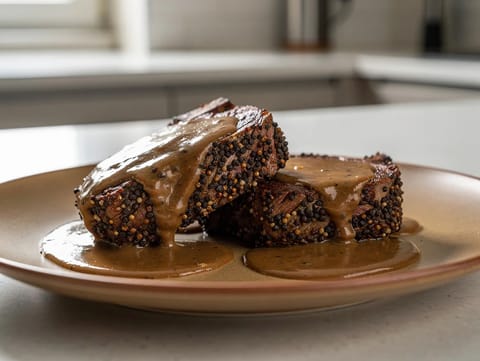
Pepper-crusted steak with a cognac and cream pan sauce

Steak sandwich with fried egg, bacon, tomato and mayonnaise
They overlap, but “tangy” usually suggests acidity that is balanced and appetising, rather than a single-note sourness. Salt, sweetness, fat and aromatics often make the difference.
Common sources include citrus juice and zest, vinegars, yoghurt and other cultured dairy, and sour fruits. Some fermented ingredients contribute acidity as well as savoury depth.
Acidity cuts through fat on the palate and makes flavours taste clearer. It does not remove richness, but it changes how quickly the mouth feels “coated”.
Harshness often means the acidity is unbalanced. A little sweetness, more fat (such as yoghurt or oil), or extra aromatics can round it out. Adding acid gradually also helps.
Often, yes. Heat can soften the sharp edge of some acids and integrate them into the dish. A final squeeze of citrus or splash of vinegar will usually taste brighter than an early addition.
They can. Cultured dairy and citrus are common ways to add a gentle tang that keeps sweet bakes from tasting flat, though the effect depends on the recipe and how much acidity is used.
When you choose tangy recipes, you are usually choosing contrast: sharp against creamy, bright against rich, crisp against soft. Start by noticing the source of acidity and when it is added, then use salt, sweetness and fat to keep the flavour lively rather than aggressive.
