
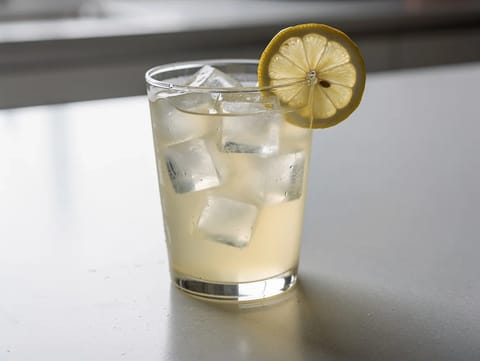
Citron Pressé (Fresh Lemonade with Sugar Syrup)
Fresh lemon juice drink mixed with sugar syrup and cold water

An afternoon snack sits in a slightly awkward gap: too early for dinner, but often long after lunch. The most useful recipes here are the ones that feel deliberate rather than accidental, with enough substance to carry you through without turning into a full meal. Think in terms of texture and portionability: something you can eat in a few bites, that holds up on a plate or in a hand, and that tastes good at room temperature as well as straight from the fridge.
Afternoon snack recipes are defined more by timing than by a single style of food. They can be sweet or savoury, cooked or no-cook, but they usually share two practical traits: they are quick to serve and easy to stop eating. Compared with breakfast, the flavours can be more varied and less tied to “morning” ingredients. Compared with a late-night snack, there is often more appetite for crunch, freshness and a little acidity, rather than something purely soothing. If you are choosing between similar recipes, look for ones that are naturally portioned, such as small bakes, sliced bars, dips with a clear vehicle, or fruit-and-dairy combinations that don’t need last-minute assembly.
Fresh lemon juice drink mixed with sugar syrup and cold water
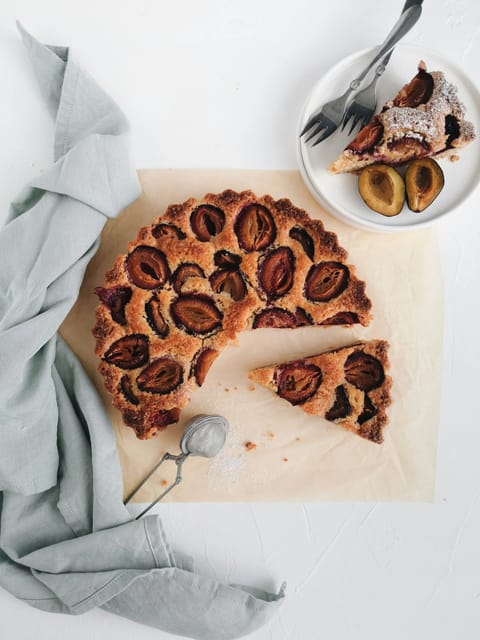
German yeast plum cake topped with fresh plums and cinnamon sugar
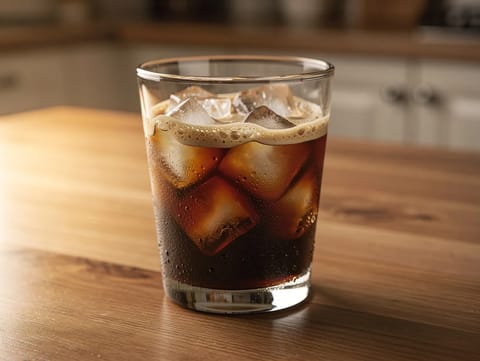
Strong iced Turkish coffee poured over ice after cooling
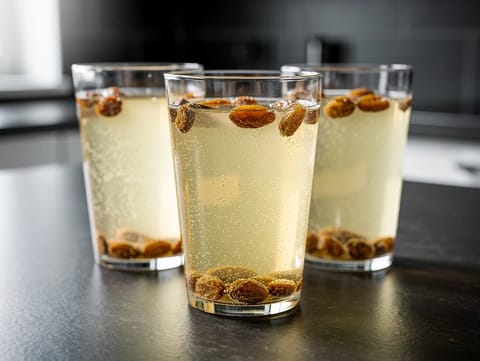
Finnish lemon sima, lightly fermented and served chilled with raisins
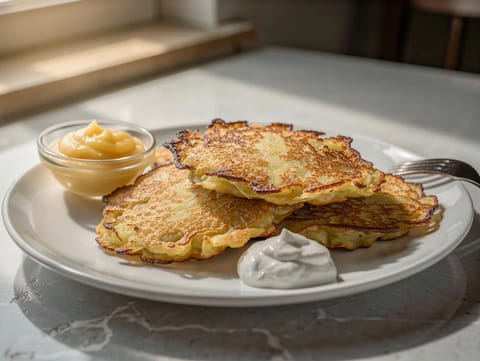
Crisp German potato pancakes with onion, egg and flour
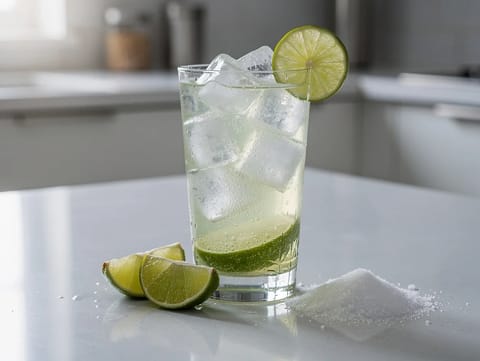
Fizzy lime drink with sugar, salt and ice
If dinner is still a while off, a filling snack usually needs a balance of protein, fat or fibre, not just sweetness. Nuts, yoghurt, cheese, eggs, beans and wholegrains tend to keep their shape and satisfaction better than very light cakes or plain fruit on its own. If you want something that feels fresh, reach for snacks built around crisp fruit and vegetables, citrus, herbs, or lightly dressed salads that can be eaten in small portions. For comfort without heaviness, baked snacks and warm-toasted options often work well, especially when they include a little spice, cocoa or toasted grains. And if you are snacking while working, choose recipes that are tidy: fewer crumbs, less drippy sauce, and flavours that won’t linger too aggressively.

Baked battered cauliflower bites tossed in hot sauce and butter
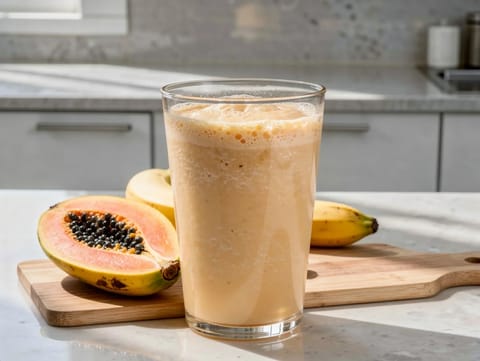
Papaya and banana smoothie with yoghurt, lime and coconut milk.
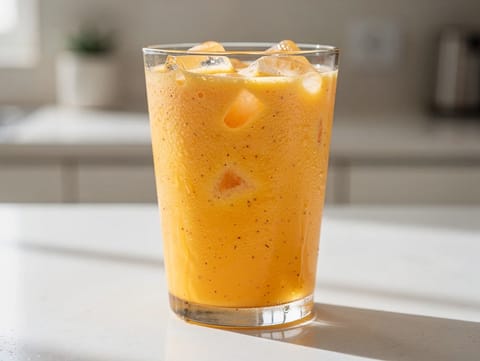
A creamy orange and date smoothie with cinnamon.
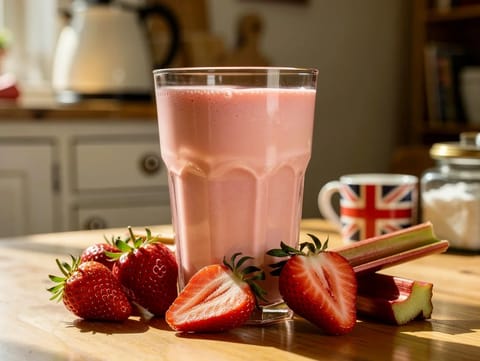
A tangy rhubarb and strawberry smoothie with yoghurt and milk.
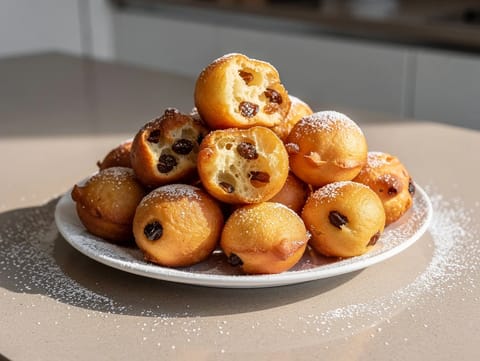
Yeasted Venetian fritters with raisins, fried and dusted with sugar
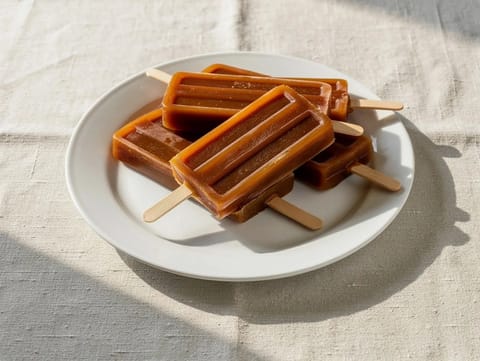
Tangy tamarind paletas with chilli and lime

Chilled ginger beer with lime, cinnamon and cloves
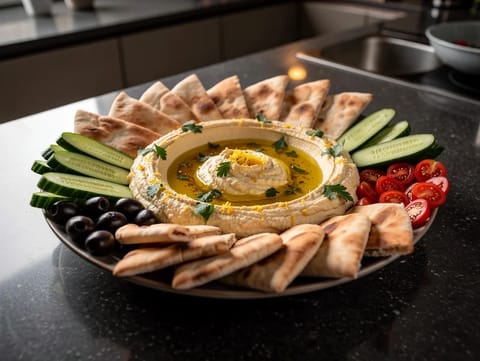
Hummus platter with spiced olive oil, pitta and vegetables
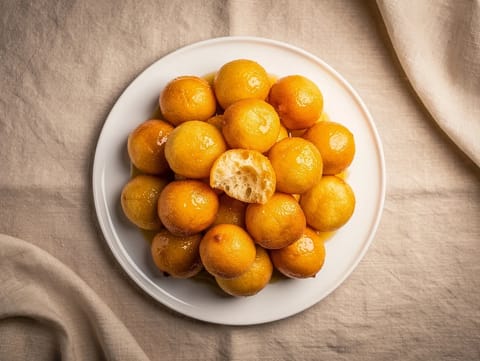
Yeast raised fried dough bites soaked in lemon sugar syrup

Mint iced tea made with black tea, sugar and fresh mint
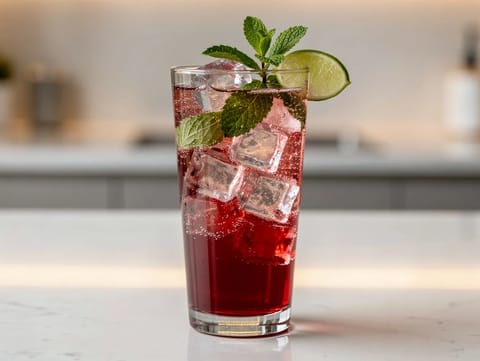
Pomegranate spritzer with mint, lime, honey and sparkling water
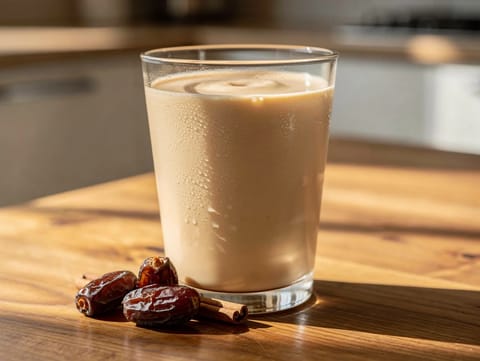
Creamy date smoothie with milk, yoghurt, honey and cinnamon
This is a natural home for small, self-contained bites: slices, muffins, biscuits, energy-style bars and other bakes that can be portioned cleanly. You will also see snack plates and simple combinations where the “recipe” is really a smart pairing, such as fruit with a creamy element, or vegetables with a dip. Some afternoon snacks lean savoury and substantial, like toast-based ideas, small fritters, or quick pan-cooked bites that are good warm but still fine once they cool. Drinks can also belong here when they function as a snack, for example thick smoothies or blended drinks that include yoghurt, oats or nut butter rather than being purely refreshing.
If you want snacks that feel more like a mini meal, browsing by Course can help you find small plates, baking and drinks that fit the same slot. For a more practical sort, Cooking time is useful when you need something you can make between meetings, school pick-up or the end of the working day.
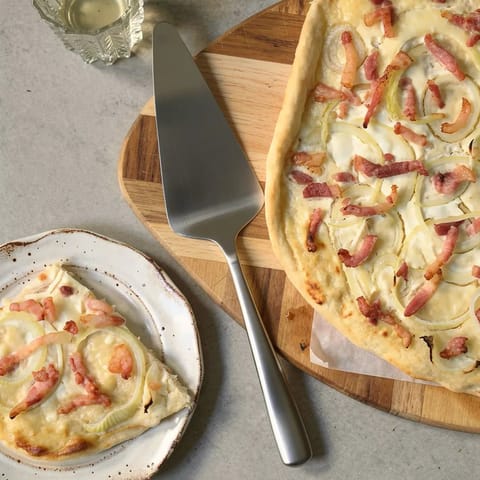
Thin, crisp flatbread with crème fraîche, onion and bacon
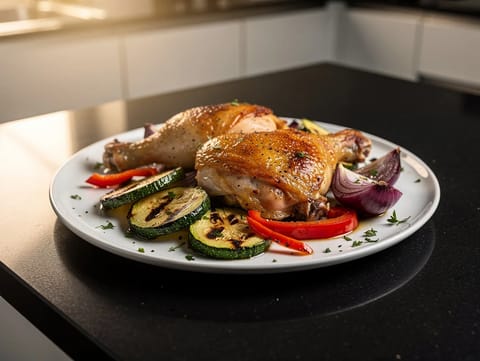
Air-fried chicken thighs with courgette, peppers and red onion.
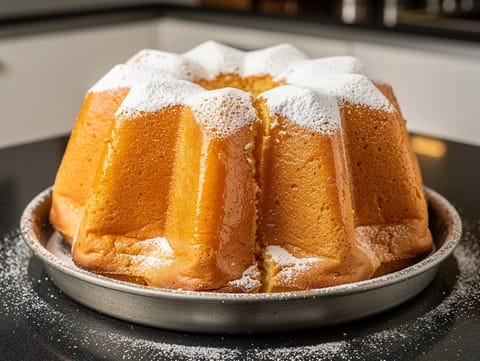
Buttery Italian Christmas cake dusted with icing sugar
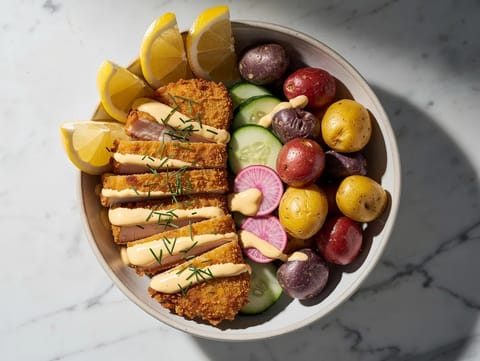
Crispy pork schnitzel bowl with potatoes and mustard yoghurt dressing
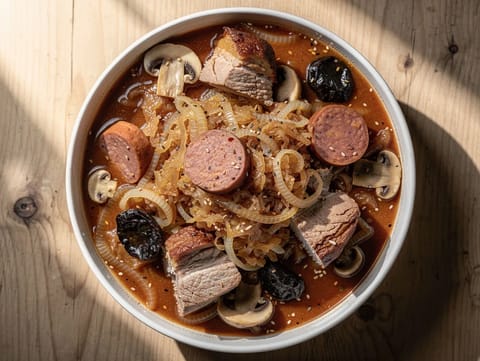
Polish stew with sauerkraut, cabbage, pork and smoked sausage
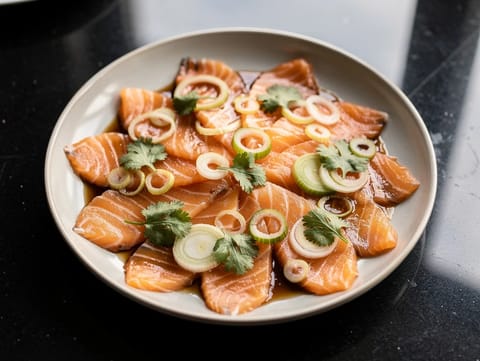
Chilled salmon tiradito with ponzu dressing and sesame oil
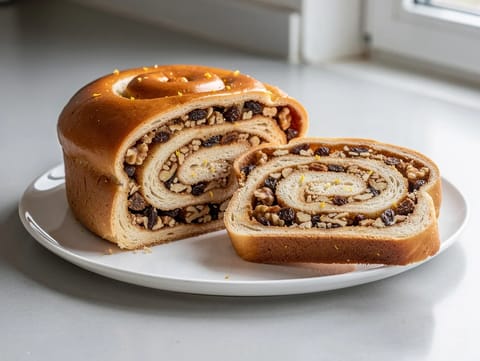
Friulian sweet spiral loaf with nuts, raisins and rum
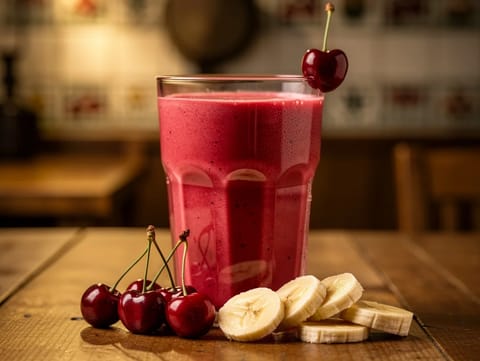
Cherries blended with yoghurt, milk and banana until smooth.
Dessert is usually the planned sweet finish to a meal. An afternoon snack is about bridging the gap between meals, so it often needs to be more portionable and, if you want it to last, a little more substantial.
Either can work. Sweet snacks tend to feel lighter and quicker; savoury snacks often satisfy for longer. The more useful question is whether you need freshness, comfort, or staying power.
Look for smaller portions and brighter flavours: fruit, vegetables, yoghurt, or lightly seasoned bites. Very rich, very salty, or very large snacks are more likely to feel like a meal.
Often, yes. Bakes such as muffins, slices and biscuits are easy to portion and travel well, and they taste good at room temperature, which suits the way afternoon snacks are commonly eaten.
Choose something that holds together: bars, sliced bakes, thick yoghurt-based snacks, or vegetables with a thicker dip. Avoid very flaky pastries or anything with a runny sauce if you need to keep it neat.
Start by deciding whether you need something crisp and refreshing or something that will genuinely carry you through. Once you know that, the right afternoon snack recipe is usually the one that portions cleanly and tastes good without fuss.
