
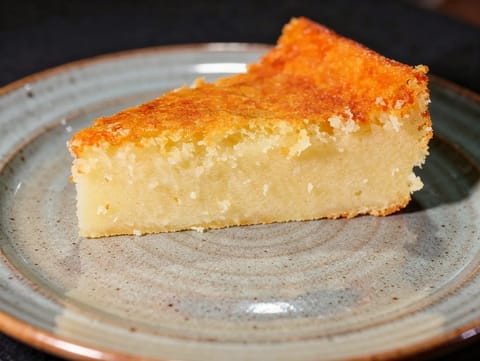
Toucinho do Céu (Portuguese Almond Cake)
Dense Portuguese almond cake finished with icing sugar

Tea time is an eating moment built around a pause rather than a full meal. It suits recipes that are easy to share, pleasant in small portions and forgiving about timing, because they may sit on a plate while the kettle boils and the conversation continues. The range can be sweet or savoury, baked or no-cook, but the common thread is scale: pieces you can pick up, slice or nibble, with flavours that pair naturally with tea.
Tea time recipes are typically snacks and small bakes served with tea, often in the afternoon. They can include biscuits, cakes, buns and pastries, as well as savoury bites such as sandwiches, scones with savoury fillings, or small pastries. What matters most is how the food behaves on the table: it should be easy to portion, not too messy, and still taste good once it has cooled. Tea time also tends to favour gentle sweetness, warm spices, buttery pastry and toasty notes, because these flavours sit comfortably alongside black tea, milky tea or lighter herbal infusions.
Dense Portuguese almond cake finished with icing sugar
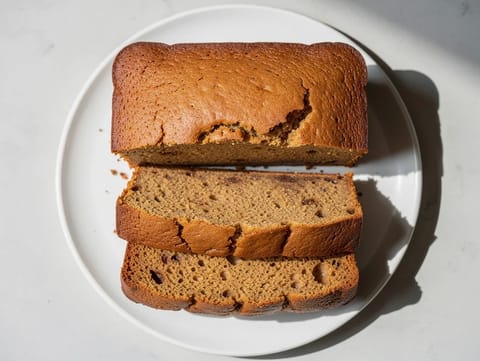
Moist air-fried banana bread with butter and cinnamon.
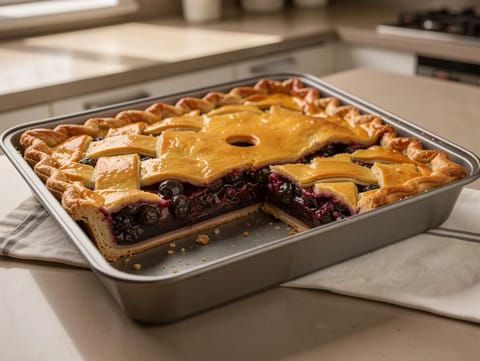
Air fryer blueberry pie with lemon and cornflour-thickened filling.
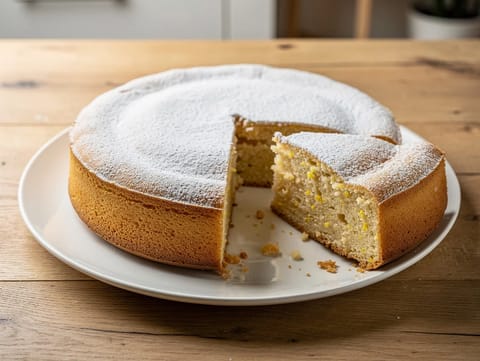
Gluten-free almond cake with lemon zest and icing sugar
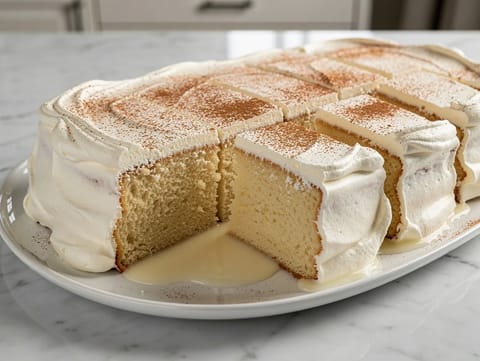
Milk-soaked sponge cake with whipped cream and cinnamon
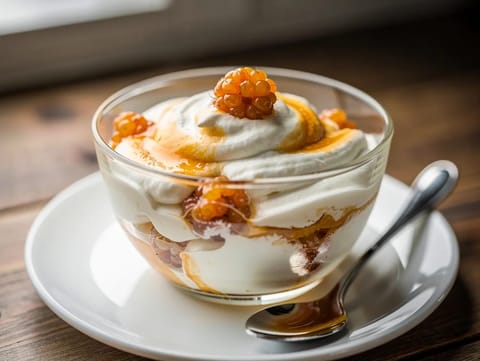
Cloudberries folded into lightly sweetened whipped cream
If you want something crisp, look for biscuits and shortbreads that snap cleanly and hold their shape when dipped. For a softer tea time, cakes and buns give a tender crumb that stays pleasant even after a few hours. When you are serving a mix of ages, variety often comes from texture and portioning rather than bold flavours: a traybake cut into squares, a loaf cake sliced thinly, or small sandwiches with a firm filling. If you are short on time, recipes that rely on simple mixing and straightforward shaping tend to fit tea time well, because they do not require precise serving temperatures or last-minute garnishes.
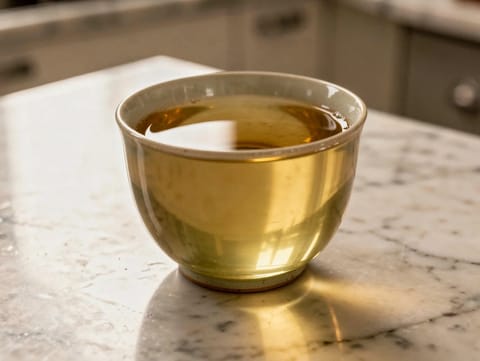
Japanese green tea blended with toasted rice
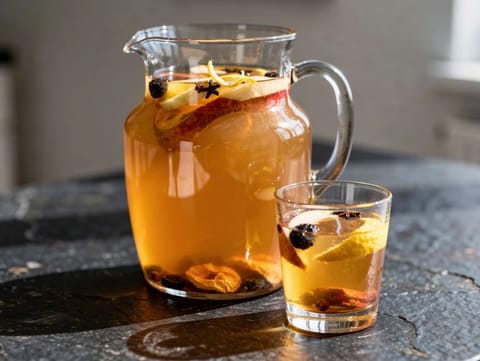
Polish dried fruit drink simmered with spices, served warm or chilled

Polish cheesecake with quark filling and cocoa pastry
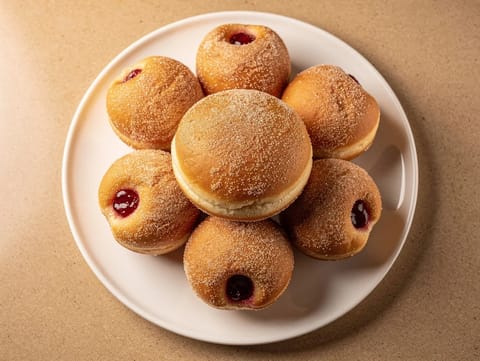
Yeasted jam doughnuts rolled in caster sugar
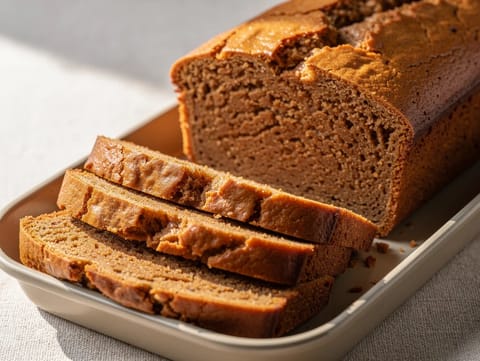
Moist spiced loaf cake made with brown sugar and milk

Spanish mixed wine drink served chilled over ice
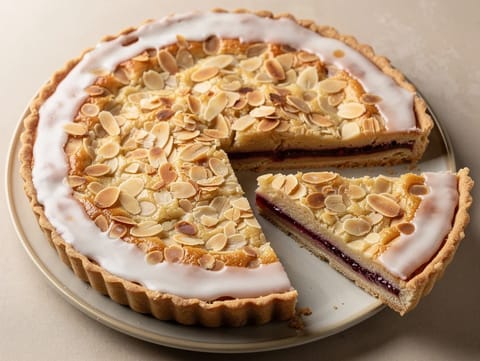
Bakewell tart with raspberry jam and almond frangipane
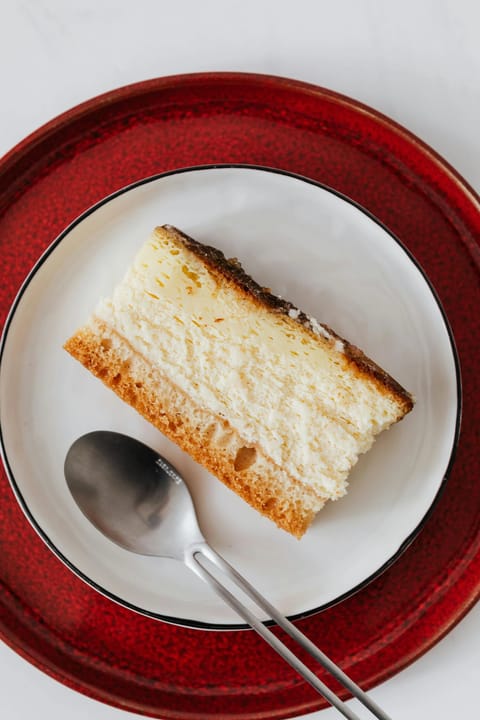
German honey almond cake filled with vanilla custard cream
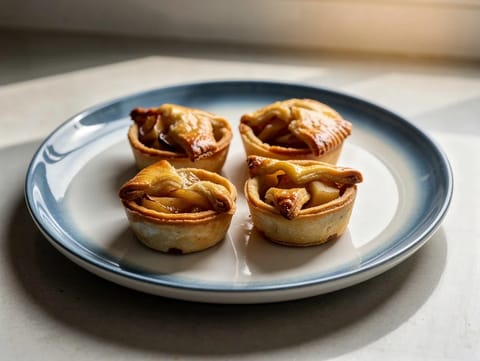
Mini apple pies air-fried with cinnamon and lemon.
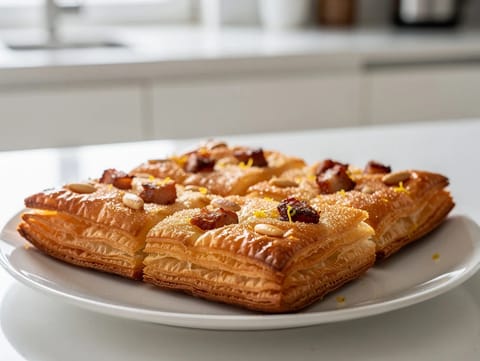
Crisp puff pastry with pork cracklings, pine nuts and sugar
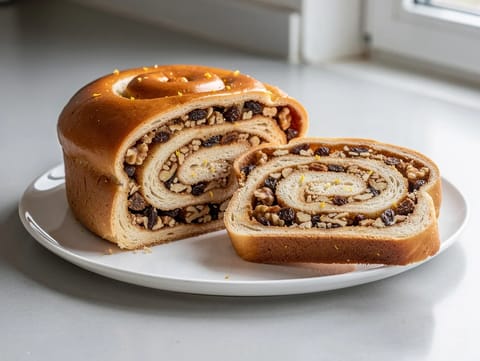
Friulian sweet spiral loaf with nuts, raisins and rum
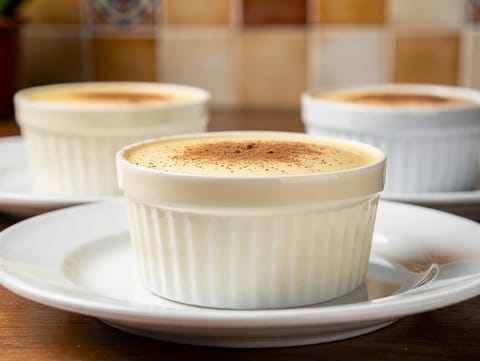
Spanish vanilla custard chilled until set and served cold
Tea time can be as simple as a plate of biscuits, or as involved as a spread of small bakes and sandwiches. Sweet options often lean on butter, sugar and flour in familiar forms, with fruit, chocolate, nuts or spice providing variation. Savoury tea time recipes usually keep flavours clean and not overly saucy, so they can be picked up neatly and do not soak through bread or pastry. You may also find recipes that sit between the two, such as lightly sweet breads or bakes that work with jam, cheese or both, depending on how you serve them.
If you want to plan a tea time spread, browsing by Course helps you balance sweet bakes with savoury bites and drinks. Cooking time is useful when you are deciding between something baked from scratch and something you can assemble quickly while the kettle is on.
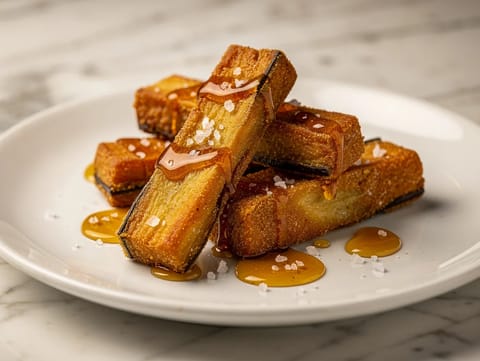
Crisp fried aubergine batons finished with honey and salt
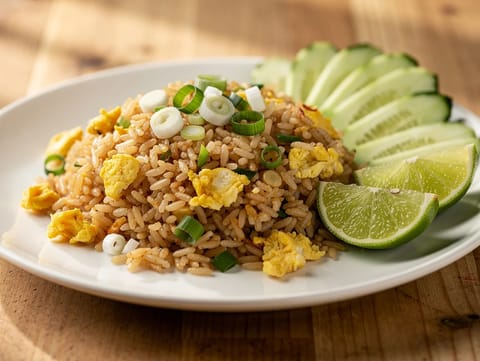
Thai fried rice with egg, garlic and lime
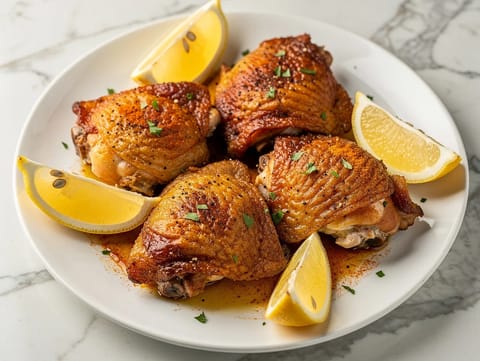
Chicken thighs air-fried with garlic and paprika until browned.
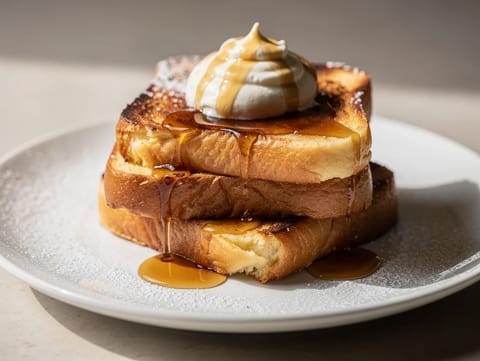
Custard-soaked brioche French toast with crème fraîche and maple syrup
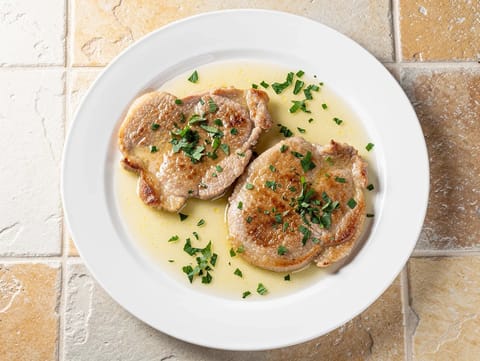
Pan-fried veal in a white wine, butter and lemon sauce
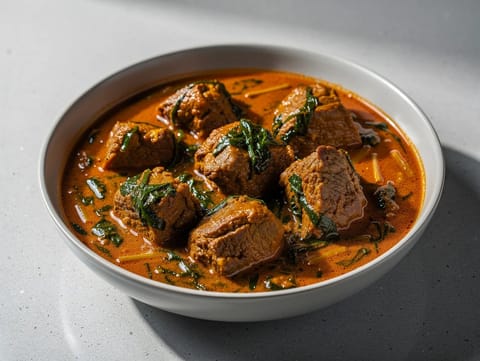
Lamb curry simmered with mustard greens and spices
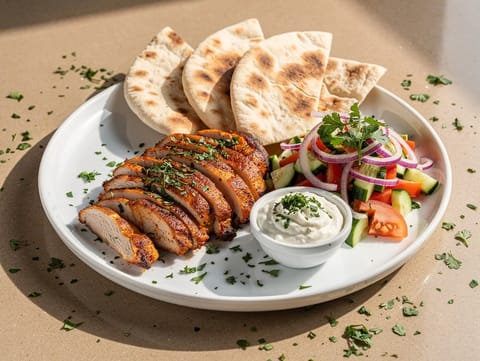
Spiced chicken shawarma platter with flatbreads and garlic yoghurt
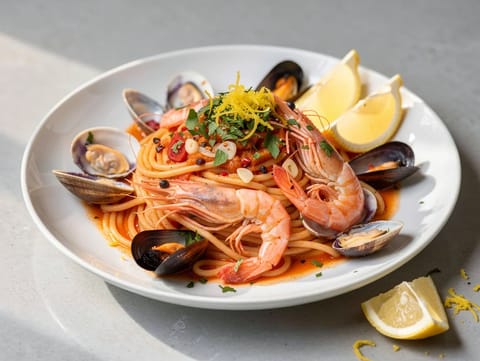
Seafood linguine with mussels, clams and prawns
No. Tea time can be sweet, savoury, or a mix. Savoury options tend to be tidy to eat and not too saucy, so they sit well alongside a cup of tea and can be shared easily.
Portion size and timing. Tea time bakes are usually easy to slice or pick up, and they taste good at room temperature. Desserts more often rely on being served warm, chilled, or plated with sauces and garnishes.
Not at all. One well-chosen bake or a simple savoury snack can be enough. A small selection is useful when you are feeding a group with different preferences, but it is not a requirement.
Flavours that are buttery, gently sweet, lightly spiced or subtly fruity tend to sit comfortably with tea. Very pungent garlic, heavy chilli heat or strongly acidic sauces can dominate the drink, depending on the tea you’re serving.
Choose recipes that hold together when picked up. For sandwiches, use firm fillings and avoid overly wet ingredients. For pastries and cakes, let them cool so crumbs and fillings set before slicing.
Yes. Tea time is more about the eating moment than the method. Simple assembled snacks can fit well, especially when you want something quick that still feels considered.
For tea time, prioritise recipes that portion neatly and taste good without perfect timing. Once you decide whether you want crisp, soft, sweet or savoury, the rest becomes a practical choice of course and cooking time.
