
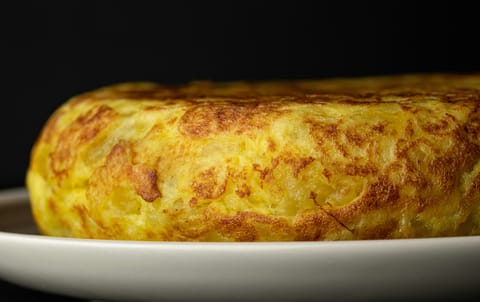
Frittata di Patate (Potato, Onion and Parmesan Frittata)
Potato frittata with onion and parmesan

Boiling means cooking in liquid at a vigorous, rolling bubble. It is a straightforward method, but it is not a single setting you leave on for everything. Some foods benefit from the movement and high heat, while others turn tough, break apart or cloud the cooking liquid if boiled too hard.
Use this page to choose recipes where boiling is the point, and to spot when a gentler simmer or a brief blanch is doing the real work.
A true boil is most useful when you want rapid heat transfer and active movement in the pot. That is why it is common for pasta, noodles and dumplings, for boiling potatoes and other roots, and for blanching vegetables before cooling, peeling or finishing by another method.
Boiling is different from simmering. A simmer is gentler, with smaller bubbles and less agitation, and it is often used for soups, stocks and braises where you want flavours to mingle without breaking ingredients apart. If a recipe says “boil” but then talks about keeping the surface barely moving, it is usually describing a simmer in everyday language.
Potato frittata with onion and parmesan
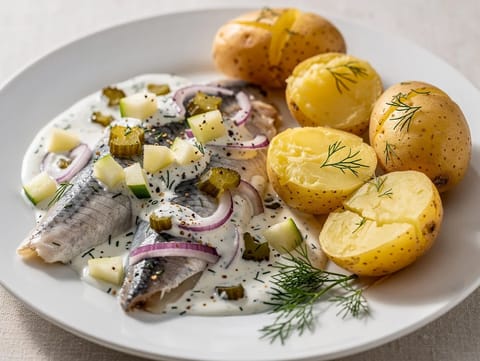
Pickled herring in sour cream with apple and gherkins
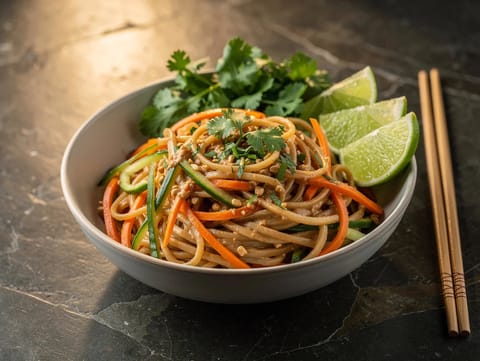
Rice noodles in chilli peanut sauce with crunchy veg
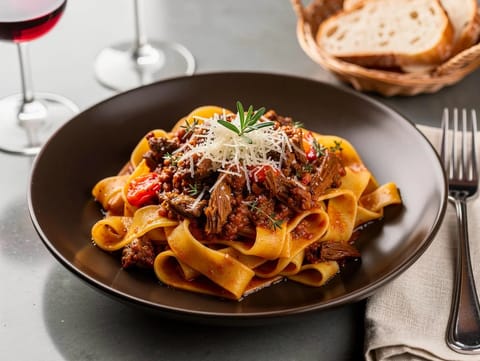
Pappardelle with slow-simmered wild boar ragù and pecorino
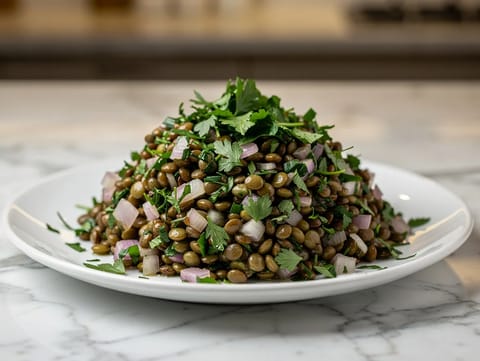
Warm French lentil salad with mustard dressing, shallot and parsley
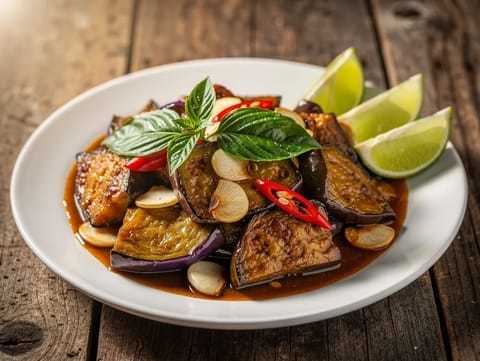
Aubergine stir-fry with Thai basil, garlic and chilli
First is boil-and-drain: pasta, noodles, potatoes and some vegetables are cooked in plenty of water, then drained and finished with sauce, butter, oil or seasoning. Second is boil-as-part-of-a-sauce: ingredients cook in a flavoured liquid that is reduced or thickened, as with some one-pot pastas, brothy noodles or dumplings.
Third is blanching: a short boil followed by cooling (often in cold water) to stop cooking. This is used to set colour in green vegetables, loosen skins on tomatoes or peaches, or par-cook ingredients before stir-frying, roasting or grilling. Each pattern asks for a different pot size, water amount and level of attention.
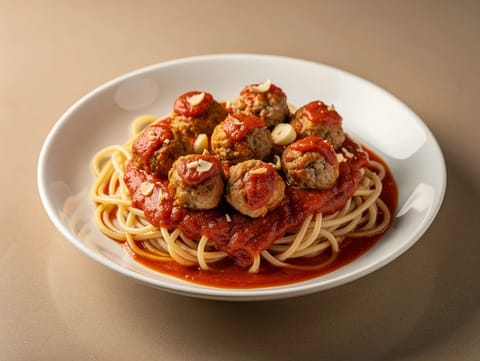
Turkey meatballs simmered in marinara sauce and served with spaghetti
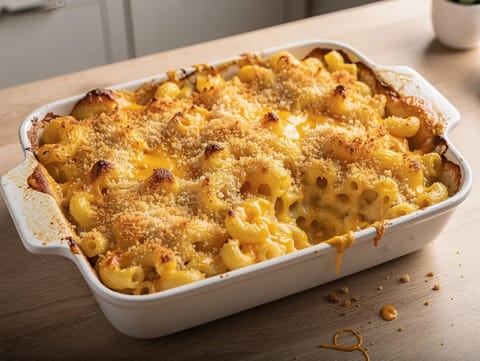
Baked macaroni cheese with crisp breadcrumb topping
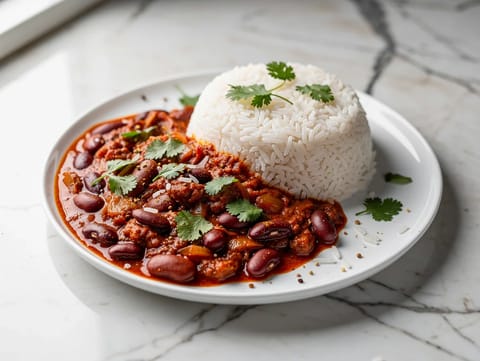
Red kidney bean curry in spiced tomato gravy with basmati rice
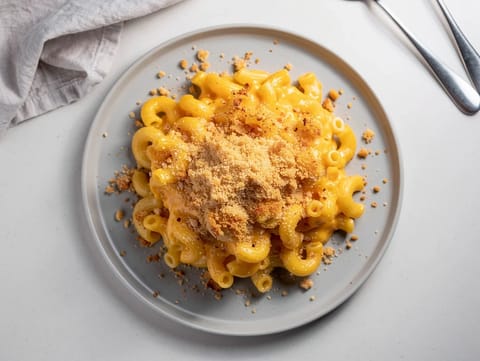
Baked macaroni in creamy cheddar sauce with a breadcrumb topping
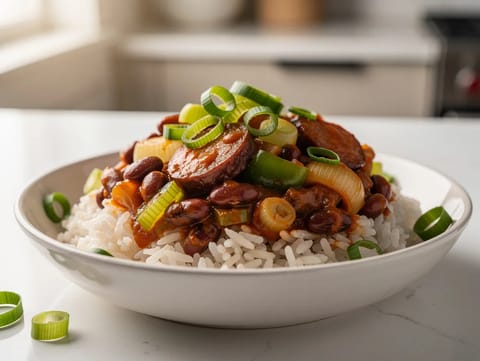
Creamy red beans with andouille sausage served over rice
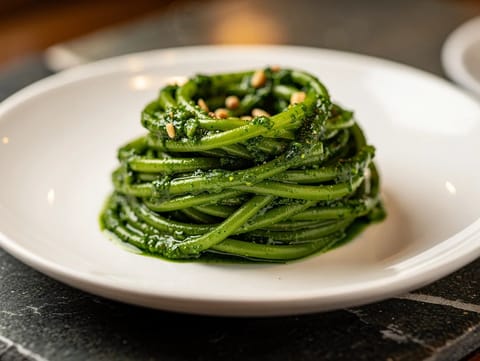
Basil pesto pasta with pine nuts, Parmesan and garlic
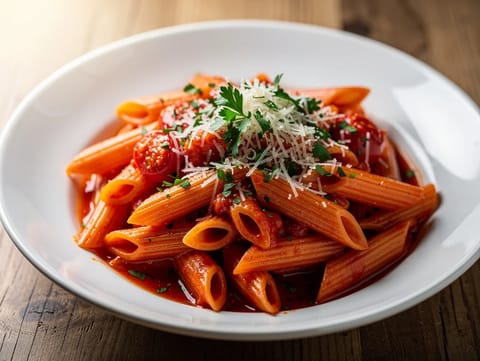
Roman penne with spicy tomato sauce, garlic and Pecorino Romano
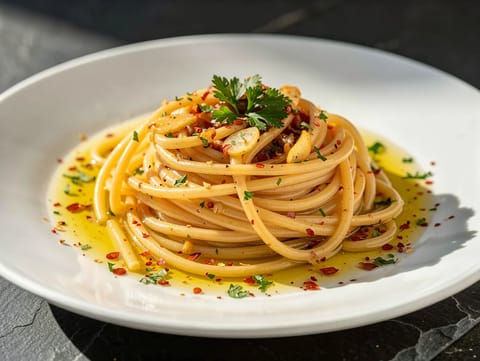
Spaghetti with anchovy, garlic, chilli and parsley
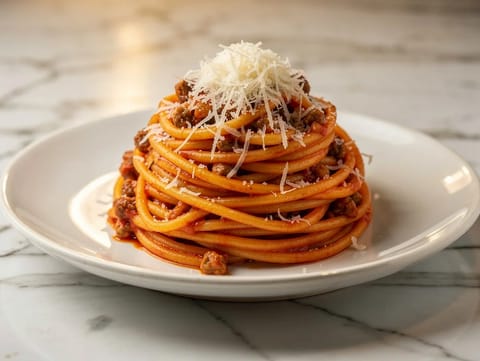
Pasta with tomato and minced beef ragù and Pecorino
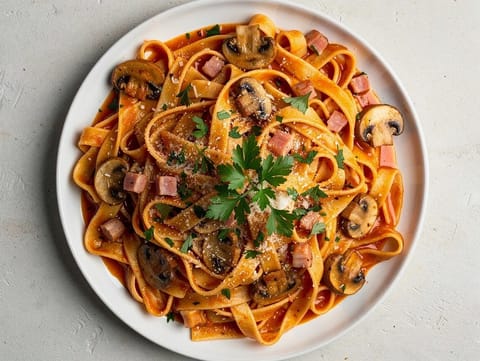
Pappardelle with mushrooms, pancetta and light tomato sauce
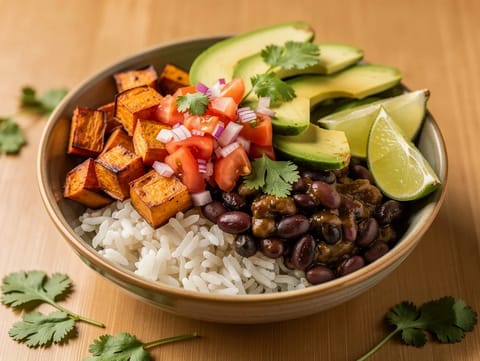
Sweet potato, black beans and rice with avocado and lime
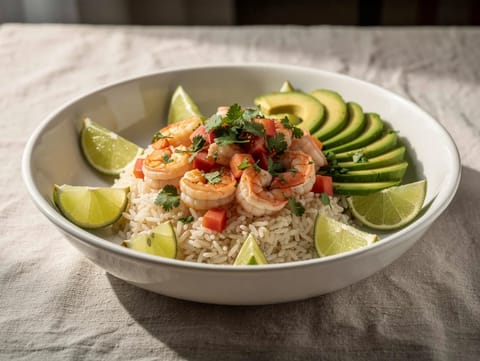
Prawn and rice bowl with avocado, tomato and lime
If you want clean flavours and good texture, choose recipes that specify the size of the pieces and give a clear doneness cue, such as “tender when pierced” for potatoes or “al dente” for pasta. For foods that can turn waterlogged, recipes that finish with a quick dry-off step (steam-drying potatoes, tossing pasta with sauce over heat) often taste more integrated.
For delicate items, look for recipes that keep the boil gentle or use a wide pot so pieces have room without being battered. And if the cooking liquid matters, choose recipes that describe whether it should stay clear, be starchy, or be reduced into the final dish.
Overcrowding is a frequent cause of sticking and uneven cooking, especially with pasta and dumplings. Too fierce a boil can also break fragile foods apart and turn soups cloudy. At the other extreme, water that never returns to a boil can leave starches gummy.
Another common issue is under-seasoned results when the cooking water is the only chance to season the interior, as with pasta and potatoes. Finally, be careful when draining: steam burns happen quickly, and heavy pots are easiest to handle when you plan the route to the sink before you lift them.
Cooking time is useful for boiling because the clock often starts only once the water returns to a boil, and some recipes include resting or finishing steps after draining. Difficulty can help too: boiling itself is simple, but timing, finishing and sauce work can make a recipe more involved than it first appears.
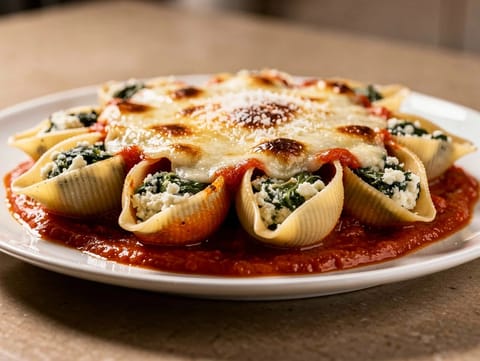
Stuffed pasta shells baked with ricotta, spinach and melted mozzarella
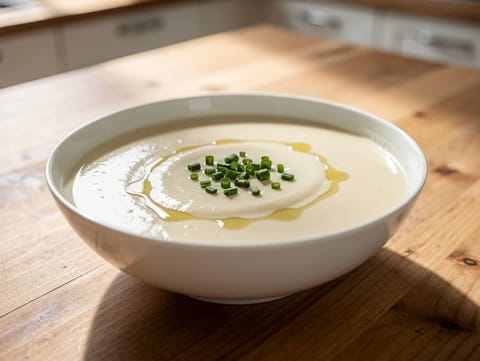
Chilled leek and potato soup blended with cream
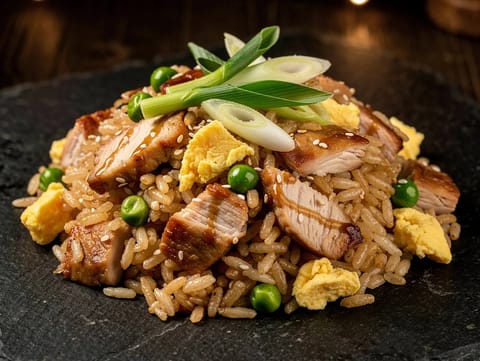
Chicken fried rice with egg, peas and spring onion
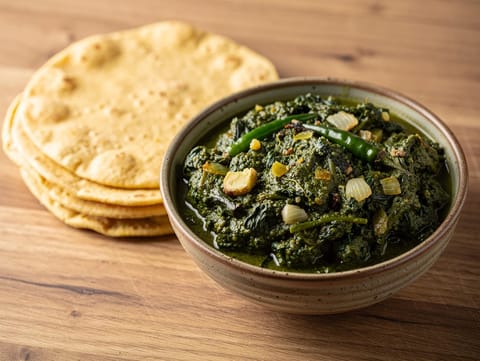
Mustard greens and spinach curry served with maize flatbread
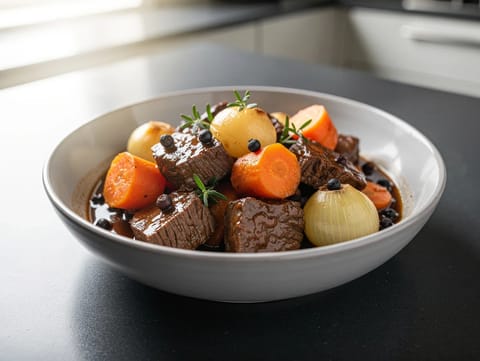
Slow-braised venison with juniper and root vegetables
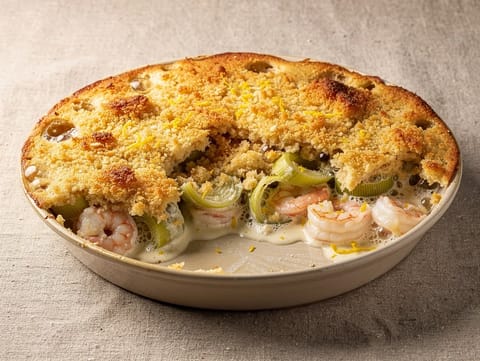
Prawn and leek gratin with mustard cream, cheddar and breadcrumbs
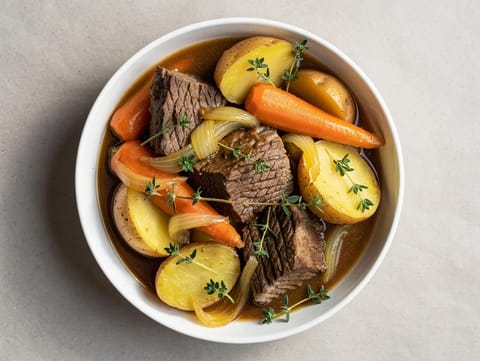
Slow-braised beef pot roast with carrots and potatoes
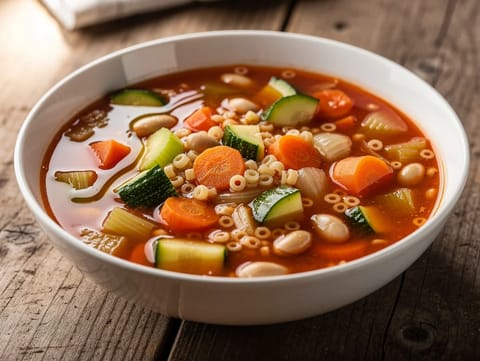
Italian minestrone with vegetables, cannellini beans and small pasta
Boiling is vigorous bubbling and strong movement in the pot. Simmering is gentler, with smaller bubbles and less agitation. Many soups and sauces prefer a simmer to avoid breaking ingredients and to keep the liquid clearer.
Common causes include too little water, not stirring early on, or cooking at a weak heat so starch leaches out without enough movement. Draining and finishing with sauce over heat can also help separate strands.
A lid helps water come to the boil faster, but once boiling it can cause boil-overs and makes it harder to control the intensity. Many cooks boil with the lid slightly ajar or off, depending on the pot and the food.
Potatoes can absorb water if cooked too long or cut too small. Starting in cold water helps them cook evenly, and letting them steam-dry after draining reduces surface moisture before mashing or roasting.
Blanching uses boiling water, but only briefly, and it is usually followed by cooling to stop the cooking. It is a texture and colour-setting step rather than a full cook.
Yes, especially with brief cooking and good seasoning. Longer boiling can leach flavour into the water, so recipes may use blanching, steaming, or finishing in a sauce to keep taste concentrated.
Boiling is at its best when you match the intensity to the ingredient: a lively boil for pasta, a controlled boil for potatoes, and a brief blanch when you only need a head start. Choose recipes that tell you what the liquid is for, and you will get more consistent texture.
