
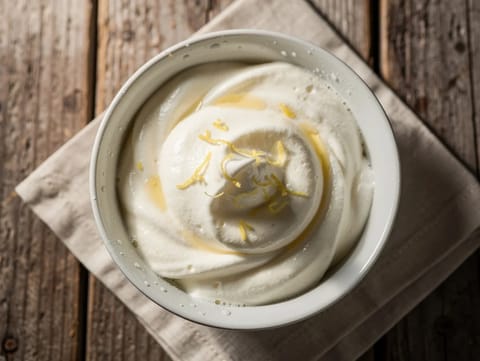
Syllabub with Lemon and White Wine
Whipped syllabub with lemon and white wine

Chilling is a cooking method in its own right: it firms, sets and mellows flavours, and it can turn a loose mixture into clean slices or spoonable portions. It also changes your timing. A recipe that looks quick on the hob may still need hours in the fridge before it behaves as intended.
Use chilled recipes when you want a cold finish, a stable set, or a make-ahead dish that improves as it rests.
Chilling means bringing food down to refrigerator temperature so it becomes safe to hold and, just as importantly, changes texture. It can set gelatine, firm butter-rich mixtures, thicken custards and creams, and help starches and proteins settle so a dish slices neatly. It does not, on its own, cook raw ingredients, so recipes that include eggs, meat or fish still rely on a cooking step elsewhere.
Chilling is also different from freezing. The aim is a cold, stable texture without ice crystals, so the fridge is the tool that does the work.
Whipped syllabub with lemon and white wine
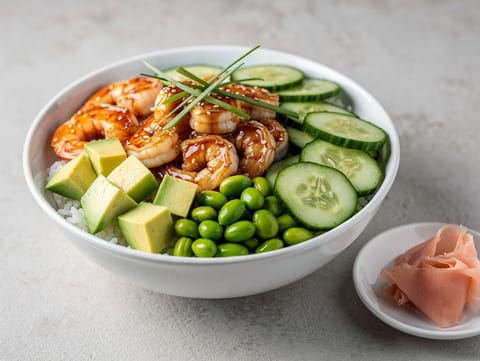
Shrimp poke bowl with sushi rice, avocado and edamame.

Italian butter cornetti baked golden and finished with icing sugar
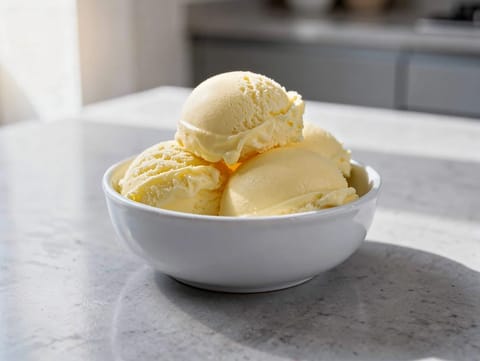
Italian lemon gelato made with fresh zest and juice
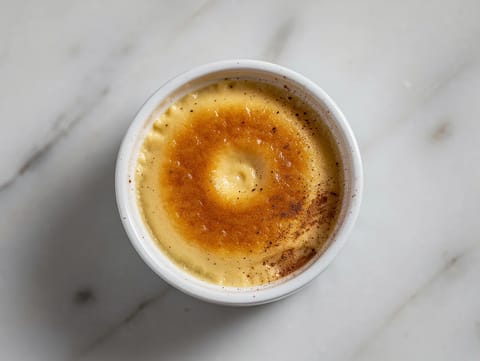
Chilean baked milk custard with a caramelised browned top
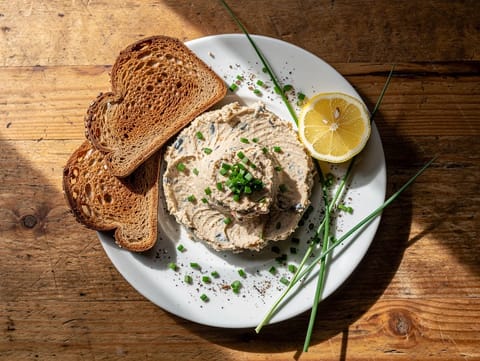
Smoked mackerel pâté with lemon and horseradish on rye
Many chilled recipes follow a simple rhythm: mix or cook a base, cool it briefly so it stops steaming, then chill until fully cold and set. You might pour a mixture into a mould or tin, fold whipped cream into a cooled custard, or press a crumb base before adding a filling.
Chilling often improves flavour balance because salt, sugar, spices and aromatics have time to distribute. It also gives you a cleaner finish: sauces cling differently when cold, fats firm up, and a dessert that looked soft at room temperature can become sliceable after a proper rest.
Crisp zeppole filled with vanilla pastry cream, dusted with icing sugar
Tuna and salmon poke bowl with sushi rice, soy dressing and cucumber.
Air fryer mozzarella sticks chilled, then cooked until crisp and melty.
A chilled no-bake cheesecake flavoured with Turkish coffee and cardamom.
Chilled sponge cake with lemony ricotta cream and pear slices
Chilled milk gelatine sweetened with condensed milk and topped with fruit
Shell pasta salad with salami, peppers, olives and a red wine vinaigrette
Italian crostata filled with vanilla custard, topped with fresh fruit and lightly glazed
Biscuit-base pie layered with dulce de leche, bananas and softly whipped cream
Sweet gooseberry compote folded through lightly whipped cream with lemon zest, then chilled in glasses
Small prawns set in spiced butter, spooned onto toasted sourdough and served cold
Italian-style set custard flavoured with lemon and cinnamon, finished with caramelised sugar
Build in cooling time before the fridge. Putting a very hot mixture straight into the refrigerator can warm the surrounding food and slows the chill-down, so many recipes work best when cooled to room temperature first.
Choose your container with chilling in mind. A shallow dish chills faster than a deep bowl, and a metal tin conducts cold more quickly than thick glass or ceramic. If a recipe needs to unmould cleanly, lining (or lightly greasing) the vessel and allowing a full chill makes the difference between neat edges and a slump on the plate.
Under-chilling is the classic problem: the centre stays soft, so slices collapse or portions weep. If a recipe is meant to set, treat the stated chilling time as a minimum and check the coldest part, not just the surface.
Another frequent issue is condensation. Covering warm food tightly traps steam, which later drips back and can water down toppings or make bases soggy. Let the dish cool, then cover. Finally, be cautious with strongly scented foods in the fridge: uncovered creams and custards can pick up odours surprisingly quickly.
If you want to plan the day realistically, browsing by Cooking time helps separate quick-to-make from quick-to-serve, which matters with chilling. Equipment is also worth a look: moulds, loaf tins, springform tins and even a simple shallow tray can change how fast a dish chills and how cleanly it unmoulds.
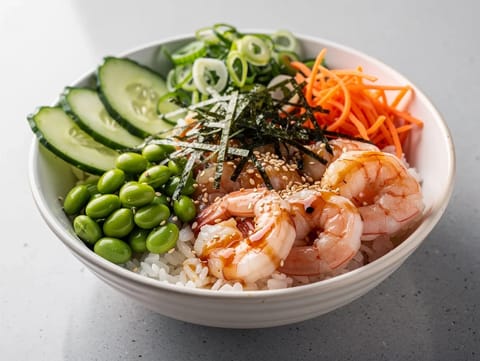
Sushi rice bowl topped with prawns, cucumber and edamame.

Shortcrust tartlets with vanilla pastry cream and fresh fruit
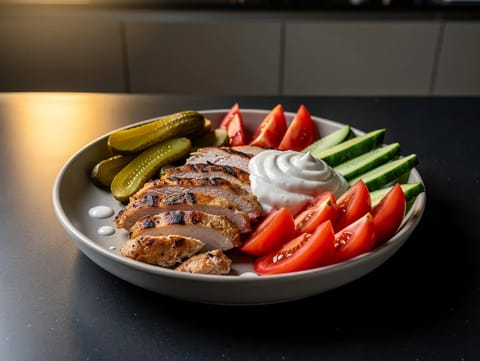
Roasted chicken shawarma with garlic sauce, pickles and salad
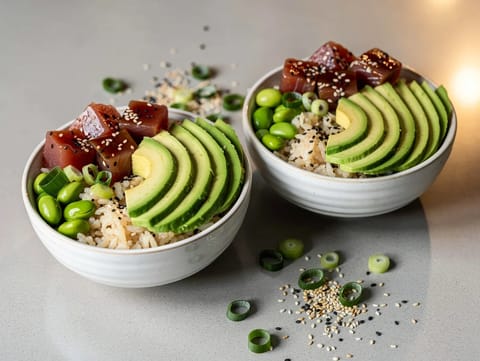
Sushi rice poke bowl with tuna and avocado.
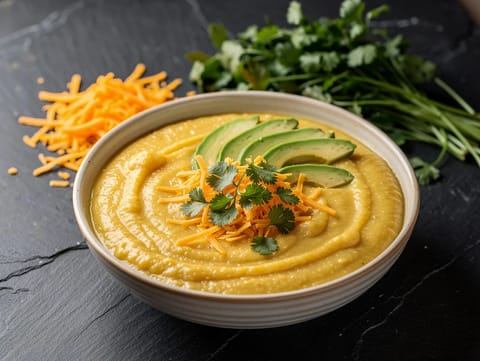
Creamy potato and cheese soup topped with avocado and coriander
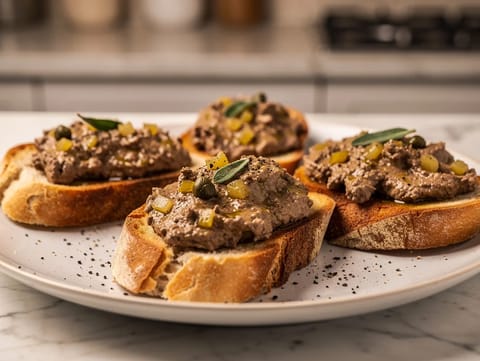
Toasted bread topped with rich chicken liver and capers
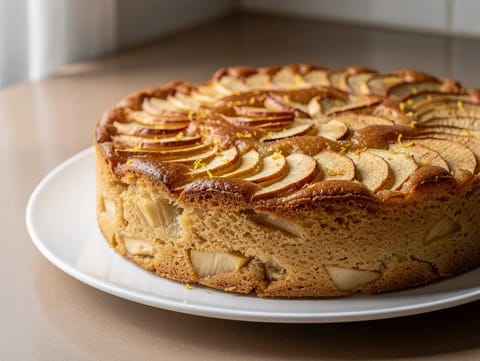
Rustic Italian apple cake with lemon zest and cinnamon
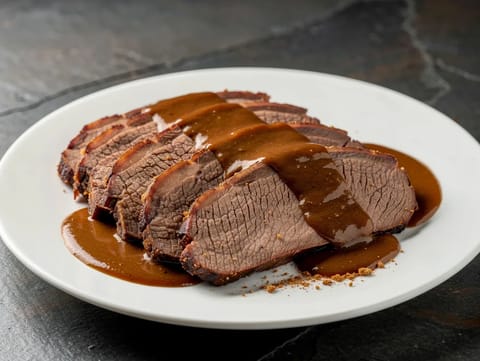
Marinated beef pot roast with tangy gingersnap gravy
Not necessarily. Some chilled dishes are no-cook, but many start with a cooked custard, syrup or base that is then chilled to set and serve cold.
It is often a time and temperature issue: the centre may not be fully cold. It can also be a ratio issue in the recipe (for example, not enough setting agent or too much liquid), but under-chilling is the first thing to rule out.
Sometimes, briefly, but it depends on the recipe. The freezer can firm edges quickly and create icy patches, which is unhelpful for smooth creams and custards. If you use it, treat it as a short assist rather than the main method.
Usually yes, once it has cooled down. Covering prevents drying and fridge odours, but covering while still warm can cause condensation that drips back onto the surface.
Chilling firms fats and thickens mixtures, making them easier to roll, slice or spread neatly. It is common with butter-rich doughs and soft fillings.
When a recipe says to chill, read it as a texture instruction as much as a storage step. Give it the time it needs, use a container that chills efficiently, and you’ll get cleaner slices, steadier sets and a calmer serving moment.
