
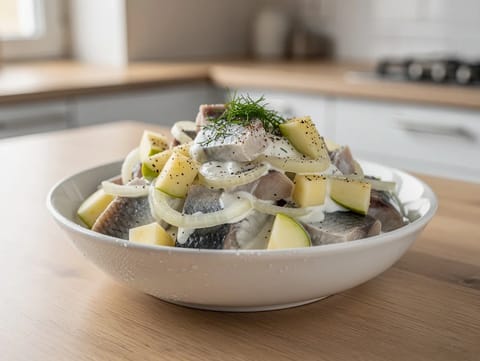
Śledź w Śmietanie (Polish Herring in Sour Cream Sauce)
Polish herring in sour cream with apple and onion

No-cook recipes rely on chopping, mixing, soaking and chilling rather than heat. That changes what you can expect from the finished dish: flavours stay bright, vegetables keep their snap, and richness usually comes from fats, dairy, nuts or well-seasoned dressings instead of browning.
This is a useful way to compare options when you want something genuinely heat-free, whether it’s a composed salad, a cold noodle dish, a dip-and-platter spread, or a dessert that sets in the fridge.
No-cook is about assembly and seasoning, not a shortcut version of hot cooking. You will not get caramelised edges, crisp roast surfaces or the deep savouriness that comes from browning. Instead, the strengths are contrast and clarity: crunchy with creamy, sharp with sweet, herbaceous with salty.
Because there is no heat to soften or meld flavours, the order of mixing matters. A dressing that tastes balanced in a bowl can flatten once it hits watery tomatoes or cucumbers, while a pinch more salt can make raw vegetables taste suddenly sweeter. Expect recipes in this style to lean on acidity, aromatics and texture to feel complete.
Polish herring in sour cream with apple and onion
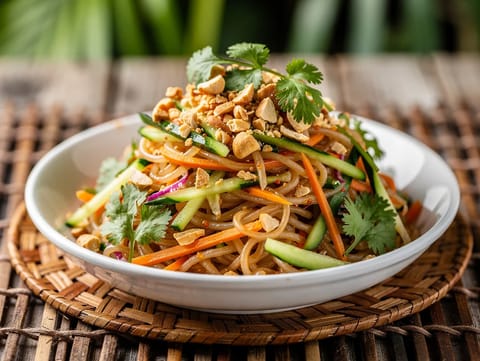
Rice noodle salad with spicy lime dressing and peanuts
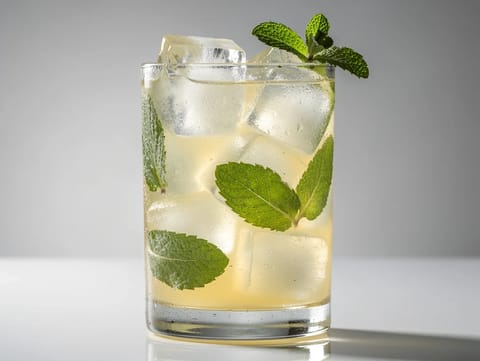
Indian lemonade with lemon juice, black salt and roasted cumin
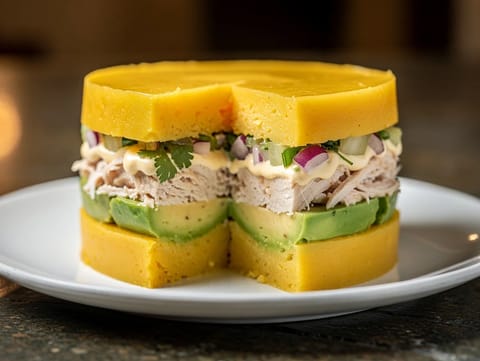
Chilled layered potato dish with chicken, avocado and ají amarillo
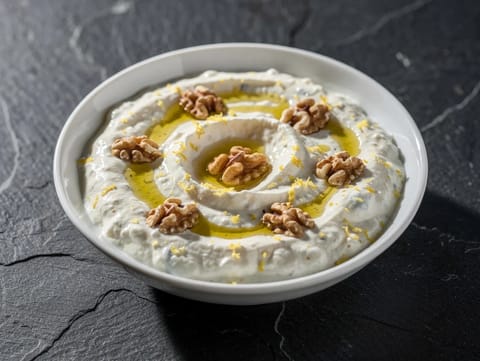
Chilled walnut and yoghurt sauce with garlic and lemon
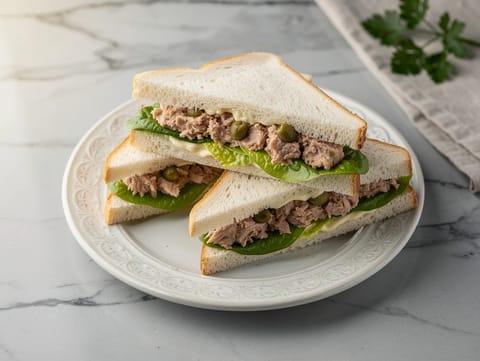
Crustless tuna sandwiches with mayonnaise, capers and lettuce
A no-cook recipe is finished without using the oven, hob or microwave. It may still use ingredients that were cooked earlier by someone else, such as tinned beans, smoked fish, cured meats, cooked grains, rotisserie chicken, or pre-cooked beetroot. It can also include ingredients that are safe to eat as they are, such as ripe fruit, many vegetables, cheeses, yoghurt and nuts.
What it does not automatically mean is raw. Some no-cook dishes are entirely raw; others are built from cooked components and served cold or at room temperature. The method is less about a single technique and more about how the dish is structured.
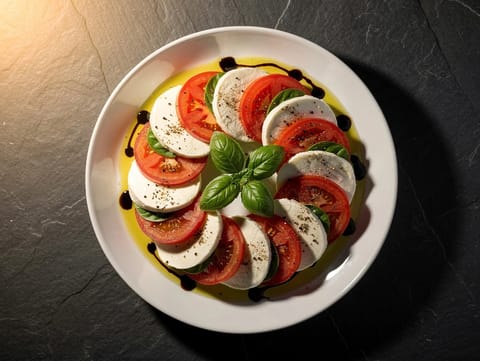
Tomatoes, mozzarella and basil with olive oil and balsamic
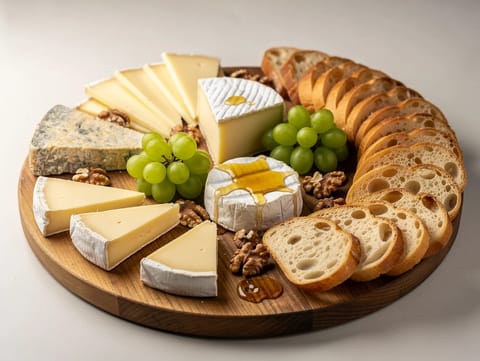
Aged French cheese board with grapes, walnuts, honey and baguette
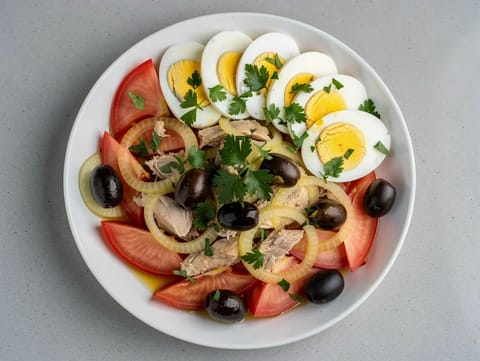
Murcian tomato salad with salt cod and olives
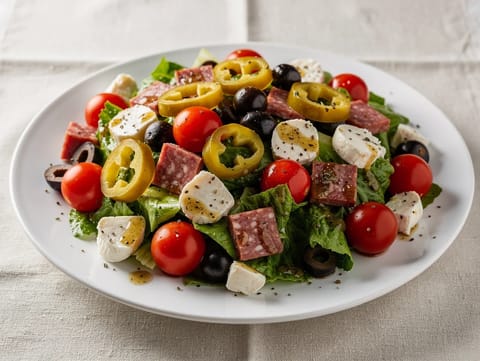
Chopped romaine salad with salami, mozzarella, olives and pepperoncini
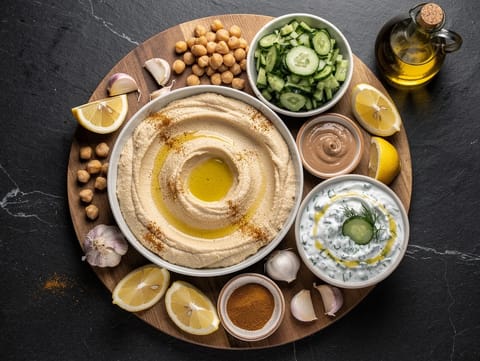
Iftar mezze board with hummus, cacık, olives and pita

Passion fruit mousse with whipped cream and lime
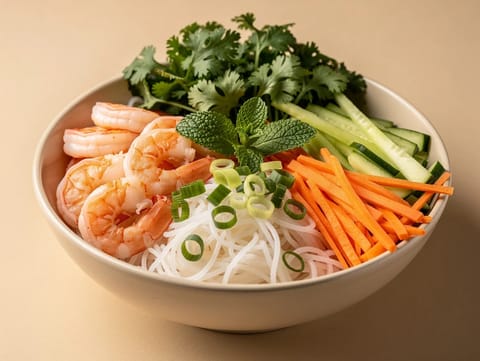
Rice paper and vermicelli bowl with prawns and herbs
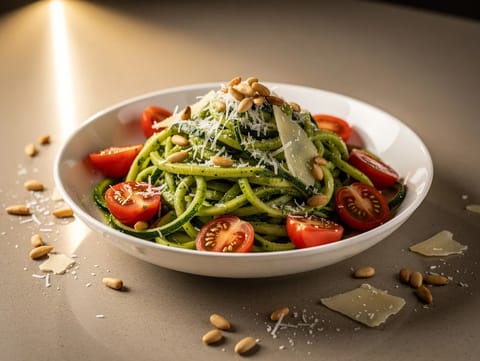
Courgette noodles with basil pesto, cherry tomatoes and Parmesan
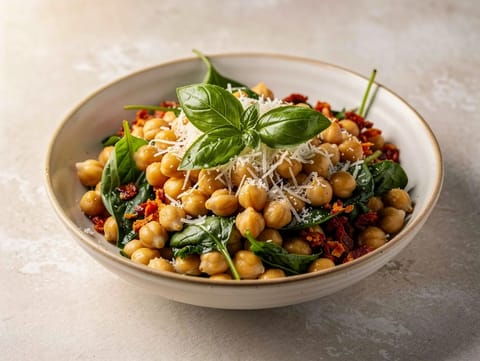
Chickpea bowl with sun-dried tomatoes, spinach and Parmesan
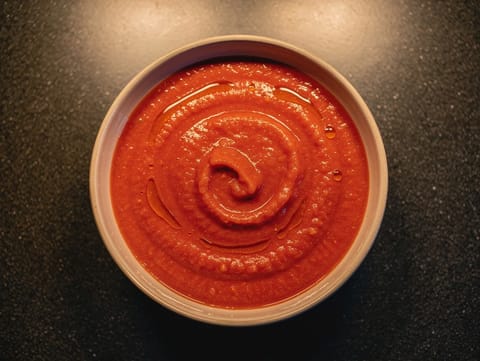
Chilled gazpacho made with tomatoes, cucumber and red pepper
Mixed leaf salad with Stilton, ripe pear and warm toasted walnuts
Cold silken tofu topped with soy sauce, spring onion and fresh ginger
Think in layers. Start with a base that can take seasoning, such as beans, grains, shredded vegetables or yoghurt, then add high-impact elements: citrus, vinegar, pickles, capers, chilli, fresh herbs, toasted seeds or a punchy oil.
Manage moisture. Salt draws water from cucumbers, tomatoes and many fruits; that can be helpful if you want a juicy salad, but it can also dilute dressings. Some recipes salt and drain briefly, or dress at the last moment.
Cut size is your heat. Finely chopped onions mellow faster in acid; thinly sliced vegetables feel more tender; larger chunks keep crunch. When a dish tastes harsh, it often needs either smaller cuts, more fat, or a little time to sit and soften.
A sharp knife and a stable chopping board do most of the work in no-cook cooking. A large mixing bowl helps you season evenly without bruising delicate leaves, and a jar with a tight lid is handy for emulsifying dressings quickly.
If a recipe involves blending, a stick blender or small processor can turn herbs, nuts or pulses into sauces and dips with a smoother texture than hand-mashing. For chilled desserts, a whisk and a fine sieve can be more useful than any appliance, especially when you want a silky custard-style mixture without lumps.
If you want to keep effort low as well as heat-free, browsing by Cooking time helps you separate quick assembly from recipes that need chilling or soaking. Equipment is also a good companion here: some no-cook dishes are knife-and-bowl simple, while others rely on a blender or food processor for their final texture.
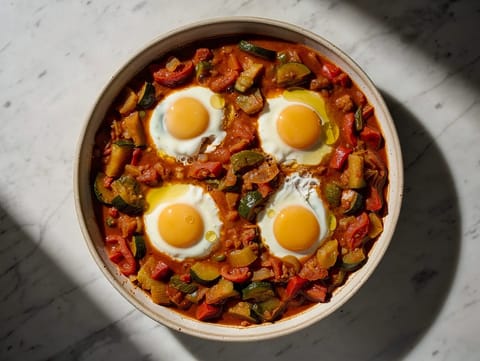
La Mancha vegetable stew topped with fried eggs
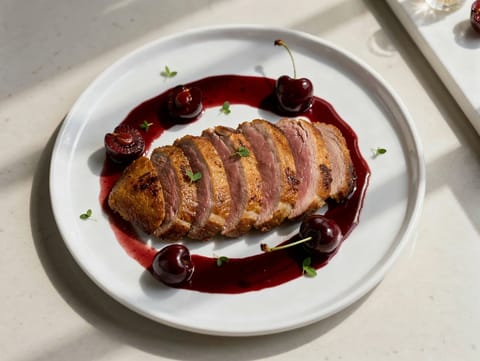
Crisp-skinned duck breast with a quick cherry sauce
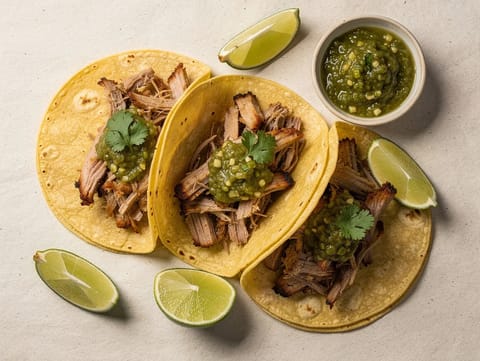
Pork carnitas tacos with tomatillo salsa verde
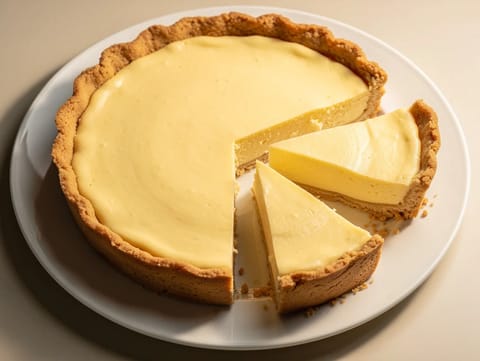
No-bake lemon pie with a crisp biscuit crumb base
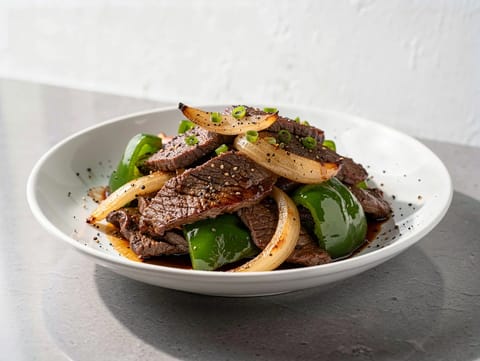
Peppery beef stir-fry with green pepper, onion and glossy sauce
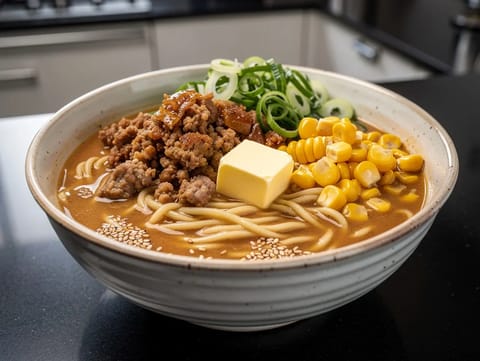
Hokkaido miso ramen with minced pork, sweetcorn and butter

Sweet-sour tamarind agua fresca served chilled over ice
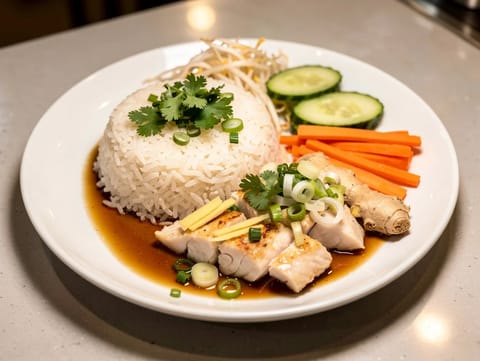
Jasmine rice bowl with ginger fish and lime dressing
Often, but not always. Many are chilled, while others are comfortable at room temperature, especially platters, dips and salads dressed just before serving.
Not necessarily. No-cook refers to how the recipe is finished. It can include cooked components such as tinned beans, cooked grains or smoked fish, assembled without further heating.
Raw vegetables release water once salted or dressed. That liquid can dilute seasoning. Recipes may manage this by draining briefly, using thicker dressings, or dressing right before eating.
They usually build depth through acidity, salt, aromatics, fermented or cured ingredients, and fats that carry flavour. Texture contrast also makes flavours feel more pronounced.
Quick recipes can still involve heat, such as a fast stir-fry. No-cook is specifically about not turning on a heat source, even if the recipe needs time to chill or marinate.
When you pick a no-cook recipe, think first about the texture you want: crisp and juicy, creamy and spoonable, or neatly sliced and platter-ready. From there, the right choice is usually the one with a clear plan for seasoning and moisture, not the one with the longest ingredient list.
