
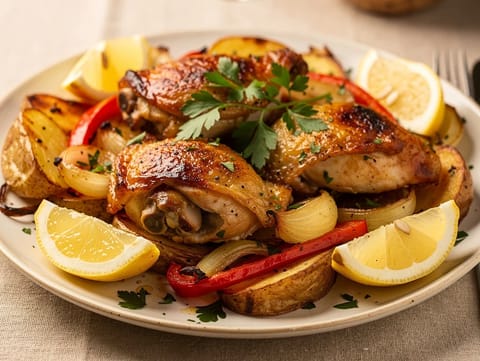
Spanish Chicken Traybake with Potatoes and Peppers
Chicken traybake with potatoes, peppers, smoked paprika and lemon
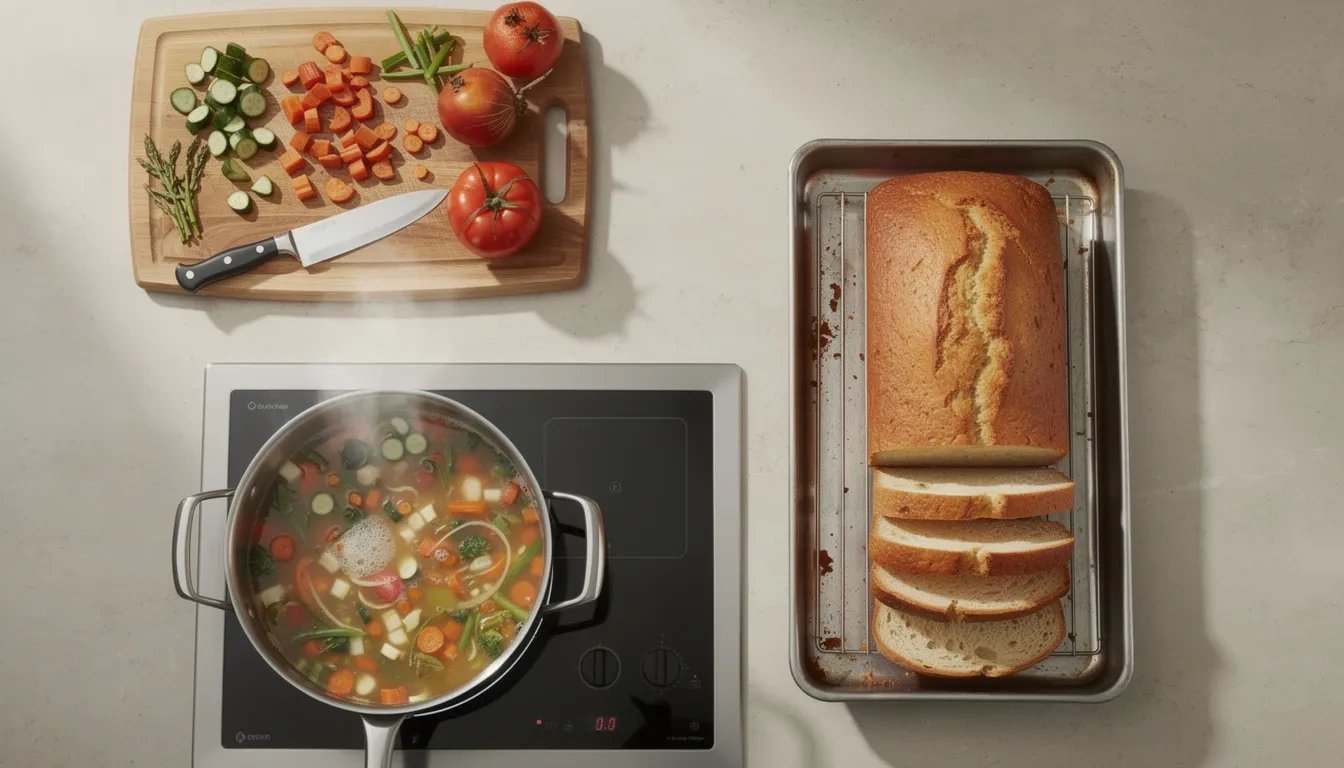
Sheet pan cooking is about building a complete dish on a single tray, using the oven’s dry heat to roast ingredients together. The appeal is practical: one piece of cookware, straightforward sequencing, and the kind of browning that makes vegetables sweet and proteins savoury.
The method works best when you understand two things: how crowded the tray can be before it steams, and how to stagger ingredients so everything finishes at the right moment.
A sheet pan recipe is rarely just “put it all on a tray”. It usually has an internal logic: sturdy ingredients start first, quicker-cooking items join later, and sauces or cheeses are added near the end so they do not burn. Because everything shares the same heat, the recipe’s cut sizes and arrangement matter more than they do in multi-pan cooking.
Expect flavours to mingle. Drippings can baste vegetables; spices bloom in hot oil; citrus and herbs can perfume the whole tray. If you prefer cleaner separation, look for recipes that keep components in distinct zones or add delicate elements after roasting.
Chicken traybake with potatoes, peppers, smoked paprika and lemon
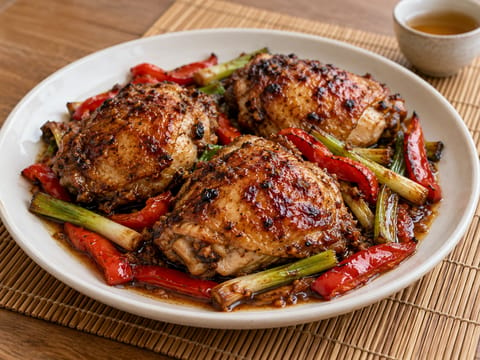
Sticky five-spice chicken traybake with soy, honey and peppers
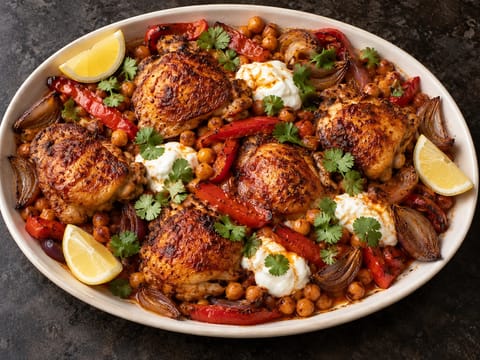
Harissa chicken traybake with chickpeas and peppers
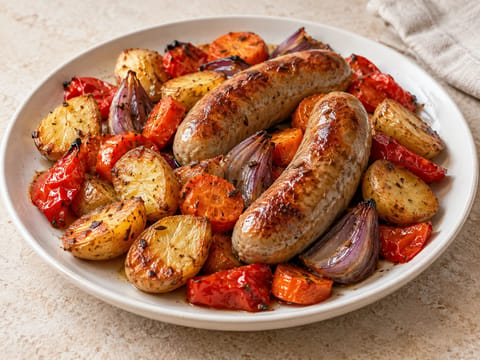
Traybake bratwurst with roasted vegetables, mustard and caraway
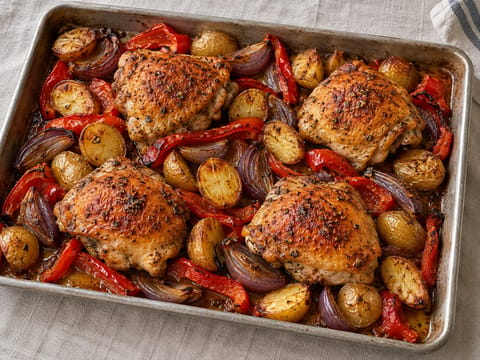
Sheet pan chicken with potatoes, peppers and smoked paprika
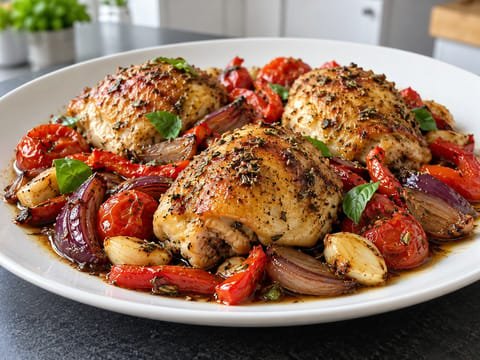
Chicken traybake with peppers, cherry tomatoes and basil
Many sheet pan recipes follow a protein-and-vegetable pattern, where the vegetables act as both side and roasting bed. Another common pattern is vegetable-forward trays, built around a single family of ingredients such as brassicas, roots, or mixed peppers and onions, finished with a dressing or crumble.
You will also see tray bakes that lean more towards assembly: gnocchi or beans roasted with tomatoes, feta-style bakes, or nacho-like trays where the oven melts and crisps rather than fully cooks. In these recipes, the sheet pan is doing two jobs at once: heating through and creating browned edges.
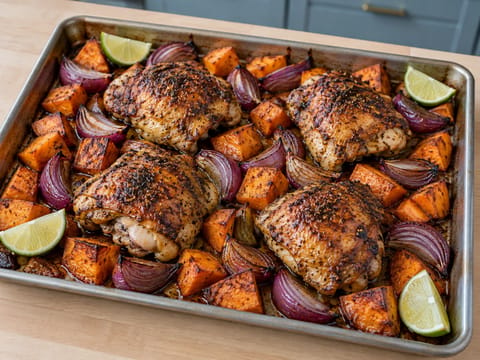
Tray-roasted jerk chicken with sweet potato and red onion
Sticky five-spice chicken traybake with soy, honey and peppers
Chicken traybake with potatoes, peppers, smoked paprika and lemon
Sheet pan chicken with potatoes, peppers and smoked paprika
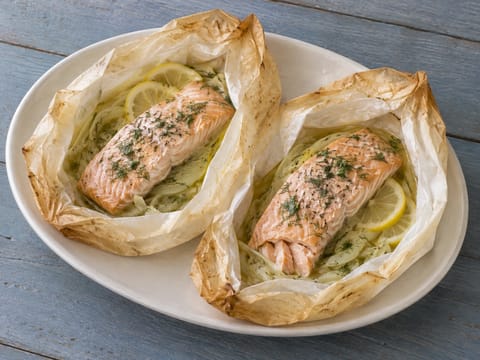
Salmon baked in parchment with fennel, lemon and dill
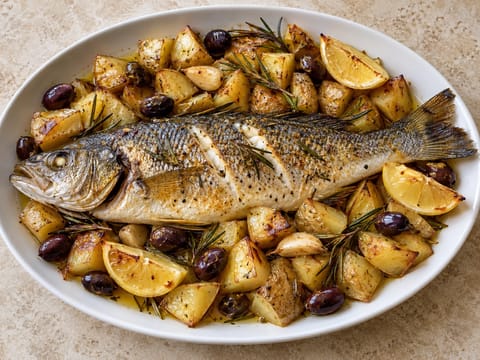
Roasted sea bass with potatoes and olives
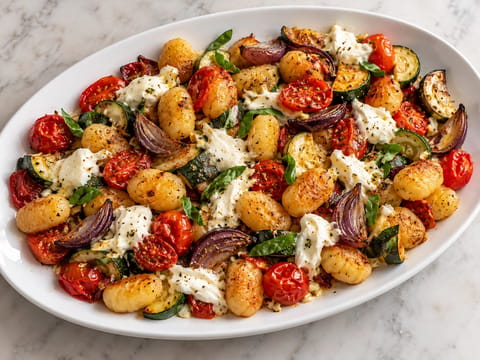
Roasted gnocchi with cherry tomatoes, mozzarella and basil
Chicken traybake with peppers, cherry tomatoes and basil
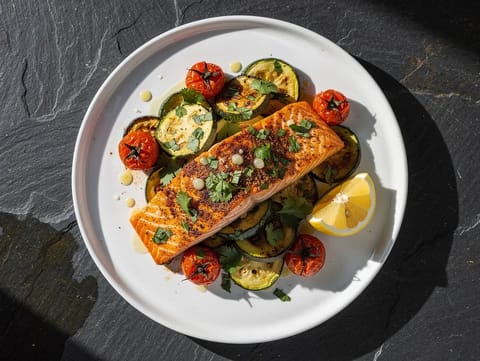
Salmon traybake with courgettes, cherry tomatoes and Moroccan spices
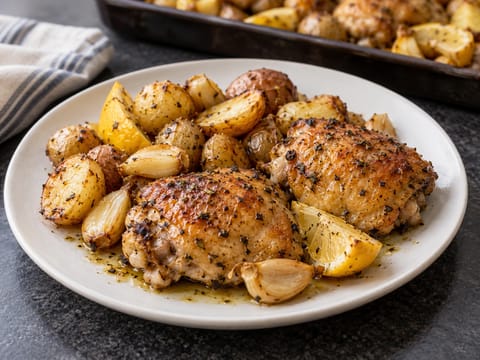
Roasted chicken thighs with lemon, oregano and baby potatoes
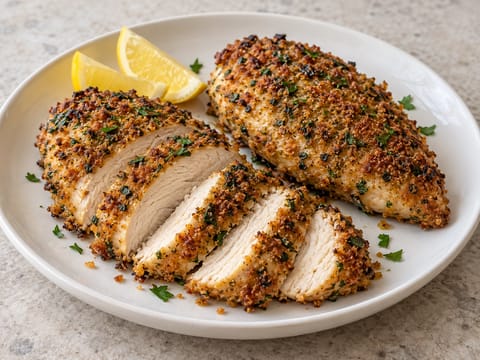
Baked chicken with a crisp rye breadcrumb and mustard crust
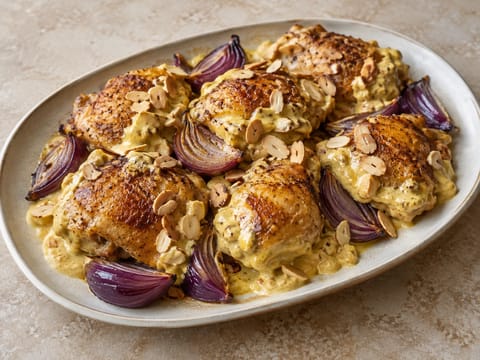
Traybaked chicken in coronation-style sauce with almonds
Sheet pan cooking tends to produce a mix of textures: browned edges where ingredients touch the hot metal, and softer centres where pieces are thicker or sheltered. Recipes that promise crispness usually rely on space, high heat, and ingredients that are not too wet.
If a recipe includes watery vegetables or a wet marinade, it may lean towards a more succulent, roast-and-braise effect on the tray. That can be exactly the point, but it will not give the same crisp finish as a dry roast. Reading for those cues helps you choose between crunchy, caramelised trays and softer, saucier ones.
A sturdy rimmed sheet pan is the workhorse here. Rims catch juices and make it easier to toss ingredients without losing them, while a heavy gauge pan resists warping and holds heat for better browning. Parchment can reduce sticking and washing up, but it can slightly soften browning compared with direct contact on metal.
If you are cooking for a crowd, two trays are often more effective than one overloaded tray. Rotating trays partway through can help with uneven ovens, and a quick switch to the grill at the end is sometimes used for colour, provided the toppings will not scorch.
Equipment is a natural companion to sheet pan cooking, because tray size, lining and oven performance all affect browning and clean-up. Cooking time is equally useful: some sheet pan recipes are genuinely quick, while others use the tray for longer roasting to build deeper colour and tenderness.
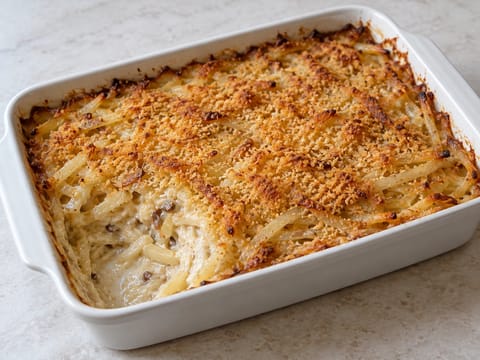
Swedish potato gratin with anchovies, onion and double cream
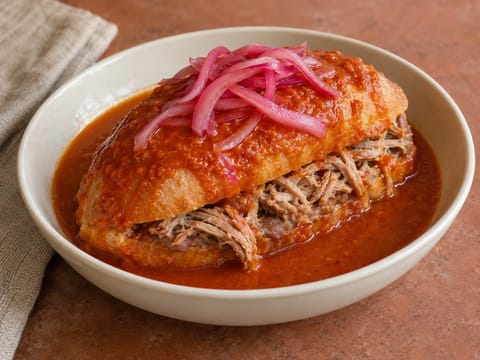
Drowned sandwich with pulled pork, beans and chilli tomato sauce
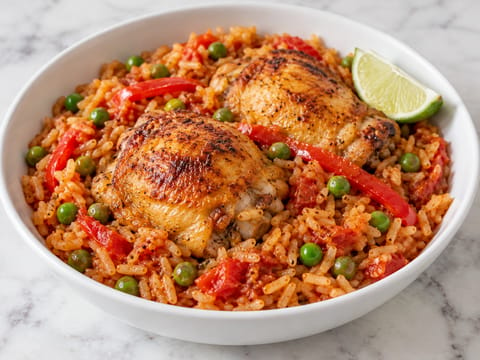
One-pot chicken and rice with peppers, tomatoes, peas and cumin
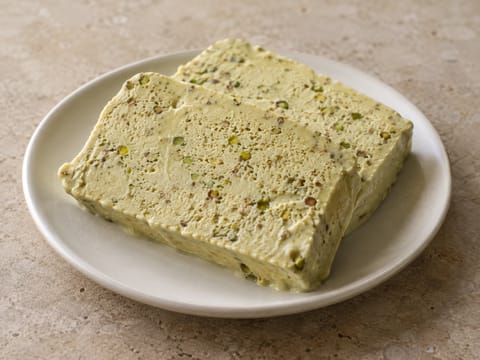
Italian pistachio semifreddo with a soft, sliceable texture
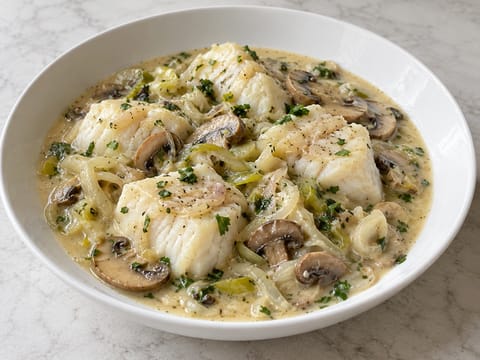
Fish stew simmered with cider, leeks and mushrooms
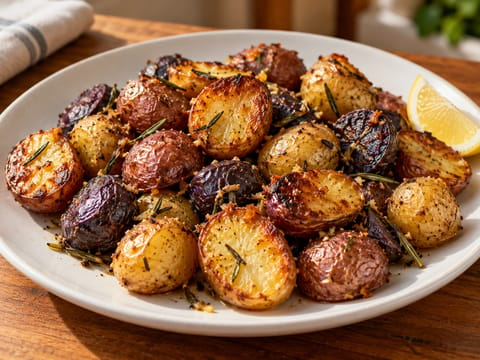
Crispy air-fried baby potatoes with garlic and rosemary.
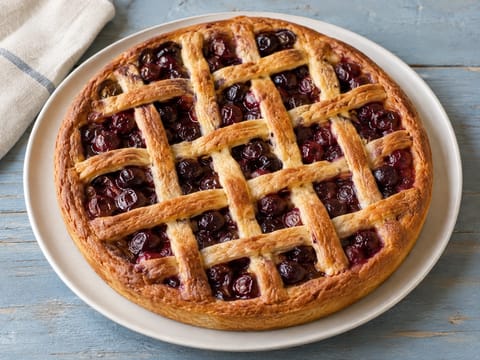
Dutch cherry tart with a soft yeasted base
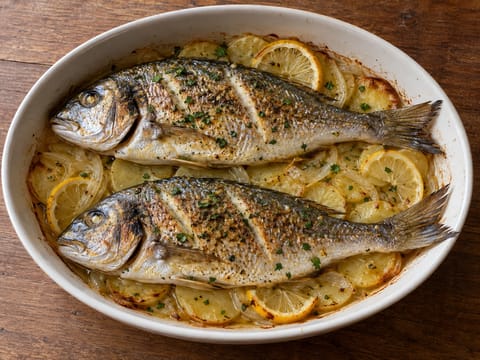
Baked sea bream with potatoes, onion, lemon and white wine
The tray was likely overcrowded, or the ingredients released a lot of moisture. Use a larger tray or two trays, pat wet ingredients dry, and avoid piling food in the centre.
Not always. Lining helps with sticking and washing up. If you want maximum browning, roasting directly on metal can help, as long as the recipe and ingredients allow it.
By staggering. Dense vegetables start first, then quicker-cooking items are added later. Some recipes also use different cut sizes so ingredients finish together.
Often, yes. A deeper tin holds more juices, which can push the result towards softer roasting. A sheet pan’s lower sides encourage evaporation and browning.
Many recipes add sauces late, or use them as a finishing drizzle, because sugars and dairy can burn at high heat. Follow the timing cues closely.
Sheet pan cooking is at its best when the tray is not crowded and ingredients are added in a sensible order. Choose recipes that match your oven and tray size, and you will get the method’s signature mix of browned edges, tender centres and minimal washing up.
