
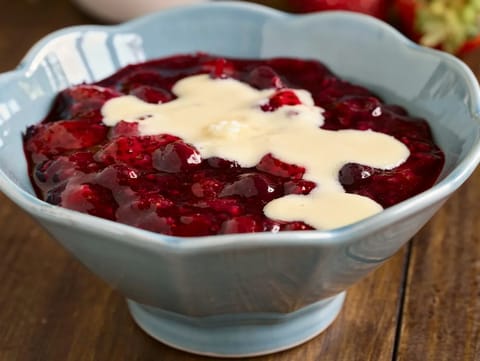
Rote Grütze (German Red Berry Pudding)
Chilled German red berry pudding thickened with cornflour
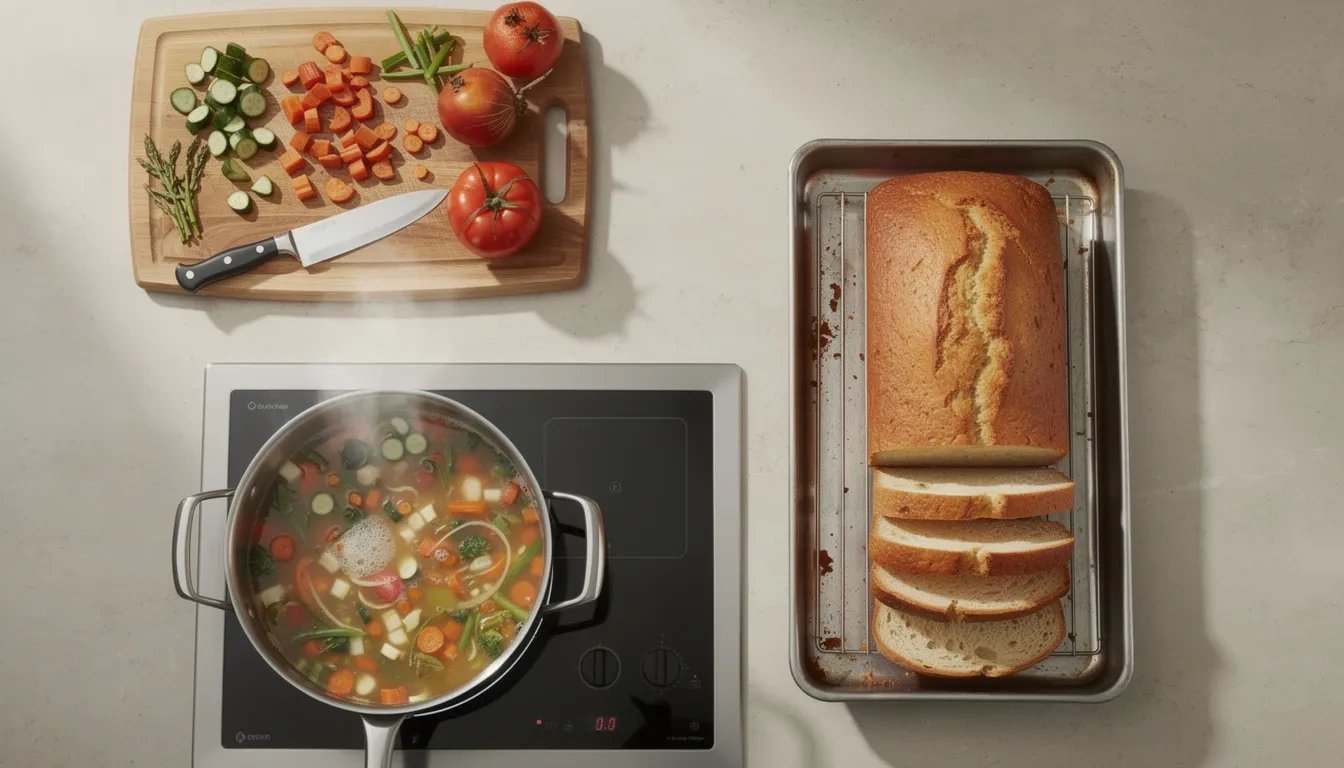
Simmering is gentle cooking in hot liquid, with small bubbles and minimal movement. It sits between poaching and boiling, and that middle ground is exactly why recipes specify it: simmering cooks through without breaking delicate ingredients apart or turning a broth cloudy.
If you are choosing between similar recipes, the simmer is often the deciding detail. It affects clarity, tenderness and how evenly starches and proteins cook.
A boil is vigorous: large bubbles, lots of movement and rapid evaporation. A simmer is calmer: small bubbles, a steady heat and less agitation. That difference shows up quickly in the pot. At a boil, pasta and some vegetables cook fast but can knock into each other and fray; at a simmer, dumplings, fish, meatballs or stuffed pasta are less likely to break.
Simmering is also a common instruction for soups and stews because it keeps the liquid clearer and the surface calmer, so fats and impurities are easier to skim if the recipe calls for it. When a recipe wants reduction and concentration, it may ask for a brisk simmer or an uncovered simmer rather than a full rolling boil.
Chilled German red berry pudding thickened with cornflour
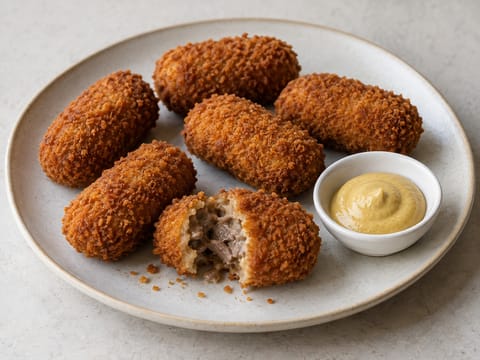
Crisp air-fried croquettes with a beef ragout filling.
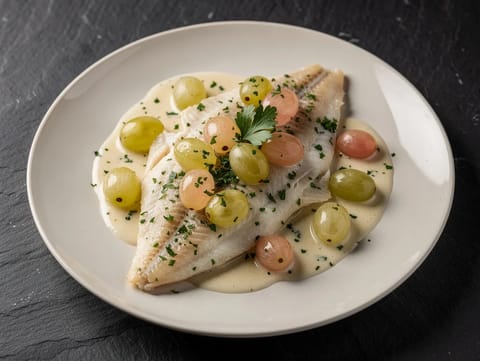
Poached sole with grapes in a white wine cream sauce
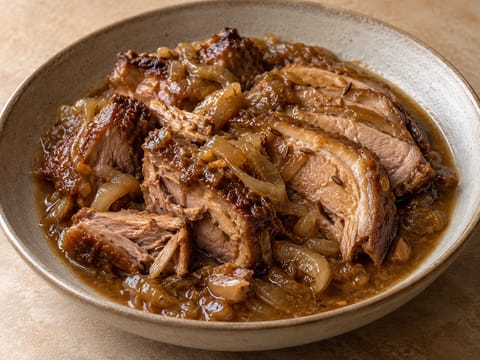
Pork shoulder slow-braised in lager with onion and caraway
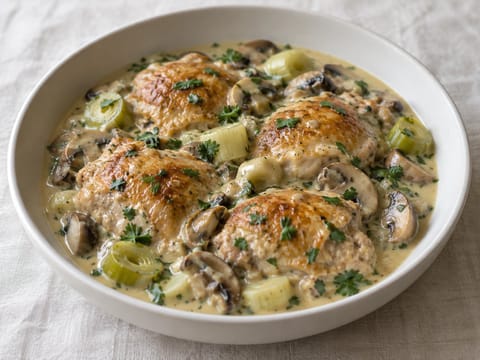
Chicken fricassée with mushrooms in a white wine cream sauce
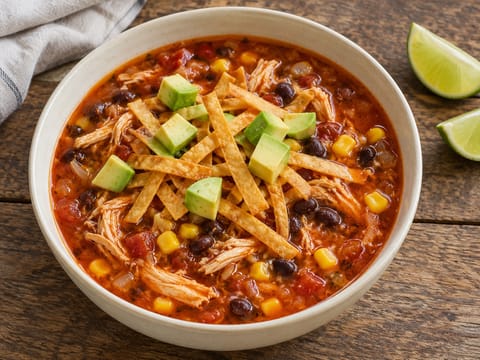
Chicken tortilla soup with black beans, sweetcorn and tortilla strips
Simmering is a controlled way to move heat into the centre of food. For collagen-rich meats, a long, steady simmer gradually softens connective tissue, giving a tender result without the shredding that can happen with more violent bubbling. For legumes and grains, simmering helps them hydrate and cook through evenly; too much agitation can break skins and make the pot starchy.
For sauces, simmering is often about gentle thickening. Starches swell and sauces reduce without scorching as easily as they might at higher heat, though you still need to stir if the base is thick. For eggs, custards and dairy-based mixtures, a bare simmer can prevent curdling that a boil would trigger.
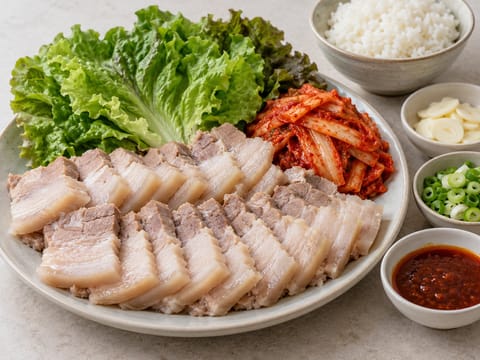
Boiled pork belly lettuce wraps with rice, kimchi and ssamjang
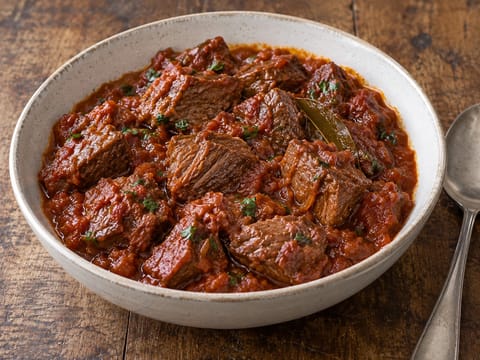
Greek beef stew braised in tomato and red wine
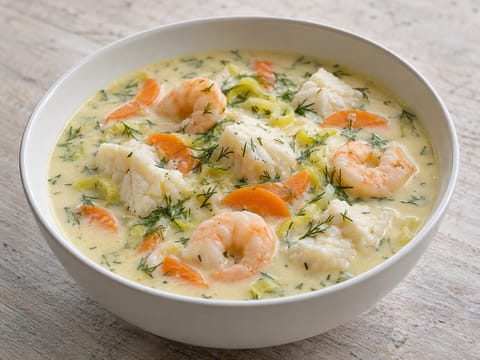
Creamy fish soup with cod, prawns, leeks and carrots
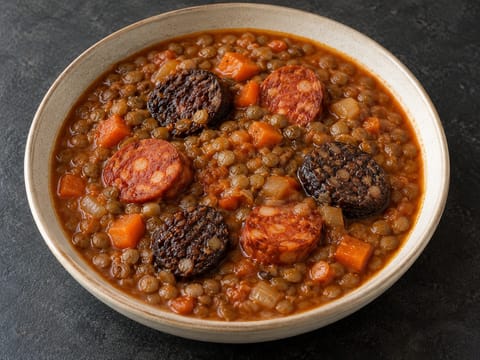
Spanish lentil stew with chorizo and morcilla
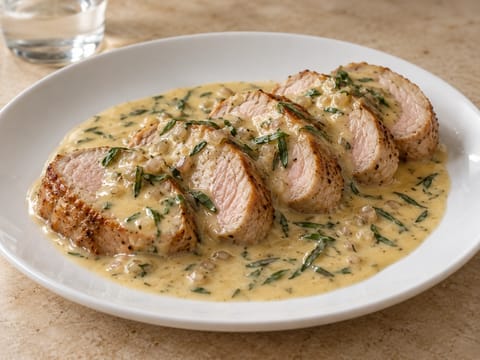
Seared pork tenderloin with Dijon and tarragon cream sauce
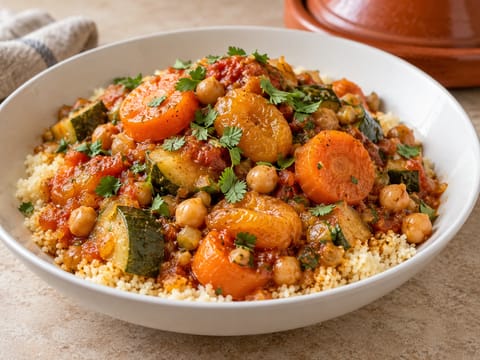
Vegetable tagine with chickpeas, tomatoes and dried apricots
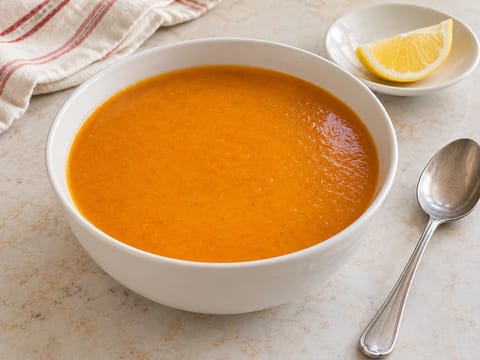
Smooth Turkish red lentil soup with vegetables and lemon
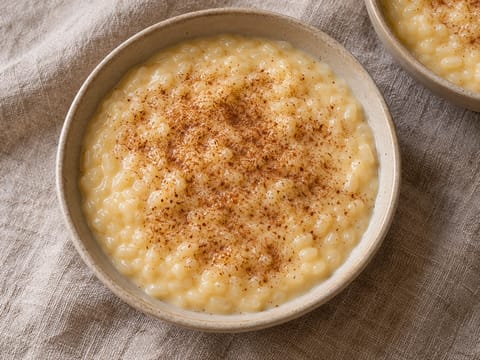
Portuguese rice pudding with cinnamon, egg yolks and lemon zest
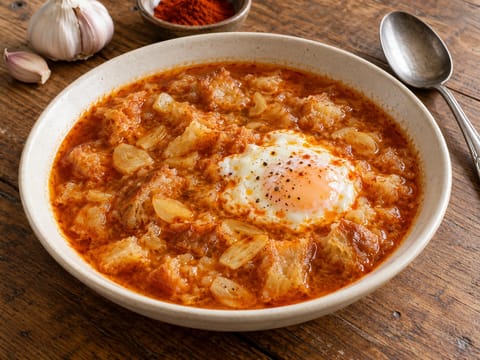
Garlic and bread soup with paprika and poached eggs
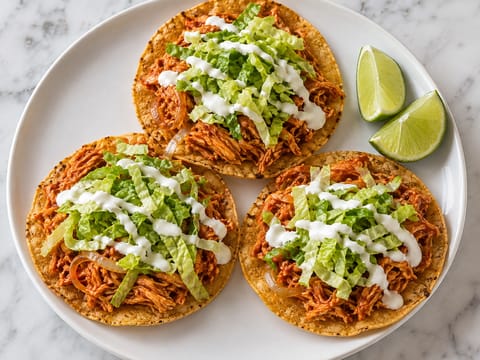
Crisp tostadas topped with chicken tinga, crema and lettuce
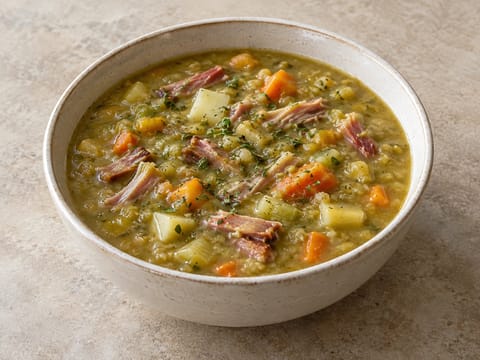
German split pea soup with smoked pork and vegetables
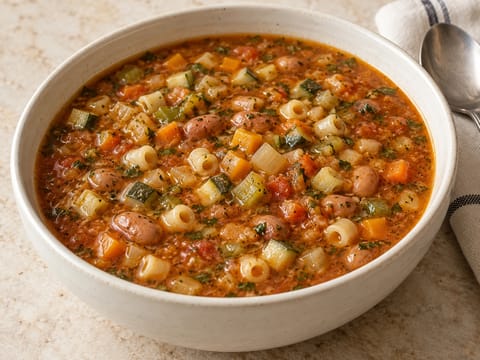
Vegetable, bean and pasta soup with pesto
Some recipes want a bare simmer, just a few bubbles, because the ingredients are fragile or the liquid should stay clear. Think poached chicken for shredding, fish in broth, or a delicate consommé-style soup. Others call for a lively simmer because the goal is reduction: tomato sauces, braising liquids that need to concentrate, or stocks that should gently bubble for hours.
Also notice whether the recipe simmers covered or uncovered. A lid traps heat and limits evaporation, which suits grains, pulses and dishes where you want a brothy finish. Uncovered simmering reduces and intensifies, but it also demands a little more attention to prevent sticking as the pot thickens.
On most hobs, the easiest way to hold a simmer is to bring the pot up to a boil first, then immediately reduce the heat until the surface calms. A wide pot evaporates faster than a tall narrow one, so the same heat setting can behave differently depending on the pan.
If you are simmering something that tends to foam, such as some pulses, keep the heat low enough that the foam does not climb, and give the pot enough headroom. For thick soups and sauces, a simmer can happen underneath the surface before you see bubbles; listen for a gentle blip and stir to check the bottom is not catching.
Simmering can mean anything from a quick sauce to an all-afternoon pot, so Cooking time is a useful companion when you are comparing recipes. Difficulty can also help: some simmered dishes are straightforward once the pot is set, while others involve careful skimming, staged additions or finishing steps that ask for more attention.
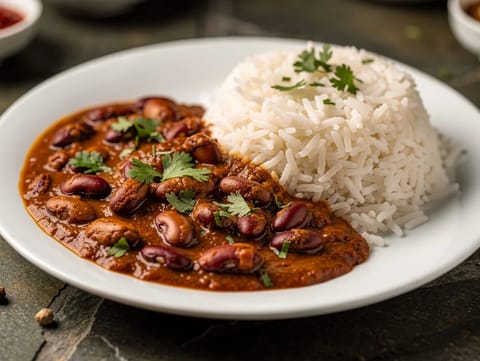
Kidney bean curry in tomato masala served with basmati rice
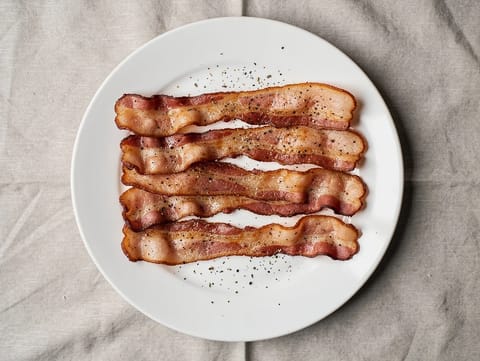
Crispy air fryer bacon cooked quickly in a single layer.
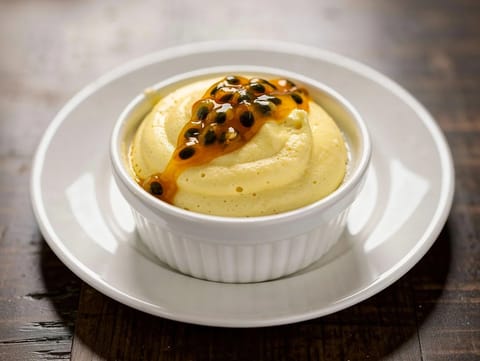
Chilled passion fruit mousse made with condensed milk and cream
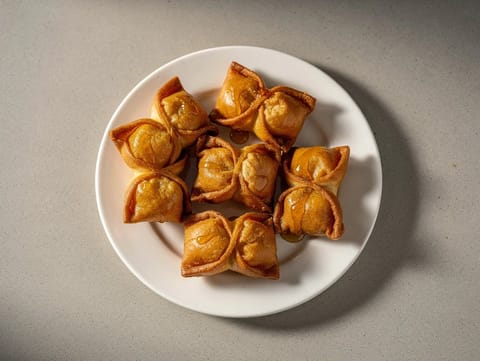
Crisp pestiños pastry fritters dipped in warm honey
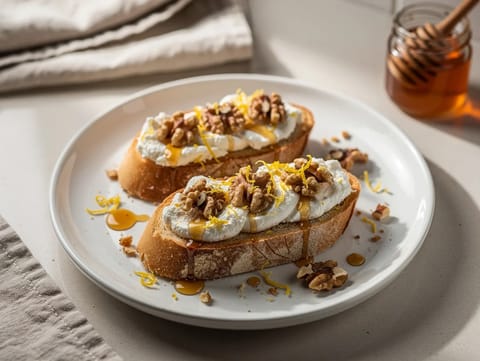
Toasted bread with ricotta, honey, lemon zest and walnuts
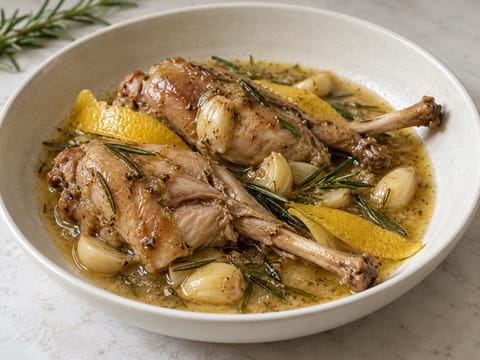
Rabbit braised with rosemary, garlic and white wine
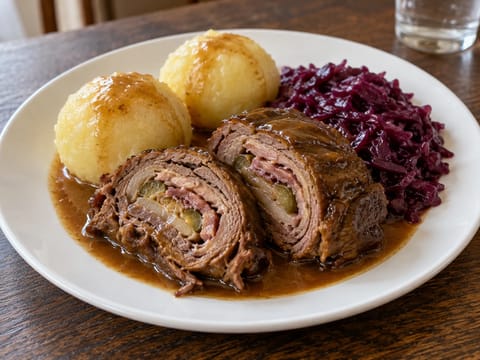
Braised beef roll with gravy, red cabbage and potato dumplings
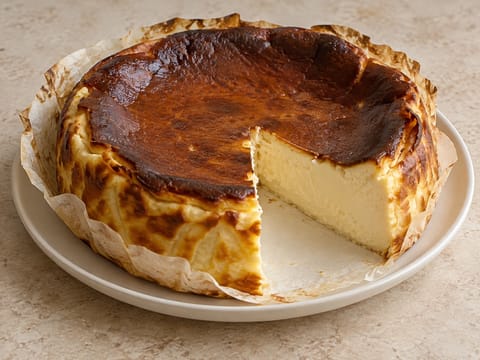
Crustless Basque cheesecake with a caramelised top
Look for small, steady bubbles and gentle movement rather than a rolling churn. The exact look varies with the pot and what is in it, but the key is low agitation and controlled heat.
Sometimes, but it changes results. Boiling can break delicate foods, make broths cloudy and encourage thick sauces to catch on the bottom. If speed matters, choose a recipe written for a shorter cook rather than forcing a boil.
Proteins tighten as they heat, so meat can seem firmer before it becomes tender. A steady simmer over time is what allows connective tissue to soften; turning the heat up usually does not shorten that stage in a helpful way.
It depends on thickness. Clear broths and thin soups may need little stirring. Thick sauces, porridge-like grains and purées usually need regular stirring to prevent sticking and scorching.
A lid reduces evaporation and helps maintain temperature, which suits grains, pulses and brothy dishes. Uncovered simmering reduces and concentrates, which suits sauces and braising liquids that need to thicken.
A hard boil agitates proteins and fat into the liquid, making it cloudy. Starting with a gentle simmer and keeping it there helps the stock stay clearer.
When a recipe specifies a simmer, it is usually protecting texture: keeping a broth clear, cooking gently through the centre, or reducing without scorching. Match the simmer level to the dish, and you will often solve the biggest difference between ‘fine’ and ‘exactly right’.
