
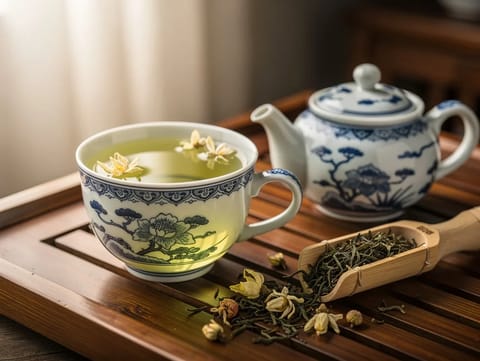
Jasmine Tea
Light, floral jasmine-scented green tea

Steeping is controlled extraction: you leave an ingredient in a liquid long enough to draw out aroma, flavour and sometimes colour, then remove it. It is the logic behind tea, coffee infusions, herb oils, spice-steeped syrups and many broths that start with a brief infusion.
Because steeping relies on time and temperature rather than vigorous cooking, small changes can swing the result from fragrant to harsh. Knowing what to watch for makes steeped recipes easy to choose and repeat.
Steeping is not the same as simmering. The liquid may be hot, warm or cold, but the ingredient is usually left undisturbed so flavours diffuse gently rather than being driven out by boiling. In many recipes, steeping is a distinct step: you infuse, strain, then use the flavoured liquid as the base for something else.
Steeping also differs from marinating. A marinade is about seasoning the food itself over time; steeping is about flavouring the liquid. That distinction matters when you are comparing recipes, because steeping often produces a clean, clear result, while simmering and reduction build body and concentration in different ways.
Light, floral jasmine-scented green tea
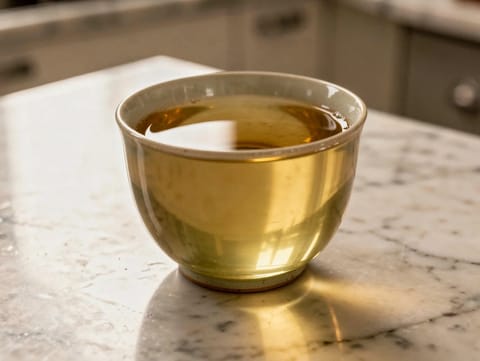
Japanese green tea blended with toasted rice
Brewed black tea is cooled slightly, then sweetened with honey and lemon
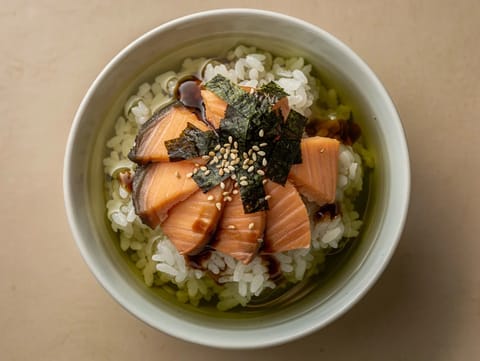
Steamed rice with salmon and nori, topped with green tea
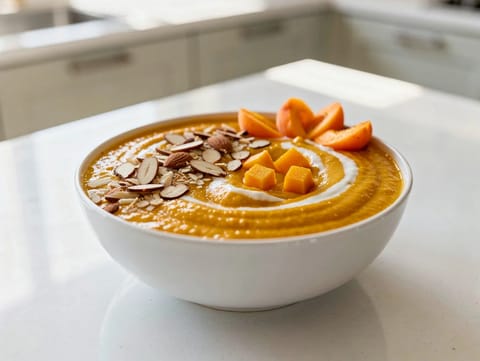
A thick apricot almond smoothie bowl with Greek yoghurt.
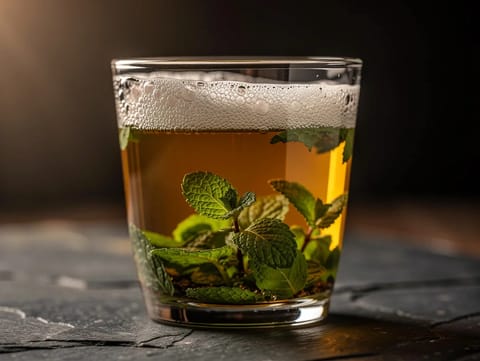
Sweet mint green tea served hot with a light foam
Most steeped recipes are built around three variables. Temperature controls what extracts quickly: hotter liquid pulls out aroma and tannins faster, while cold steeping tends to be slower and softer-edged. Time is the obvious lever, but it is not linear; some ingredients give their best early, then turn bitter or astringent if left too long.
Particle size changes the speed of extraction. Finely ground coffee, powdered spices or crushed herbs steep quickly and can become muddy or harsh if not strained well. Whole spices, citrus peel or tea leaves are easier to control because you can remove them cleanly when the flavour is where you want it.
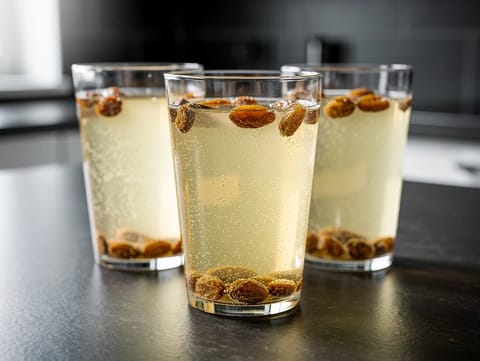
Finnish lemon sima, lightly fermented and served chilled with raisins
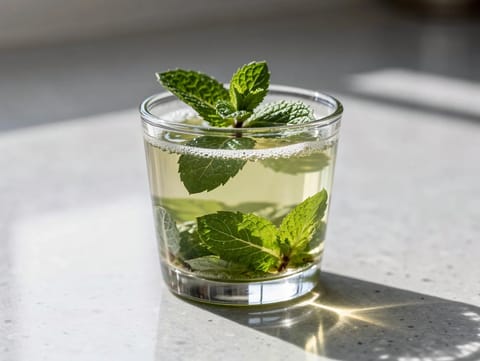
Green tea steeped with fresh mint and sugar, served hot

Italian lemon and basil sorbet churned smooth and frozen
Japanese green tea blended with toasted rice
Sweet mint green tea served hot with a light foam
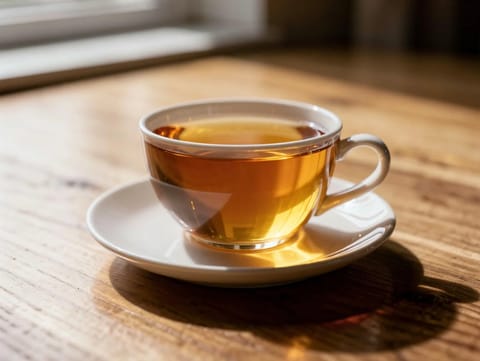
Fragrant oolong tea brewed in hot water, served plain or sweetened
Light, floral jasmine-scented green tea
Steamed rice with salmon and nori, topped with green tea
A thick apricot almond smoothie bowl with Greek yoghurt.
Steamed green tea leaves brewed in hot water, then strained and served immediately
Brewed black tea is cooled slightly, then sweetened with honey and lemon
Over-steeping is the classic problem. With tea, coffee, citrus peel and many herbs, leaving the ingredient in too long can bring bitterness, dryness or a medicinal edge. Set a timer if you are easily distracted, and taste the liquid rather than guessing.
The second issue is heat that is too high. Pouring fully boiling water over delicate green teas or tender herbs can scorch flavours and emphasise harsh notes. Let the kettle settle briefly, or use hot-but-not-boiling water when the recipe suggests it. Finally, strain thoroughly: fine particles continue extracting in the cup or jug, even after you think you have finished steeping.
Steeping does not require specialist kit, but the right tools make results more consistent. A teapot or heatproof jug with a lid helps hold temperature for hot infusions. A fine-mesh sieve is useful for spices and loose tea; for very fine particles, a coffee filter or clean cloth can give a clearer finish.
For cold steeping, a jar with a tight lid is practical because you can shake briefly, then leave it undisturbed in the fridge if the recipe calls for it. If you are steeping aromatics in dairy or cream, a heavy-based saucepan helps you warm gently without scorching, even if the steep itself happens off the heat.
Steeping is often quick in active effort but variable in waiting time, so Cooking time can help you compare recipes that infuse briefly versus those that need a longer rest. Equipment is also useful here, because some steeped drinks and infusions assume a grinder, infuser, filter or a very fine strainer.
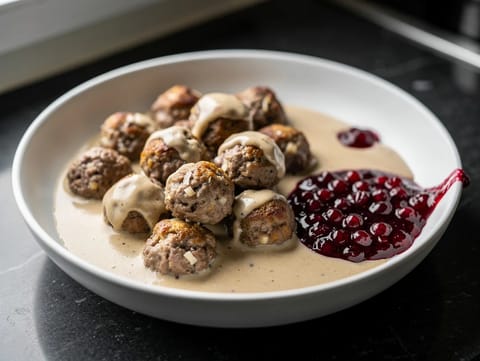
Air fryer Swedish meatballs with cream gravy and lingonberry jam.
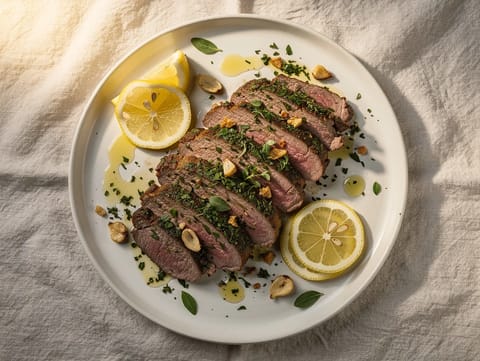
Air-fried lamb with garlic, lemon and herbs.
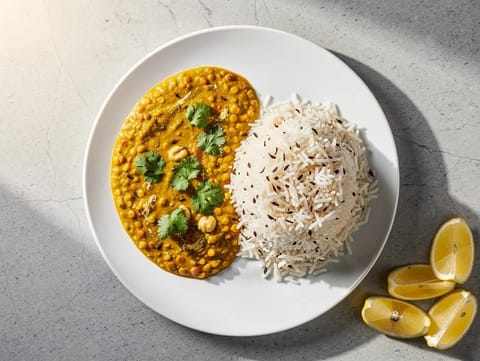
Red lentil dal with cumin, garlic and chilli tadka

Crispy air-fried chicken in a glossy sesame sauce.

Breaded white fish fillets cooked crisp in the air fryer.
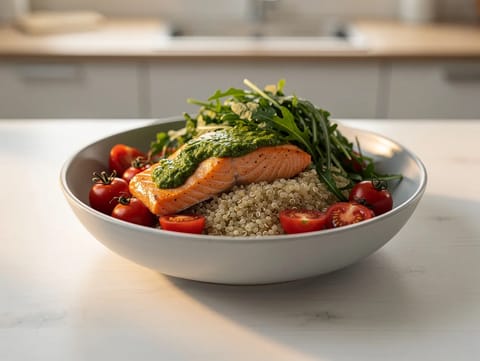
Salmon, quinoa and pesto bowl with rocket and tomatoes
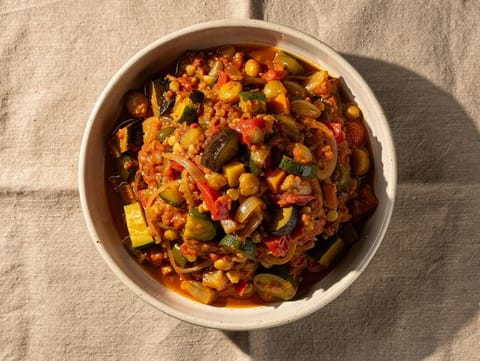
Slow-cooked vegetables with tomato, peppers, courgette and aubergine
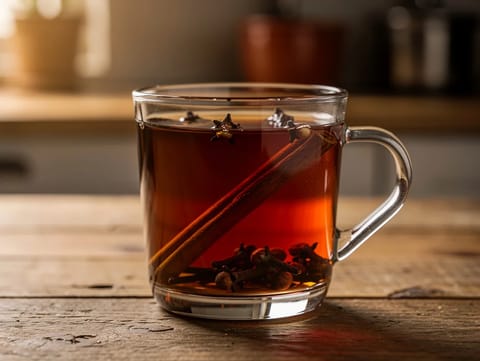
Hot black tea with dark rum and warming spices
No. Many infusions are hot, but cold steeping is common for coffee, some teas and fruit or herb infusions where you want a softer extraction.
Bitterness often comes from over-steeping, water that is too hot, or very fine particles extracting too quickly. Shorten the steep, lower the temperature, or use a coarser grind or larger pieces where possible.
Often, yes. Covering helps retain heat and traps volatile aromas. Some recipes steep uncovered on purpose, but if the goal is fragrance, a lid usually helps.
Steeping infuses with minimal agitation, usually off the boil, giving a cleaner, lighter result. Simmering spices cooks them in the liquid and can extract deeper, sometimes harsher notes, while also reducing the liquid if uncovered.
It depends on the herb and the recipe. Tender herbs can taste bruised or overly grassy with fully boiling water. Many recipes use hot-but-not-boiling water or steep off the heat for better control.
Use larger pieces when you can, avoid crushing too finely, and strain well. Fine particles left in the liquid continue extracting and can make the flavour harsher over time.
Choose steeped recipes when you want clean, aromatic flavour without the heaviness of reduction. Pay attention to the steeping variables the recipe gives you, especially temperature and time, and treat straining as part of the method rather than an optional tidy-up.
