
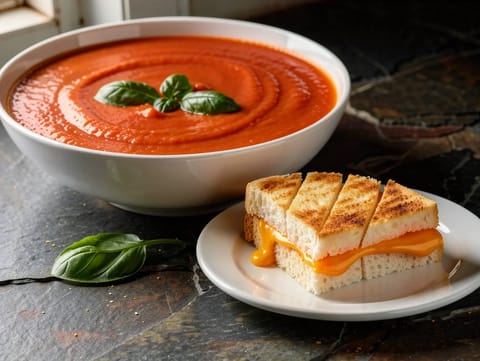
Grilled Cheese Sandwich with Tomato Soup
Cheddar grilled cheese served with smooth tomato soup

Everyday cooking is less about a specific style of food and more about repeatable decisions: what you can cook without derailing the day, what combines easily into a meal, and what still tastes good when served at a slightly unpredictable time. This is the place to look when you want reliable building blocks, not a showpiece. Think in terms of components you can reuse, dishes that scale up or down, and recipes that don’t depend on perfect timing to be enjoyable.
Everyday recipes tend to be defined by workflow rather than cuisine. They often use familiar ingredients, straightforward methods and equipment most home cooks already have. The flavours can be bold or mild, but the cooking usually avoids fragile steps that demand constant attention. You’ll often find dishes that can be served in more than one way: a pot of beans that becomes lunch the next day, a roast tray of vegetables that can sit alongside different proteins, or a sauce that works with pasta, grains or bread. ‘Everyday’ also leaves room for no-cook and low-cook meals, where assembly and seasoning do most of the work.
Cheddar grilled cheese served with smooth tomato soup
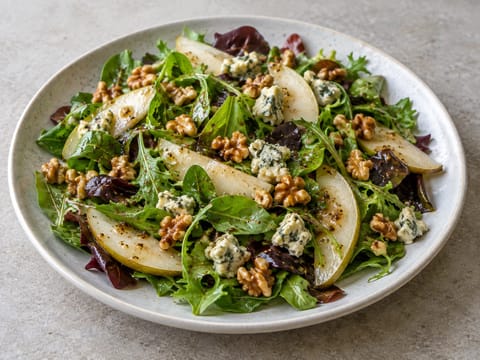
Salad with Stilton, pear and toasted walnuts
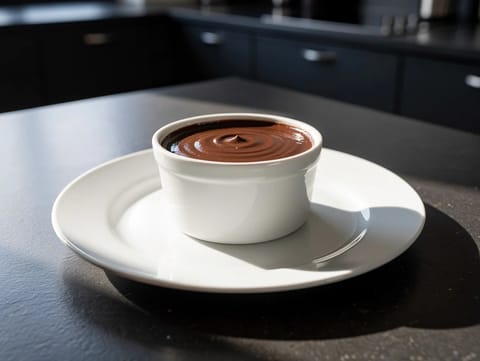
Silky baked chocolate custards chilled until spoonable
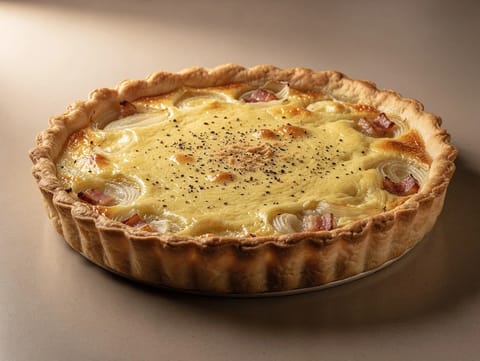
Alsatian onion tart with bacon and crème fraîche custard
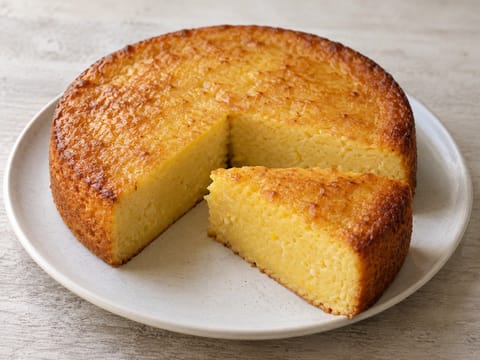
Tender Mexican sweetcorn cake with a soft, custardy crumb
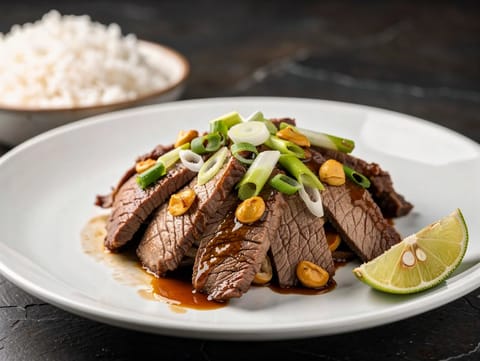
Thai beef stir-fry coated in oyster sauce and light soy
On busy days, look for one-pan or one-pot cooking where the heat does the work while you get on with other things. When you have a little more time, choose recipes that create useful leftovers or components, such as a big batch of grains, a slow-cooked ragù, or a tray of roasted vegetables. If you’re feeding different appetites, recipes with add-on toppings and sides can help: a base dish plus optional chilli, herbs, cheese, toasted nuts or a crunchy salad. For lighter eating, gravitate towards brothy soups, vegetable-forward stir-fries, or salads with a substantial element like pulses, eggs or grains so they still feel like a meal.
Monkfish and clams simmered in a light tomato and white wine broth
Juicy paneer bhurji with onion, tomato and spices, served with toast
Pork loin steaks topped with blended red pepper, onion and sherry vinegar sauce
Crisp sweet pastry filled with baked passion fruit custard, served chilled
Blended tomato soup with onion, garlic and double cream, served with crusty bread
Imarti are crisp fried lentil spirals briefly soaked in saffron and cardamom sugar syrup
Cake-style sour cream doughnuts flavoured with nutmeg, finished with a glaze
Chocolate whoopie pies filled with vanilla buttercream and baked until springy
Neat finger sandwiches with smoked salmon, cucumber and lemony cream cheese
Buttery toastie with melted mature cheddar and tangy Branston pickle
Oven roasted potatoes and vegetables with tomato, oregano, parsley and lemon
Golden sfogliatelle filled with ricotta, semolina and candied orange peel
Everyday menus come together fastest when each dish has a clear job. A simple structure is: a main element, something starchy or bready, and something fresh or sharp. If the main is rich, add acidity and crunch; if it’s lean, add a sauce or dressing that brings richness. Think about how you’ll serve it: bowls and platters suit mix-and-match eating, while composed plates suit smaller households. It also helps to avoid repeating the same texture across the meal. Two soft dishes can feel monotonous, so pair a stew with a crisp salad, or a creamy pasta with roasted vegetables.
Course is a practical next step when you’re turning everyday recipes into a complete meal, especially if you want a side dish or a simple dessert to round things out. Collections can also help when you want a particular kind of everyday cooking, such as batch-friendly staples or quick assemblies.

Choux pastry gougères with Gruyère and diced ham
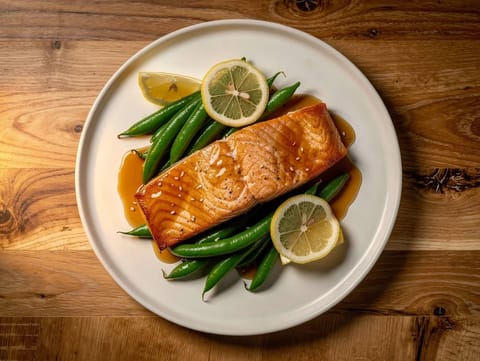
Glazed salmon with green beans
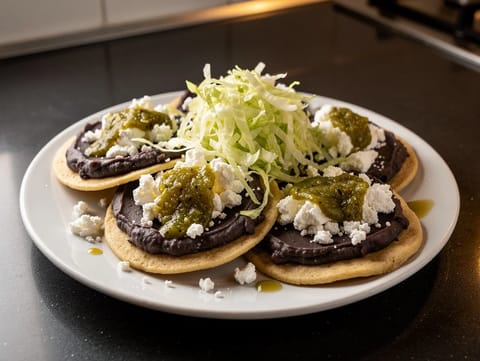
Griddled masa memelas topped with black beans and salsa verde

Air fryer fruit tart with custard, fresh fruit, and glaze.
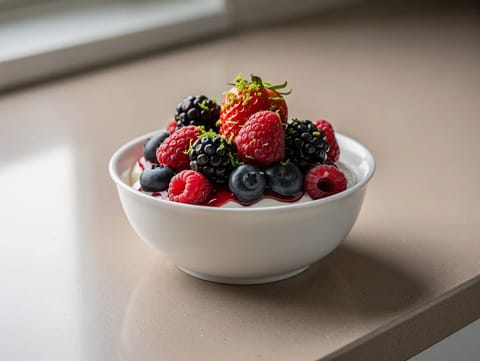
Vegan coconut panna cotta topped with mixed berries
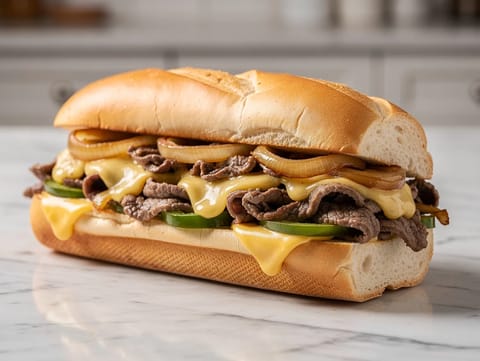
Cheesesteak roll with beef, onions, peppers and provolone
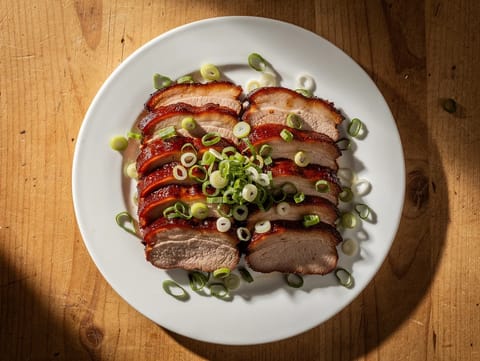
Roasted char siu pork with a glossy hoisin and honey glaze
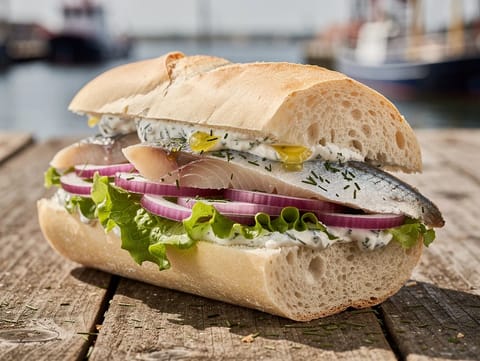
Pickled herring roll with red onion and dill sour cream
Often, but not always. Some everyday recipes are fast; others take longer but are low-effort, hands-off, or designed to provide leftovers that make later meals easier.
Change the ‘contrast’ element. Keep a familiar main, then rotate the fresh side, the sauce, or the crunchy topping. Small shifts in acidity, herbs and spice can make a repeat feel different.
Choose recipes that allow optional add-ons at the table, such as heat, extra richness, or additional vegetables. Bowls, wraps and platter-style meals are naturally adaptable.
No. Everyday cooking can be boldly spiced or chilli-forward. The ‘everyday’ part is usually about method and reliability rather than a specific flavour level.
Prep components that can be used in several directions: cooked grains, roasted vegetables, a pot of beans or lentils, a versatile dressing, or a sauce that can be stretched with different proteins or vegetables.
Dishes with sauces, stews and braises often reheat well because the moisture protects texture. Crisp foods and delicate salads are usually best made close to serving.
Pick recipes that play well together: one anchor, one contrast, and one flexible extra. With a few dependable components in the fridge, everyday cooking becomes more about assembling good meals than starting from scratch each time.
