
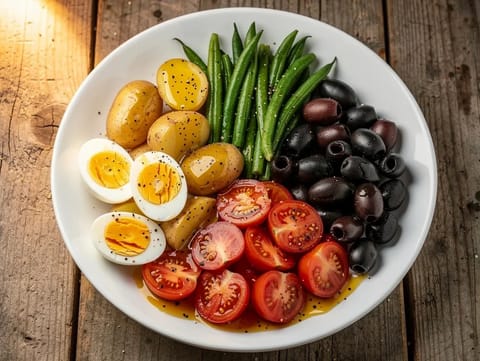
Salade Niçoise Végétarienne (Vegetarian Niçoise-Style Salad)
Niçoise-style salad with potatoes, eggs, tomatoes and olives

A good picnic recipe is designed for transport first and eating second. It should pack without leaking, taste good at cool or room temperature, and be easy to portion with minimal equipment. In practice that points you towards sturdy salads, hand-held bakes, sandwiches and wraps, plus snacks and sweets that do not melt or crumble into dust. The most successful picnic spreads also include something crisp and something juicy, so the meal feels fresh even when everything has been made ahead.
Picnic-friendly recipes are those that keep their structure. Think pastries and savoury tarts that slice cleanly, pasta or grain salads that do not wilt, and sandwiches that stay pleasant even after a little time in a container. Foods that rely on being piping hot, ultra-crisp, or delicately plated are harder to enjoy outdoors.
Moisture management is the hidden skill. Tomatoes, cucumbers and dressed leaves can weep; warm food can steam itself soggy in a sealed box. Recipes that separate wet and dry components, or use sturdier leaves and thicker dressings, tend to travel better.
Picnics also bring practical constraints: limited hand-washing, uneven surfaces, and variable weather. The best choices are those you can eat neatly, with one hand if needed, and without a lot of last-minute assembly.
Niçoise-style salad with potatoes, eggs, tomatoes and olives
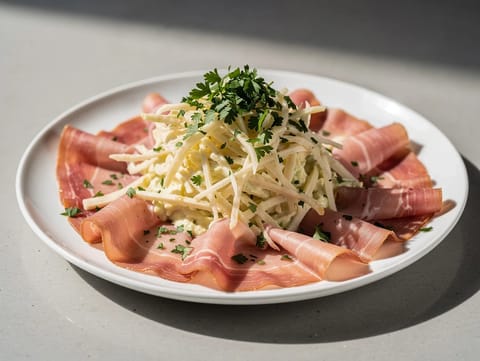
Celeriac rémoulade with mustard and lemon mayonnaise
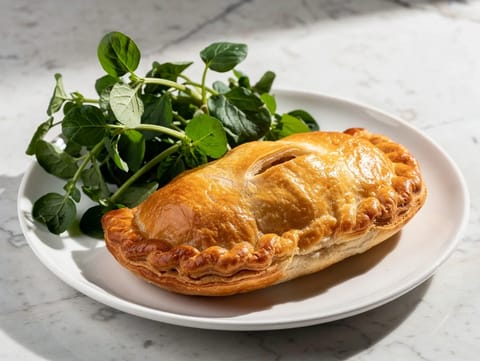
Baked chicken and leek pasty with a creamy mustard filling.
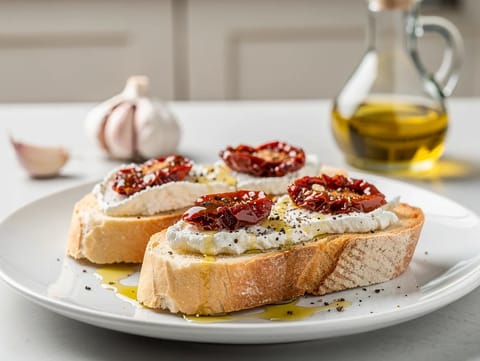
Toasted crostini topped with ricotta and sun-dried tomatoes
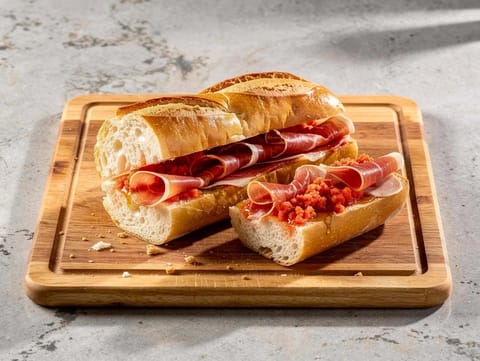
Spanish baguette sandwich with jamón serrano and grated tomato
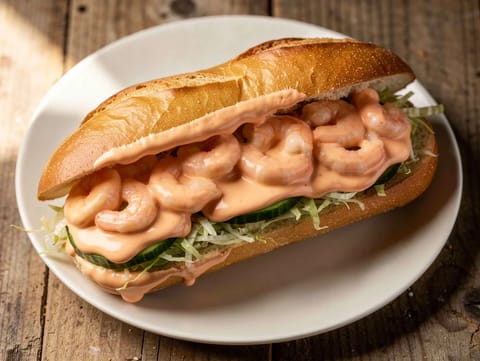
Baguette filled with prawns in Marie Rose sauce
If you are carrying food any distance, favour compact items that stack: wraps, filled rolls, slices of frittata, savoury muffins, or bars and biscuits. For a picnic table or car-boot set-up, you can bring larger platters and salads.
For hot days, lean towards foods that are naturally served cool, and avoid anything that becomes greasy as it warms. For cooler weather, baked items and hearty salads can feel more satisfying.
If you want a “no cutlery” picnic, choose finger foods and pre-cut fruit. If you do not mind bringing a spoon and a small knife, you can widen the options to include dips, spoonable salads and slice-and-serve bakes.
When in doubt, pick recipes that taste good without reheating and without a last-minute sauce.
Neat finger sandwiches with smoked salmon, cucumber and lemony cream cheese
Greek style pasta salad with feta, Kalamata olives and lemony oregano dressing
Hard-boiled eggs mashed with mayonnaise, Dijon mustard and paprika, piled into white bread
Ricotta, spinach and Parmesan tart baked in a crisp shortcrust pastry case
Smoked turkey and avocado club with streaky bacon, tomato, lettuce and mayonnaise
Chilled macaroni salad tossed in a creamy Dijon mustard dressing
Pan bagnat with tuna, vegetables, egg and olives, rested until softened
Pack wet items separately. Keep dressings in a small jar, and add them just before eating. For sandwiches, use barriers like butter, mayonnaise, cheese or a leaf layer to slow sogginess from juicy fillings.
Cool cooked food before sealing it. Trapping steam in a container softens pastry and coatings, and it can keep food in an unsafe temperature zone for longer.
Bring a few practical extras: napkins, a small bin bag, and a way to keep chilled foods cold if they include dairy, eggs, fish or meat. Outdoors, it is easy to lose track of time, so choose recipes that are comfortable to eat promptly and pack away.
Finally, cut and portion at home. A picnic is more enjoyable when you are not balancing a loaf and a knife on your knees.
Season can help you plan picnic food around the weather, from spring salads and summer fruit to more robust bakes in early autumn. Course is also useful when you want to balance the spread, for example pairing a portable main with a snack, a side salad and a simple dessert.
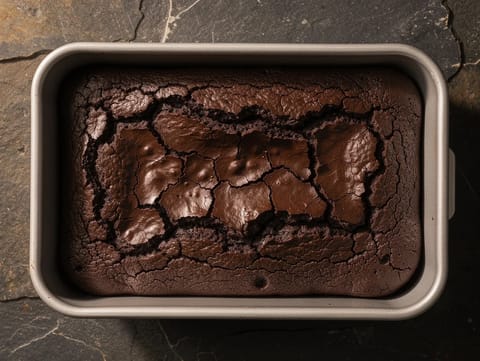
Fudgy air fryer brownie bites with cocoa and dark chocolate.
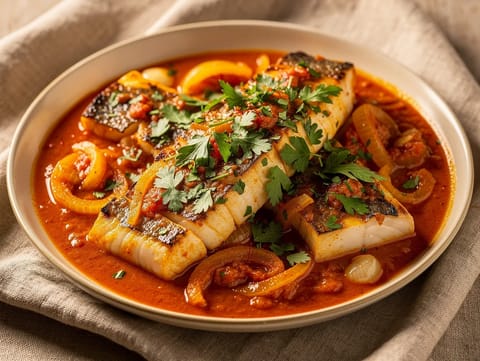
Spanish monkfish simmered in tomato, white wine and saffron sauce
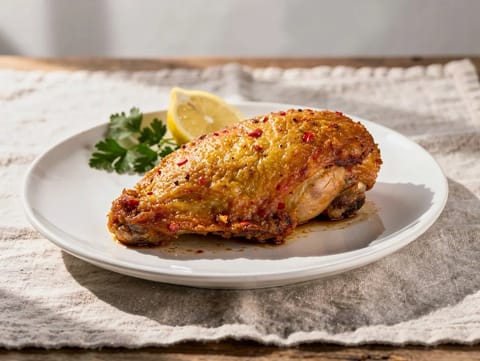
Spiced, hot-sauce chicken turns crisp and tender in the air fryer.
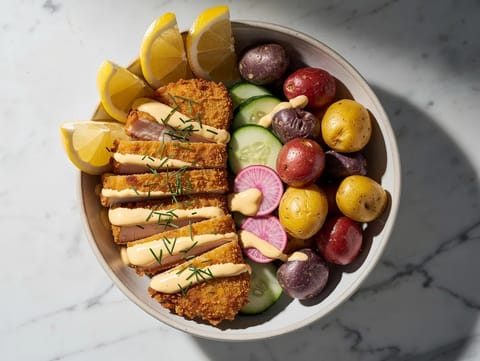
Crispy pork schnitzel bowl with potatoes and mustard yoghurt dressing
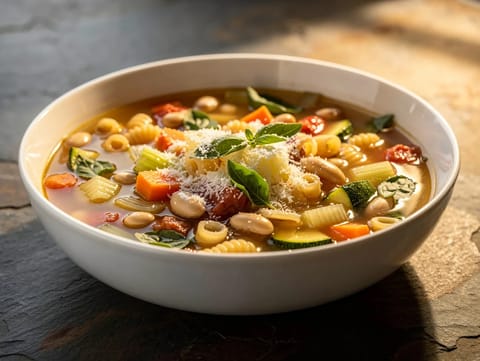
Brothy minestrone with vegetables, cannellini beans and small pasta
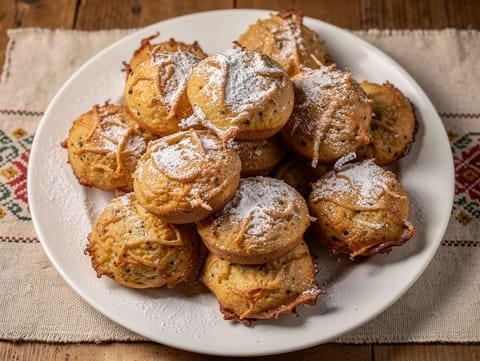
Mini apple fritters fried golden with cinnamon
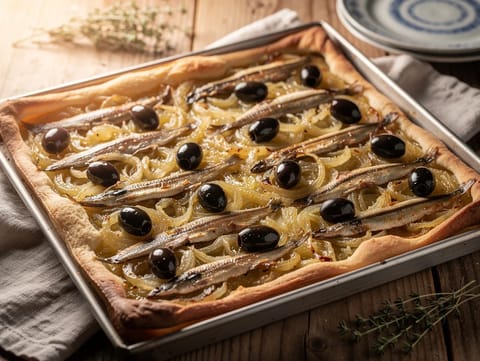
Niçoise onion tart topped with anchovies and black olives

Boiled beef and vegetables served in a clear broth
Foods that hold their shape and taste good cool or at room temperature: wraps and sandwiches with moisture barriers, sliceable bakes, sturdy salads, and small sweets like bars or biscuits.
Keep juicy fillings away from bread by using butter, mayonnaise, cheese or leaves as a barrier. Pack wet components separately where possible, and assemble closer to eating.
You can, but it is trickier. Hot food steams in containers and loses crispness, and it needs careful temperature control. Many picnic-friendly recipes are designed to be eaten cool instead.
Anything that melts easily, leaks, or needs precise timing to be good. Delicate fried foods, heavily dressed leafy salads, and desserts that require refrigeration can be awkward outdoors.
Combine a portable main with something crisp or fresh, plus a snack and a simple sweet. Contrast in texture and acidity helps, especially if the main items are rich or pastry-based.
When you choose recipes that pack neatly and eat well without reheating, the picnic feels effortless. Keep wet and dry separate, portion everything at home, and let the food be a backdrop to being outdoors.
