
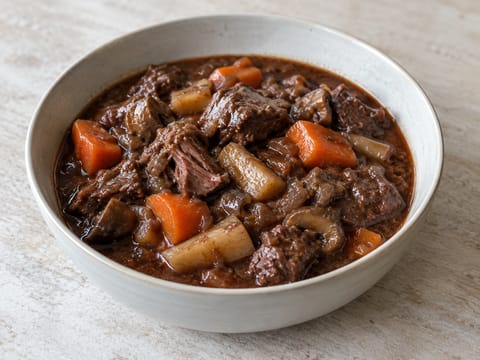
Venison Stew with Root Vegetables
Venison stew with root vegetables in a rich gravy
Autumn cooking is about the turn from light, quick meals to food with a bit more depth and warmth. As days shorten, recipes often lean on the oven and the hob: roasting, baking, simmering and braising become practical again, and dishes tend to feel more filling without needing to be heavy. This is also a season where planning ahead pays off, because many autumn-friendly foods improve after a rest, and components like roasted vegetables, cooked grains and slow-cooked sauces can be used in more than one meal.
An autumn recipe is usually defined less by a strict ingredient list and more by how it eats and how it’s cooked. You’ll often see warmer serving temperatures, richer textures and flavours that develop with time in the oven or pan. Think caramelisation from roasting, sweetness drawn out of vegetables, and sauces that cling rather than splash. Autumn food also tends to welcome contrast: a sharp dressing on roasted roots, a spoon of yoghurt on a spiced stew, or a handful of toasted nuts over a creamy soup. Those balancing touches keep filling dishes from tasting flat as the weather cools.
Venison stew with root vegetables in a rich gravy
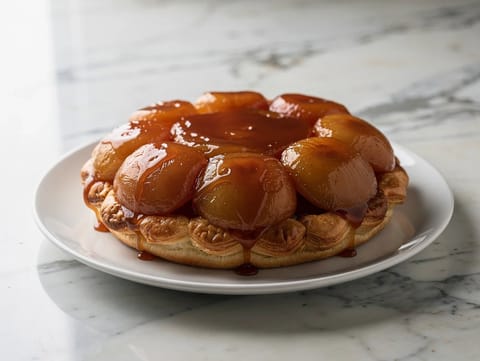
Upside-down caramelised apple tart with puff pastry
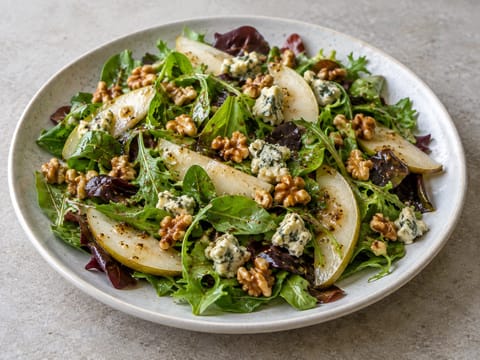
Salad with Stilton, pear and toasted walnuts
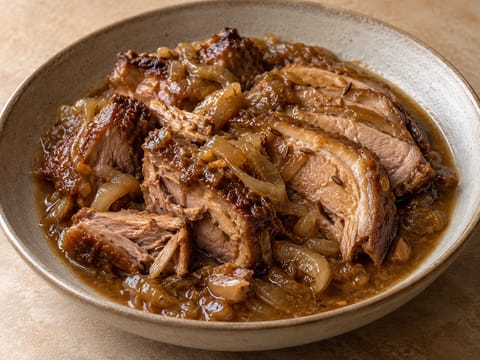
Pork shoulder slow-braised in lager with onion and caraway
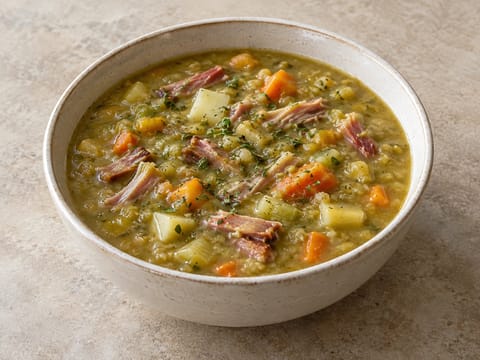
German split pea soup with smoked pork and vegetables

Slow-roasted pork shoulder with crisp crackling and roasting juices
Autumn flavours commonly build from a few reliable building blocks: browned onions or leeks, roasted garlic, toasted spices, and herbs that stand up to heat such as thyme, rosemary and sage. Sweetness is often part of the picture, whether from squash, carrots, parsnips, apples or dried fruit, so recipes frequently include a counterweight like mustard, vinegar, citrus, wine or tomatoes. Texture matters too. A soft base (mash, polenta, risotto, soup) is often paired with something crisp or chewy: croutons, seeds, nuts, browned breadcrumbs, or a well-roasted tray of vegetables. These patterns are useful when you want an autumn feel even with what you already have.
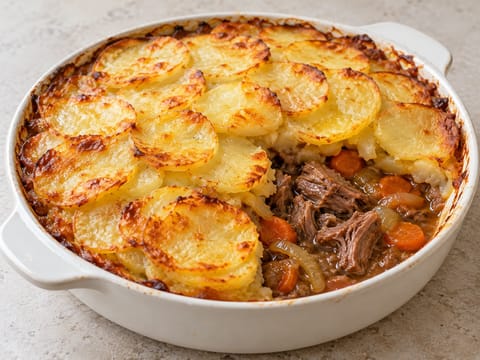
Lamb and onion hotpot with a golden sliced potato topping

Bratwurst traybake with potatoes, apple, onion and sauerkraut

A fruity fig and orange smoothie with Greek yoghurt.
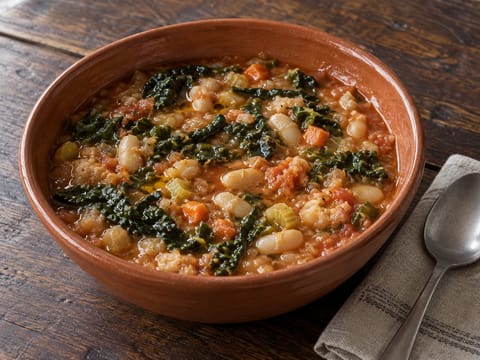
Light Tuscan bean soup thickened with stale bread
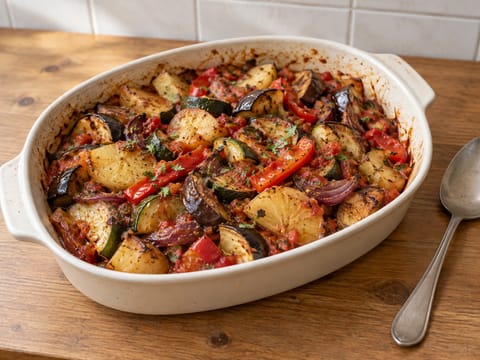
Greek roasted vegetable bake with tomato and olive oil

Smooth parsnip soup with cumin and double cream
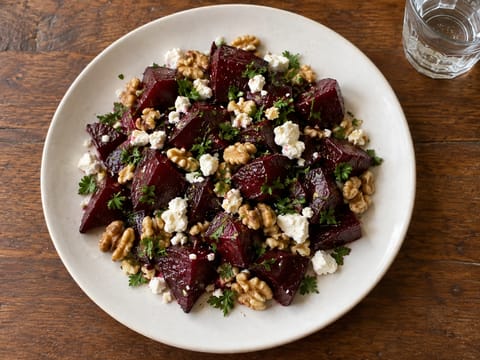
Roasted beetroot salad with walnuts, vinaigrette and goat’s cheese
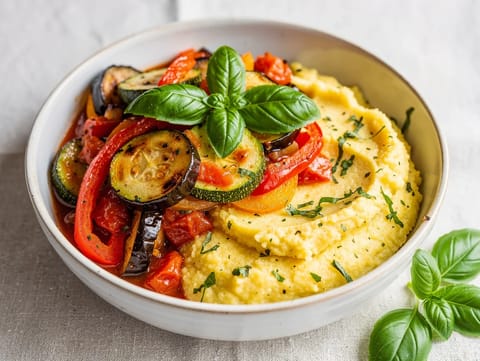
Vegan ratatouille served over creamy polenta with fresh herbs

Alsatian flatbread with crème fraîche, mushrooms, lardons and onion

Crisp tarte flambée with crème fraîche, bacon and onions
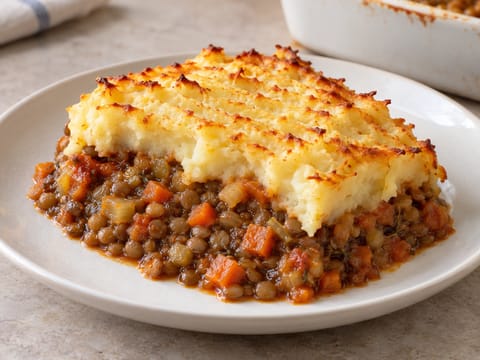
Vegan lentil cottage pie with mashed potatoes
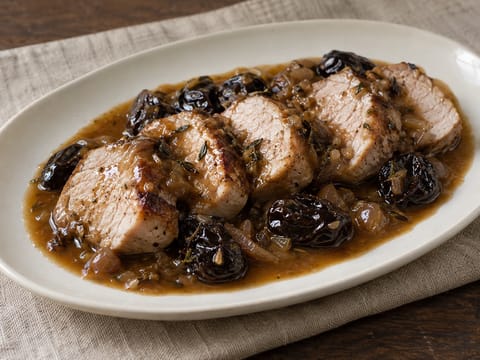
Seared pork tenderloin with prunes in an Armagnac sauce
If you want something properly sustaining, look for recipes that include a starchy element (potatoes, beans, lentils, pasta, rice or bread) alongside vegetables or protein, rather than relying on one component to do all the work. For a lighter autumn plate, choose dishes that use the oven for colour and flavour but finish with something fresh: a green herb sauce, a sharp salad, pickled onions, or a squeeze of lemon. When time is the constraint, autumn still offers quick wins: roasting can be hands-off, and a fast soup or dhal can taste rounded if you start by browning aromatics and finish with a bright garnish. For make-ahead ease, favour stews, curries, casseroles and baked pasta styles that reheat without losing their texture.
If you’re cooking to what looks good at the market, browsing by Ingredient helps you lean into autumn produce and the flavours it naturally brings. For meals tied to the calendar, Occasion is a useful companion in this season, when gatherings and celebrations often call for dishes that hold well, travel well, or can be served warm in stages.

Thick masa cakes topped with beans, lettuce, salsa and cotija
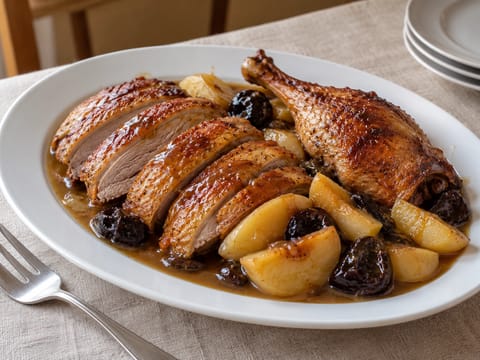
Danish roast duck stuffed with apples and prunes

Baked salmon topped with dill pesto and toasted pumpkin seeds
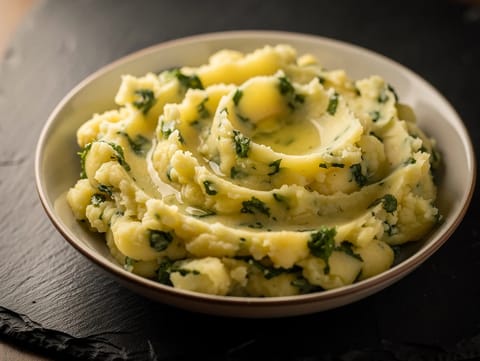
Warm Dutch potato and endive mash with mustard

Italian board with salami, prosciutto, cheeses, olives and artichokes

Boondi sweets shaped into cardamom ladoo
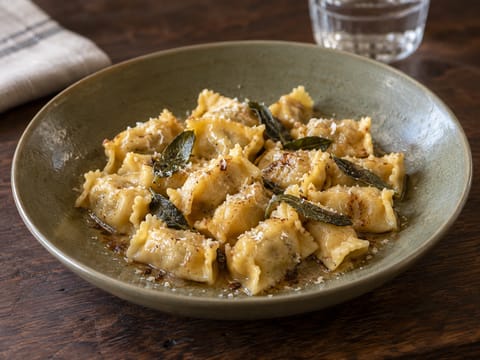
Filled agnolotti tossed in brown butter and sage

Baked red peppers stuffed with minced beef, rice and tomato passata
In practice it starts when you’re happy to turn the oven on again and you begin craving warmer textures. Ingredient availability varies by region, so the shift is often more about weather and cooking method than a specific date.
Roasting, baking, simmering and braising fit the season because they build flavour through browning and time. They also suit batch cooking, which can make midweek meals easier later on.
Add contrast. A little acidity (vinegar, citrus, tomatoes), bitterness (greens), or freshness (herbs) can lift rich dishes. Crunchy toppings also help, especially on soups and creamy bakes.
Not necessarily. Many autumn ingredients work well warm or at room temperature, and roasted vegetables, grains and pulses often make satisfying salads when dressed assertively.
Often it’s structure rather than fat: beans, lentils, potatoes and whole grains give a steady, satisfying texture. Pair them with vegetables and a bright dressing or sauce to keep the overall flavour clear.
Many do, especially stews, braises and spiced dishes, because flavours mingle as they rest. Recipes with crisp toppings or delicate greens may need those elements added just before serving.
Autumn is a good moment to let the oven do more of the work and to choose recipes that reward a little browning and a little time. Start with the level of comfort you want, then use acidity, herbs and texture to keep the flavours lively.
