
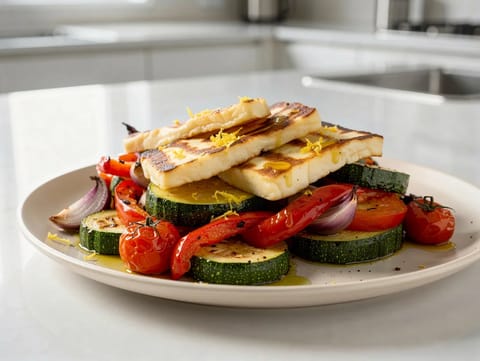
Halloumi and Roasted Vegetable Traybake
Halloumi traybake with roasted courgette, pepper and tomatoes
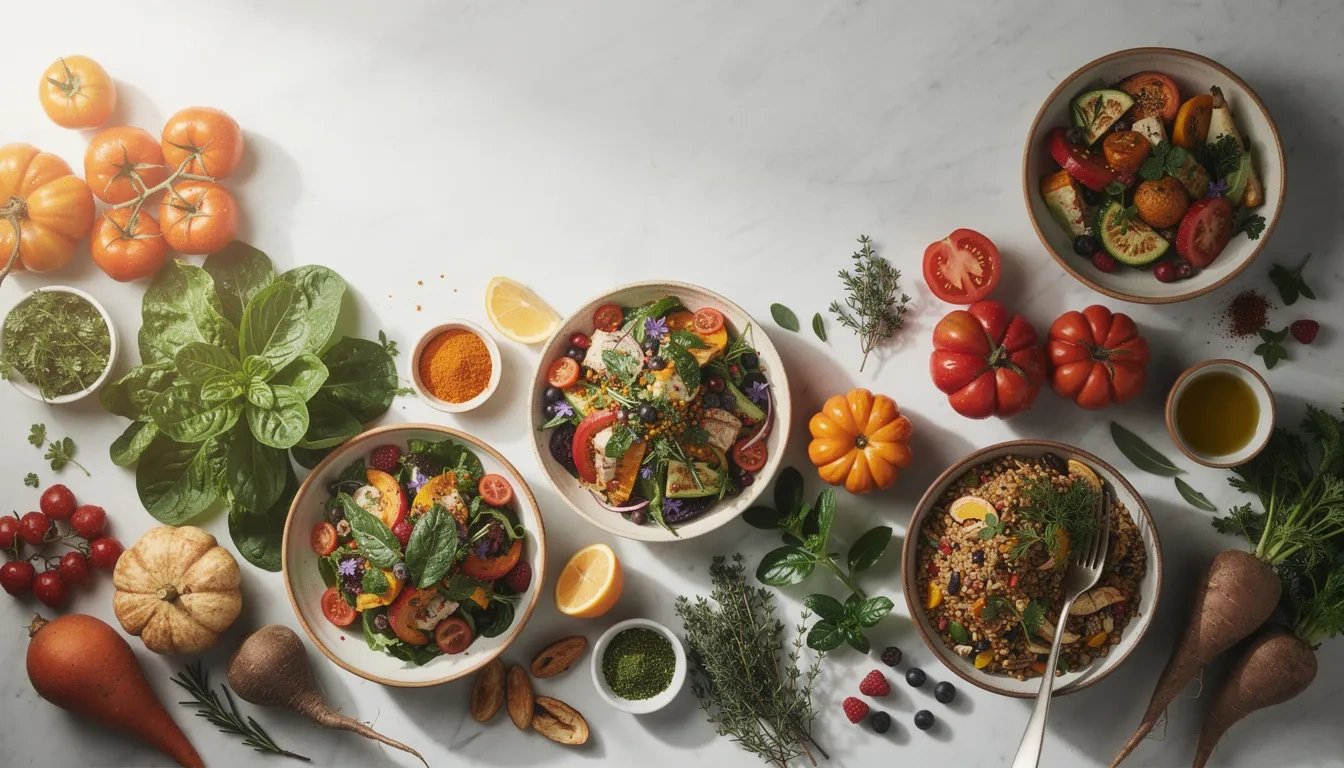
Summer recipes are at their best when they respect ripe produce and the reality of a warm kitchen. That usually means shorter cooking, bolder seasoning and plenty of contrast: juicy with crunchy, hot with cold, rich with sharp. When ingredients are sweet and fully flavoured, you can often do less to them, but you still need a plan for texture and temperature so the finished dish feels deliberate rather than simply assembled.
Summer cooking is often produce-led: tomatoes, peppers, courgettes, aubergines, berries and stone fruit are at their most persuasive when handled simply. Techniques tend to be quick and direct, such as grilling, pan-searing, fast roasting or minimal simmering, because long cooking can dull fresh flavours and heat up the house. Summer recipes also commonly lean on cold elements, whether that is a chilled sauce, a crisp salad, or a dessert served straight from the fridge or freezer. None of this rules out baking or slow cooking, but the overall balance usually stays bright, with acidity, herbs and a little bitterness to keep sweetness in check.
Halloumi traybake with roasted courgette, pepper and tomatoes
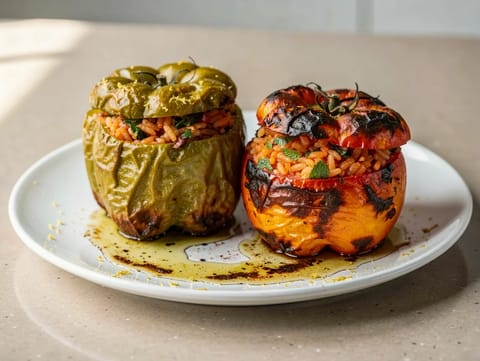
Peppers and tomatoes stuffed with herby rice and baked
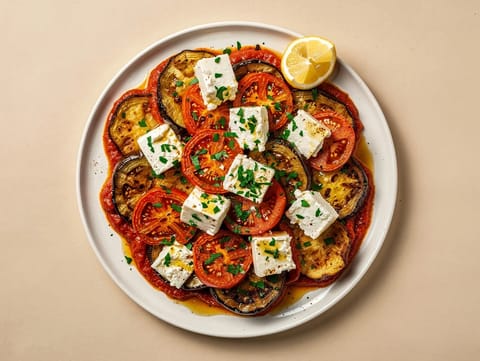
Roasted aubergine baked in tomato sauce with feta and oregano
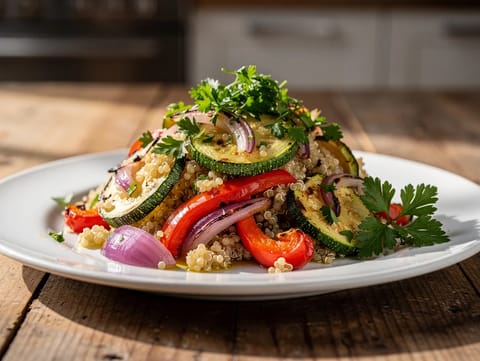
Quinoa salad with roasted courgette, pepper and onion
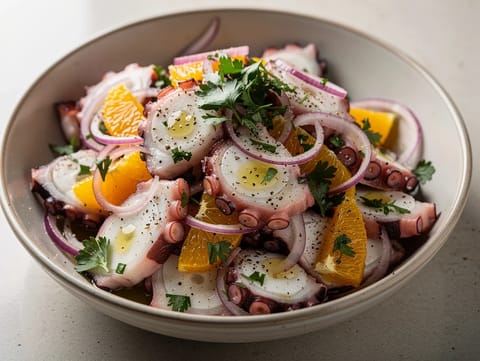
Chilled octopus salad with orange, lemon and parsley
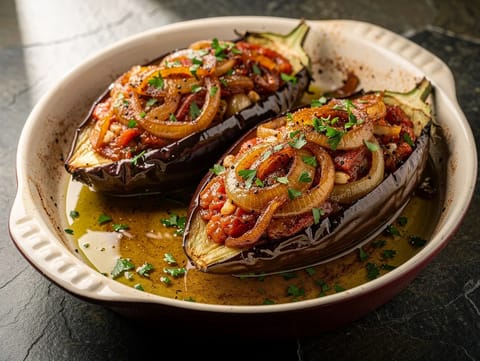
Baked aubergines stuffed with tomato, onion and garlic
When you browse summer recipes, expect a mix of low-effort plates and more involved projects that still feel season-appropriate. You may gravitate towards salads that are substantial enough to stand alone, grilled mains with quick sides, and vegetable-forward dishes that make use of high heat for short bursts. Summer also suits food designed for sharing: platters, skewers, dips and breads that can sit on the table without losing their appeal. For baking and desserts, summer often points towards fruit-led puddings, lighter cakes, and frozen or chilled treats where flavour comes from ripe fruit, citrus and herbs rather than heavy spicing.
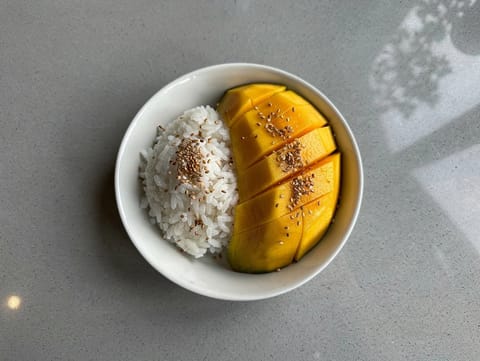
Thai mango sticky rice platter with coconut sauce
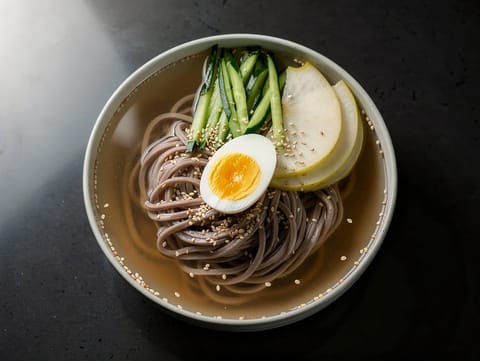
Cold buckwheat noodles served in tangy chilled beef broth
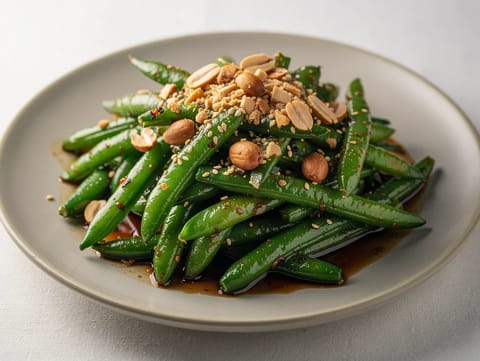
Green bean salad with black vinegar, chilli oil and peanuts

Chilled rice drink blended with cinnamon, vanilla and sugar
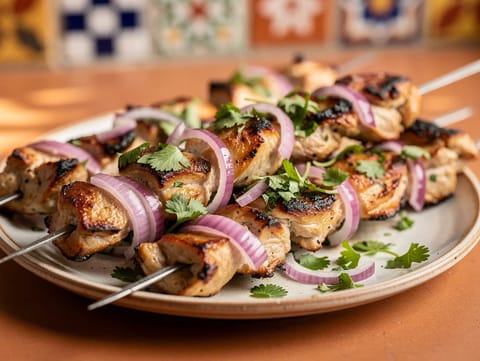
Grilled lime chicken skewers with cumin and smoked paprika

Chilled thandai made with spiced milk and blended almonds
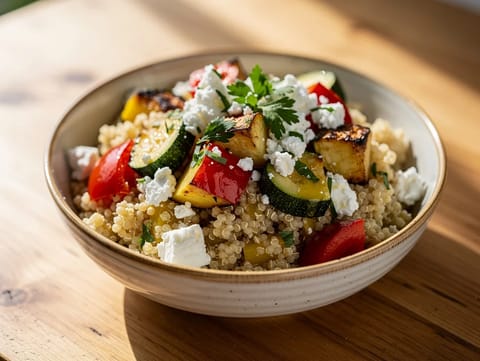
Millet bowl with roasted courgette, red pepper and feta
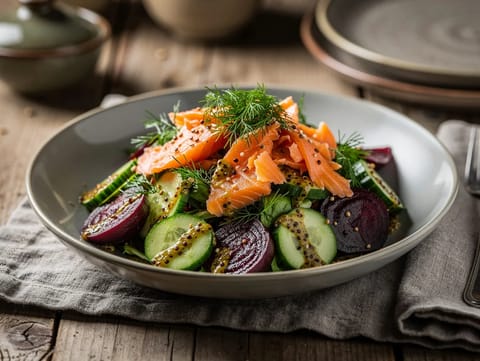
Hot-smoked salmon salad with roasted beetroot and dill
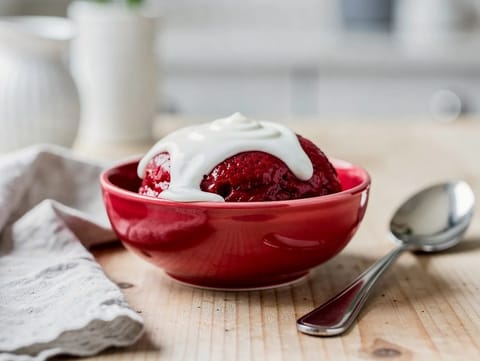
Chilled Nordic berry pudding served with cold double cream
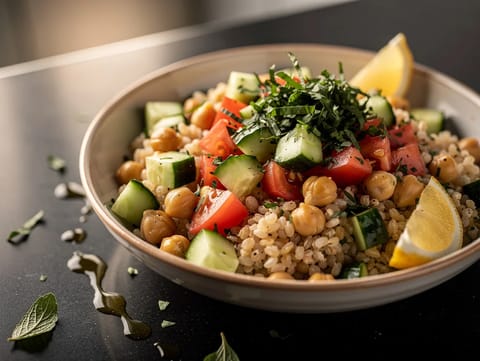
Bulgur bowl with chickpeas, tomato, cucumber and herbs
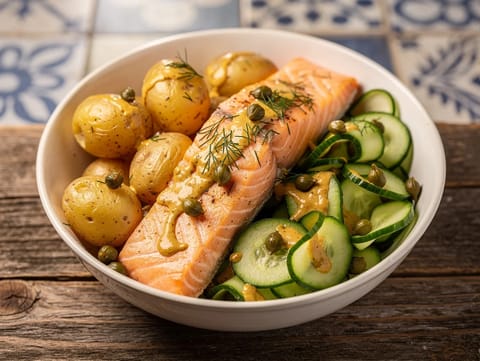
Salmon bowl with baby potatoes and mustard yoghurt
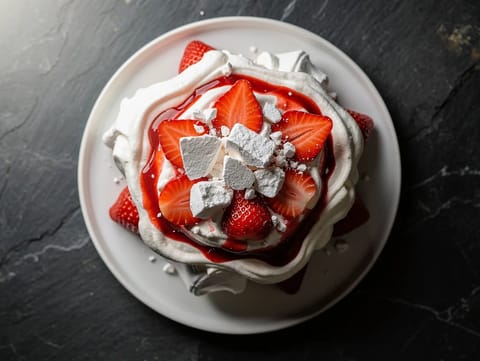
Eton mess with strawberries, whipped cream and crushed meringue
If you want to keep the kitchen cool, look for recipes with little or no oven time, or ones that cook quickly on a hob or grill. Dishes built around raw produce benefit from careful knife work and seasoning: salt draws out juices, and a sharp dressing stops everything tasting flat. If you do not mind turning on the oven, choose recipes that reward high heat and short time, such as blistered vegetables, traybakes, or quick fruit crumbles. For outdoor cooking, grilling gives you char and smoke that stand up to sweet summer vegetables and simple marinades. When the weather is very hot, recipes that can be made ahead and served cold, such as chilled soups or set desserts, are often the most comfortable to eat.
Ingredient browsing is the most direct way to follow summer’s peak produce, especially when ripeness varies week to week. Occasion can help when summer eating shifts outdoors, from casual gatherings to celebrations where food needs to hold well on a table.
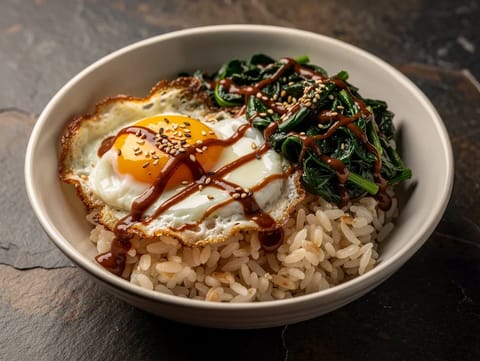
Rice bowl with sautéed spinach, fried egg and gochujang dressing
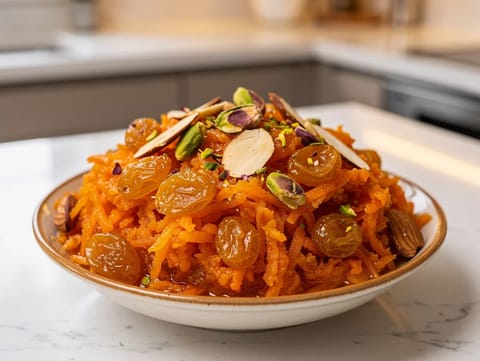
Carrot halwa cooked in milk with ghee, cardamom and nuts
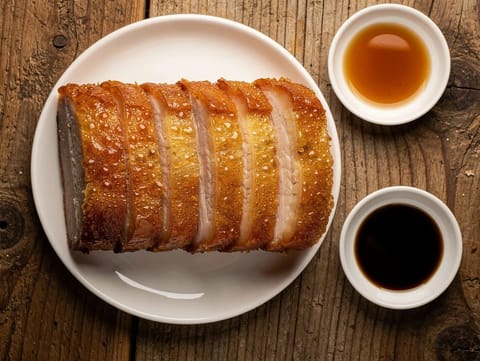
Roast pork belly with tender meat and crisp, puffed crackling
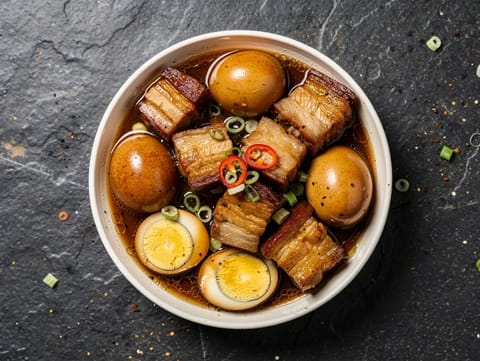
Braised pork belly with eggs in coconut water sauce

Chicken enchiladas baked in salsa verde with crema
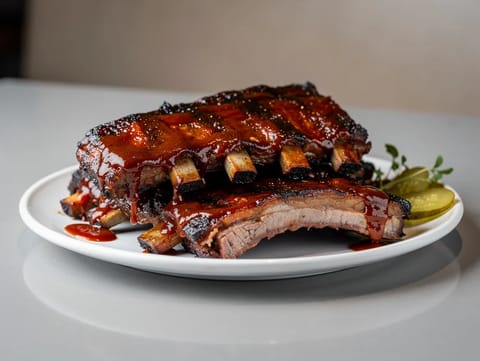
Slow-baked pork ribs finished with Kansas City BBQ sauce
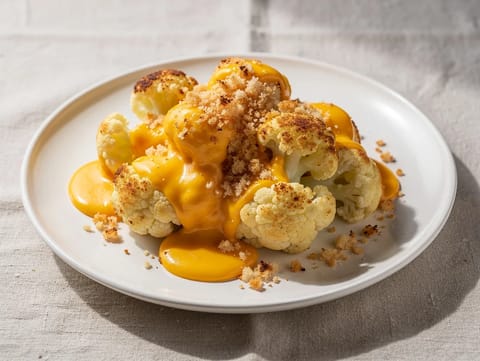
Cauliflower baked in cheddar sauce with a crispy breadcrumb topping

Oven-baked pork ribs served with mojo picón sauce
No. Summer cooking is often quick rather than completely raw. High heat for a short time, such as grilling or fast roasting, can add flavour without making the meal feel heavy.
Ripe produce is naturally sweet. Acidity from lemon, vinegar or yoghurt balances that sweetness and keeps flavours tasting clear, especially when food is served warm or at room temperature.
Add a cooked or protein element, and build in texture. Grains, pulses, eggs, cheese, nuts or toasted bread can make a salad feel like a complete dish without weighing it down.
Char adds bitterness and smokiness, which gives contrast to sweet vegetables and simple dressings. It also creates texture, so the dish tastes more than just “soft and juicy”.
Not always, but fruit is a natural fit because it brings sweetness and acidity without much cooking. Frozen and chilled desserts also suit the season’s temperatures.
In summer, start with what looks best and decide how much heat you want to use. A sharp dressing, fresh herbs and a crunchy element will carry you a long way.
