
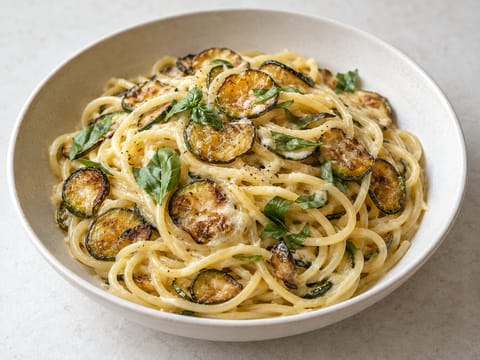
Spaghetti alla Nerano (Courgette Pasta with Provolone and Basil)
Spaghetti with fried courgettes and melted provolone sauce
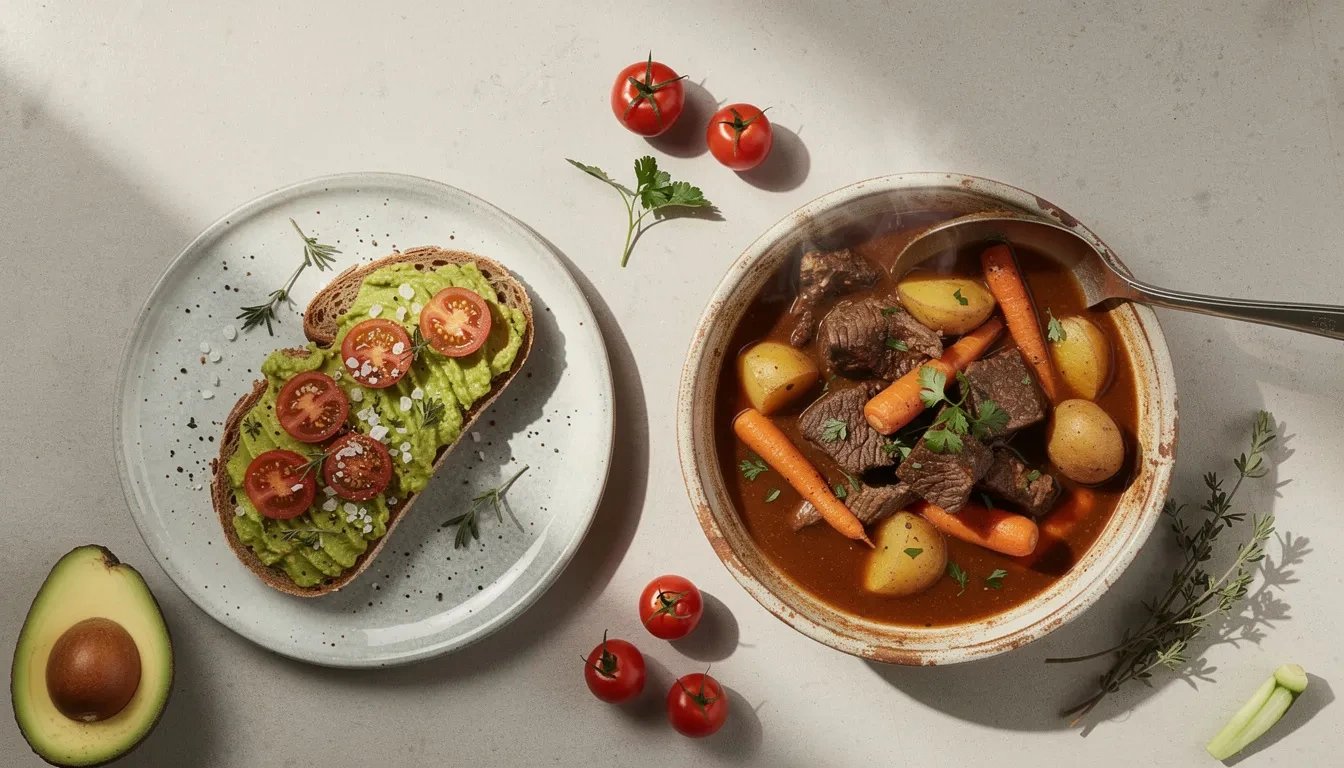
Thirty to sixty minutes is long enough for food to change properly: vegetables can roast and sweeten, sauces can reduce, and grains can cook through without rushing. It’s also a useful window for planning ahead, because many dishes can be made earlier in the day and held warm, or cooked once and served more than once. The key is knowing whether the time is mostly active (stirring, chopping, watching) or mostly elapsed (oven or simmer), and choosing accordingly.
With 30–60 minutes, you can rely on methods that need a little patience: roasting at moderate heat, baking, simmering soups and stews with small pieces, or cooking beans and grains that aren’t instant. You also have time to build flavour in stages, such as softening onions before adding spices, or browning meat before adding liquid.
This range still has limits. Anything that depends on long marinating, slow-cooking tough cuts until they collapse, or cooling and setting (as with some desserts) may push beyond an hour. Think of 30–60 minutes as enough time for one main cooking process, plus sensible prep, rather than several long processes back-to-back.
Spaghetti with fried courgettes and melted provolone sauce
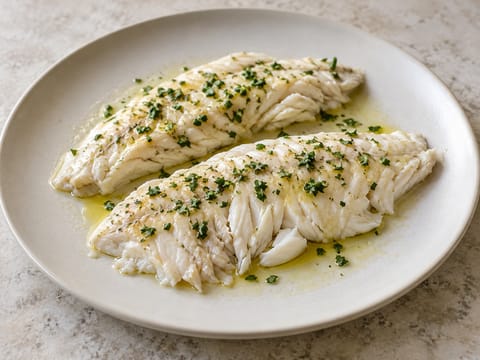
Whole sea bass baked in a salt crust with lemon
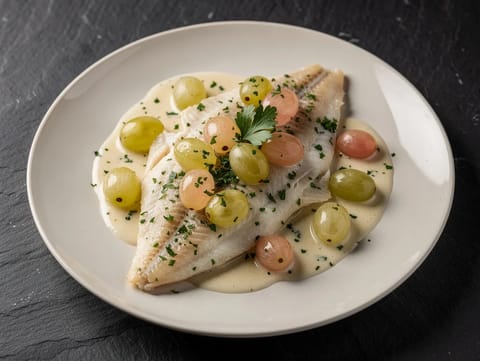
Poached sole with grapes in a white wine cream sauce
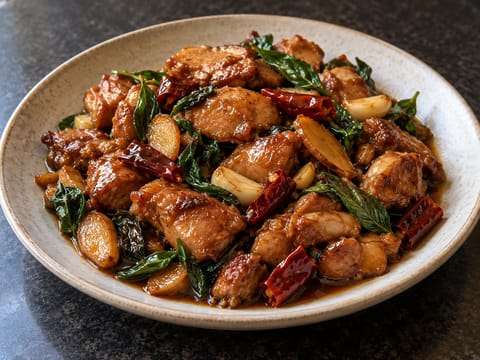
Three-cup chicken with basil, soy sauce and sesame oil
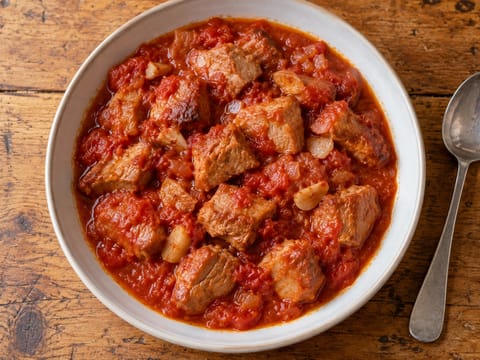
Pork simmered in a thick tomato and paprika sauce
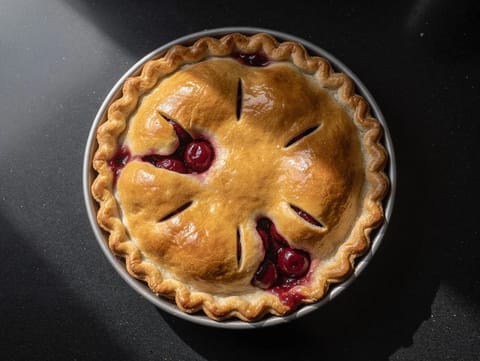
Air fryer cherry pie with lemon and cornflour-thickened filling.
For cooking you can start and largely leave alone, look for oven dishes and steady simmers. These often give you a predictable block of time to set the table, cook rice, or make a salad while the main element takes care of itself.
For food that benefits from being made ahead, favour dishes that don’t depend on last-second crispness. Saucy pastas, soups, braises with small cuts, and many baked dishes can be forgiving if they sit for a short while before serving.
If you want a complete meal in one go, one-pot and one-tray recipes are common in this bracket because they allow enough time for ingredients to cook through together. If a recipe splits into several components, check that the steps overlap rather than queue up.
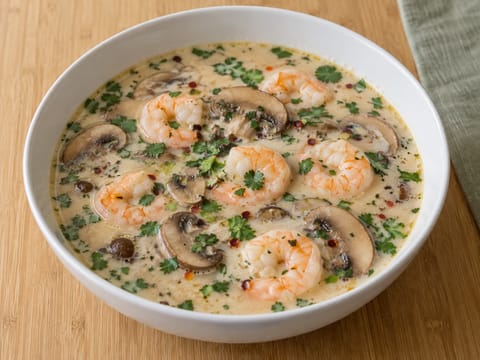
Thai coconut lime soup with prawns and mushrooms
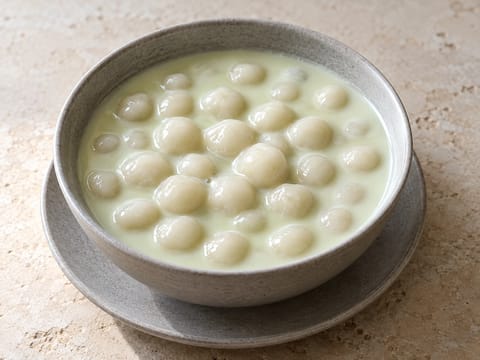
Thai rice dumplings served in warm pandan coconut milk
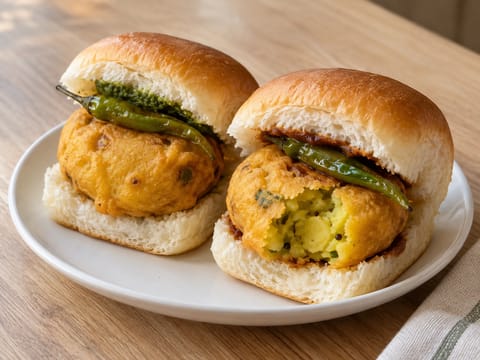
Spiced potato fritters in pav buns with chutneys
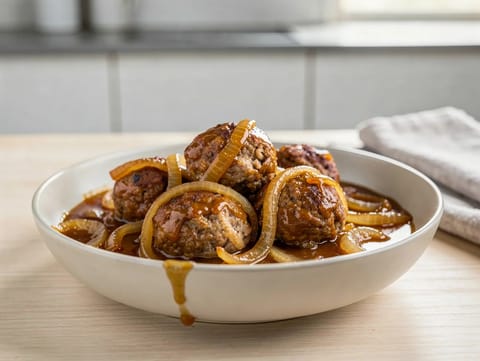
Liège meatballs simmered in sweet-sour onion sauce
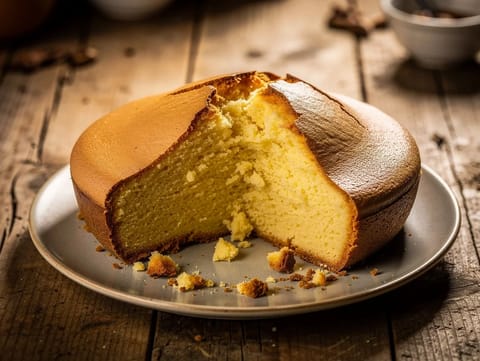
Light Portuguese sponge cake made with whisked eggs and flour
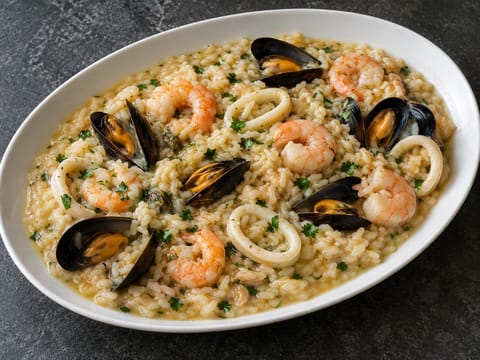
Creamy risotto with prawns, mussels, squid and parsley
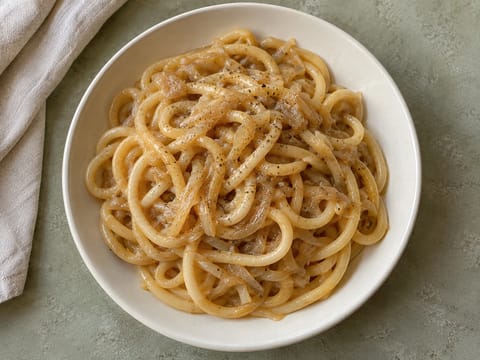
Thick pasta with slow-cooked onion and anchovy sauce
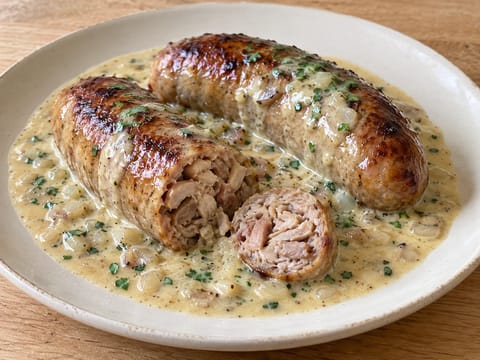
Pan-fried andouillette with creamy Dijon mustard sauce
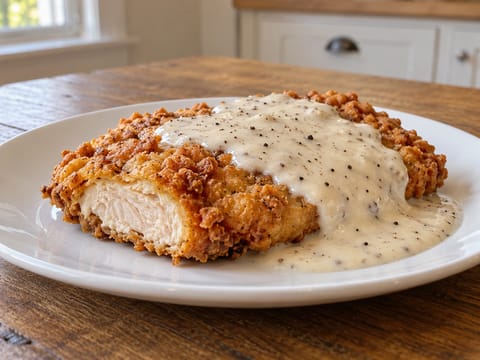
Crispy buttermilk chicken with peppery white milk gravy
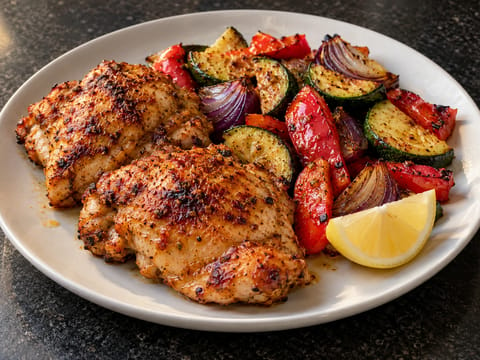
Air-fried chicken thighs with courgette, peppers and red onion.
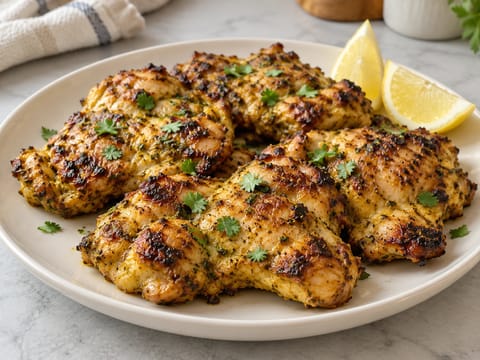
Yoghurt-marinated chicken cooked in the air fryer until charred.
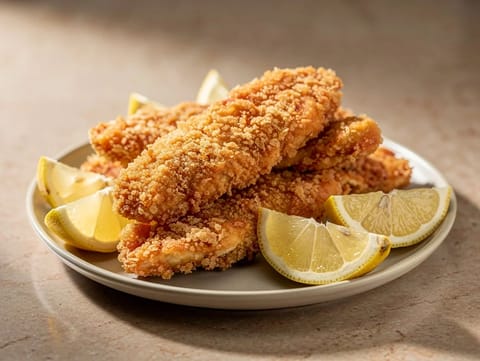
Panko-coated chicken tenders air fried until extra crispy.
In this time window, a short pause can be part of the plan. A stew or curry may taste more settled after it stands, and a baked dish can often rest while you finish sides. Build that resting time into your schedule rather than treating it as a delay.
Start with the slowest-cooking element. If vegetables are roasting, get them into the oven before you begin a sauce. If something needs a simmer, bring it to the boil early, then reduce to a steady bubble.
Keep an eye on pan size and oven space. Overcrowding slows browning and can extend cooking time, which matters when you are aiming to stay under an hour. If you’re doubling a recipe, expect the timing to shift, especially for roasting and reduction.
Cooking method helps you predict whether 30–60 minutes will feel hands-on or mostly unattended, especially when choosing between roasting, baking and simmering. Difficulty is a good companion too, because some recipes in this range are calm and linear, while others ask you to juggle several elements at once.
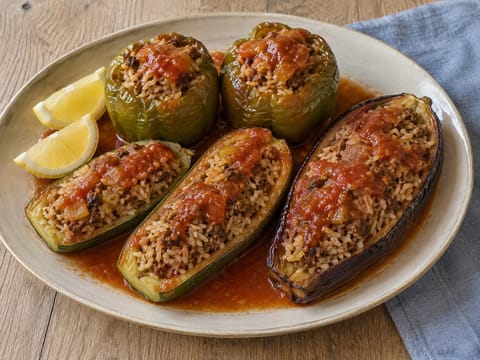
Vegetables stuffed with rice and minced lamb in tomato sauce
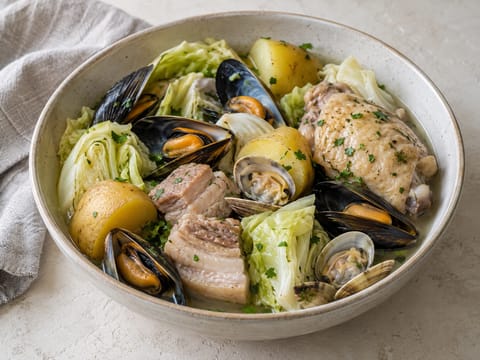
Steamed seafood and meat with potatoes, cabbage and white wine
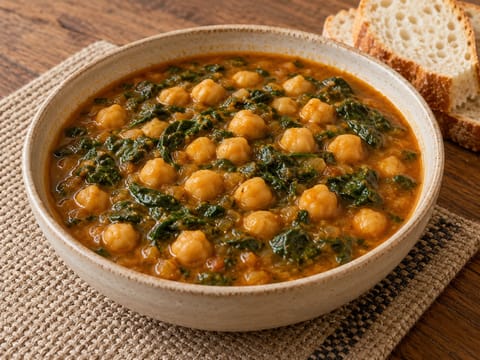
Spanish chickpea and spinach stew with paprika and sherry vinegar
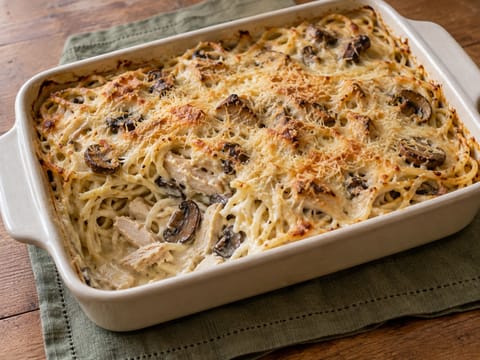
Turkey pasta bake with mushrooms in a creamy Parmesan sauce
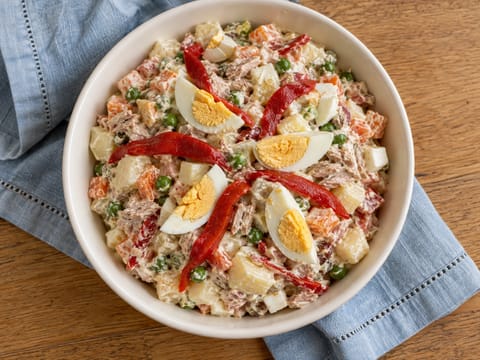
Chilled potato and tuna salad with eggs, peppers and mayonnaise
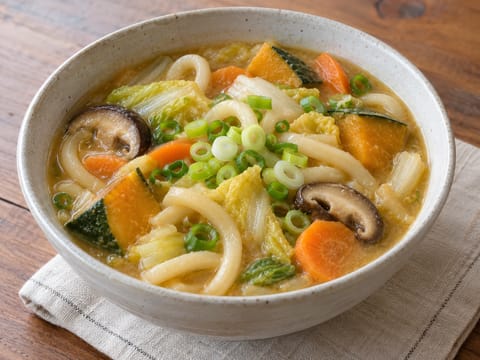
Miso noodle stew with pumpkin, mushrooms and napa cabbage
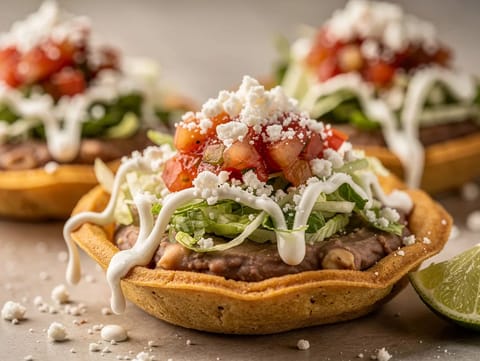
Thick masa cakes topped with beans, lettuce, salsa and cotija
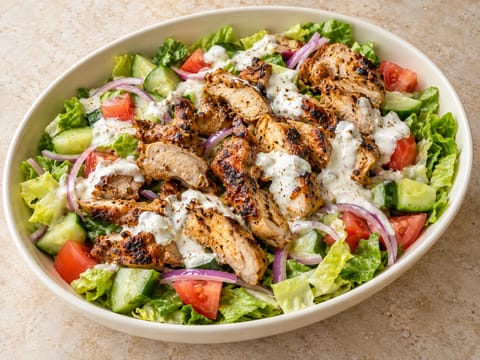
Grilled chicken kebab salad with lemon yoghurt dressing
Often, yes. You can brown ingredients, toast spices, and reduce sauces, which creates a lot of flavour quickly. What you usually can’t do is tenderise very tough cuts through slow cooking.
A clear sequence with overlap: something in the oven or on a simmer while you prep the next step. Recipes that require constant stirring, frequent turning, or multiple separate components tend to feel more involved.
Many dishes in this bracket hold well for a short time, especially soups, stews and baked pasta-style dishes. Recipes built around crisp coatings or delicate textures may need last-minute finishing.
Ovens vary, and tray size and crowding affect how quickly food browns. Starting with a fully preheated oven and spreading ingredients out helps the recipe match its stated time.
Typically, yes. If you’re slower at prep, choose recipes with fewer ingredients, larger cuts, or steps that let you prep while something else cooks.
Choose 30–60 minutes when you want enough time for roasting, simmering or baking without committing the whole day. If planning ahead matters, favour dishes that can rest or hold, and let the method guide how hands-on the hour will feel.
