
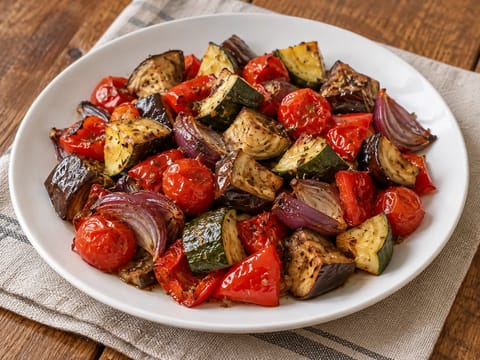
Italian Roasted Vegetable Traybake
Roasted vegetable traybake with garlic, olive oil and oregano
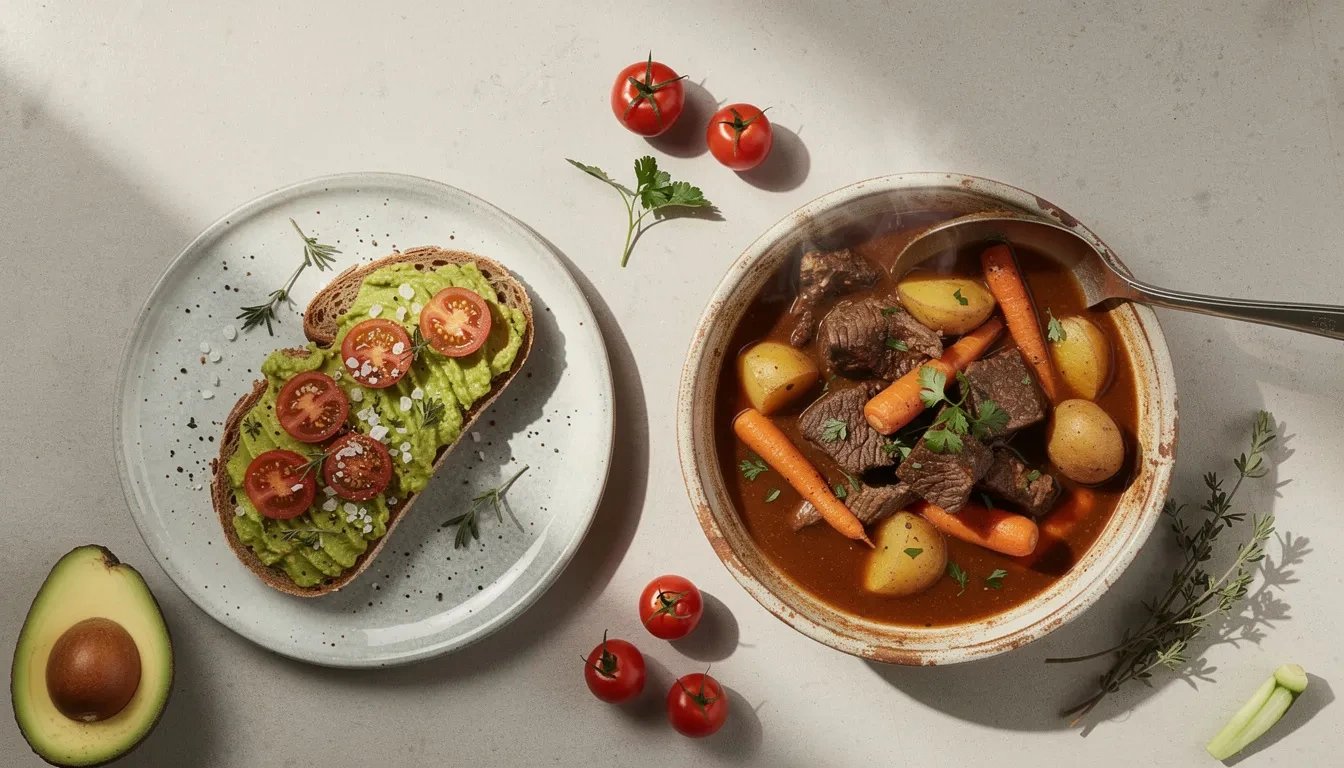
Thirty to sixty minutes is long enough for food to change properly: vegetables can roast and sweeten, sauces can reduce, and grains can cook through without rushing. It’s also a useful window for planning ahead, because many dishes can be made earlier in the day and held warm, or cooked once and served more than once. The key is knowing whether the time is mostly active (stirring, chopping, watching) or mostly elapsed (oven or simmer), and choosing accordingly.
With 30–60 minutes, you can rely on methods that need a little patience: roasting at moderate heat, baking, simmering soups and stews with small pieces, or cooking beans and grains that aren’t instant. You also have time to build flavour in stages, such as softening onions before adding spices, or browning meat before adding liquid.
This range still has limits. Anything that depends on long marinating, slow-cooking tough cuts until they collapse, or cooling and setting (as with some desserts) may push beyond an hour. Think of 30–60 minutes as enough time for one main cooking process, plus sensible prep, rather than several long processes back-to-back.
Roasted vegetable traybake with garlic, olive oil and oregano
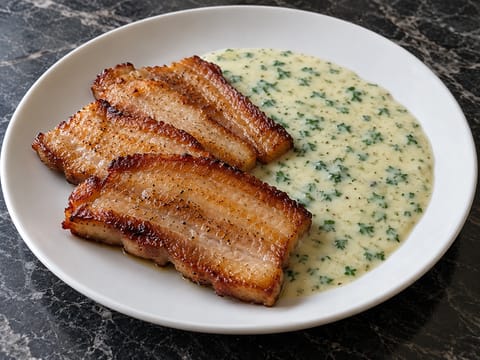
Crispy pork belly with warm parsley sauce
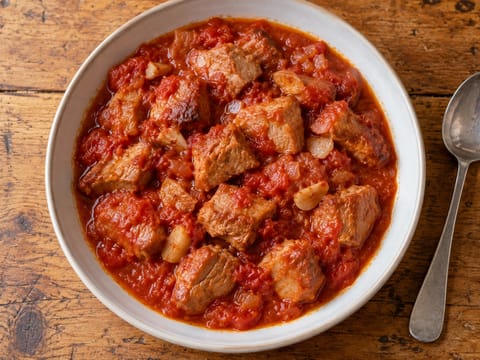
Pork simmered in a thick tomato and paprika sauce
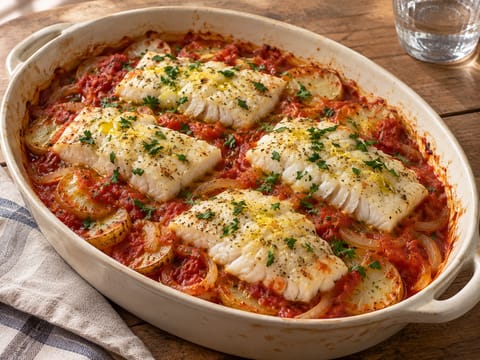
Greek baked fish with tomato sauce, potatoes and onions
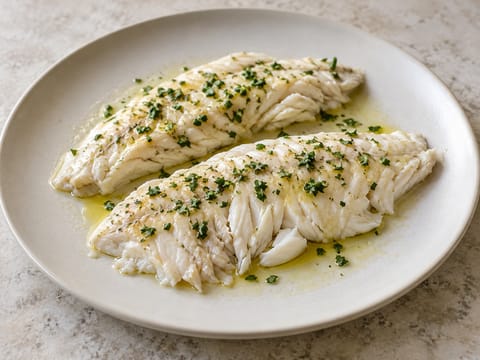
Whole sea bass baked in a salt crust with lemon
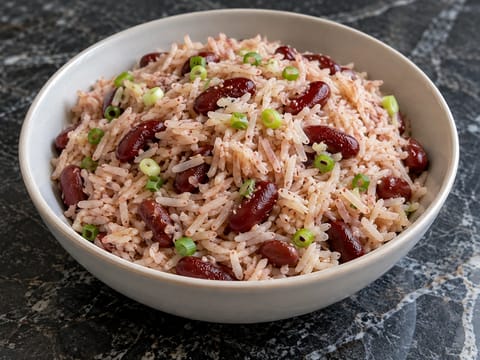
Coconut rice with kidney beans, thyme and allspice
For cooking you can start and largely leave alone, look for oven dishes and steady simmers. These often give you a predictable block of time to set the table, cook rice, or make a salad while the main element takes care of itself.
For food that benefits from being made ahead, favour dishes that don’t depend on last-second crispness. Saucy pastas, soups, braises with small cuts, and many baked dishes can be forgiving if they sit for a short while before serving.
If you want a complete meal in one go, one-pot and one-tray recipes are common in this bracket because they allow enough time for ingredients to cook through together. If a recipe splits into several components, check that the steps overlap rather than queue up.
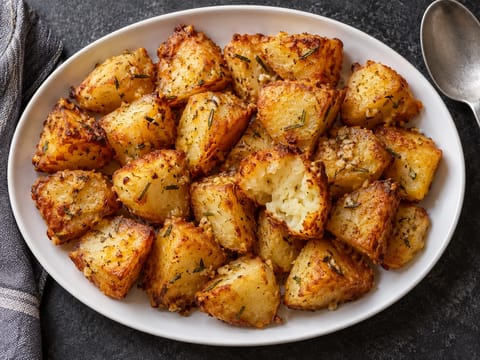
Crisp air fryer roast potatoes with rosemary and garlic.
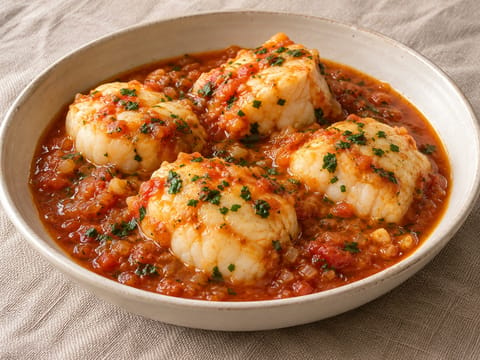
Spanish monkfish simmered in tomato, white wine and saffron sauce
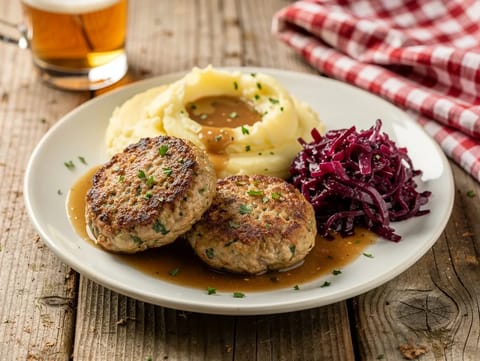
German pan-fried meat patties made with beef, pork and mustard
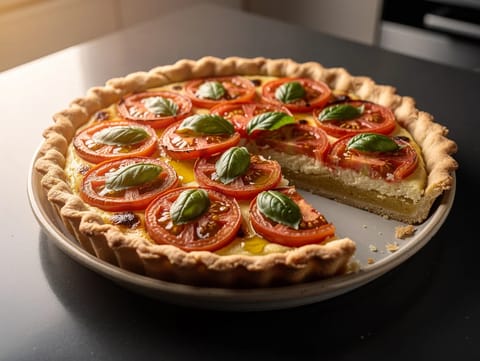
Shortcrust tart with ricotta, tomatoes and fresh basil
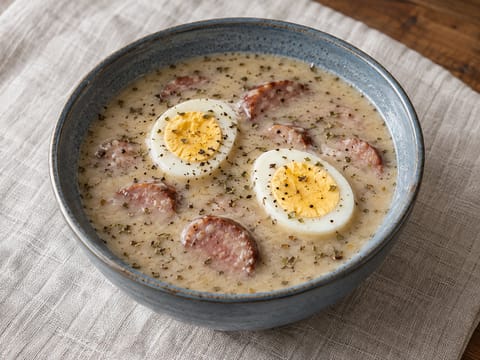
Tangy Polish rye soup with smoked sausage and hard-boiled eggs
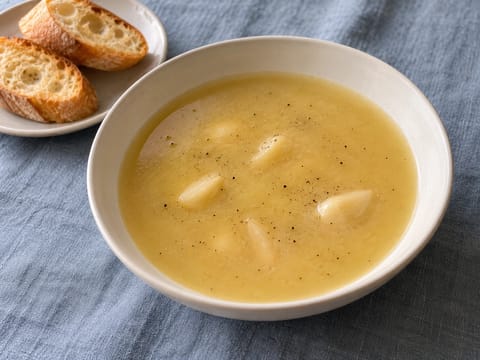
Provençal garlic soup thickened with egg yolk and olive oil
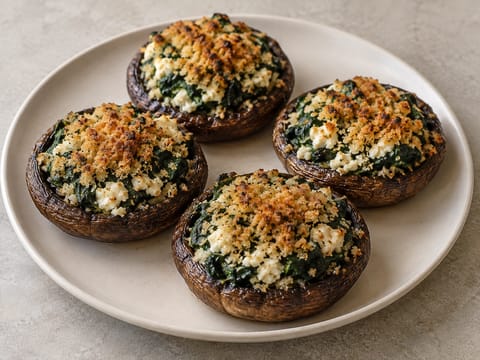
Baked portobello mushrooms stuffed with spinach and feta
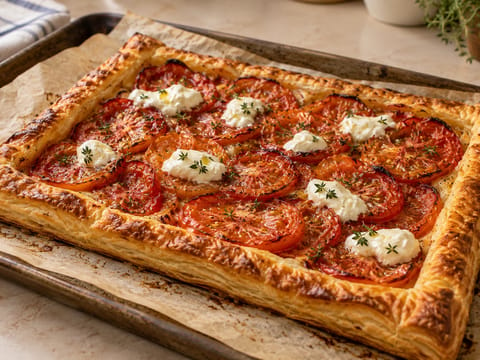
Puff pastry tart with Dijon mustard and baked tomatoes
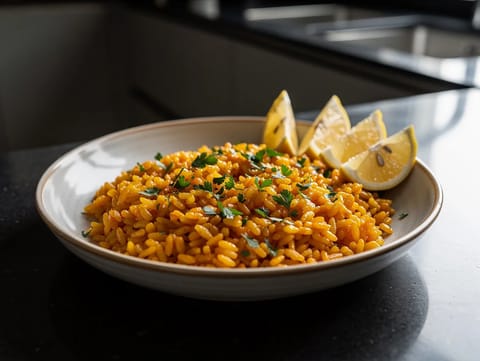
Valencian rice cooked in fish stock with saffron and paprika
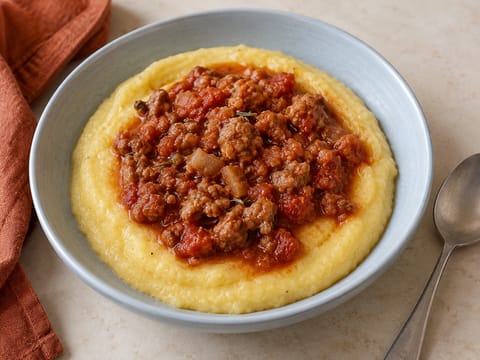
Creamy polenta topped with Italian sausage ragù
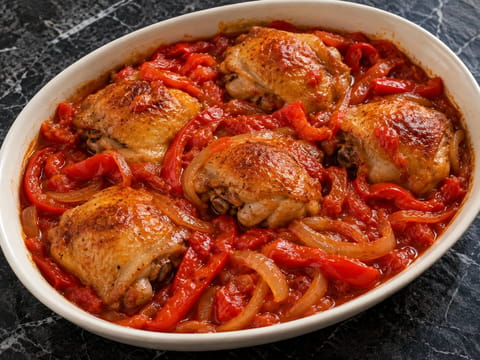
Roman style chicken simmered with peppers, tomatoes and rosemary
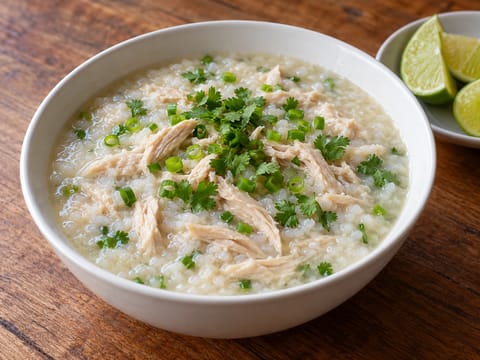
Silky Vietnamese chicken rice porridge with ginger and herbs
In this time window, a short pause can be part of the plan. A stew or curry may taste more settled after it stands, and a baked dish can often rest while you finish sides. Build that resting time into your schedule rather than treating it as a delay.
Start with the slowest-cooking element. If vegetables are roasting, get them into the oven before you begin a sauce. If something needs a simmer, bring it to the boil early, then reduce to a steady bubble.
Keep an eye on pan size and oven space. Overcrowding slows browning and can extend cooking time, which matters when you are aiming to stay under an hour. If you’re doubling a recipe, expect the timing to shift, especially for roasting and reduction.
Cooking method helps you predict whether 30–60 minutes will feel hands-on or mostly unattended, especially when choosing between roasting, baking and simmering. Difficulty is a good companion too, because some recipes in this range are calm and linear, while others ask you to juggle several elements at once.
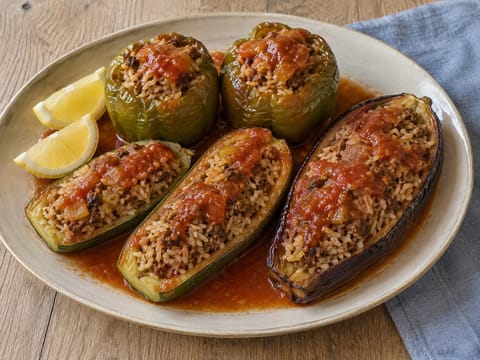
Vegetables stuffed with rice and minced lamb in tomato sauce
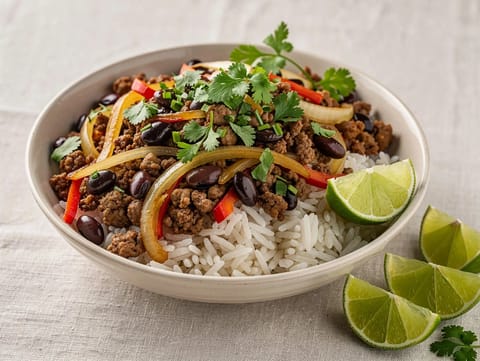
Beef stir fry with peppers and black beans over rice
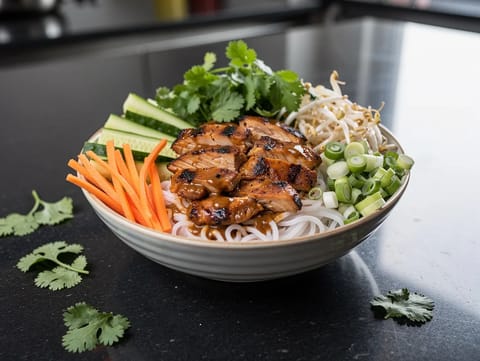
Satay chicken bowl with rice noodles and tangy dressing
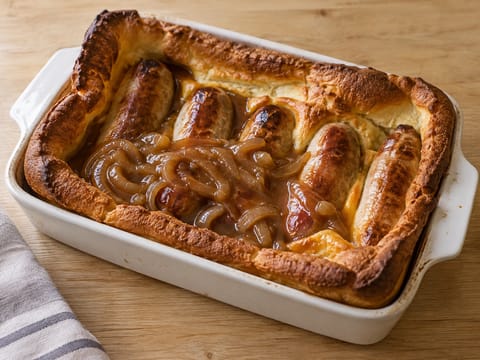
Sausages baked in Yorkshire pudding batter with onion gravy
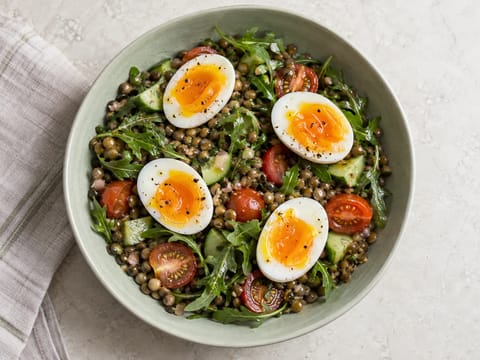
Lentil salad bowl with rocket, vegetables and soft-boiled eggs

Chilled jal jeera with roasted cumin, tamarind and mint
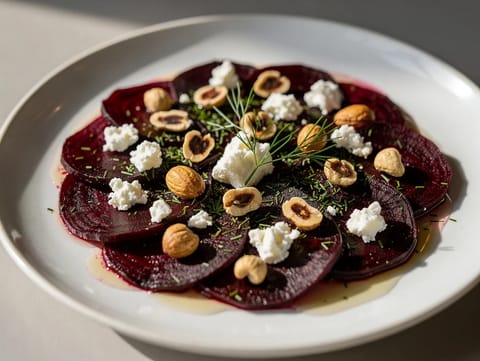
Beetroot carpaccio with goat’s cheese, hazelnuts and dill
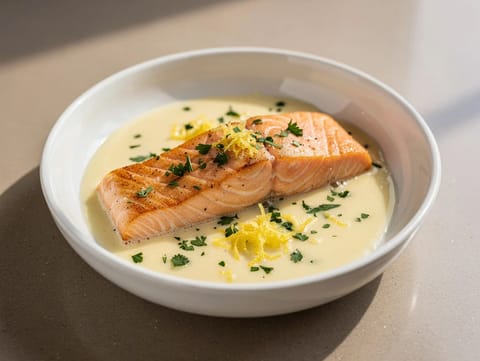
Pan-seared salmon with lemon beurre blanc
Often, yes. You can brown ingredients, toast spices, and reduce sauces, which creates a lot of flavour quickly. What you usually can’t do is tenderise very tough cuts through slow cooking.
A clear sequence with overlap: something in the oven or on a simmer while you prep the next step. Recipes that require constant stirring, frequent turning, or multiple separate components tend to feel more involved.
Many dishes in this bracket hold well for a short time, especially soups, stews and baked pasta-style dishes. Recipes built around crisp coatings or delicate textures may need last-minute finishing.
Ovens vary, and tray size and crowding affect how quickly food browns. Starting with a fully preheated oven and spreading ingredients out helps the recipe match its stated time.
Typically, yes. If you’re slower at prep, choose recipes with fewer ingredients, larger cuts, or steps that let you prep while something else cooks.
Choose 30–60 minutes when you want enough time for roasting, simmering or baking without committing the whole day. If planning ahead matters, favour dishes that can rest or hold, and let the method guide how hands-on the hour will feel.
