
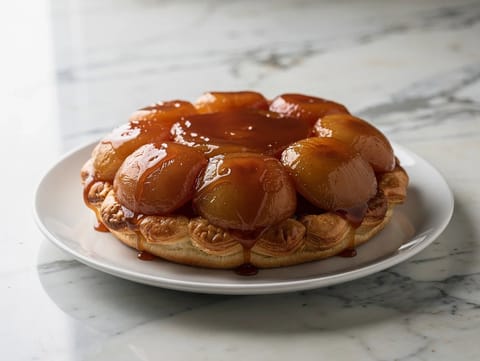
Tarte Tatin (Caramelised Apple Tart)
Upside-down caramelised apple tart with puff pastry
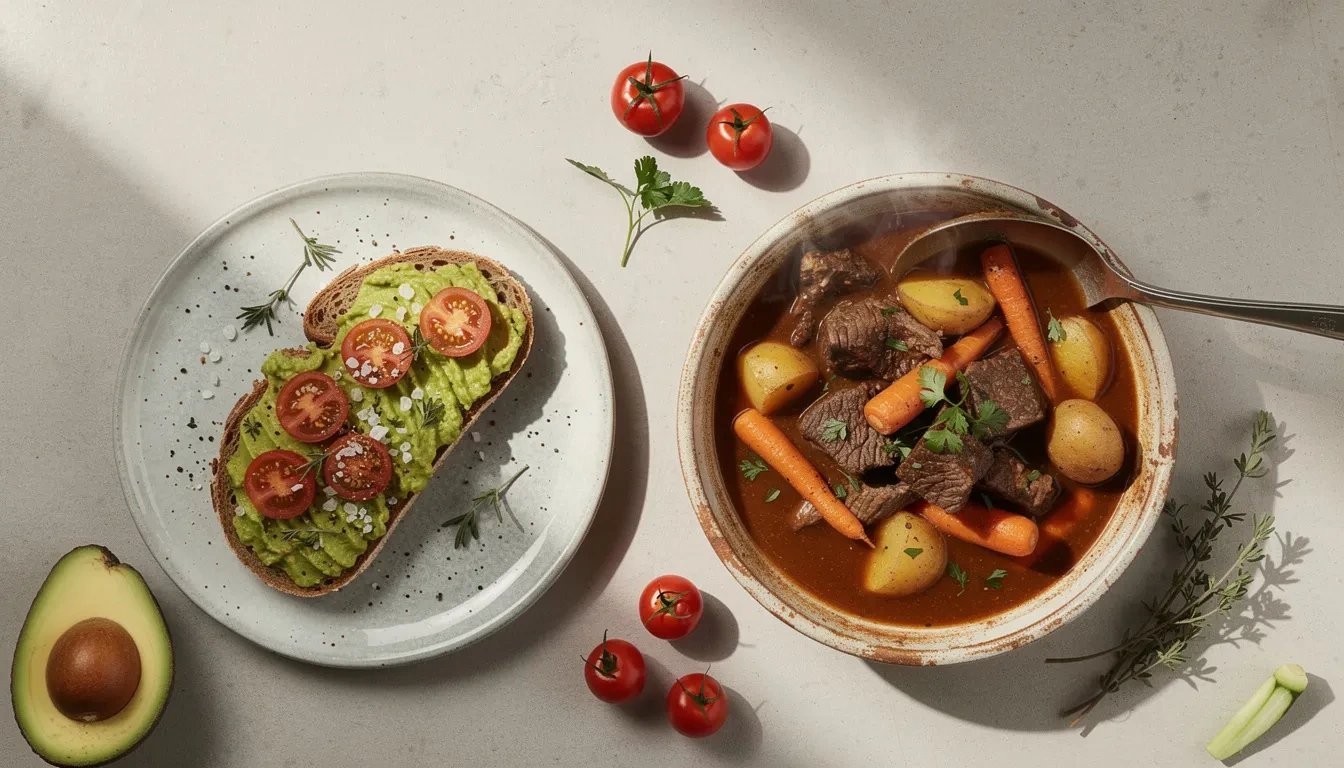
Thirty to sixty minutes is long enough for food to change properly: vegetables can roast and sweeten, sauces can reduce, and grains can cook through without rushing. It’s also a useful window for planning ahead, because many dishes can be made earlier in the day and held warm, or cooked once and served more than once. The key is knowing whether the time is mostly active (stirring, chopping, watching) or mostly elapsed (oven or simmer), and choosing accordingly.
With 30–60 minutes, you can rely on methods that need a little patience: roasting at moderate heat, baking, simmering soups and stews with small pieces, or cooking beans and grains that aren’t instant. You also have time to build flavour in stages, such as softening onions before adding spices, or browning meat before adding liquid.
This range still has limits. Anything that depends on long marinating, slow-cooking tough cuts until they collapse, or cooling and setting (as with some desserts) may push beyond an hour. Think of 30–60 minutes as enough time for one main cooking process, plus sensible prep, rather than several long processes back-to-back.
Upside-down caramelised apple tart with puff pastry
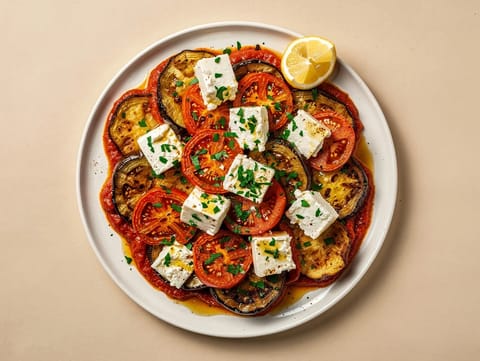
Roasted aubergine baked in tomato sauce with feta and oregano
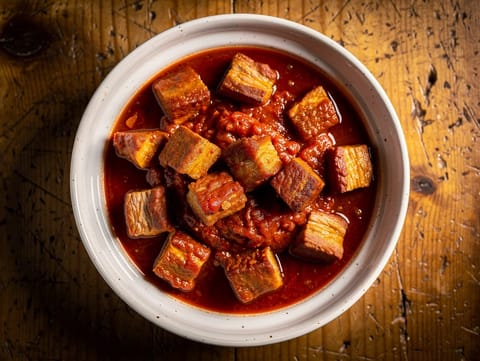
Pork simmered in a thick tomato and paprika sauce
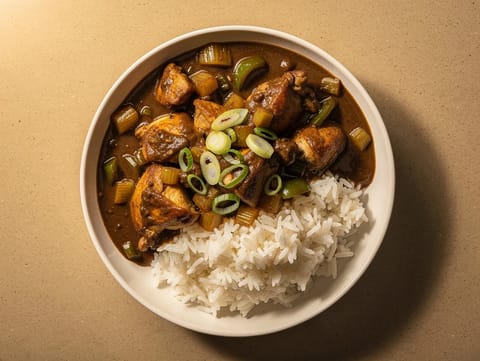
Cajun chicken étouffée with dark roux served over rice
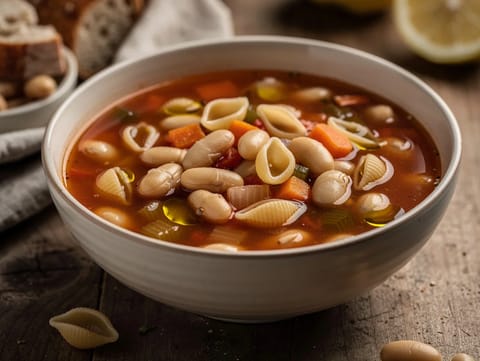
Italian vegan bean and pasta soup with tomatoes and herbs
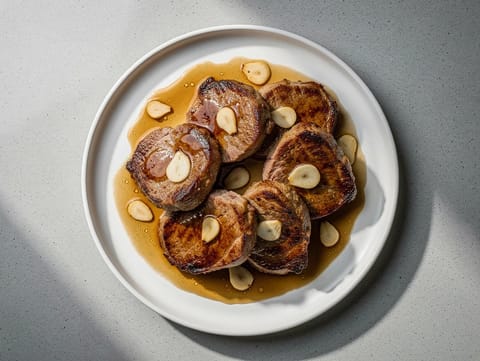
Pan-seared pork tenderloin with garlic whisky sauce
For cooking you can start and largely leave alone, look for oven dishes and steady simmers. These often give you a predictable block of time to set the table, cook rice, or make a salad while the main element takes care of itself.
For food that benefits from being made ahead, favour dishes that don’t depend on last-second crispness. Saucy pastas, soups, braises with small cuts, and many baked dishes can be forgiving if they sit for a short while before serving.
If you want a complete meal in one go, one-pot and one-tray recipes are common in this bracket because they allow enough time for ingredients to cook through together. If a recipe splits into several components, check that the steps overlap rather than queue up.
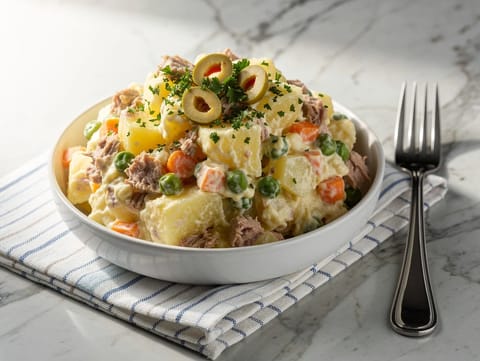
Chilled Spanish potato salad with tuna, peas and mayonnaise
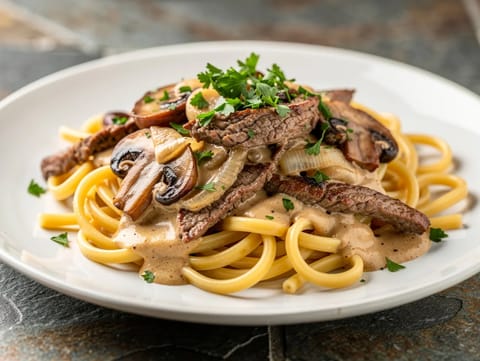
Beef and mushrooms in a creamy sour cream sauce over noodles
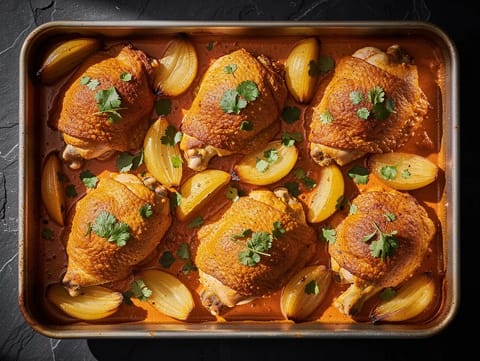
Butter chicken traybake with creamy tomato sauce
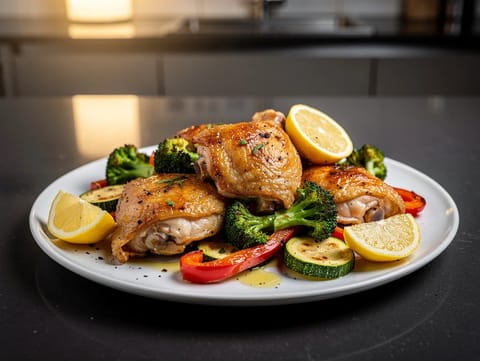
Air-fried chicken thighs with vegetables, paprika and lemon.
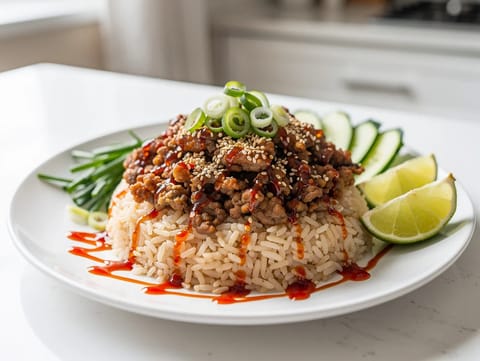
Minced pork over jasmine rice with soy, ginger and cucumber.
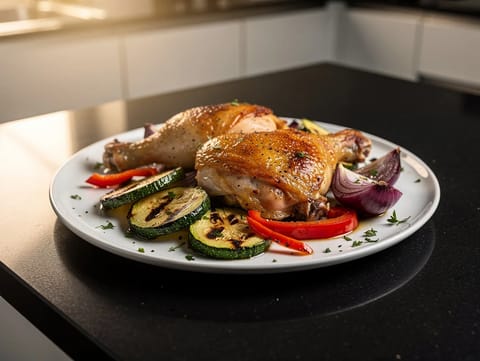
Air-fried chicken thighs with courgette, peppers and red onion.
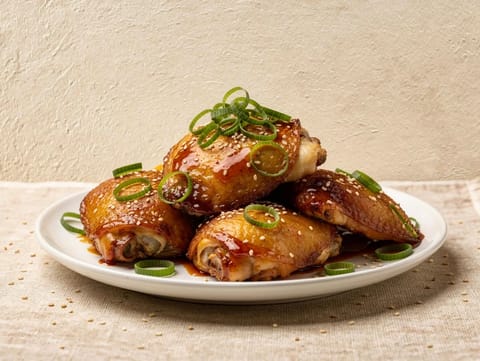
Crispy air-fried chicken thighs coated in sweet chilli sauce.
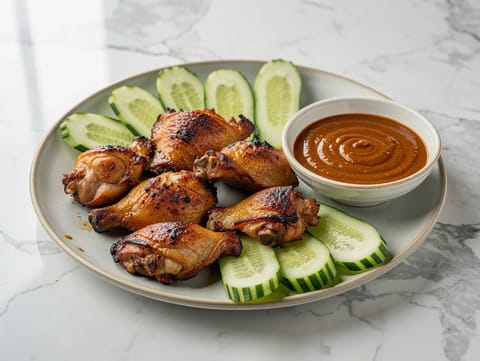
Air-fried satay chicken with peanut, lime and soy sauce.
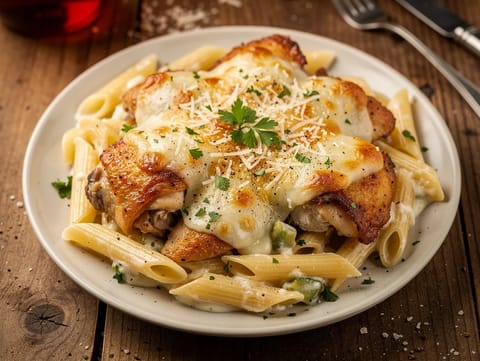
Chicken Alfredo pasta bake with mozzarella and Parmesan, air-fried until golden.
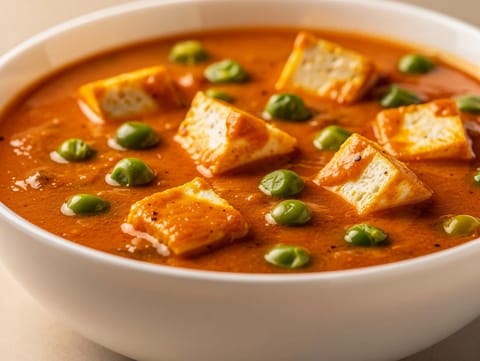
Paneer and peas simmered in a spiced tomato-onion gravy
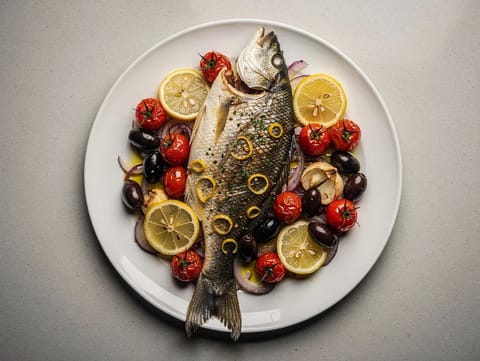
Baked sea bream with tomatoes, olives and lemon
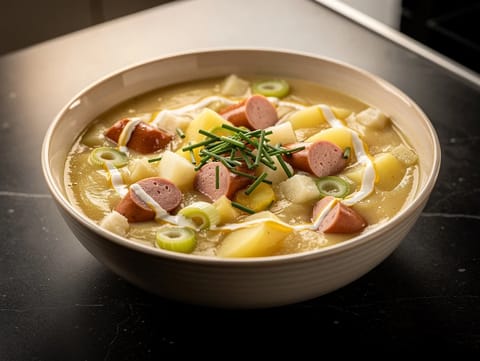
German potato soup with frankfurters, leeks and crème fraîche
In this time window, a short pause can be part of the plan. A stew or curry may taste more settled after it stands, and a baked dish can often rest while you finish sides. Build that resting time into your schedule rather than treating it as a delay.
Start with the slowest-cooking element. If vegetables are roasting, get them into the oven before you begin a sauce. If something needs a simmer, bring it to the boil early, then reduce to a steady bubble.
Keep an eye on pan size and oven space. Overcrowding slows browning and can extend cooking time, which matters when you are aiming to stay under an hour. If you’re doubling a recipe, expect the timing to shift, especially for roasting and reduction.
Cooking method helps you predict whether 30–60 minutes will feel hands-on or mostly unattended, especially when choosing between roasting, baking and simmering. Difficulty is a good companion too, because some recipes in this range are calm and linear, while others ask you to juggle several elements at once.
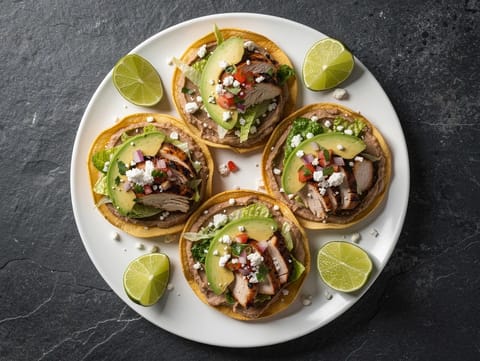
Crisp tostadas topped with spiced chicken, beans and pico de gallo
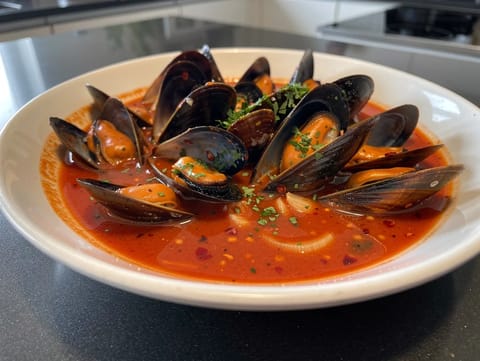
Mussels simmered in tomato and garlic sauce with chilli
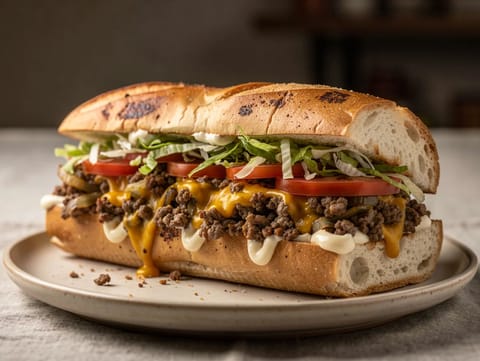
Hot minced beef and melted cheese in a toasted roll
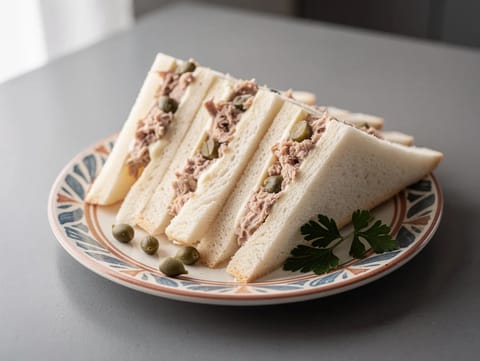
Soft tuna and caper sandwiches with mayonnaise and lemon
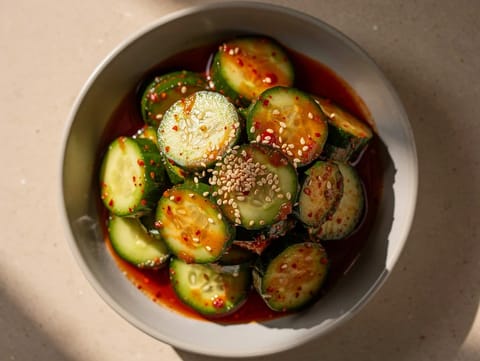
Spicy cucumber salad with gochugaru, vinegar and sesame oil

Chilled mint lemonade blended, strained smooth and served over ice
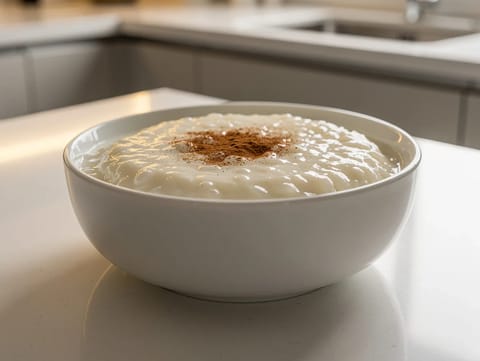
Chilled Turkish rice pudding with vanilla and cinnamon
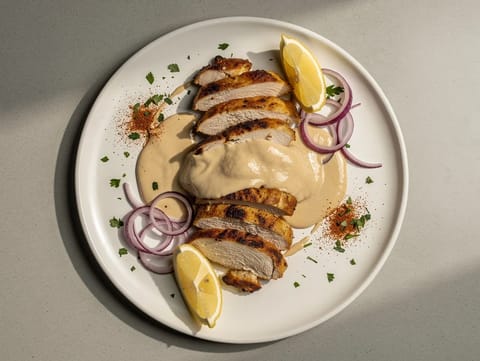
Roasted chicken shawarma with yoghurt marinade and tahini
Often, yes. You can brown ingredients, toast spices, and reduce sauces, which creates a lot of flavour quickly. What you usually can’t do is tenderise very tough cuts through slow cooking.
A clear sequence with overlap: something in the oven or on a simmer while you prep the next step. Recipes that require constant stirring, frequent turning, or multiple separate components tend to feel more involved.
Many dishes in this bracket hold well for a short time, especially soups, stews and baked pasta-style dishes. Recipes built around crisp coatings or delicate textures may need last-minute finishing.
Ovens vary, and tray size and crowding affect how quickly food browns. Starting with a fully preheated oven and spreading ingredients out helps the recipe match its stated time.
Typically, yes. If you’re slower at prep, choose recipes with fewer ingredients, larger cuts, or steps that let you prep while something else cooks.
Choose 30–60 minutes when you want enough time for roasting, simmering or baking without committing the whole day. If planning ahead matters, favour dishes that can rest or hold, and let the method guide how hands-on the hour will feel.
