
Ratatouille Niçoise (Provençal Vegetable Stew)
Why this recipe works
- Slow-built flavour: Cooking the vegetables in stages lets the onion sweeten, the aubergine soften and the tomatoes reduce into a rich base.
- Streamlined method: A Dutch oven keeps the process contained while giving the vegetables enough space to soften and simmer evenly.
- Improves as it rests: The cooked vegetables absorb the olive oil, herbs and tomato juices as they stand, making the stew especially good later the same day or the next day.
- Flexible serving: It works warm, at room temperature, as a vegetable main, or as a side for bread, grains, eggs or simply cooked proteins.
Get the most out of this recipe
Timing notes
- Most of the time is gentle cooking: After the vegetables are chopped and started in the pot, the main work is a slow simmer that thickens the juices and softens the vegetables.
- Let it stand for room-temperature serving: If serving at room temperature, allow the stew to rest after cooking so the flavours settle and the texture becomes more cohesive.
Texture tips
- Keep the vegetables chunky: Cut the aubergine, courgette and peppers into similar bite-sized pieces so they cook evenly without disappearing into the sauce.
- Reduce to a glossy finish: Keep the lid slightly ajar and simmer gently until the tomato juices reduce into a thick, jammy coating rather than a loose sauce.
- Avoid a hard boil: High heat can break the vegetables down too aggressively and dull the fresh herb flavour; a low simmer gives a better texture.
Ingredient notes
- Use ripe tomatoes: Ripe tomatoes give the stew its natural sweetness and help create the soft, saucy base that defines ratatouille.
- Add garlic near the end: Stirring in the garlic late keeps it fragrant and prevents it from tasting harsh or overcooked during the long simmer.
- Finish with fresh basil: Basil is best added at the end so it stays bright against the cooked-down vegetables and herbs.
Authenticity notes
- Niçoise-Provençal style: This version reflects the Provençal character of ratatouille: summer vegetables, olive oil, garlic and herbs cooked until soft and deeply savoury.
- One-pot approach: Some versions cook each vegetable separately before combining them; this recipe uses a simpler one-pot method while still adding the vegetables in stages.
- Served warm or cool: Ratatouille is commonly enjoyed warm, but it is equally useful at room temperature, when the vegetables taste more settled and the texture feels richer.
Equipment you'll need
Ingredients
Instructions
- Prepare the vegetables: peel and finely slice the onion; cut the aubergine, peppers, and courgettes into chunky bite-sized pieces. Roughly chop the tomatoes and finely chop the garlic. Pick the basil leaves and set aside.
- Warm 2 tbsp of the olive oil in a Dutch oven over medium heat. Add the onion and cook for 8 to 10 minutes, stirring, until soft and sweet but not browned.
- Add the remaining 2 tbsp olive oil, then stir in the aubergine. Cook for 10 minutes, stirring often, until it starts to soften and take on a little colour.
- Add the peppers and cook for 5 minutes, then add the courgettes and cook for 5 minutes more. Keep the heat at medium so the vegetables soften without scorching.
- Stir in the tomatoes, bay leaves, thyme, and black pepper. Bring to a gentle simmer, then reduce the heat to low, cover slightly, and cook for 35 to 40 minutes, stirring every so often, until the vegetables are very tender and the juices are thick and jammy.
- Stir in the garlic and cook for 2 to 3 minutes, just until fragrant. Remove the bay leaves and thyme sprigs, then fold through most of the basil and scatter the rest on top. Serve warm, or leave to cool to room temperature before serving.
Recipe notes
Tips
- Cut the vegetables into similar-sized chunks so they soften at the same pace and the stew stays nicely textured.
- Keep the simmer very gentle and stir regularly; ratatouille should reduce slowly into a glossy, thick stew rather than boil hard.
- If serving at room temperature, let it stand for 20 to 30 minutes after cooking so the flavours settle and the texture becomes more jammy.
Substitutions
- Replace Fresh thyme with Fresh basil for a more basil-forward finish; stir most of it through at the end so it stays bright.
- Replace Tomato with a mix of Tomato and Red pepper for a sweeter, more peppery base, keeping the total amount of Tomato the same.
Storage
- Refrigerate up to 4 days
- Cool completely, then refrigerate in a sealed container. Reheat gently in a saucepan over low heat until piping hot, stirring often, or serve at room temperature; it also freezes well for up to 3 months.
Ratings & reviews
Liked this recipe? Share your feedback to support our cooking community.
Tried this recipe?
Choose 1–5 stars. A comment is optional.
Stay inspired
Discover new recipes, seasonal favourites and cooking inspiration every day. Follow JustRecipes on Pinterest and Spillt.
Recipe overview
- Servings: 4 servings
- Total time: 1h 25min (30min active)
- Difficulty: Easy
- Cuisine: French
Plan your meals and get a complete grocery list automatically.
Add to meal plannerEquipment you'll need
Got ingredients left?
Find recipes using ingredients from this recipe or what you already have at home.
Find recipes with these ingredients →
Chicken and Dumplings (Classic Southern)
Chicken stew topped with fluffy buttermilk dumplings

Pollo en Salsa de Tamarindo (Tamarind Chicken)
Chicken thighs in tamarind and chipotle sauce with lime

Lentejas Estofadas con Chorizo (Spanish Lentil and Chorizo Stew)
Brown lentil and chorizo stew with bay and smoked paprika
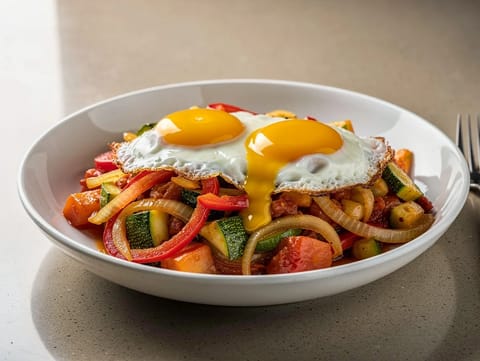
Pisto Manchego with Fried Eggs
Spanish pisto with tomatoes, peppers, courgettes and fried eggs
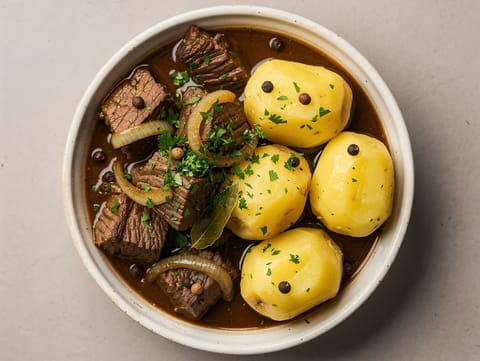
Kalops (Swedish Beef Stew with Allspice and Bay)
Swedish beef stew with onions, allspice and bay leaf
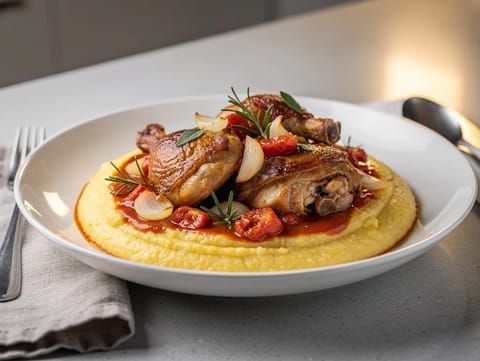
Pollo alla Cacciatora with Polenta
Chicken cacciatore served with buttery Parmesan polenta

New Orleans Jambalaya (One-Pot Chicken, Sausage and Rice)
One-pot jambalaya with chicken, andouille sausage and rice

Giò Lụa (Vietnamese Steamed Pork Sausage in Banana Leaves)
Vietnamese steamed pork sausage wrapped in banana leaves

Modern Canh Chua (Vietnamese Sweet and Sour Fish Soup)
Light Vietnamese sweet and sour fish soup with tamarind
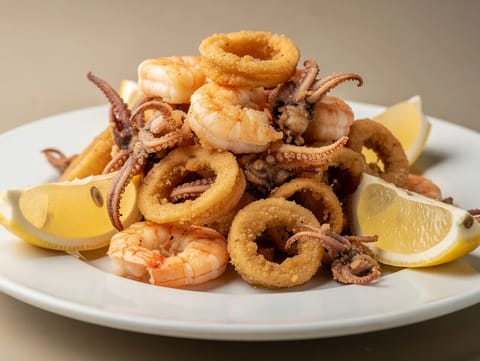
Fritto Misto di Mare (Italian Mixed Fried Seafood)
Crisp fried squid and prawns with lemon
Potted Shrimp with Toasted Sourdough
Potted shrimp set in spiced butter, served with sourdough
Spaghetti allo Scarpariello (Neapolitan Tomato and Cheese Pasta)
Quick tomato spaghetti finished with Parmesan and pecorino
Ratatouille Provençale (French Vegetable Stew)
Provençal ratatouille stew with aubergine, courgette, peppers and tomato
Ratatouille au Four (Oven-Baked Vegetables)
Oven-baked ratatouille with tender aubergine, courgette and tomatoes
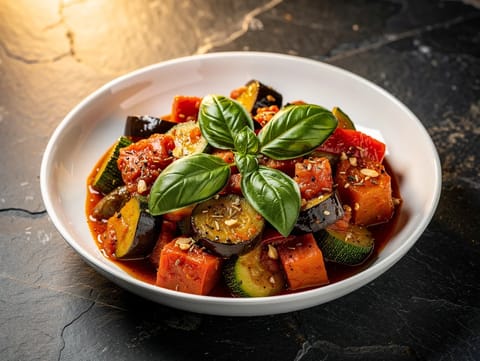
Ratatouille Provençale
Slow-cooked ratatouille with aubergine, courgette, peppers and tomato
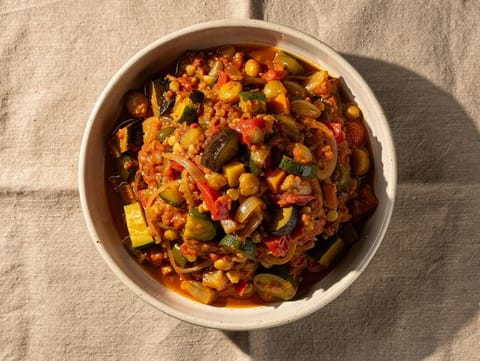
Pisto Manchego (Slow-Cooked Vegetables with Tomato and Peppers)
Slow-cooked vegetables with tomato, peppers, courgette and aubergine
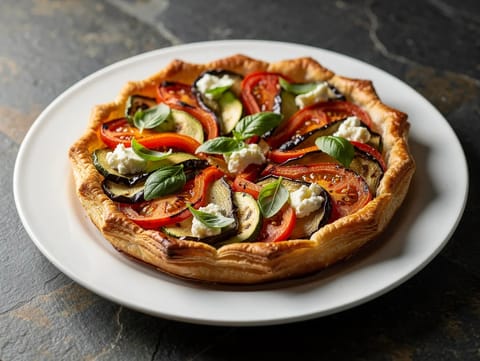
Ratatouille Tart with Goat’s Cheese
Puff pastry tart with ratatouille vegetables and goat's cheese
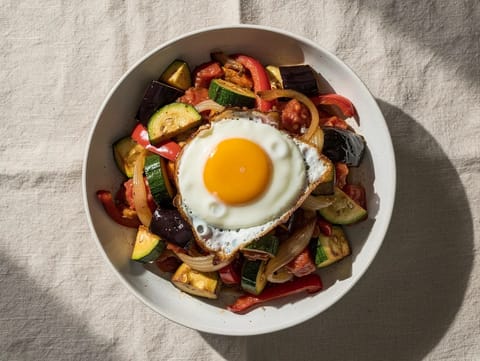
Vegetarian Pisto with Fried Egg (Spanish Vegetable Stew)
Spanish vegetable stew topped with a fried egg
You might also like

Muffuletta Sandwich with Olive Salad
Pressed sandwich layered with olive salad, meats and provolone
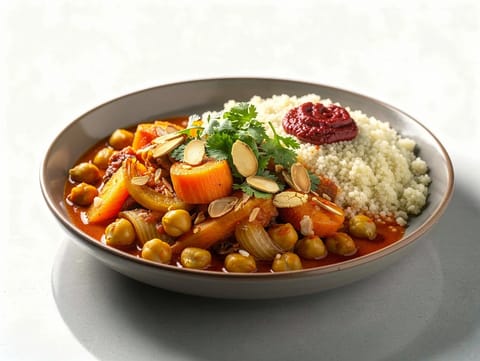
Carrot and Chickpea Tagine with Couscous and Harissa
Carrot and chickpea tagine served with couscous and harissa
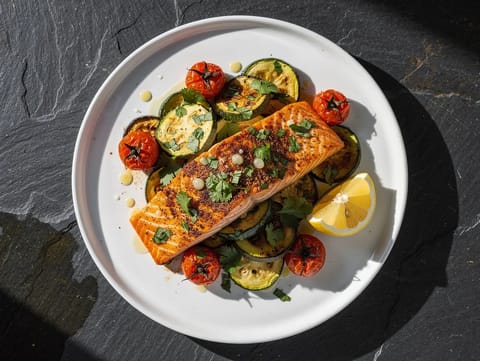
Moroccan Spiced Salmon Traybake with Courgettes and Tomatoes
Salmon traybake with courgettes, cherry tomatoes and Moroccan spices
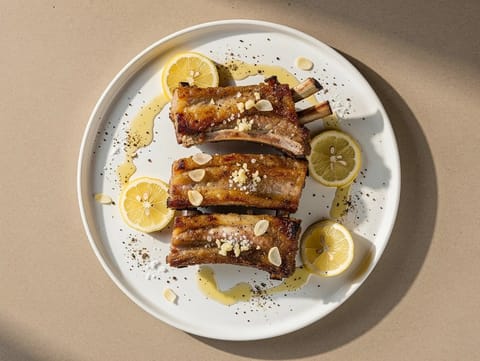
Costillas de Cerdo al Horno (Paprika-Roasted Pork Ribs)
Paprika-roasted pork ribs with garlic, olive oil and lemon

Mango Shrikhand (Indian Yoghurt Dessert)
Chilled mango shrikhand made with thick yoghurt and cardamom
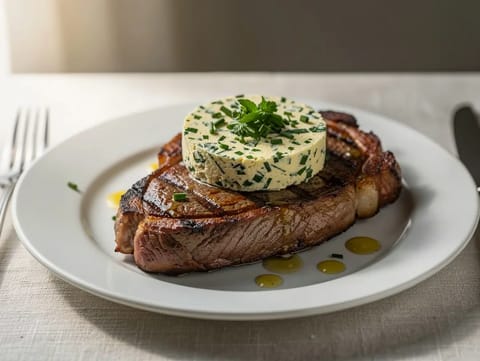
Grilled Entrecôte with Café de Paris Butter
Grilled entrecôte with melting Café de Paris butter
Make this recipe easier next time
AdvertisementThese tools help you get better results with less effort.
Misen 8-Inch Chef Knife
- AUS-10 steel
- Balanced design
- Less traditional feel
Titanium & PP Double-Sided Cutting Board
- Separate surfaces for meat and produce
- Resists odors and stains
- Harder on knife edges than wood or plastic
WÜSTHOF Classic 8-Inch Chef's Knife
- Excellent build quality
- Reliable edge retention
- Expensive
OXO Good Grips 2-Piece Cutting Board Set
- Two useful sizes with reversible cutting surfaces
- Dishwasher safe and easy to clean
- Plastic surfaces will show knife marks over time
Enjoy cooking with JustRecipes?
Add JustRecipes as one of your preferred Google sources to discover our recipes more easily across Google Search.
Add JustRecipes to GoogleEvery recipe on JustRecipes follows the same structured editorial process. Learn how recipes are created, validated, translated, illustrated, and continuously improved across the platform. How we create recipes.
