
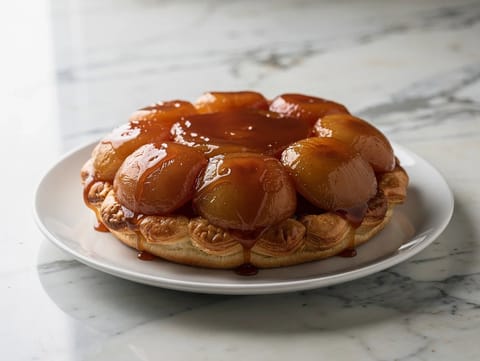
Tarte Tatin (Caramelised Apple Tart)
Upside-down caramelised apple tart with puff pastry

Gluten is a family of proteins found in certain grains, and it matters because it can be present even when a dish does not look “bready”. On this page, gluten signals that a recipe intentionally includes an ingredient that contains gluten, or a product where gluten is a typical component. If you are avoiding gluten, the practical work is in the details: which grain is used, how an ingredient is processed, and whether a packaged item includes gluten-containing additives or flavourings.
In everyday cooking, gluten most often enters through wheat, but it is not limited to it. Barley and rye also contain gluten, and ingredients made from them can appear in places you might not expect, such as malted products or certain vinegars and flavourings. Oats are a separate grain and do not naturally contain gluten, yet they are sometimes handled alongside gluten-containing grains, which is why some cooks treat oats as a special case.
It also helps to separate “gluten” from “flour”. Flour can be made from many things, including rice, maize, chickpeas and nuts. What matters here is whether the flour or grain ingredient contains gluten, not whether it looks like a typical baking ingredient.
Upside-down caramelised apple tart with puff pastry
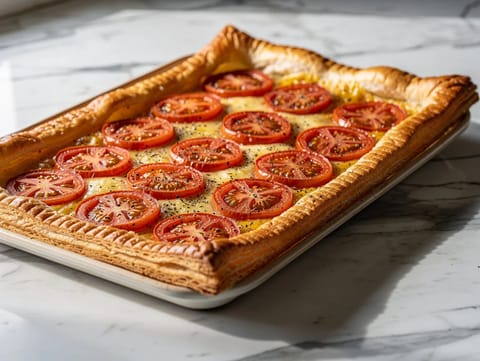
Puff pastry tart with Dijon mustard, tomatoes and Gruyère
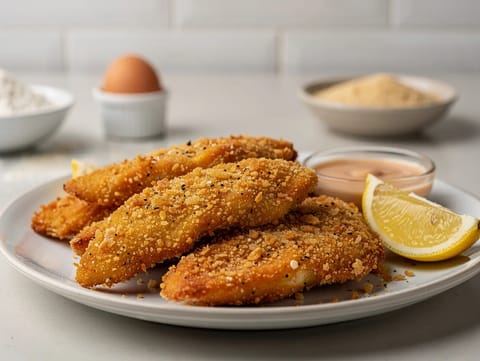
Crispy panko chicken tenders cooked quickly in the air fryer.

Dense Breton butter cake with vanilla and egg yolks
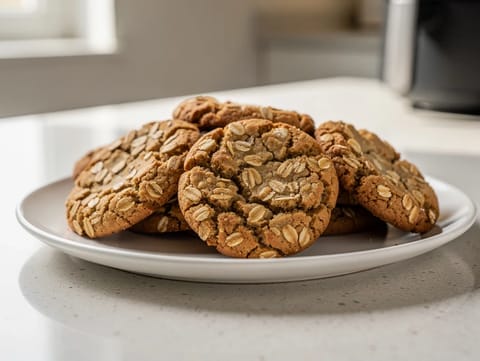
Air fryer oatmeal cookies with a chewy centre and crisp edges.
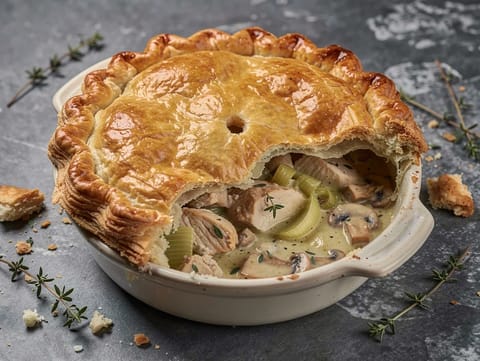
Chicken and leek pie with mushrooms and puff pastry
This tag is a browsing aid, not a safety guarantee. Gluten can be introduced by packaged ingredients (stock cubes, sauces, spice blends) and by cross-contact in shared kitchens, toasters, boards and sieves. If you cook for someone who must avoid gluten, check every packaged label, including “may contain” statements where they are used, and consider whether your preparation space and equipment are suitable for their level of sensitivity.
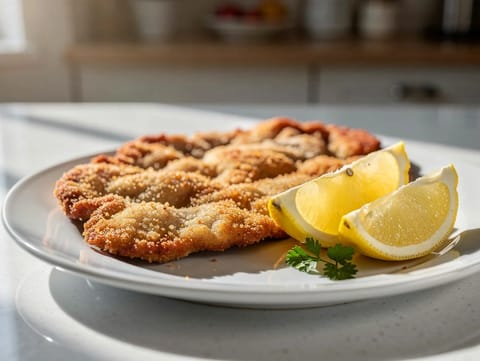
Crispy breaded pork schnitzel finished with lemon
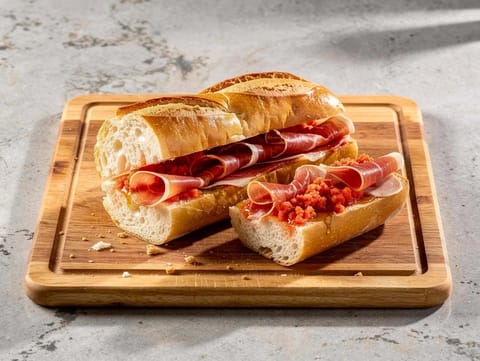
Spanish baguette sandwich with jamón serrano and grated tomato

Ecuadorian chicken braised with beer, tomato, peppers and coriander
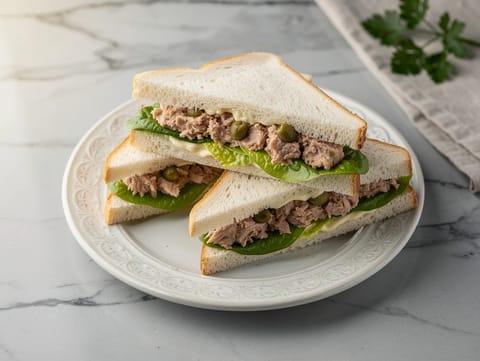
Crustless tuna sandwiches with mayonnaise, capers and lettuce
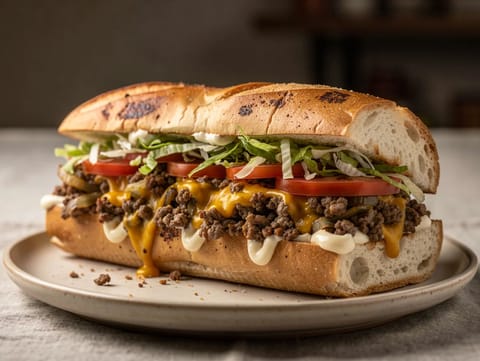
Hot minced beef and melted cheese in a toasted roll
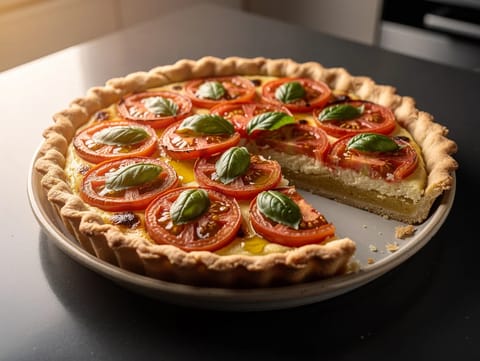
Shortcrust tart with ricotta, tomatoes and fresh basil
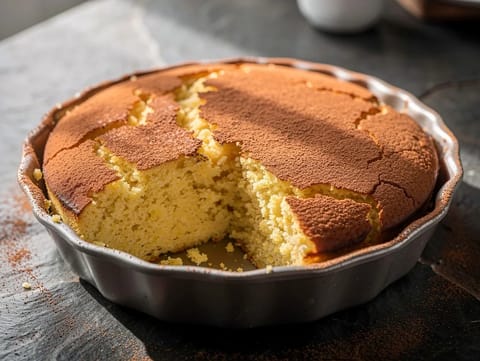
Mexican sweetcorn cake with condensed milk and cinnamon
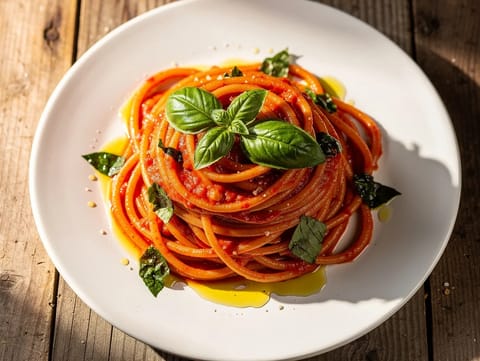
Spaghetti with a quick tomato, garlic and basil sauce
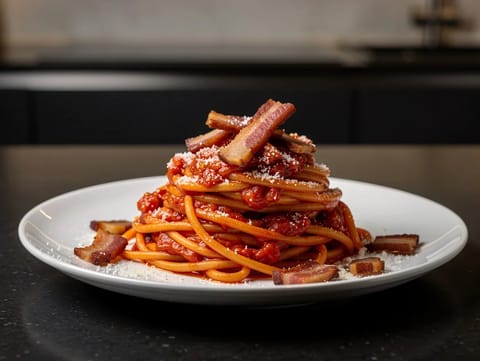
Roman spaghetti with guanciale, chilli tomato sauce and pecorino
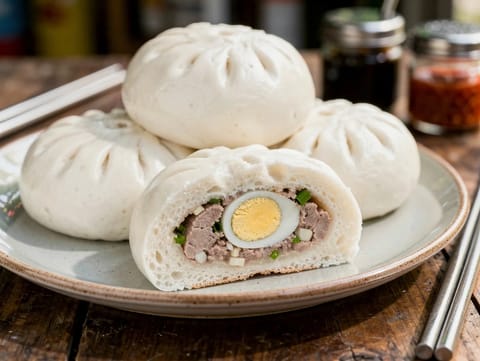
Fluffy steamed buns filled with minced pork and hard-boiled egg
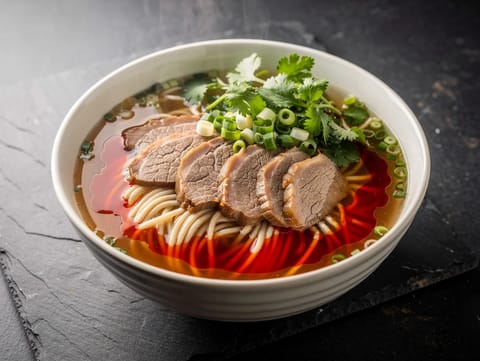
Lanzhou beef broth with hand-pulled noodles, beef and chilli oil
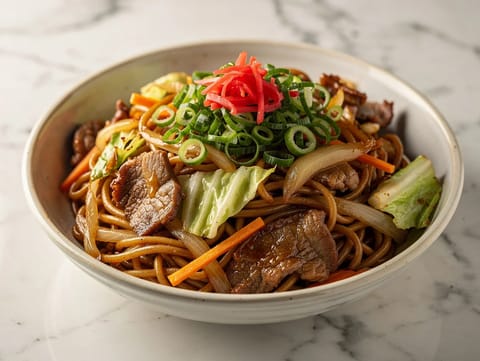
Japanese stir-fried noodles with pork, cabbage and carrots
If you are planning swaps, browsing by Ingredient can help you compare different grains and flours and see how they behave in batters, doughs and coatings. Diet categories can also be useful when you want recipes that are written with gluten avoidance in mind, while still checking labels and cross-contact in your own kitchen.
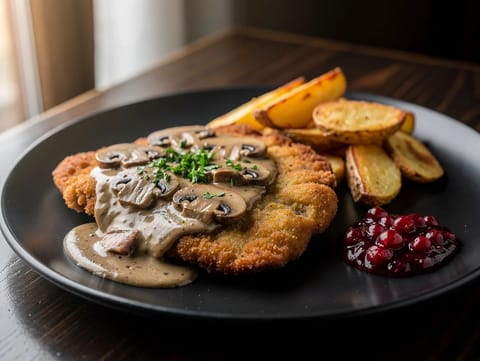
Crisp pork schnitzel topped with creamy mushroom gravy
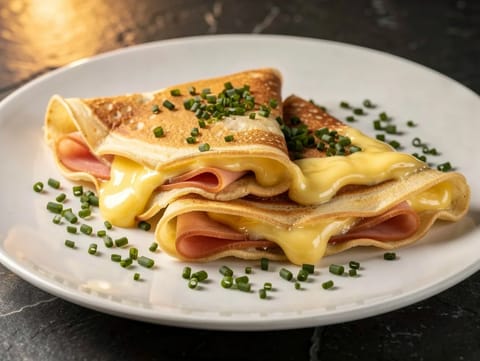
Golden savoury pancakes with ham and melted Emmental
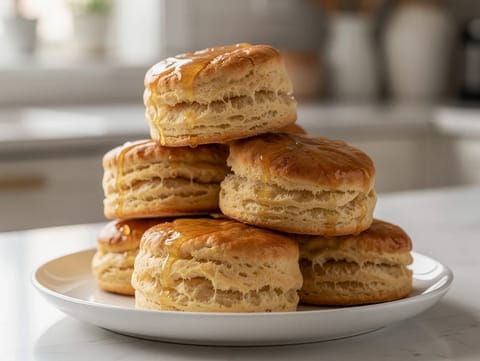
Buttermilk biscuits cooked in the air fryer and brushed with butter.

Thai pineapple fried rice with prawns, egg and spring onion
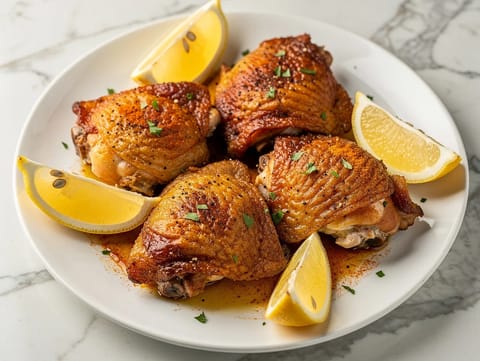
Chicken thighs air-fried with garlic and paprika until browned.
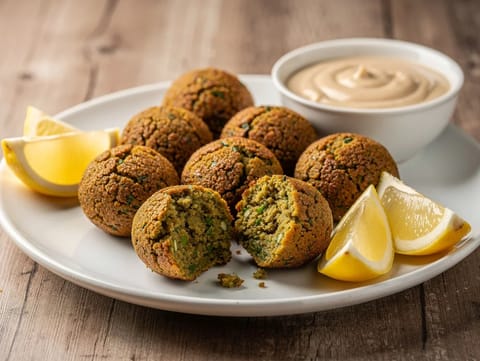
Crisp air fryer falafel with chickpeas, herbs and spices.
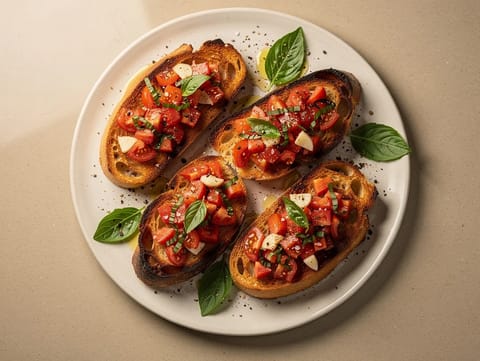
Toasted bread topped with fresh tomato and garlic
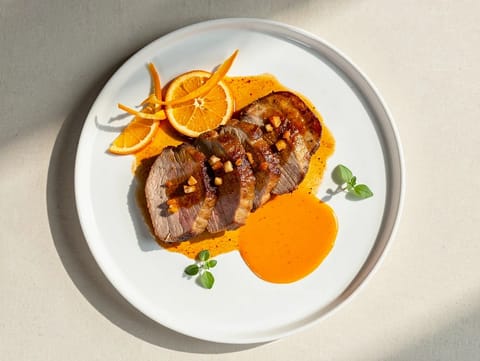
Seared pork loin simmered in a glossy orange sauce
No. Wheat is the most common source, but barley and rye contain gluten too, and their derivatives can show up in malted products and some flavourings.
Oats do not naturally contain gluten, but they can be affected by cross-contact during growing and processing. If you need to avoid gluten strictly, treat oats as an ingredient that requires careful label checking.
Not necessarily. Gluten can appear in coatings, thickened sauces and packaged ingredients such as stocks, seasonings and condiments, depending on the brand and formulation.
It depends on the recipe. Gluten provides structure and elasticity, so a straight swap may work for some batters and crumb coatings, but yeasted breads and stretchy doughs usually need a blend and a binder to mimic gluten’s behaviour.
That depends on the level of avoidance required. In many kitchens, shared toasters, boards, sieves and wooden utensils are common sources of cross-contact, so it is worth thinking through your set-up.
Gluten is a clear signal to pause and read the ingredient list closely, especially where packaged items are involved. Once you know the likely sources, it becomes easier to decide whether to avoid, substitute or choose a recipe written for gluten-free cooking.
