
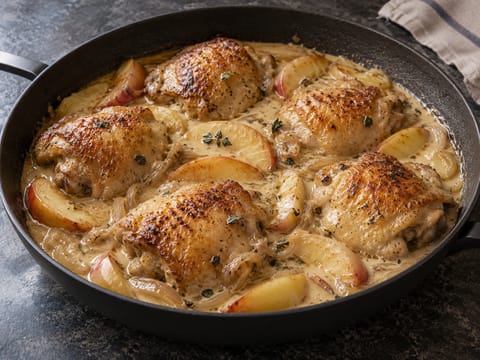
Poulet Vallée d’Auge (Chicken with Calvados and Cream)
Chicken with Calvados, apples and double cream sauce

Mustard is easy to overlook because it is often used in small amounts, yet it can shape a dish’s flavour and texture. It appears as prepared mustard, mustard powder, mustard seeds, and as part of dressings, marinades and spice blends. If you are avoiding mustard, the practical challenge is spotting it in compound ingredients and knowing what role it plays, so you can choose a substitute that keeps the recipe balanced without introducing a new problem.
Mustard brings heat, bitterness and a distinctive pungency, but it also has a practical kitchen role. In vinaigrettes and mayonnaise-style dressings, mustard helps emulsify, keeping oil and water-based ingredients from separating quickly. In rubs and marinades, it can act as a carrier for spices and help them cling to meat, fish or vegetables.
Mustard may be listed as mustard, Dijon mustard, wholegrain mustard, mustard powder, mustard flour, or mustard seeds. Because it is often part of a blend, you may not see it in the recipe title even when it is present in the ingredient list.
Chicken with Calvados, apples and double cream sauce
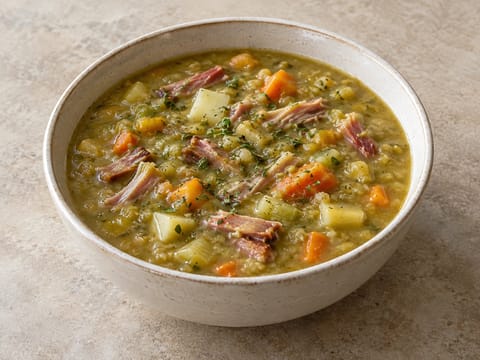
German split pea soup with smoked pork and vegetables
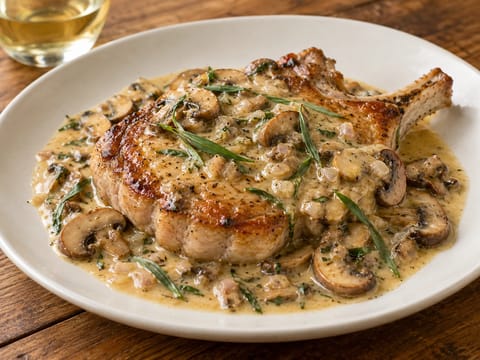
Veal chops with creamy mushroom sauce
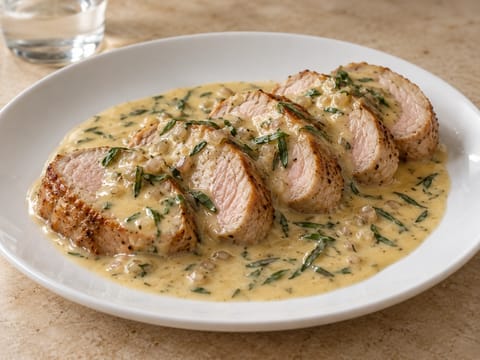
Seared pork tenderloin with Dijon and tarragon cream sauce
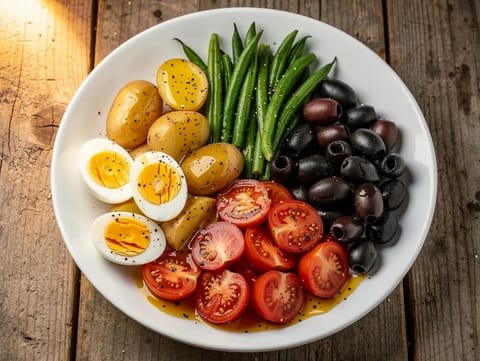
Niçoise-style salad with potatoes, eggs, tomatoes and olives
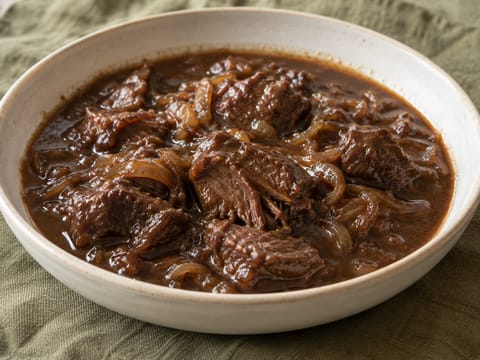
Ghent-style beef stew with dark beer and gingerbread
If mustard is there mainly for flavour, you can often replace it with another sharp element, such as horseradish, wasabi-style paste, pepper, or a little extra vinegar, depending on the dish. The flavour will change, but you can usually keep the same balance of acidity and savouriness.
If mustard is doing an emulsifying job in a dressing, you may need a different helper. A small amount of egg yolk can emulsify, but that introduces another allergen for some people. Some cooks use a little honey or a thick purée to help a dressing hold together, though it will be less stable and may need re-whisking. For crusts and coatings, a different “sticky” base such as yoghurt or oil can help crumbs adhere, but again it changes flavour and suitability.
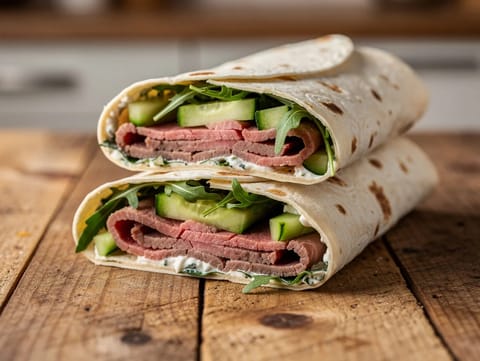
Roast beef wrap with horseradish yoghurt, rocket and cucumber
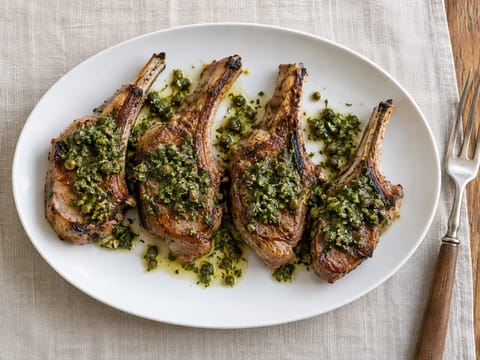
Grilled lamb cutlets served with parsley and anchovy salsa verde
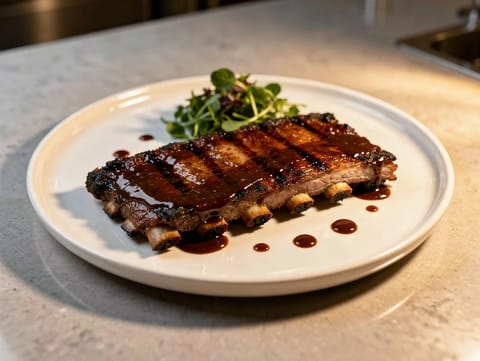
Grilled pork ribs brushed with sticky bourbon BBQ sauce
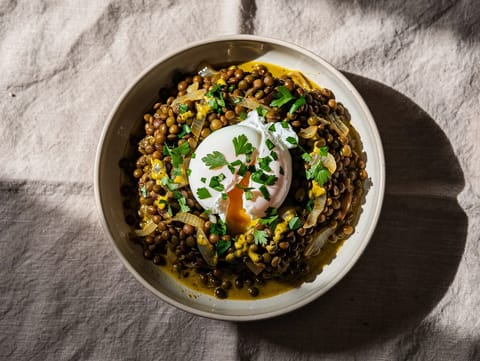
Warm Puy lentils topped with a poached egg
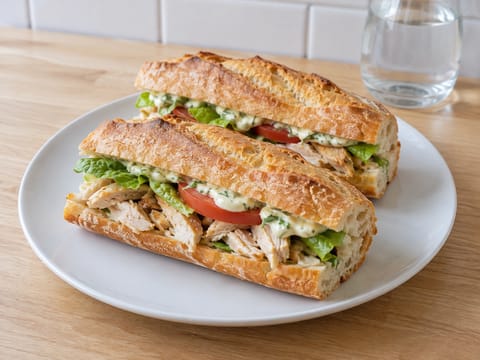
Baguette sandwich with roast chicken and tarragon mayonnaise
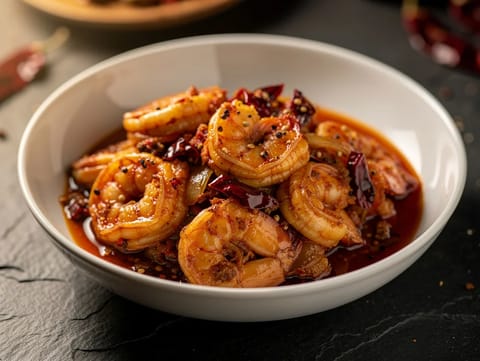
Goan-style prawns cooked in a tangy chilli masala
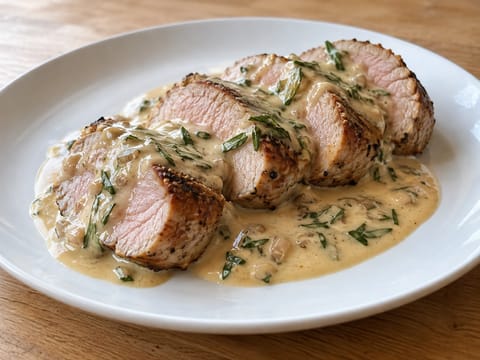
Pan-seared pork tenderloin with Dijon and tarragon cream sauce
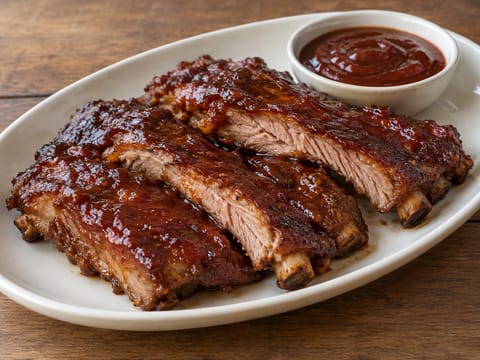
Oven-baked pork ribs with a sweet, smoky molasses glaze
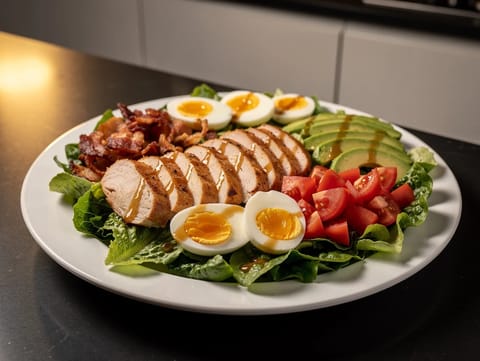
Cobb salad with chicken, avocado, bacon and hard-boiled eggs
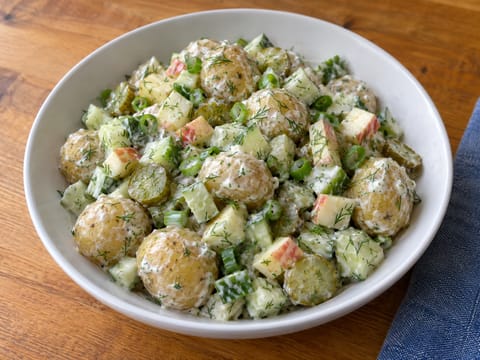
Potato bowl with apple, cucumber and mustard dressing
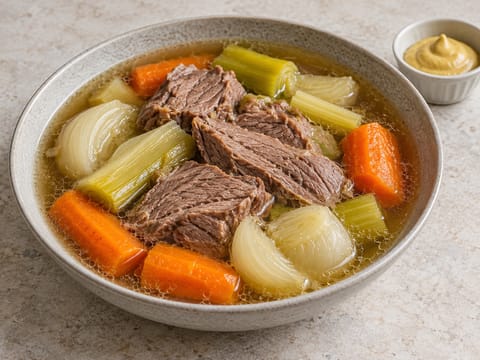
Boiled beef and vegetables served in a clear broth
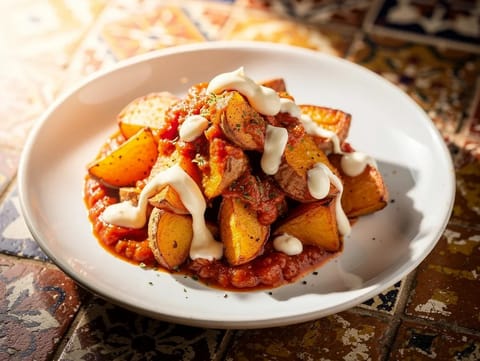
Roasted sweet potato wedges with smoky tomato bravas sauce
Mustard is a common component of spice mixes, salad dressings, mayonnaise-style sauces, pickles and cured or processed meats. If you are avoiding mustard as an allergen, check labels carefully and be cautious with foods described as “seasoned”, “spiced” or “marinated” when the full ingredient list is not available.
Cross-contact can be relevant in delis and sandwich counters where mustard is used frequently. If you are cooking for someone with a diagnosed mustard allergy, follow their guidance and avoid assumptions based on how mild a sauce tastes.
Ingredient pages are useful when you want to compare other pungent condiments, acids and emulsifiers that can stand in for mustard’s role in dressings and marinades. Diet collections can also help you browse allergen-aware recipes, while still treating labels and prepared foods with care.
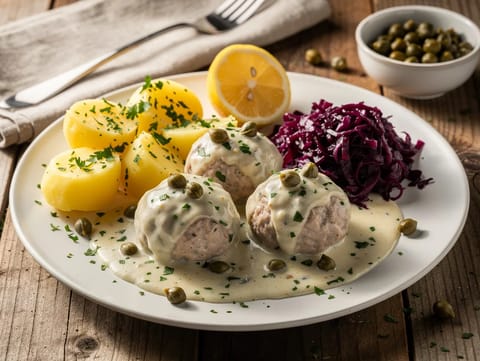
Poached veal meatballs in a creamy caper and lemon sauce
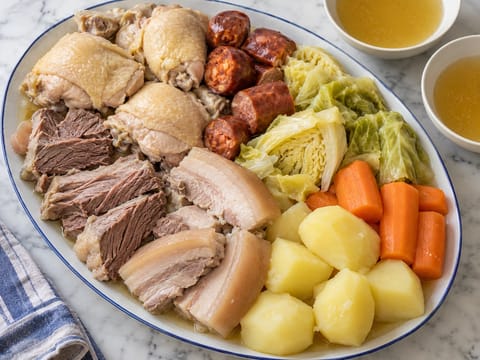
Portuguese boiled dinner with meats, sausages and vegetables
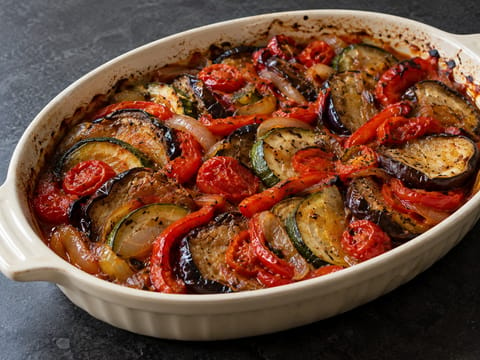
Oven-baked ratatouille with tender aubergine, courgette and tomatoes
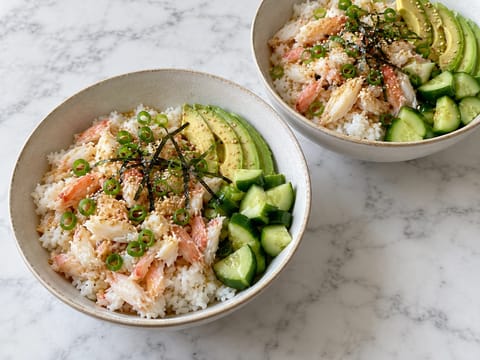
Crab poke bowl with sushi rice, avocado and cucumber.
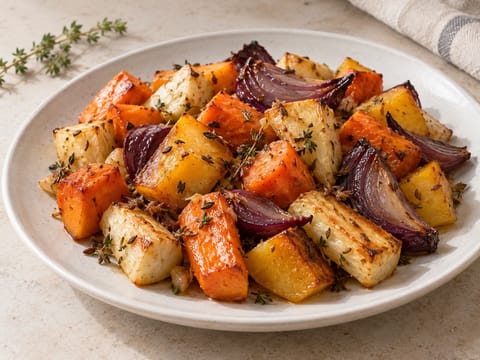
Roasted roots with thyme, caraway and apple cider vinegar
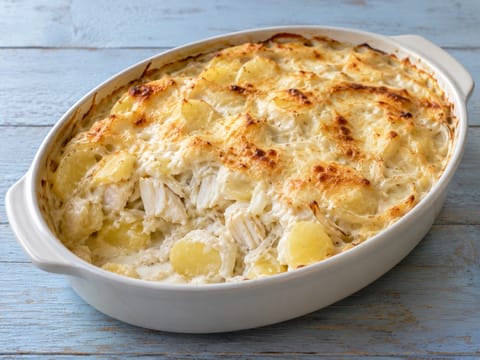
Portuguese baked salt cod and potato casserole in creamy sauce

Chilled sangría with red wine, brandy, citrus and peach
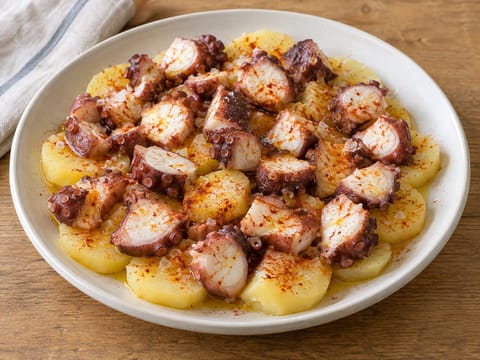
Simmered octopus served over potatoes with paprika and olive oil
Mustard seeds are one form of mustard. Prepared mustards and mustard powder are made from mustard seeds, so they are typically treated as the same allergen concern.
It adds flavour, but it also helps emulsify, so the dressing stays mixed for longer instead of separating quickly.
Sometimes, especially when it is a small flavour accent. If it is part of a dressing or marinade, you may need to adjust acidity, salt and sweetness to keep the dish balanced.
Depending on the dish, extra vinegar or citrus, black pepper, chilli, or horseradish-style heat can add bite. Choose based on the cuisine and the other flavours already present.
In spice blends, dressings, sauces, pickles and prepared meats. When ingredients are grouped under “seasoning”, label reading becomes especially important.
Mustard is not only a condiment. Once you know whether it is there to emulsify, to help spices cling, or simply to add bite, you can substitute more confidently and check the right labels.
