
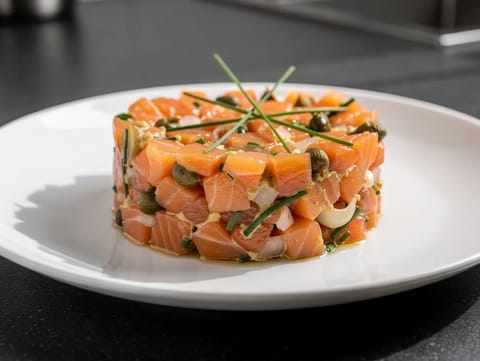
Tartare de Saumon (French-Style Salmon Tartare)
French-style salmon tartare with capers, Dijon and lemon

Mustard is easy to overlook because it is often used in small amounts, yet it can shape a dish’s flavour and texture. It appears as prepared mustard, mustard powder, mustard seeds, and as part of dressings, marinades and spice blends. If you are avoiding mustard, the practical challenge is spotting it in compound ingredients and knowing what role it plays, so you can choose a substitute that keeps the recipe balanced without introducing a new problem.
Mustard brings heat, bitterness and a distinctive pungency, but it also has a practical kitchen role. In vinaigrettes and mayonnaise-style dressings, mustard helps emulsify, keeping oil and water-based ingredients from separating quickly. In rubs and marinades, it can act as a carrier for spices and help them cling to meat, fish or vegetables.
Mustard may be listed as mustard, Dijon mustard, wholegrain mustard, mustard powder, mustard flour, or mustard seeds. Because it is often part of a blend, you may not see it in the recipe title even when it is present in the ingredient list.
French-style salmon tartare with capers, Dijon and lemon
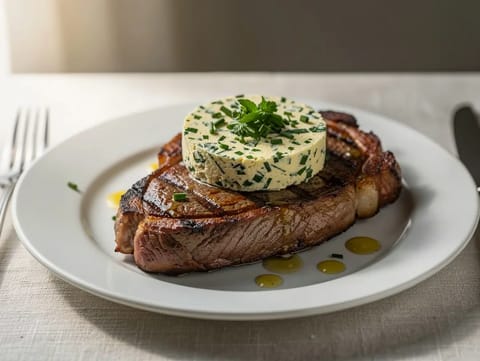
Grilled entrecôte with melting Café de Paris butter

Pan-fried bratwurst with sauerkraut and mustard sauce

Traybake bratwurst with roasted vegetables, mustard and caraway
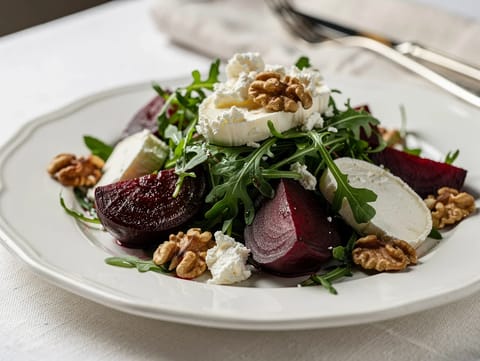
Roasted beetroot salad with goat’s cheese, rocket and walnuts
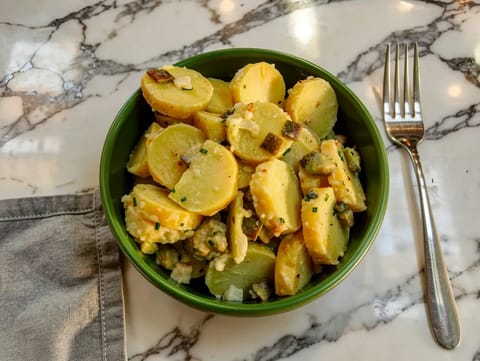
German potato salad with vinegar, mustard and parsley
If mustard is there mainly for flavour, you can often replace it with another sharp element, such as horseradish, wasabi-style paste, pepper, or a little extra vinegar, depending on the dish. The flavour will change, but you can usually keep the same balance of acidity and savouriness.
If mustard is doing an emulsifying job in a dressing, you may need a different helper. A small amount of egg yolk can emulsify, but that introduces another allergen for some people. Some cooks use a little honey or a thick purée to help a dressing hold together, though it will be less stable and may need re-whisking. For crusts and coatings, a different “sticky” base such as yoghurt or oil can help crumbs adhere, but again it changes flavour and suitability.
Warm-dressed German potato salad finished with onions and fresh herbs
Hearty kale stew simmered with smoked pork sausage, served with boiled potatoes
Malabar-style beef curry with coconut milk, curry leaves, tomato and warming spices
Charred lamb cutlets with lemon and rosemary, finished with bright salsa verde
French-style roast chicken with Dijon mustard and a shallot and white wine sauce
Dutch potato and sauerkraut mash with butter, smoked sausage and Dijon mustard
Oven-baked Dutch sauerkraut casserole layered with creamy mash and smoked sausage
Flaky air fryer salmon with lemon, dill, mustard and rapeseed oil.
Thick tamarind kadhi with mixed vegetables, spooned over steamed basmati rice
Shell pasta salad with salami, peppers, olives and a red wine vinaigrette
Juicy pork chops served with a pan sauce of Dijon mustard and gherkins
Rustic Dutch stamppot of mashed potatoes and kale with tangy blue cheese
Mustard is a common component of spice mixes, salad dressings, mayonnaise-style sauces, pickles and cured or processed meats. If you are avoiding mustard as an allergen, check labels carefully and be cautious with foods described as “seasoned”, “spiced” or “marinated” when the full ingredient list is not available.
Cross-contact can be relevant in delis and sandwich counters where mustard is used frequently. If you are cooking for someone with a diagnosed mustard allergy, follow their guidance and avoid assumptions based on how mild a sauce tastes.
Ingredient pages are useful when you want to compare other pungent condiments, acids and emulsifiers that can stand in for mustard’s role in dressings and marinades. Diet collections can also help you browse allergen-aware recipes, while still treating labels and prepared foods with care.
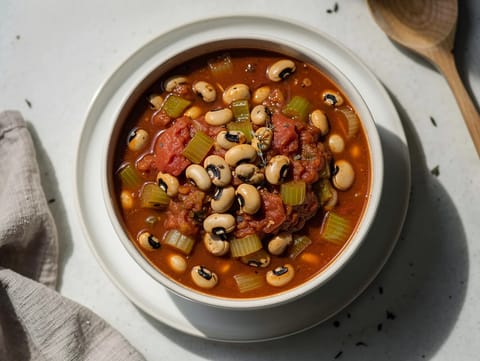
Vegan black-eyed pea stew with tomatoes and smoked paprika
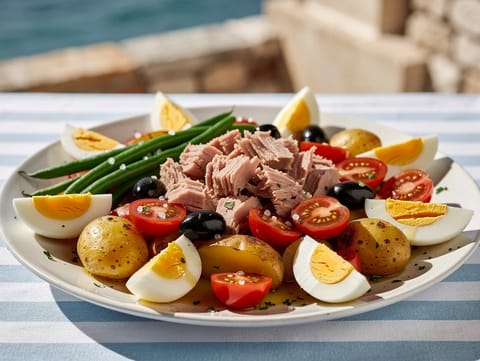
Tuna salad bowl with potatoes, eggs, green beans and olives
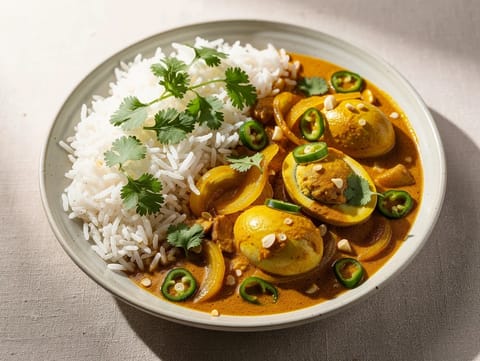
Eggs simmered in spiced tomato gravy with basmati rice
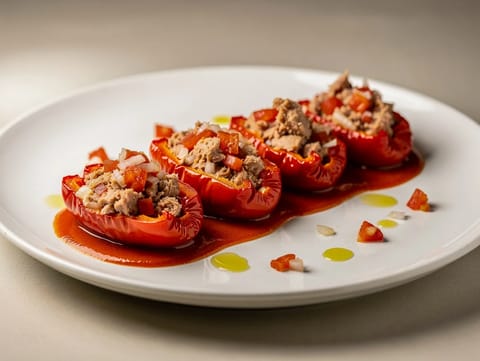
Piquillo peppers stuffed with tuna, onion and tomato
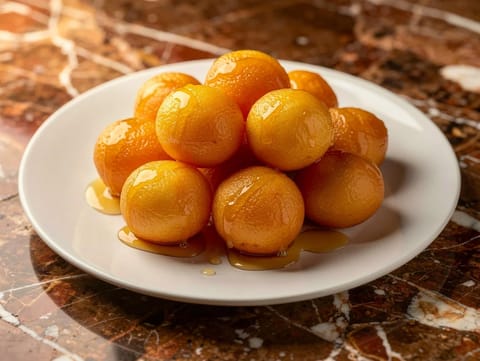
Fried dough bites soaked briefly in lemon syrup
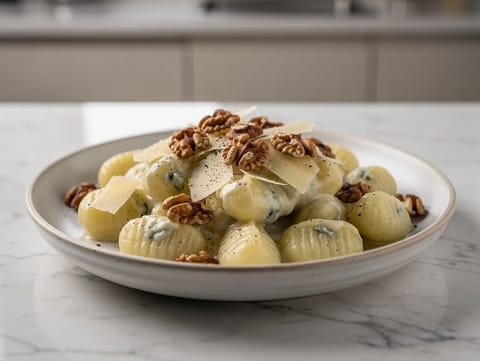
Potato gnocchi in gorgonzola cream sauce with toasted walnuts
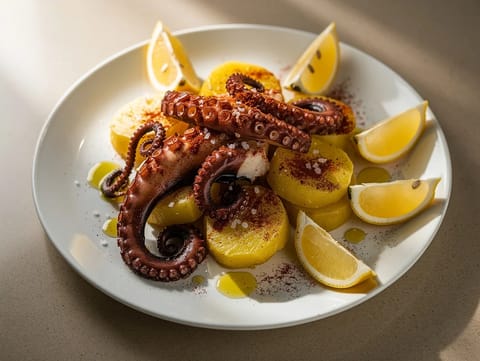
Galician octopus served over boiled potatoes with smoked paprika
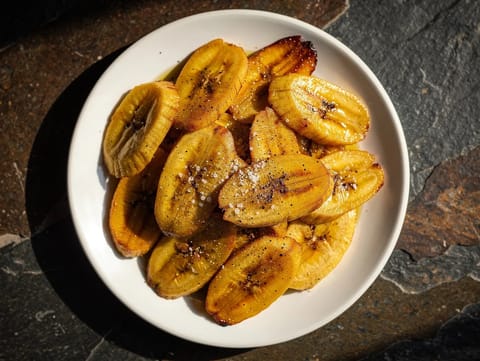
Golden, caramelised plantain slices fried in oil
Mustard seeds are one form of mustard. Prepared mustards and mustard powder are made from mustard seeds, so they are typically treated as the same allergen concern.
It adds flavour, but it also helps emulsify, so the dressing stays mixed for longer instead of separating quickly.
Sometimes, especially when it is a small flavour accent. If it is part of a dressing or marinade, you may need to adjust acidity, salt and sweetness to keep the dish balanced.
Depending on the dish, extra vinegar or citrus, black pepper, chilli, or horseradish-style heat can add bite. Choose based on the cuisine and the other flavours already present.
In spice blends, dressings, sauces, pickles and prepared meats. When ingredients are grouped under “seasoning”, label reading becomes especially important.
Mustard is not only a condiment. Once you know whether it is there to emulsify, to help spices cling, or simply to add bite, you can substitute more confidently and check the right labels.
