
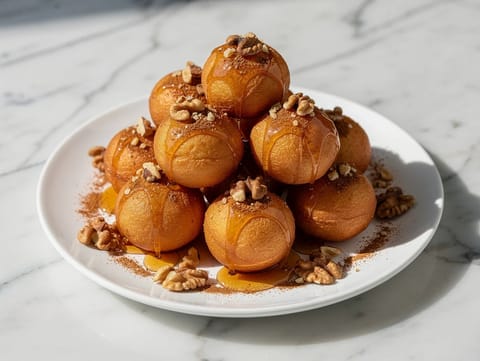
Loukoumades (Greek Honey Doughnuts with Walnuts and Cinnamon)
Greek honey doughnuts topped with walnuts and cinnamon

Walnuts are a specific tree nut with a distinctive, slightly bitter edge, and they are used in more ways than a simple topping. They can be folded into batters, blitzed into crumbs, or blended into sauces where they disappear into the texture. This page helps you recognise the common forms walnuts take in recipes and packaged ingredients, and how to think about substitutions when walnuts are doing more than adding crunch. It is guidance for browsing and planning, not a guarantee of suitability for anyone with an allergy.
Walnuts are often used for their texture and their flavour, which can read as earthy and gently astringent, especially when toasted. Chopped walnuts keep their identity in salads, breads and traybakes; ground walnuts behave more like a meal, absorbing moisture and helping bind mixtures; walnut pieces can also be caramelised or candied, which changes both flavour and how noticeable they are. In sauces and dips, walnuts can be blended smooth, turning into a thickener and adding richness without visible pieces. That matters for avoidance, because a dish can contain walnuts even when you cannot see them. Any mention of walnut meal, walnut butter, or a walnut-based paste is a cue to slow down and check the ingredient list carefully.
Greek honey doughnuts topped with walnuts and cinnamon
Peruvian shredded chicken simmered in a creamy ají amarillo sauce with walnuts
Egg pasta tossed with rocket and walnut pesto, Parmesan, garlic and olive oil
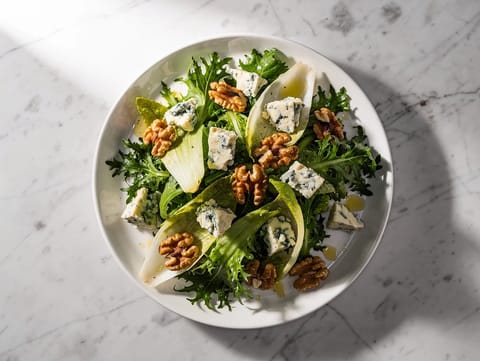
Crisp endive salad with walnuts, Roquefort and Dijon dressing
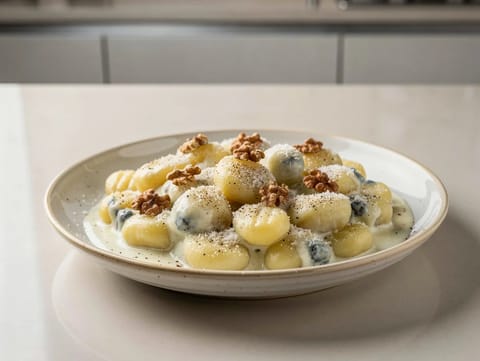
Potato gnocchi in gorgonzola cream with toasted walnuts
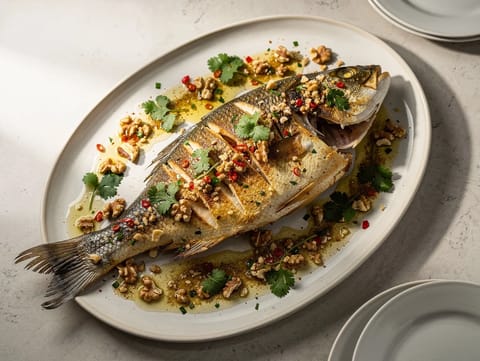
Whole roasted fish with garlic chilli coriander sauce
If walnuts are used as a garnish, you can often replace the crunch with toasted seeds or simply leave them off, depending on the dish. When walnuts are blended into a sauce or dip, you need an alternative that provides body and richness, such as a seed butter, dairy, or a different thickening approach, depending on the recipe’s style. In baking, swapping walnuts is easiest when they are folded in as pieces; replacing ground walnuts is trickier because it affects moisture and structure as well as flavour. If you are cooking for someone who avoids walnuts due to allergy, choose substitutions that fit their needs rather than assuming another tree nut is acceptable.
Egg pasta tossed with rocket and walnut pesto, Parmesan, garlic and olive oil
Peruvian shredded chicken simmered in a creamy ají amarillo sauce with walnuts
Golden baked filo and walnut baklava soaked with lemon syrup and orange blossom water
Greek baklava baked until golden, then soaked in warm honey syrup to set
A creamy fig smoothie bowl blended with banana and Greek yoghurt, drizzled with honey.
Apple pie smoothie bowl with apple, banana, Greek yoghurt, oats and cinnamon.
Lebanese baked fish with a warm walnut, chilli and coriander sauce and lemon
Roasted poblano chillies filled with spiced pork and topped with walnut sauce
Kale, apple and banana blend into a creamy bowl with walnuts.
Coiled gubana pastry filled with walnuts, raisins, citrus zest and grappa
Layered filo pastry with pistachios and walnuts, soaked in warm honey and lemon syrup
Polish kluski z makiem with tender noodles coated in sweet poppy seeds and dried fruit
Walnuts can appear in packaged foods where you might not expect them, including baked goods, confectionery, spreads and pesto-style products. Ingredient lists and advisory statements are your best guide, and they matter even when a recipe itself looks straightforward. Cross-contact is also a consideration with shared equipment, particularly food processors and blenders used for nut crumbs, nut butters or sauces. This tag helps you identify recipes where walnuts may be intentionally present, but it cannot account for every brand, kitchen or individual sensitivity.
Ingredient browsing is useful when you want to compare walnut alternatives side by side, especially for texture roles like crunch, thickening or binding. Diet categories can help if you are juggling multiple constraints, but they should be treated as a starting point, with labels and ingredient lists doing the final work.
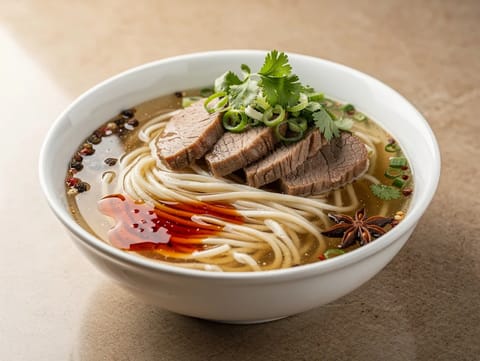
Hand-pulled noodles in clear beef broth with chilli oil
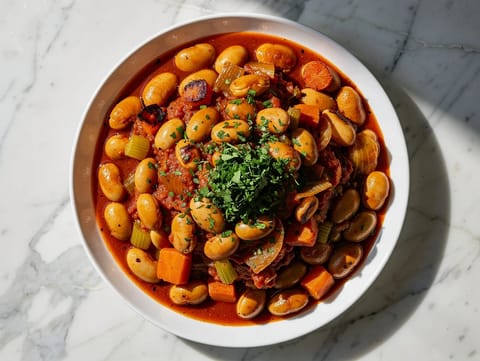
Greek baked giant beans in tomato and olive oil sauce
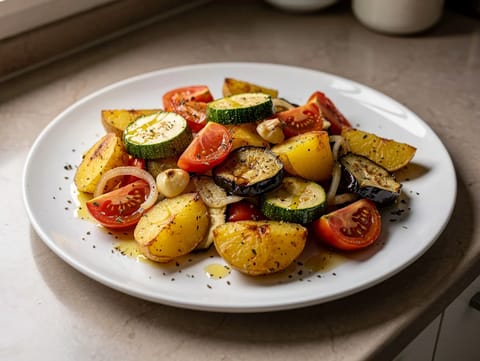
Greek traybake of roasted summer vegetables in olive oil
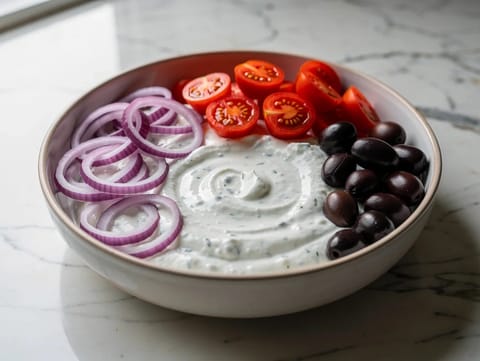
Tzatziki served with fresh vegetables, olives and warm pitta
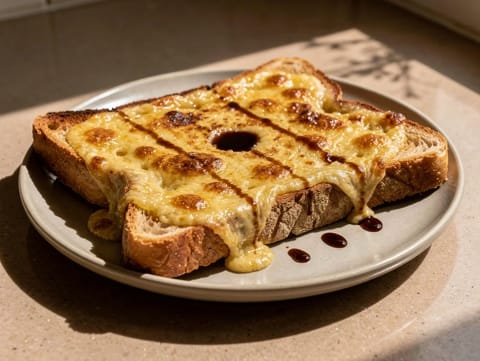
Sourdough topped with ale and mustard cheese sauce, grilled
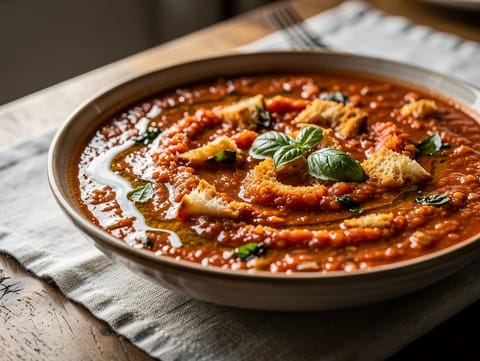
Tuscan tomato and bread soup finished with fresh basil
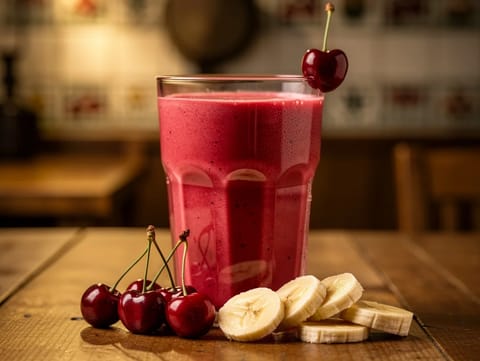
Cherries blended with yoghurt, milk and banana until smooth.
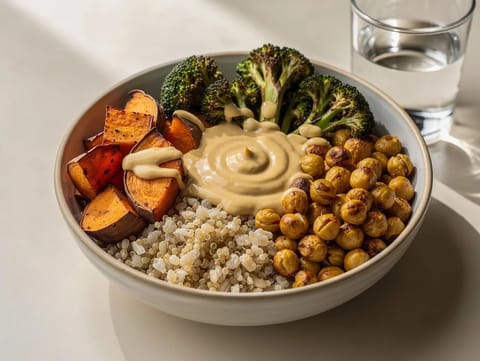
Quinoa bowl with roasted sweet potato, broccoli and tahini dressing
Walnuts are one type of tree nut. Some people avoid all tree nuts; others avoid only specific nuts. For allergy needs, treat walnuts as a specific ingredient to check for, not a general label.
Walnuts contain compounds that can read as astringent, and toasting can intensify that character. In recipes, that bitterness is often balanced with sweetness, dairy, or sharp ingredients such as citrus.
They are easiest to miss when ground into flour-like meal, blitzed into crumbs, or blended into sauces and dips where they thicken the mixture without leaving visible pieces.
Culinarily, another nut can often mimic crunch or richness, but for anyone avoiding walnuts due to allergy, another tree nut may not be suitable. Choose substitutes based on the eater’s requirements.
It depends on the level of sensitivity and your kitchen setup. Nut pastes and crumbs cling to equipment, so blenders, processors and chopping boards are common problem areas if you are trying to keep walnuts out of a dish.
Walnuts can be obvious as pieces, or effectively invisible once ground or blended. When you know what role they play in a recipe, it becomes much easier to decide whether to omit, substitute, or choose a different direction entirely.
