
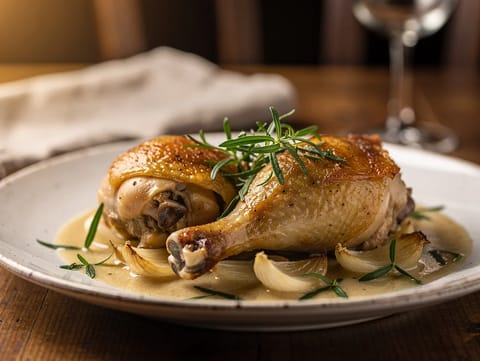
Fricassée de Poulet à l’Estragon (Chicken with Tarragon Cream)
French chicken fricassée in a tarragon and cream sauce

Creamy comfort meals are defined by texture: sauces that coat pasta, soups that feel velvety, bakes that spoon out in soft layers. That creaminess can come from dairy, but it can also be built with puréed vegetables, beans, nuts or well-emulsified sauces.
Because creamy dishes are naturally crowd-friendly, the key is planning the rest of the plate. A rich, pale centrepiece benefits from something crisp, green or sharp alongside. Once you decide whether you want a spoonable dish, a sliceable bake or a saucy pasta, the sides and serving style fall into place.
Creaminess is a mouthfeel: smooth, rounded and coating. In savoury cooking it often comes from fat and starch working together, whether that is cream thickened by reduction, a roux-based sauce, cheese melted into a base, or vegetables blended until silky. In some dishes, creaminess is created by emulsifying oil with an aqueous ingredient, such as yoghurt, tahini or a nut purée.
Creamy does not automatically mean bland. Garlic, mustard, pepper, herbs, citrus zest and spices can all cut through richness. It also does not guarantee a heavy dish. A puréed vegetable soup can feel creamy while still tasting clean, whereas a cheese-heavy bake will read as richer and more filling. Knowing which kind of creaminess you are after helps you choose wisely.
French chicken fricassée in a tarragon and cream sauce
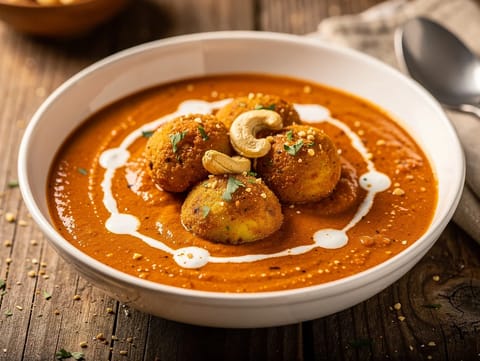
Paneer and potato kofta in creamy tomato and cashew sauce
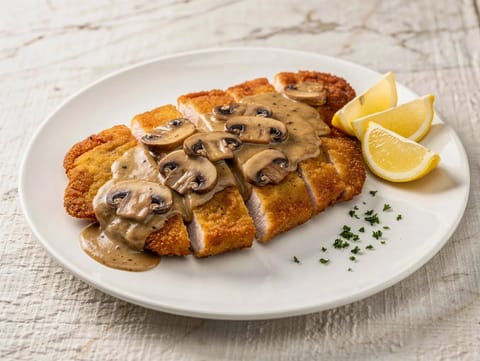
Crisp pork schnitzel with a creamy mushroom mustard sauce
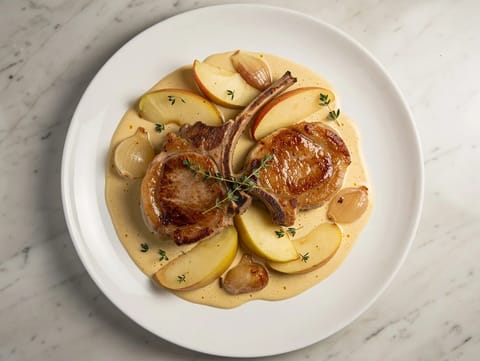
Pork chops with apples in a creamy cider sauce
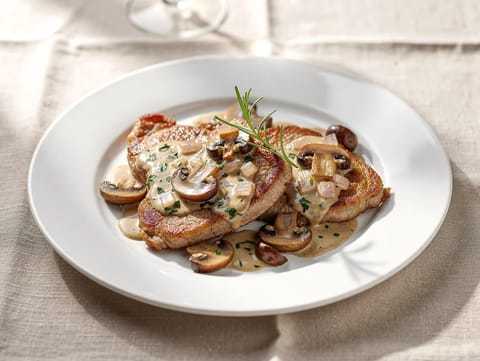
Pan-fried veal escalopes with mushroom and tarragon cream sauce
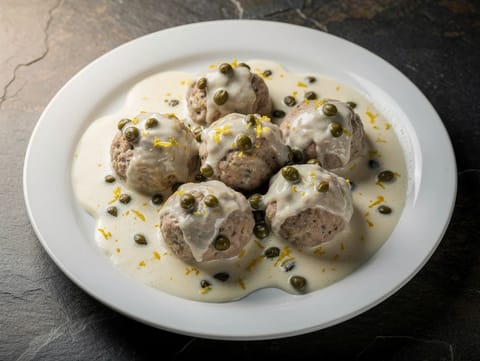
Poached meatballs in creamy caper sauce with lemon
Creamy comfort cooking often shows up in dishes that portion easily: pasta and rice dishes, casseroles and gratins, creamy soups, and saucy chicken or vegetable mains. These formats are practical because they hold heat well and can be served from a single pot or baking dish.
You may also see meals where the creamy element is a component rather than the whole dish, such as a yoghurt sauce, a creamy dressing, or a puréed base under roasted vegetables. Those options can feel lighter on the table while still delivering the soothing texture that defines the theme.
When serving a group, pay attention to how the sauce behaves as it sits. Some creamy sauces thicken as they cool, so having a splash of hot water, stock or milk ready can help loosen portions as you serve.
Paneer and potato kofta in creamy tomato and cashew sauce
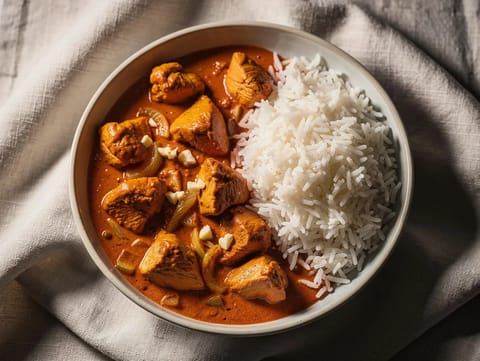
Chicken tikka masala in a creamy tomato sauce with basmati rice
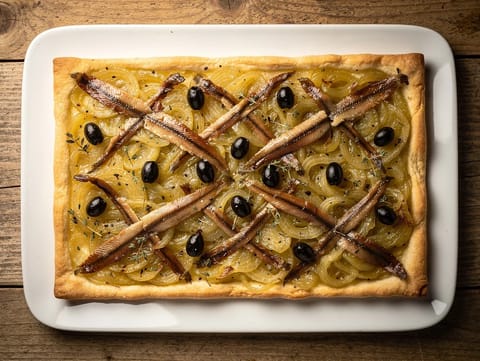
Onion tart with anchovy fillets and black olives
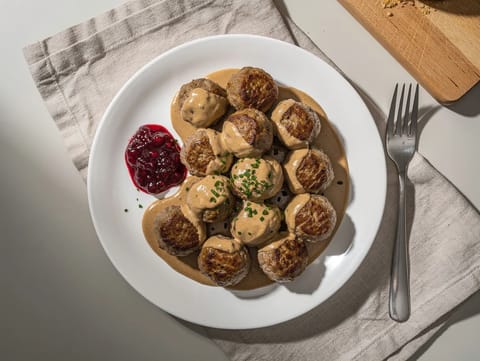
Swedish meatballs in creamy gravy with lingonberry
Silky Goan coconut fish curry with turmeric, lime and coriander
Rich Swedish potato and anchovy gratin baked until golden with breadcrumbs
Tagliatelle tossed with white pork and veal ragù, milk and Parmesan
Mild chicken curry with ginger, garlic and a smooth yoghurt and cream sauce
Veal escalopes served with mushrooms in a white wine cream sauce
Tender chicken thighs braised with leeks and mushrooms, finished with lemon
Coq au vin blanc with leeks, mushrooms and a tarragon finish
Browned chicken simmered in white wine and cream, finished with fresh tarragon
For the richest comfort, look for cheese-forward bakes and thick, reduced sauces. They pair well with bitter greens, sharp salads and pickled elements.
For a lighter creamy feel, choose soups and sauces thickened with vegetables or legumes. They often welcome herbs, chilli oil or toasted seeds for contrast.
If you need a meal that stands up to being served over time, baked dishes and stews with creamy finishes are usually steadier than delicate emulsions. Yoghurt- or egg-thickened sauces can split if overheated, so they are best for meals served promptly or finished gently.
If you are feeding mixed appetites, choose a creamy base with optional toppings. Crunchy breadcrumbs, grated cheese, herbs or chilli flakes let people adjust richness at the table.
Diet can be useful here because “creamy” sometimes relies on dairy, cheese or specific fats, and you may want alternatives that still give a smooth texture. Cooking time is also a practical companion: some creamy meals are quick pan sauces, while others depend on baking or slow simmering to develop depth.
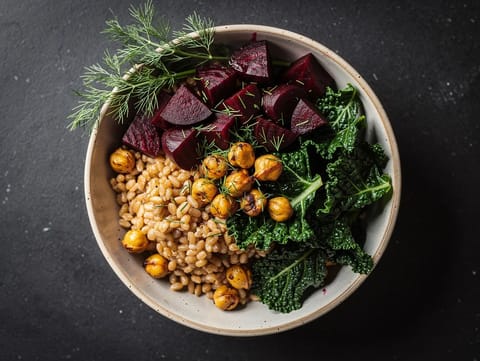
Vegan barley bowl with beetroot, kale and crispy chickpeas
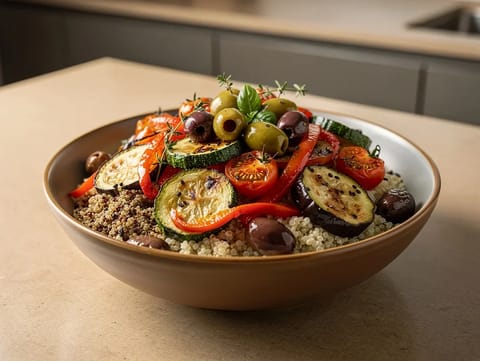
Quinoa bowl topped with roasted vegetables, olives and lemon

Chilled hibiscus tea drink sweetened and finished with lime
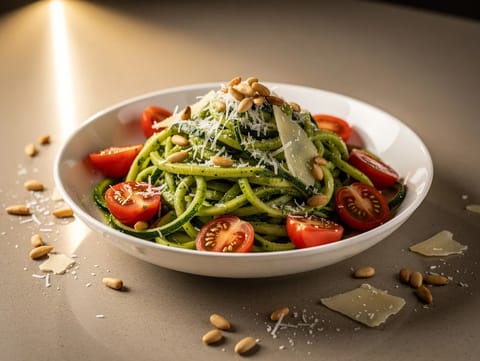
Courgette noodles with basil pesto, cherry tomatoes and Parmesan
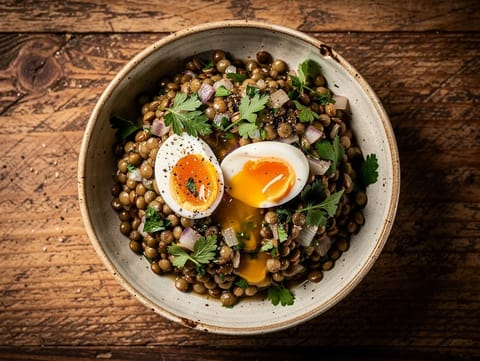
Puy lentils in Dijon vinaigrette topped with a soft-boiled egg
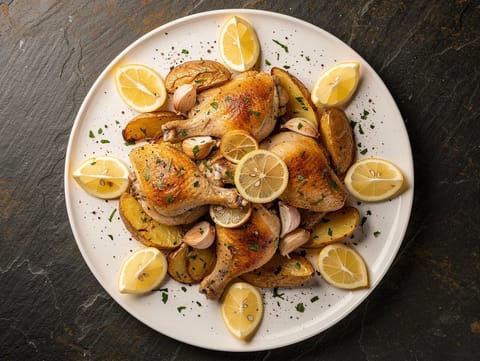
Roasted chicken and potatoes with lemon, garlic and oregano
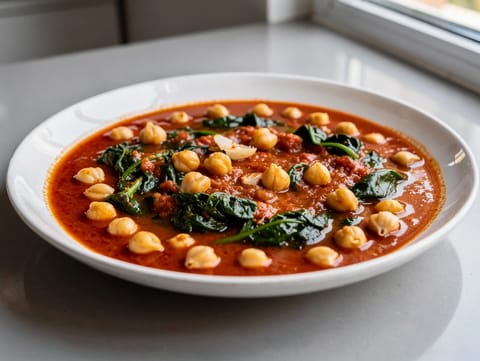
Spinach and chickpeas simmered with cumin, paprika and tomato
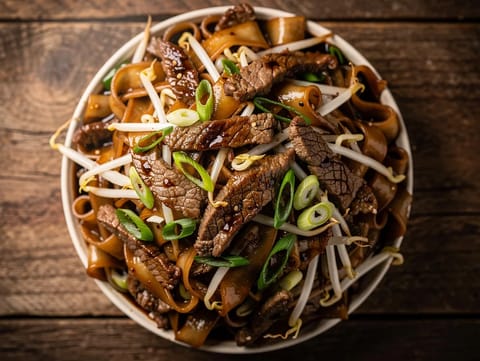
Cantonese beef stir-fried rice noodles with beansprouts
No. Creaminess can come from cheese, butter and flour, puréed vegetables, beans, nuts, or emulsified sauces. The ingredient list will tell you which approach a recipe uses.
Add something sharp or crisp: a lemony salad, steamed greens, a vinegar-based slaw, or a small pickled garnish. Texture contrast matters as much as acidity.
Emulsions and dairy-based sauces can separate if overheated or boiled hard, especially when they contain yoghurt or eggs. Gentle heat and careful finishing help.
Simple greens, bitter leaves, or a tomato salad with plenty of acidity often work well. Bread can be useful, but it can also make an already rich meal feel heavier.
Very often. Creamy dishes tend to hold together on a spoon and portion neatly, which makes them well suited to serving from the pot or baking dish.
Pick the style of creamy dish you want, then plan one contrasting element alongside. A crisp salad, a green vegetable or a sharp relish can make a creamy comfort meal feel complete rather than overwhelming.
