
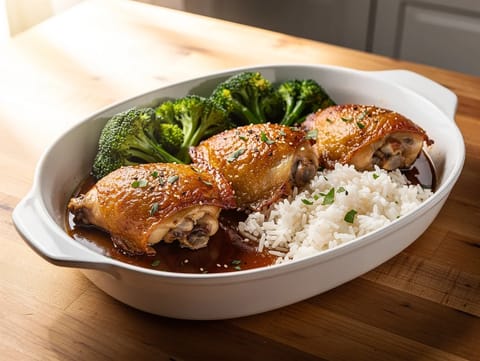
Oven-Baked Honey Garlic Chicken Thighs
Baked chicken thighs with a sticky honey garlic soy glaze
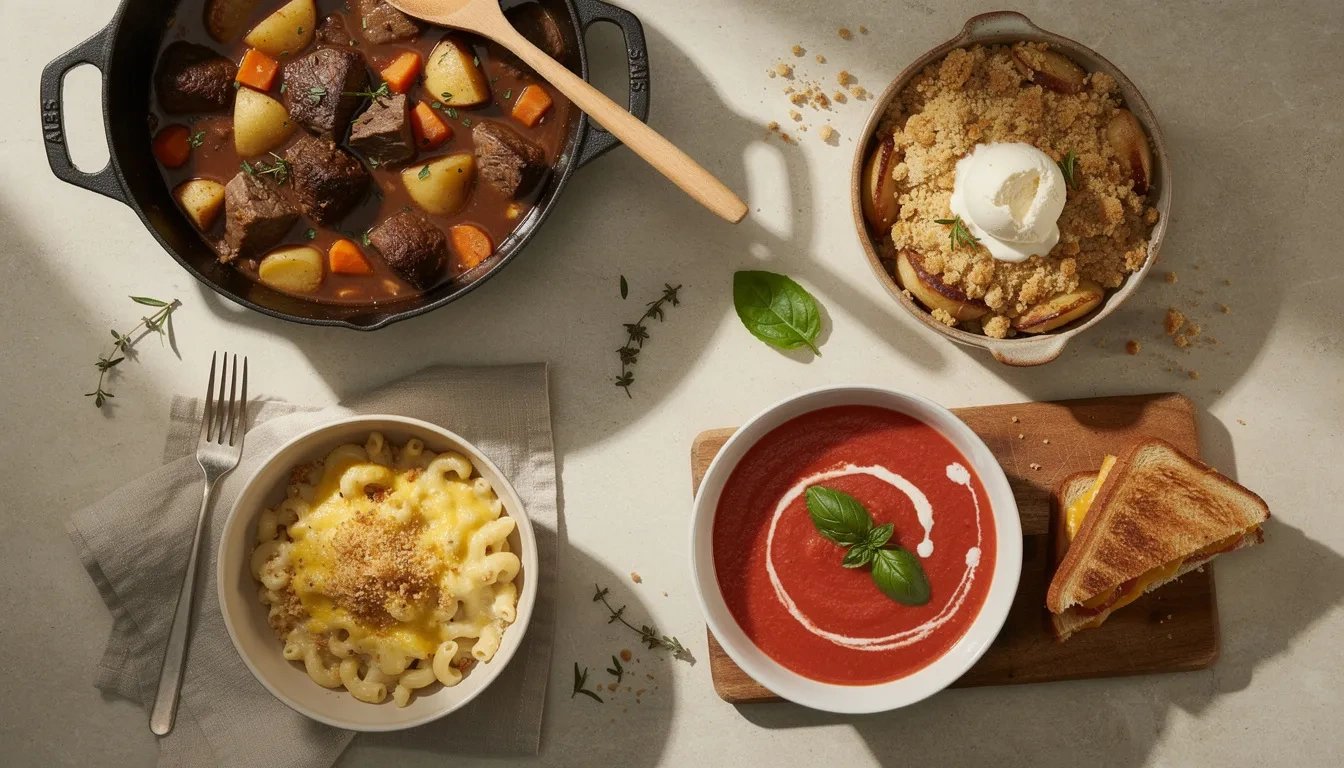
Family-friendly dinners are less a single style of food and more a way of building the plate. The recipes that work best tend to be easy to portion, forgiving if someone eats later, and flexible enough that heat, herbs or sauces can be adjusted at the table. This collection focuses on dinners you can serve to a mixed household without making separate meals. Use it to plan a main plus one or two sides that cover comfort, vegetables and something filling, while keeping the overall workflow calm.
At dinner, family-friendly often means familiar formats and clear flavours: dishes that are recognisable on sight and do not rely on a single intense note. That does not rule out spice, bitterness or strong cheeses, but it helps when those elements are optional or can be served on the side. Texture is part of the equation too. Crispy coatings, tender pasta, saucy rice dishes and roast vegetables tend to be easy to serve across ages, while very delicate fish or tightly timed dishes can be less forgiving.
It also implies practicality. Recipes that hold well for a short while, reheat without drama, or can be assembled in stages are often easier to fit around homework, shifts and staggered appetites.
Baked chicken thighs with a sticky honey garlic soy glaze

Steamed suet pudding with beef, kidney and onions
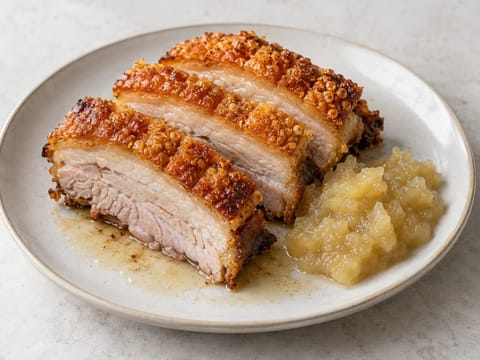
Slow-roasted pork belly with crackling and apple sauce

Bolivian baked empanadas with juicy beef, potato and peas.
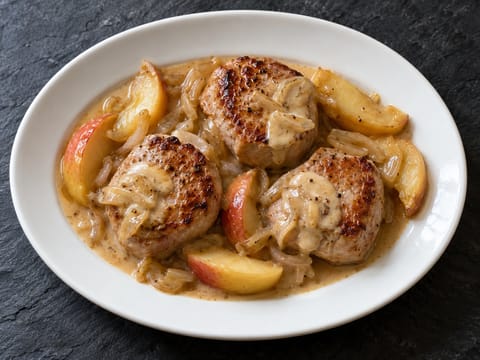
Seared pork tenderloin with apples in a creamy Calvados sauce
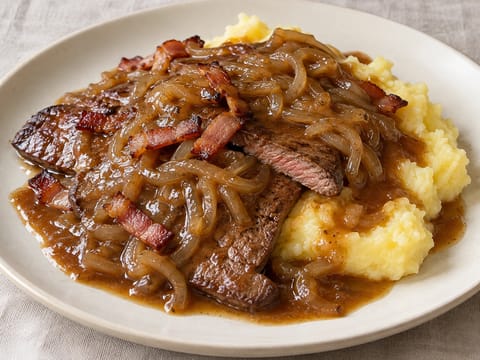
Seared liver and crisp bacon with mash and onion gravy
If you are feeding different tastes, pick a build-your-own style main: tacos, bowls, baked potatoes, pasta with a sauce plus toppings, or a tray of roasted components. This keeps the cooking centralised while letting everyone finish their plate.
If you need a calmer serve, choose one-pot or oven-to-table dishes such as casseroles, baked pasta or traybakes. They portion neatly and stay warm while you get everyone seated.
For households with varied spice tolerance, look for recipes where heat is added at the end. A chilli oil, hot sauce or peppery garnish can sit alongside a mild base, so the same dinner works for everyone without compromise.
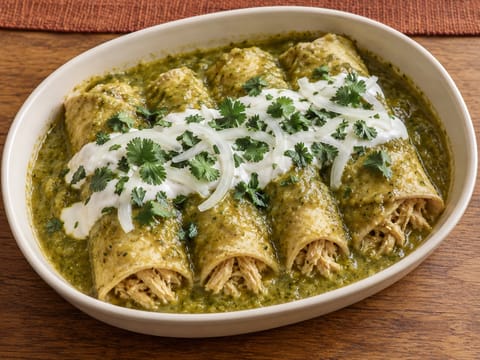
Chicken enchiladas baked in tomatillo and green chilli sauce
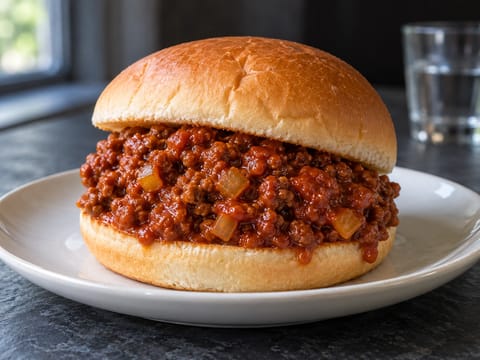
Sloppy Joe buns filled with tangy minced beef
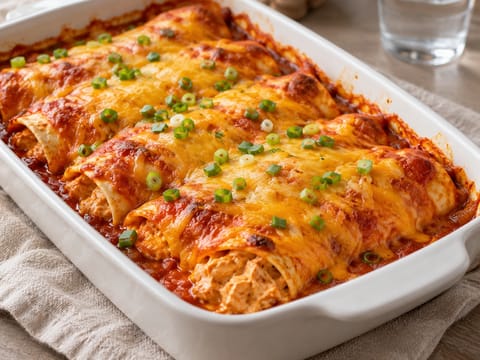
Baked buffalo chicken enchiladas with cheddar and tomato topping
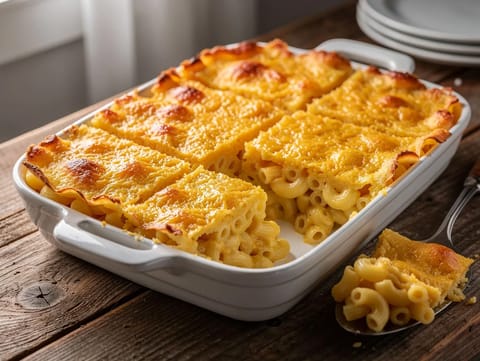
Baked macaroni cheese with cheddar and a custardy set
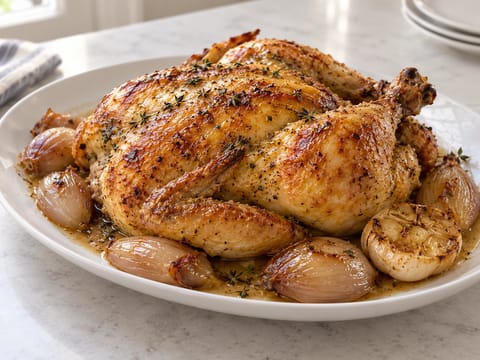
Roast chicken coated with Dijon mustard, thyme, garlic and shallots
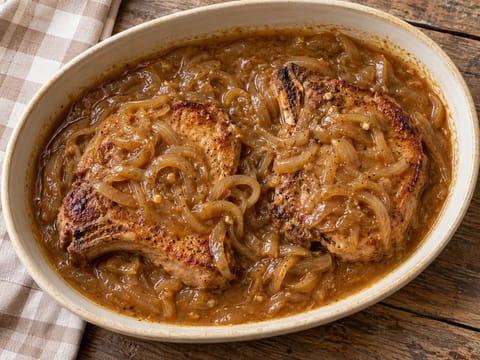
Pan-seared pork chops simmered in rich onion gravy
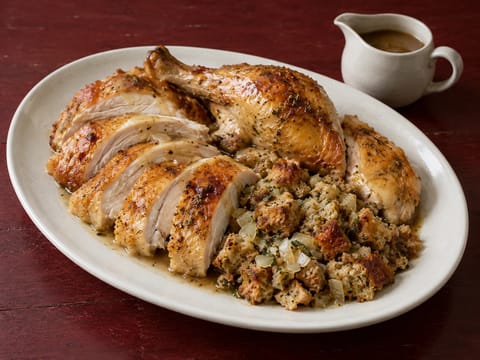
Roast chicken with herb bread stuffing and pan drippings gravy
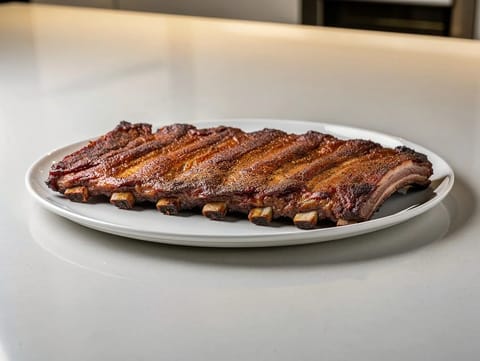
Oven-baked pork ribs with smoky dry rub and vinegar sauce
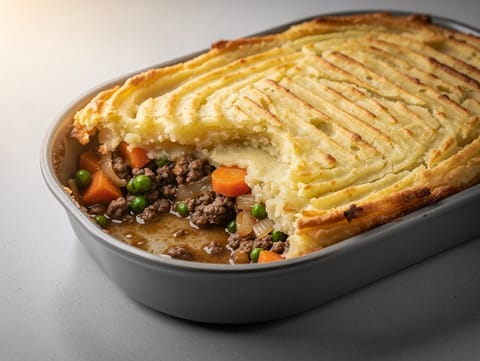
Minced beef and gravy topped with mashed potatoes
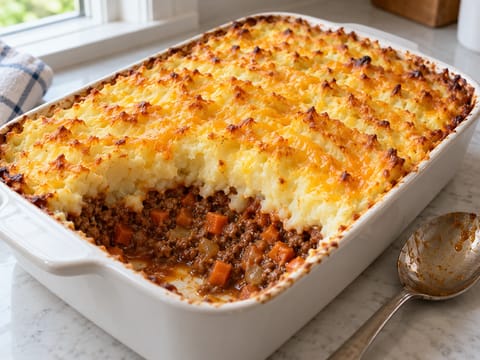
Cottage pie topped with cheddar mash and baked until golden
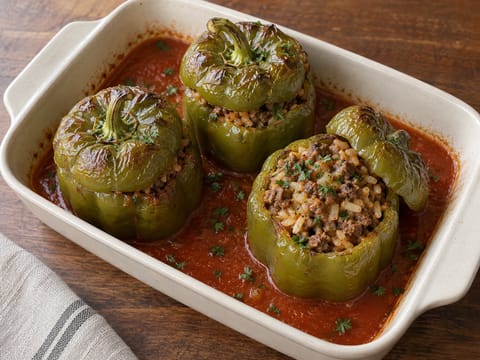
Stuffed peppers with minced beef, rice and tomato sauce
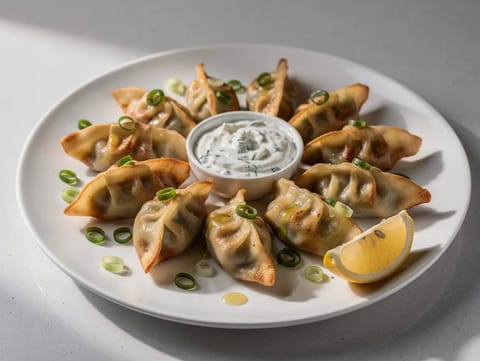
Pan-fried lamb gyoza served with tzatziki for dipping
Start with the main, then add two supports: a vegetable side and a filling side. The vegetable side can be as simple as a salad, steamed greens or roasted carrots, but it helps if it has a clear dressing or seasoning so it does not feel like an afterthought. The filling side might be bread, rice, potatoes or pasta, chosen to match the sauce or juices from the main.
Balance also comes from temperature and texture. If the main is soft and saucy, add crunch with a slaw, cucumber salad or toasted topping. If the main is crisp, add something creamy or brothy. Keeping sauces and garnishes separate makes serving smoother and lets each person adjust richness, acidity and heat at the table.
Cooking time is a practical companion when you need dinners that fit a specific evening window, whether that means quick assembly or hands-off oven time. Meal time can also help if you are planning for an earlier family supper versus a later, more relaxed dinner, where holding and reheating matter more.
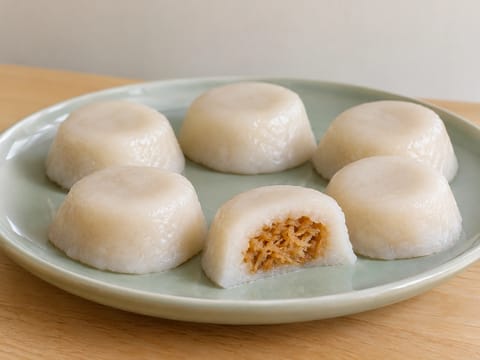
Steamed rice flour dumplings with a sweet coconut filling
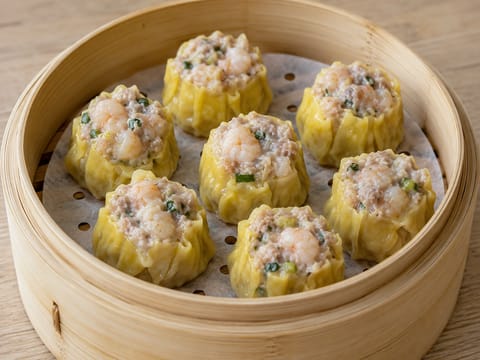
Open-topped dumplings with pork and prawn filling
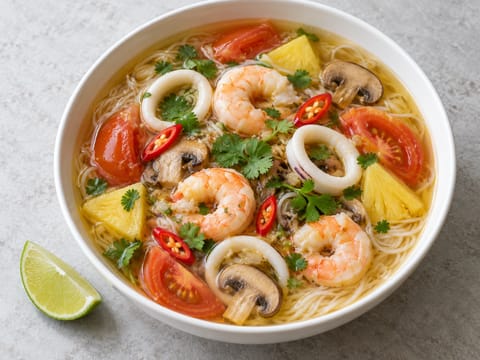
Vietnamese hot pot with lemongrass broth, seafood and mushrooms
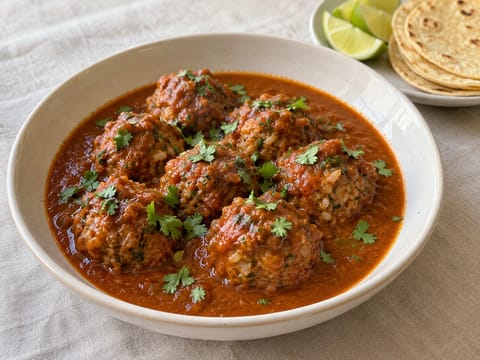
Beef meatballs simmered in smoky chipotle tomato sauce
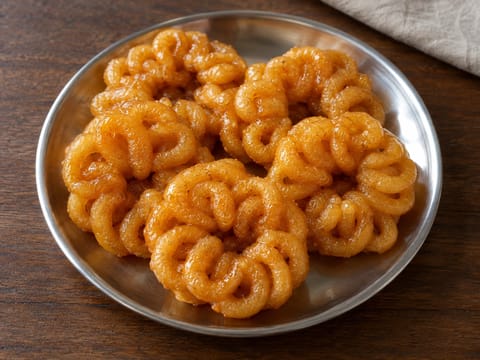
Fried urad dal spirals soaked in saffron and cardamom syrup
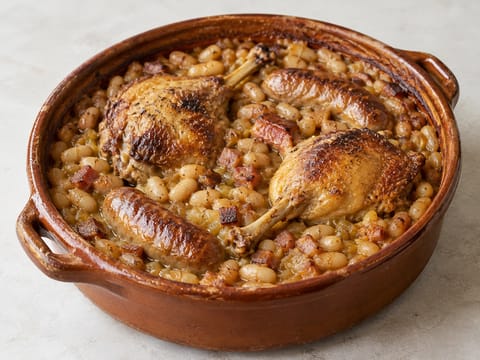
Slow-cooked white bean cassoulet with duck legs and sausages

Finger sandwiches with smoked salmon, cucumber and cream cheese
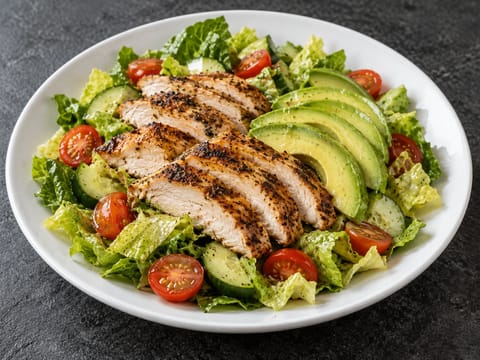
Grilled chicken salad with avocado and lime dressing
Typically, a dinner that is easy to portion, not overly dependent on one intense flavour, and flexible enough that seasoning, heat or toppings can be adjusted for different eaters.
No. It usually means flavours are clear and adjustable. You can keep the base mild and offer strong elements, such as chilli, herbs, pickles or grated cheese, at the table.
Build-your-own meals and component-style trays work well because people can choose portions and toppings. One-pot and oven dishes are also useful when you want a single serve for everyone.
Plan a vegetable side as part of the meal rather than relying on what is in the main. A dressed salad, roasted vegetables or quick-cooked greens are easy to add without changing the main recipe.
Choose dishes that hold well, such as casseroles, baked pasta, stews or traybakes, and keep sauces and toppings separate so textures stay pleasant when served later.
Pick recipes with forgiving timing and do small prep earlier: chop vegetables, mix a dressing, or set out toppings. The meal will feel calmer even if the cooking itself is simple.
A family dinner works best when the main dish is steady and the finishing touches are optional. Choose one reliable centre, then let sides and toppings provide the variety.
