
Cassoulet (Slow-Cooked White Bean and Duck Casserole)
Why this recipe works
- Built-in depth: Browning the duck, pancetta and sausages first creates a savoury base that flavours the beans as they cook.
- Creamy beans: Slow cooking gives the white beans time to soften fully while absorbing stock, aromatics and rendered meat juices.
- Classic crust: The final uncovered bake concentrates the surface and forms the golden crust associated with cassoulet.
Get the most out of this recipe
Authenticity notes
- South-west French roots: Cassoulet is strongly associated with south-west France, where regional versions vary but typically centre on white beans, rich meats and a browned top.
- Meat variations are normal: Duck, pork sausage and pancetta create a rich, accessible version; other cassoulets may use different pork cuts or confit depending on region and cook.
- Practical home method: Using one Dutch oven keeps the process manageable while still building flavour through browning, slow cooking and a final crust-forming bake.
Timing notes
- Most of the time is hands-off: The active work happens early: soaking, browning and softening the aromatics. The longer oven time is what tenderises the beans and duck.
- Rest before serving: A short rest helps the liquid settle and makes the casserole easier to portion without losing the crust immediately.
- Serve hot, not rushed: Cassoulet is best served piping hot after resting, when the beans are creamy and the top still has structure.
Texture tips
- Let the crust form undisturbed: Once the cassoulet is uncovered for the final bake, avoid stirring so the surface can set, colour and crisp naturally.
- Watch the liquid level: If the beans are tender but the liquid still looks thin before the final bake, reduce it briefly on the hob so the top can brown rather than steam.
- Cook the beans gently: A steady, gentle simmer helps the beans become tender and creamy without breaking down into a heavy paste.
Make-ahead tips
- Good made ahead: Cassoulet reheats well, and the savoury flavours become more integrated after a night in the fridge.
- Reheat without drying out: Reheat covered in a 180°C (355°F) oven until piping hot throughout, adding a splash of water if the beans look dry; uncover near the end to refresh the top.
- Freeze in portions: Cool completely, freeze in portions, then defrost overnight in the fridge before reheating thoroughly.
Equipment you'll need
Ingredients
Instructions
- Put the dried white beans in a large pot and cover with plenty of cold water. Bring to the boil, boil for 2 minutes, then take off the heat and leave to soak for 1 hour. Drain and rinse well.
- Heat the oven to 160°C (320°F). Pat the duck legs dry and season all over with the salt and black pepper. Heat the olive oil in a Dutch oven over medium heat, then brown the duck legs skin-side down until the fat renders and the skin is deep golden, 8 to 10 minutes; turn and brown the other side for 3 minutes, then lift out.
- In the same pot, cook the pancetta over medium heat until it has rendered and is lightly browned, 4 to 5 minutes. Add the sausages and brown them all over, 6 to 8 minutes, then transfer to a plate. Pour off all but about 2 tablespoons of fat from the pot.
- Add the onion, carrots and celery to the pot and cook over medium heat until softened and lightly golden, 8 to 10 minutes. Stir in the garlic and cook for 1 minute until fragrant. Add the wine and simmer for 2 minutes, scraping up any browned bits from the base.
- Add the drained beans, thyme, bay leaves and chicken stock, then bring to a gentle simmer. Nestle in the duck legs and sausages, keeping the duck mostly submerged. Cover and cook in the oven for 1 hour 15 minutes, or until the beans are tender and the duck is very yielding.
- Uncover the pot and increase the oven to 190°C (375°F). Bake for 35 to 45 minutes until a deep golden crust forms on top; if the surface dries too quickly, spoon a little cooking liquid over the top. Rest for 10 minutes, then serve, making sure each portion gets beans, sausage, pancetta and a duck leg.
Recipe notes
Tips
- For the best crust, avoid stirring once the cassoulet goes back into the oven uncovered; let the top set and colour naturally.
- If the beans are tender but the liquid is still thin before baking, simmer on the hob for 5 to 10 minutes to reduce slightly, then bake.
- If serving vulnerable groups, ensure the duck and sausages are cooked until piping hot throughout before serving.
Substitutions
- Replace Dry White Wine with dry sherry for a slightly richer, nuttier finish.
- Replace Fresh thyme with dried thyme for a more concentrated herbal note; use a smaller amount and add it with the stock.
Storage
- Refrigerate up to 3 days
- Cool completely, then refrigerate in a covered container. Reheat in a 180°C (355°F) oven until piping hot throughout; add a splash of water if it looks dry. Freeze in portions for up to 2 months and defrost overnight in the fridge before reheating.
Ratings & reviews
Liked this recipe? Share your feedback to support our cooking community.
Tried this recipe?
Choose 1–5 stars. A comment is optional.
Stay inspired
Discover new recipes, seasonal favourites and cooking inspiration every day. Follow JustRecipes on Pinterest and Spillt.
Recipe overview
- Servings: 4 servings
- Total time: 4h (55min active)
- Difficulty: Advanced
- Cuisine: French
Plan your meals and get a complete grocery list automatically.
Add to meal plannerEquipment you'll need
Got ingredients left?
Find recipes using ingredients from this recipe or what you already have at home.
Find recipes with these ingredients →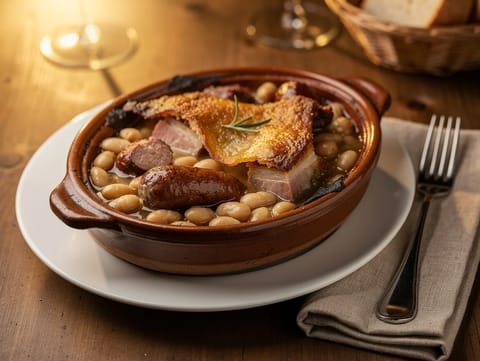
Cassoulet Toulousain (White Bean and Meat Casserole)
Slow-baked cassoulet with white beans, duck confit and sausages
Traditional Beef Cottage Pie
Minced beef and gravy topped with mashed potatoes

Enchiladas Navideñas (Chicken Enchiladas with Red and Green Sauces)
Chicken enchiladas baked with red and green chilli sauces

Enchiladas Verdes con Crema (Chicken Enchiladas with Salsa Verde)
Chicken enchiladas baked in salsa verde with crema
Venison Casserole with Juniper and Root Vegetables
Slow-braised venison with juniper and root vegetables

Baked Macaroni and Cheese with Breadcrumb Topping
Baked macaroni cheese with crisp breadcrumb topping
Sopa de Maní (Bolivian Peanut Soup with Beef)
Bolivian peanut soup with beef and potatoes
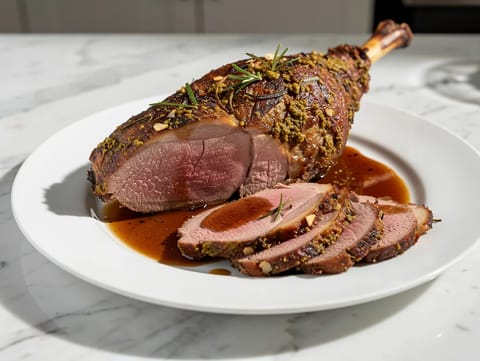
Gigot d’Agneau Pascal (French Easter Roast Leg of Lamb)
Roast leg of lamb with garlic, rosemary and Dijon mustard
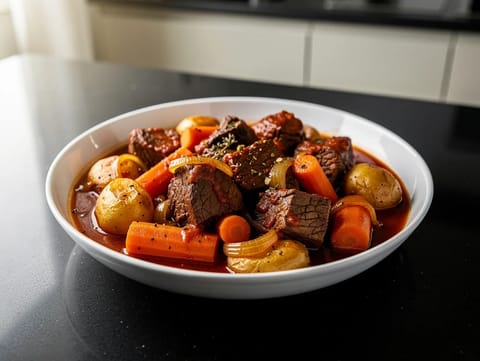
Carne Estufada à Portuguesa (Portuguese Braised Beef)
Portuguese braised beef stew with red wine, carrots and potatoes
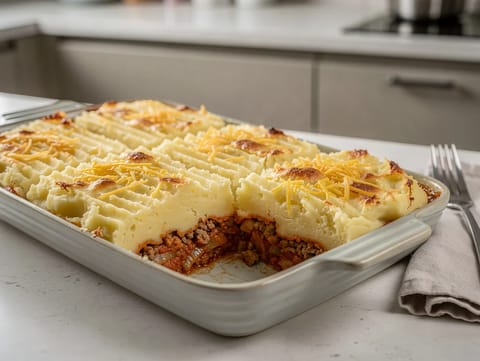
Ovenschotel Gehakt en Aardappel (Dutch Minced Beef and Potato Casserole)
Minced beef and mashed potato casserole with Cheddar topping

Chicken Fried Chicken with White Gravy
Crispy buttermilk chicken with peppery white milk gravy

Air Fryer Orange Chicken
Crispy air fryer orange chicken tossed in a sticky sauce.
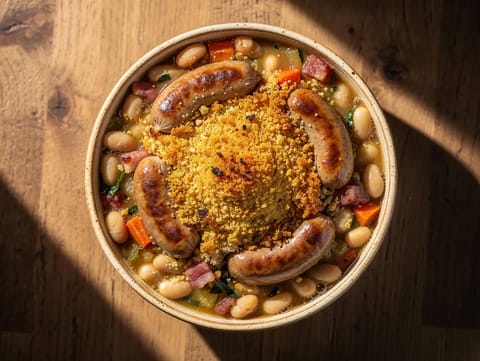
Cassoulet (French Bean and Sausage Stew)
Slow-cooked bean stew with pork sausages, pancetta and breadcrumbs
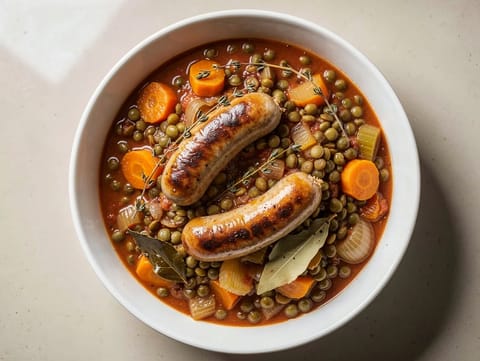
Sausage and Lentil Casserole
One-pot sausage casserole with green lentils and vegetables
Cassoulet Toulousain (White Bean and Meat Casserole)
Slow-baked cassoulet with white beans, duck confit and sausages
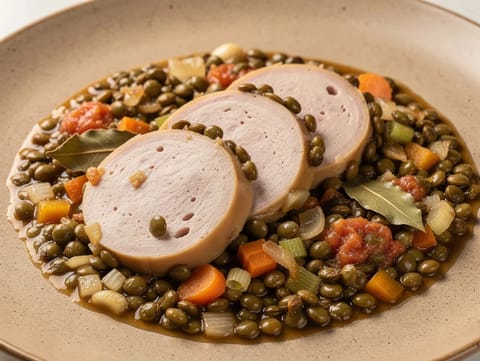
Zampone e Lenticchie (Sausage with Lentils)
Sausage served over lentils with tomato and stock
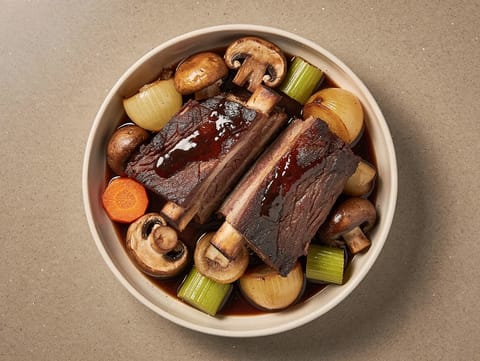
Braised Short Ribs with Red Wine and Mushrooms
Red wine braised beef short ribs with mushrooms and onions
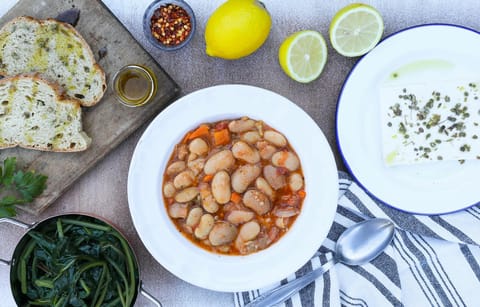
Fasolada (Greek White Bean Soup)
Greek white bean soup simmered with tomato, onion, carrots and celery
You might also like

Spiced Parsnip Soup with Double Cream
Smooth parsnip soup with cumin and double cream
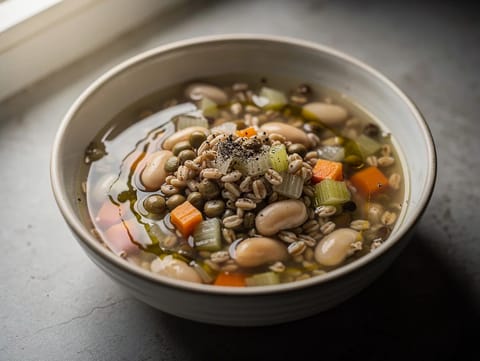
Zuppa di Farro e Legumi (Spelt and Mixed Legume Soup)
Spelt and legume soup with rosemary and vegetables

Molletes with Refried Beans and Pico de Gallo
Toasted bread with refried beans, melted Oaxaca cheese and pico de gallo
Air Fryer Orange Chicken
Crispy air fryer orange chicken tossed in a sticky sauce.
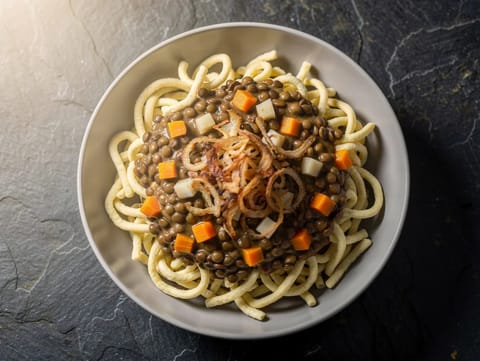
Saure Linsen mit Spätzle (Swabian Sour Lentils with Egg Noodles)
Sour lentil stew served over Spätzle with fried onions
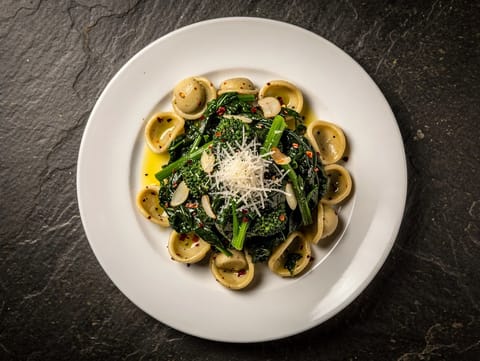
Cime di Rapa con Orecchiette (Orecchiette with Broccoli Rabe, Garlic and Chilli)
Orecchiette with broccoli rabe, garlic, chilli and pecorino
Enjoy cooking with JustRecipes?
Add JustRecipes as one of your preferred Google sources to discover our recipes more easily across Google Search.
Add JustRecipes to GoogleEvery recipe on JustRecipes follows the same structured editorial process. Learn how recipes are created, validated, translated, illustrated, and continuously improved across the platform. How we create recipes.
