
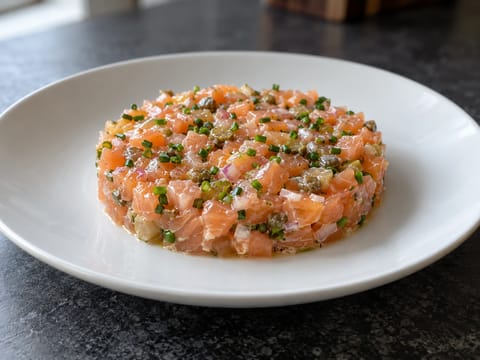
Tartare de Saumon (French-Style Salmon Tartare)
French-style salmon tartare with capers, Dijon and lemon
Mediterranean diet meals tend to share a recognisable kitchen logic: plenty of vegetables, beans and lentils, olive oil, herbs, citrus, and straightforward cooking that lets ingredients taste like themselves. The result is often food that feels light on the plate but not insubstantial.
Because “Mediterranean” covers many countries and traditions, the most useful way to browse is by the kind of meal you want to cook: a quick pan dinner, a big salad-style bowl, a tray of roasted vegetables, or a pot of pulses that improves as it sits.
In recipe terms, “Mediterranean diet” commonly points towards meals that emphasise plant foods, legumes, wholegrains, fish and seafood, and olive oil, with meat used more sparingly. Flavour often comes from garlic, onions, tomatoes, lemon, vinegar, olives, capers and fresh herbs rather than heavy sauces.
It is still a broad umbrella. Some recipes lean Greek in spirit, others Italian, Spanish, Levantine or North African influenced, and many are simply Mediterranean-style. If you are following a specific set of guidelines, treat the label as a direction of travel and check details such as the type of fat used, the balance of vegetables to starch, and whether dairy or meat is a main component.
French-style salmon tartare with capers, Dijon and lemon
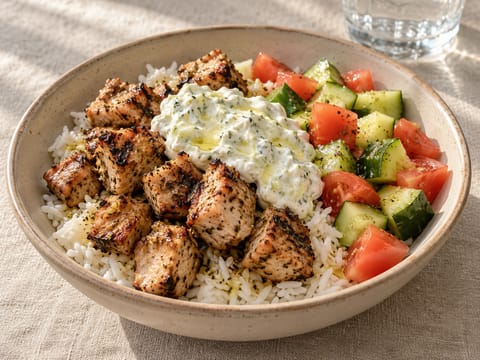
Grilled pork souvlaki served over rice with tzatziki
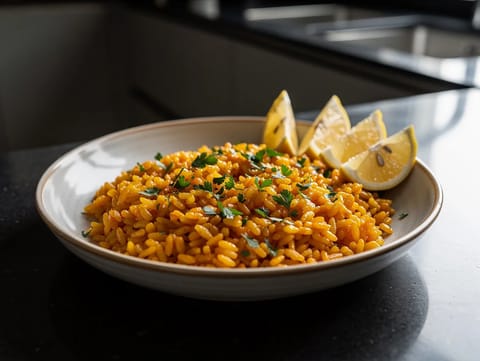
Valencian rice cooked in fish stock with saffron and paprika
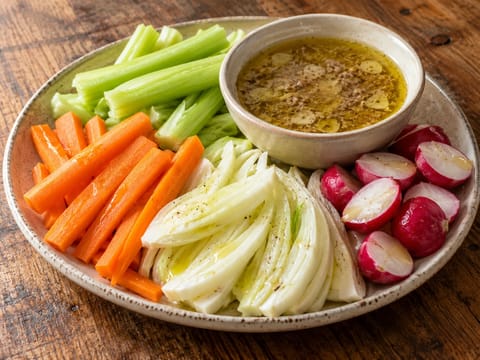
Raw vegetables served with warm anchovy and garlic bagna cauda
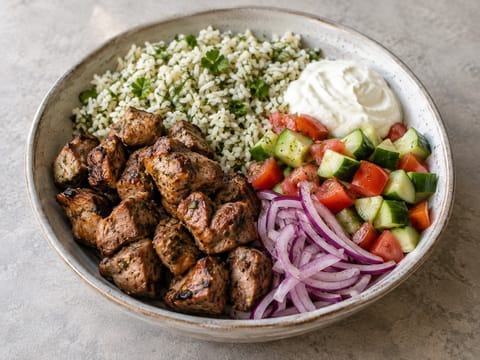
Pork souvlaki over herbed rice with Greek yoghurt and salad
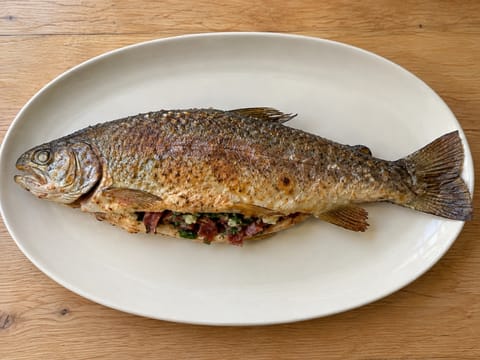
Pan-fried trout stuffed with jamón and parsley
For the quickest route to a meal, look for high-heat methods that concentrate flavour fast: sautéed greens with chickpeas, fish cooked with lemon and herbs, or vegetables roasted until their edges caramelise. These meals often rely on a good finishing touch, such as a squeeze of citrus, a drizzle of olive oil, or a spoonful of yoghurt.
If you want something that carries you through the next day, choose bean and lentil dishes, grain salads, or vegetable stews. They tend to hold their texture well and taste more integrated after a rest. For family tables, meals that let people assemble their own plates, such as bowls with toppings, can make it easier to accommodate different appetites without cooking separate food.
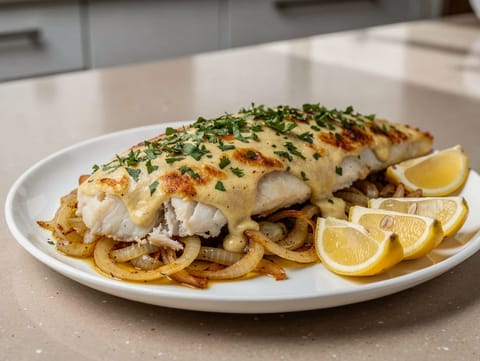
Baked white fish in a lemony tahini sauce
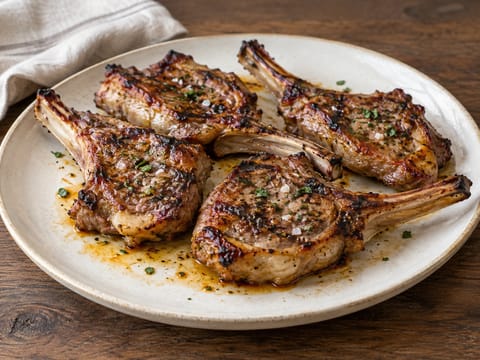
Spanish grilled lamb cutlets with garlic, paprika and lemon
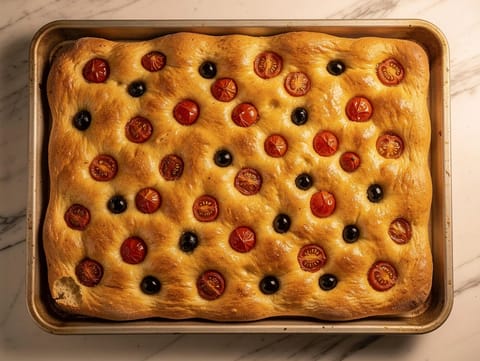
Focaccia topped with cherry tomatoes and olives
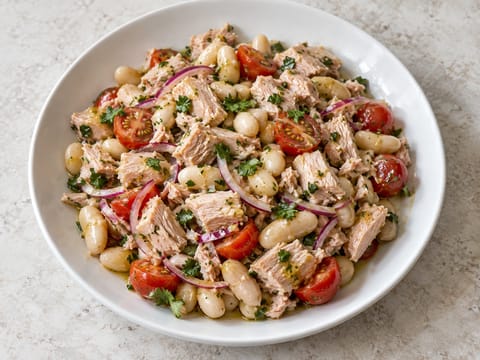
Tuna and white bean salad with Dijon dressing
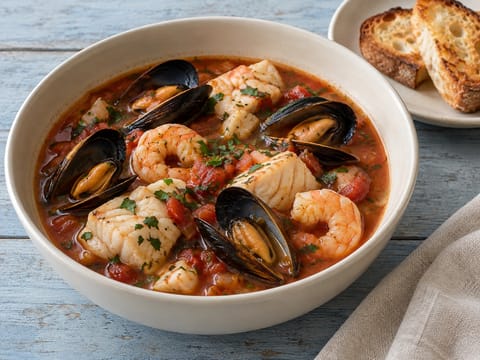
Sicilian fish soup with mussels, prawns and tomato
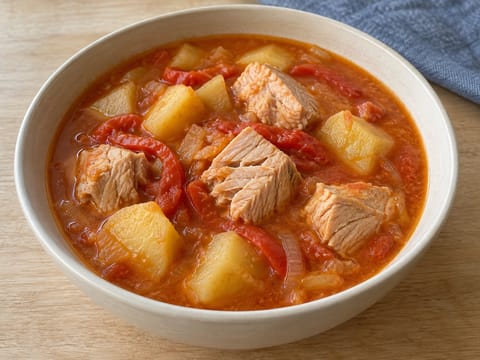
Basque tuna and potato stew with peppers and paprika.
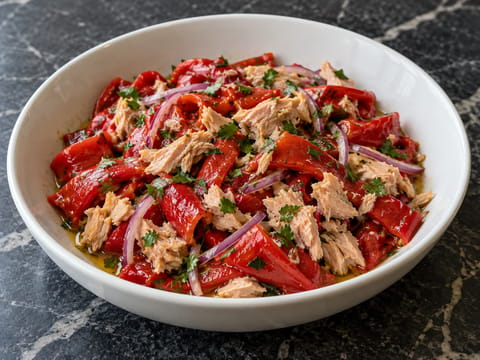
Piquillo pepper and tuna salad with olive oil dressing
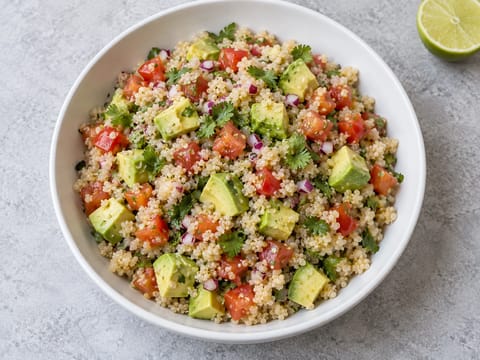
Quinoa salad with avocado, tomato, red onion and lime
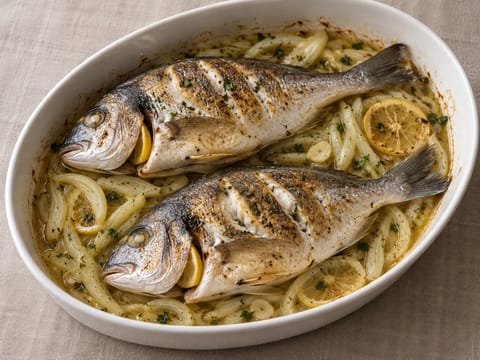
Baked gilt-head bream with fennel, lemon and parsley

Tomato rubbed toast topped with salt cured anchovies
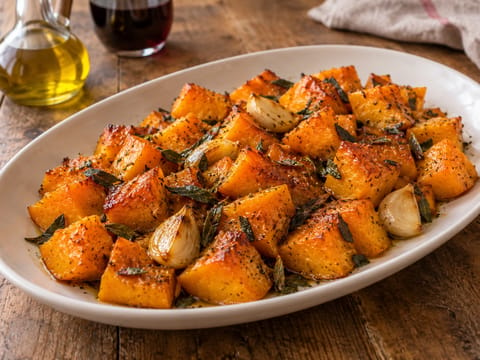
Roasted pumpkin with garlic, sage, rosemary and balsamic
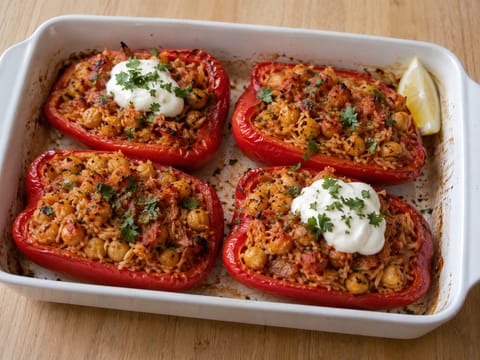
Baked peppers stuffed with spiced rice and chickpeas
If you want meals that align with a particular way of eating, exploring the Diet collections alongside this one can clarify boundaries and ingredient choices. Cooking time is also a practical companion: Mediterranean-style meals range from quick pan dishes to slow-simmered pulses and braises.
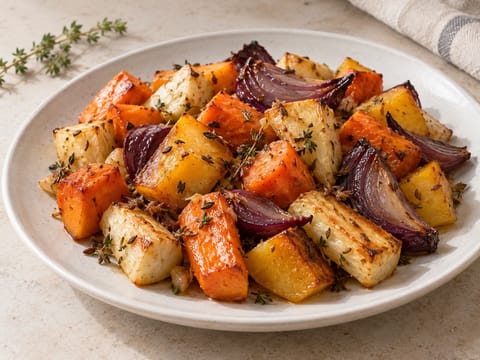
Roasted roots with thyme, caraway and apple cider vinegar

Steamed rice-flour dumplings filled with coconut and jaggery

Warm scones served with clotted cream and strawberry jam

Red velvet cake layered with cream cheese frosting
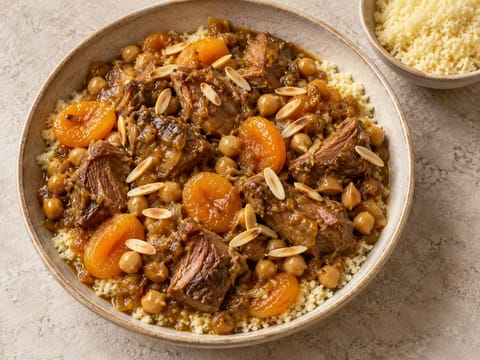
Lamb tagine with apricots, chickpeas and warm spices
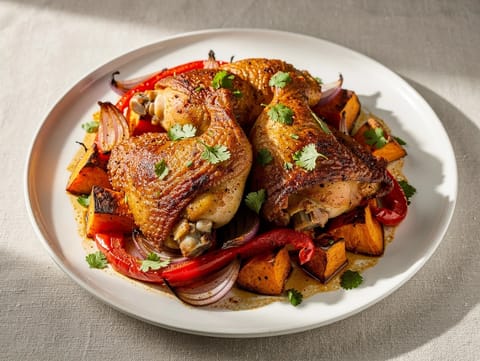
Jerk chicken traybake with sweet potato and peppers

Japanese green tea blended with toasted rice
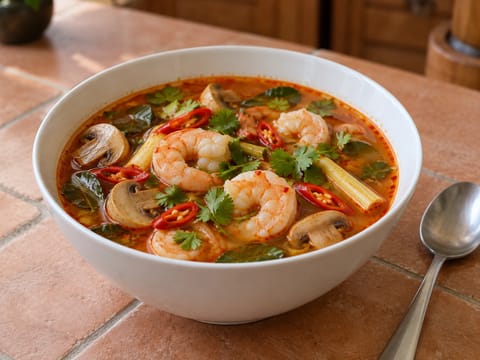
Hot and sour Thai prawn soup with lemongrass and lime
No. It is a broad pattern associated with several Mediterranean regions, so recipes may draw on different traditions or simply use Mediterranean-style ingredients and methods.
Not always. Many include fish or seafood, and some include meat, but vegetables and plant proteins are often central.
Olive oil, tomatoes, lemon, garlic, herbs, pulses, vegetables, olives and vinegar are common building blocks, though exact combinations vary widely by region and recipe.
Usually not. A few staples such as olive oil, tinned tomatoes, beans or lentils, and dried herbs can take you a long way, with fresh herbs and citrus adding lift when you have them.
Add a pulse, a wholegrain, or a side such as roasted vegetables or a salad with beans. Many Mediterranean-style meals are designed to be balanced across the plate rather than heavy in one component.
No. Definitions vary, and ingredient choices matter, so it is best to read the recipe and adjust to your own guidelines.
When you are choosing between recipes, prioritise the cooking method you have time for, then look for a bright finishing note such as lemon, herbs or vinegar. That final contrast is often what makes Mediterranean-style meals taste vivid and complete.
