
Creole Red Beans and Rice with Andouille Sausage
Creamy red beans served over rice with browned andouille sausage

One-pot meals are dishes designed to come together in a single piece of cookware, so the cooking liquid, fat and browned bits all stay in the same place. That makes them more than “less washing-up”: the method builds flavour by layering steps in one pan, then letting ingredients finish together. The trade-off is timing. Ingredients that cook quickly need protecting, while slower-cooking components must have enough heat and liquid to soften properly. Use this collection when you want a complete-feeling dish without juggling multiple pans.
A true one-pot meal cooks in one vessel from start to finish, even if you add ingredients in stages. That can mean a casserole or Dutch oven for braises and stews, a deep sauté pan for rice and grain dishes, or a sheet pan where everything roasts together. It does not usually include meals where a main is cooked in one pan but relies on a separate pot of rice, pasta, or mash to feel complete. One-pot cooking also does not automatically mean “dump and go”. Many recipes begin with browning meat or vegetables, sweating aromatics, or toasting spices, because those steps create the base flavour that later seasons the whole pot. The best one-pot dishes manage moisture carefully: too little and the bottom catches; too much and textures turn soft and uniform.
Creamy red beans served over rice with browned andouille sausage
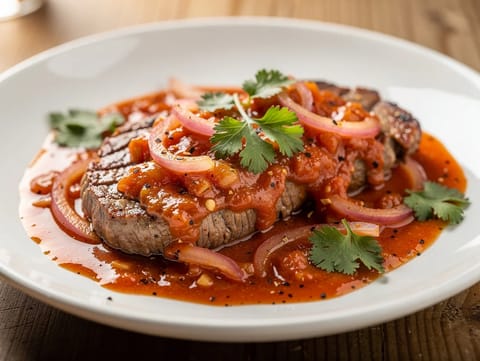
Pan-seared steak finished in a tomato and red onion sauce
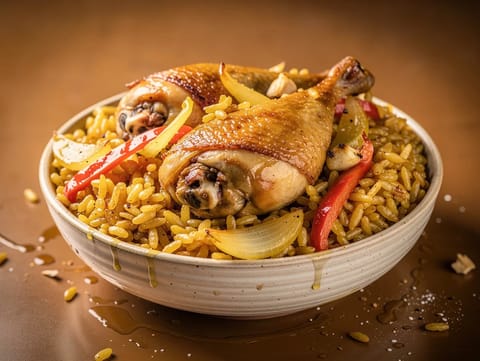
One-pan Spanish chicken and rice cooked in saffron-scented stock
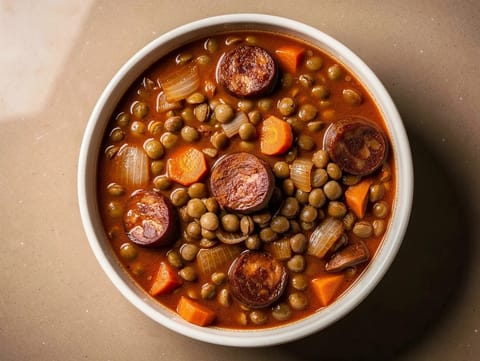
Spanish lentil stew simmered with chorizo, tomato and smoked paprika
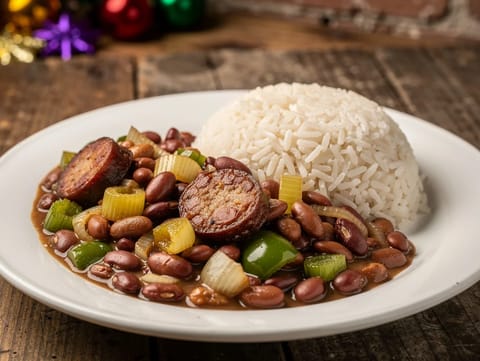
Creamy red beans with Andouille sausage served over rice
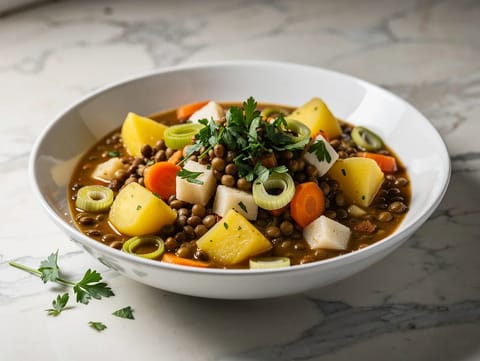
German-style lentil and potato stew with carrots, leeks and herbs
If you want clear, distinct textures, look for crisp-edged one-pan roasts where vegetables caramelise and proteins brown. These rely on space and high heat, so overcrowding is the common problem. For comfort and cohesion, saucy one-pot meals such as ragù-style dishes, creamy beans, or spiced lentils are designed to mingle flavours; they suit ingredients that benefit from simmering. Brothy one-pot meals sit in between: soups and noodle bowls can taste light but still feel complete, as long as the finishing ingredients are added late enough to stay bright. Also consider the starch. Rice, pasta and potatoes all absorb liquid differently, so recipes that specify when to add them are protecting the final texture as much as the cooking time.
Creamy red beans with Andouille sausage served over rice
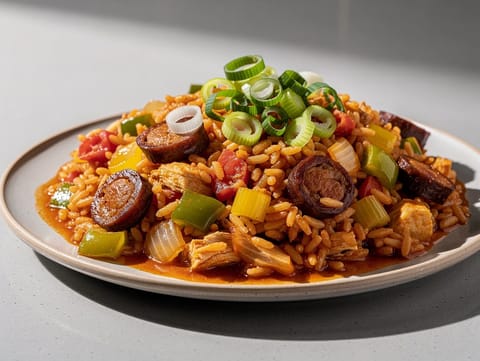
One-pot rice jambalaya with andouille sausage and peppers
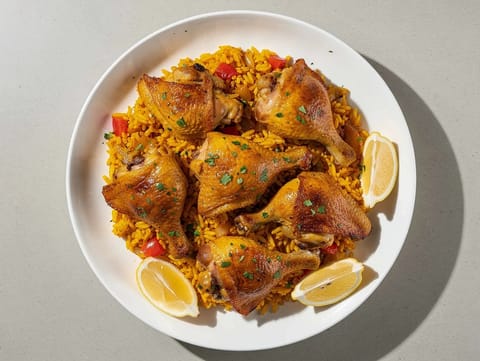
One-pan Spanish chicken and rice with saffron and paprika
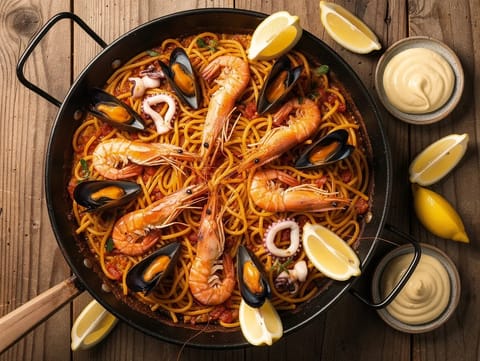
Seafood fideuà with toasted noodles and saffron stock
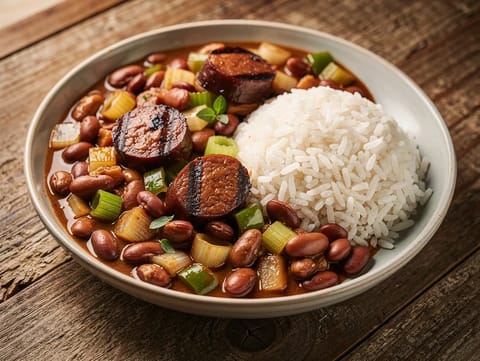
Red beans simmered with andouille, served over long-grain rice
Neapolitan pasta e fagioli with borlotti beans, tomato, garlic and rosemary, finished with olive oil
Layered maqluba with tender lamb, fried aubergine and spiced basmati rice
Hearty jambalaya with andouille sausage, prawns, peppers and spiced tomato rice
One-pot clam bake with baby potatoes, sweetcorn and smoked sausage in buttery broth
Creamy red beans served over rice with browned andouille sausage
Spanish fideo noodle casserole with clams, tomato, white wine and parsley
Chicken thighs simmered with vegetables, finished with soft buttermilk dumplings
One-pot meals commonly fall into a few recognisable families. There are slow, steady dishes such as stews, curries and braises, where collagen-rich cuts or legumes soften over time and the sauce becomes the seasoning. There are quicker skillet meals where small pieces of protein and vegetables cook fast, often finished with a pan sauce. There are grain and pasta pots, where the starch cooks directly in the flavoured liquid, giving a naturally thickened result. And there are oven-led traybakes, where the “pot” is a roasting tin and the flavour comes from browning rather than simmering. Knowing which family you are choosing helps you pick the right pan depth, lid, and heat level, and it sets expectations for whether the end result will be spoonable, sliceable, or somewhere in between.
Cooking time is a useful companion for one-pot meals because the method spans everything from quick skillets to long braises. If you are also cooking to suit a particular eating pattern, Diet can help you narrow in on the kind of one-pot meal you want without assuming every recipe uses the same proteins or fats.
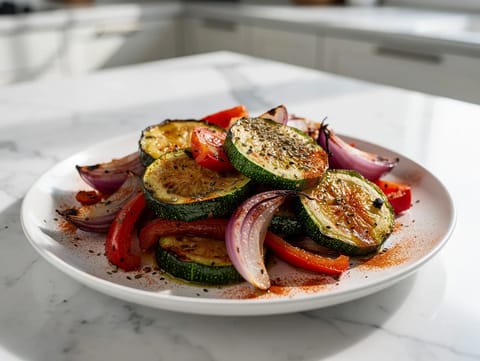
Air-fried courgette, pepper and onion with smoky oregano seasoning.
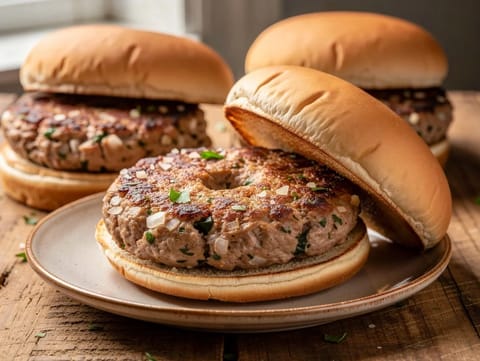
Tender air fryer turkey burgers with onion and herbs.
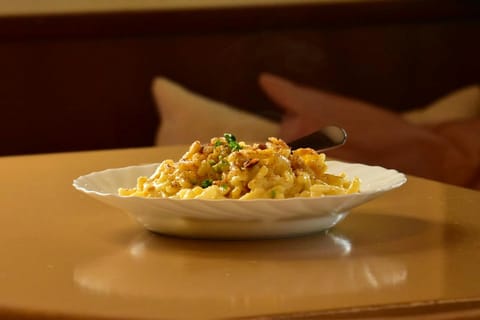
Cheesy spätzle noodles layered with Gruyère and fried onions

Yeast doughnuts filled with apricot jam and sugar
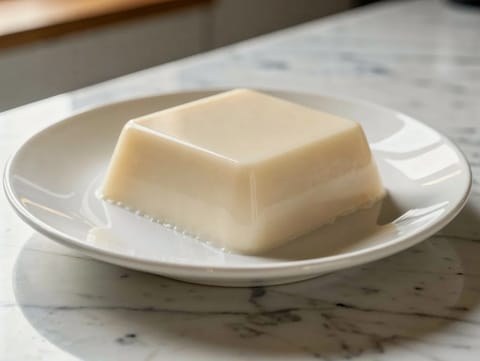
Vanilla milk jelly set with gelatine and chilled until firm
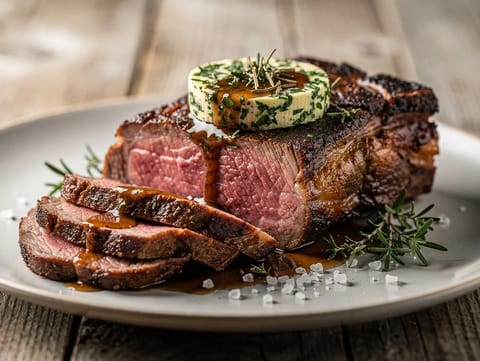
Roast rib of beef topped with garlic and herb butter
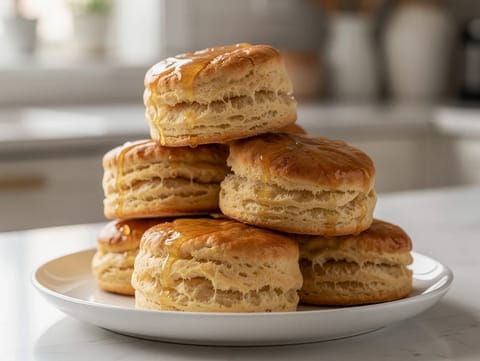
Buttermilk biscuits cooked in the air fryer and brushed with butter.
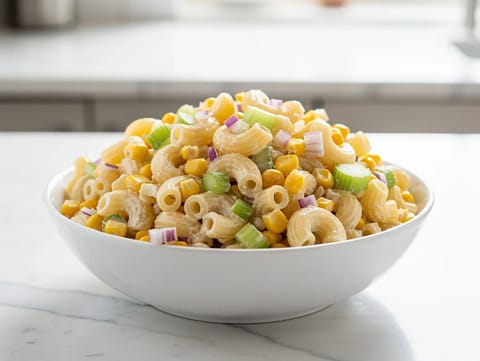
Macaroni salad with sweetcorn, celery and red onion
Not always. Some are quick because there are fewer moving parts, but many one-pot dishes are deliberately slow to develop tenderness and depth. The main advantage is a simpler workflow and fewer pans to manage.
You can, but results vary. A wide, heavy-based pan browns better and reduces sauces more evenly; a deeper pot holds liquid for soups and stews. A lid matters for gentle simmering and for grains that need steam to finish.
Browning creates flavour compounds and leaves fond on the pan, which then dissolves into the cooking liquid. In one-pot cooking, that flavour stays in the dish rather than being lost to a separate pan.
Often it is under-seasoning early on, or not reducing enough so flavours concentrate. Another common issue is adding all ingredients at once, which can dilute the base and overcook delicate components.
Choose recipes that add vegetables in stages, or that use larger pieces and sturdier varieties for longer cooks. Quick-cooking vegetables are usually best added near the end or used as a fresh topping.
No. Many rely on starchy pasta water, tomatoes, stock, or a small amount of cheese to create a sauce. Cream is one option, but not a requirement of the method.
Pick a one-pot meal by the texture you want on the plate, then match the pan and heat to that style. Once you understand whether a recipe is meant to roast, simmer, or steam, one-pot cooking becomes reliably straightforward.
