
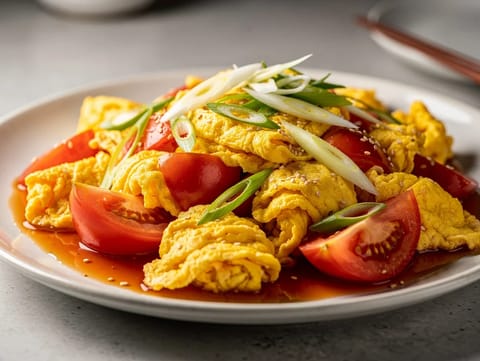
Tomato and Egg Stir-Fry (Classic Chinese Home-Style Dish)
Soft eggs stir-fried with juicy tomatoes and spring onions
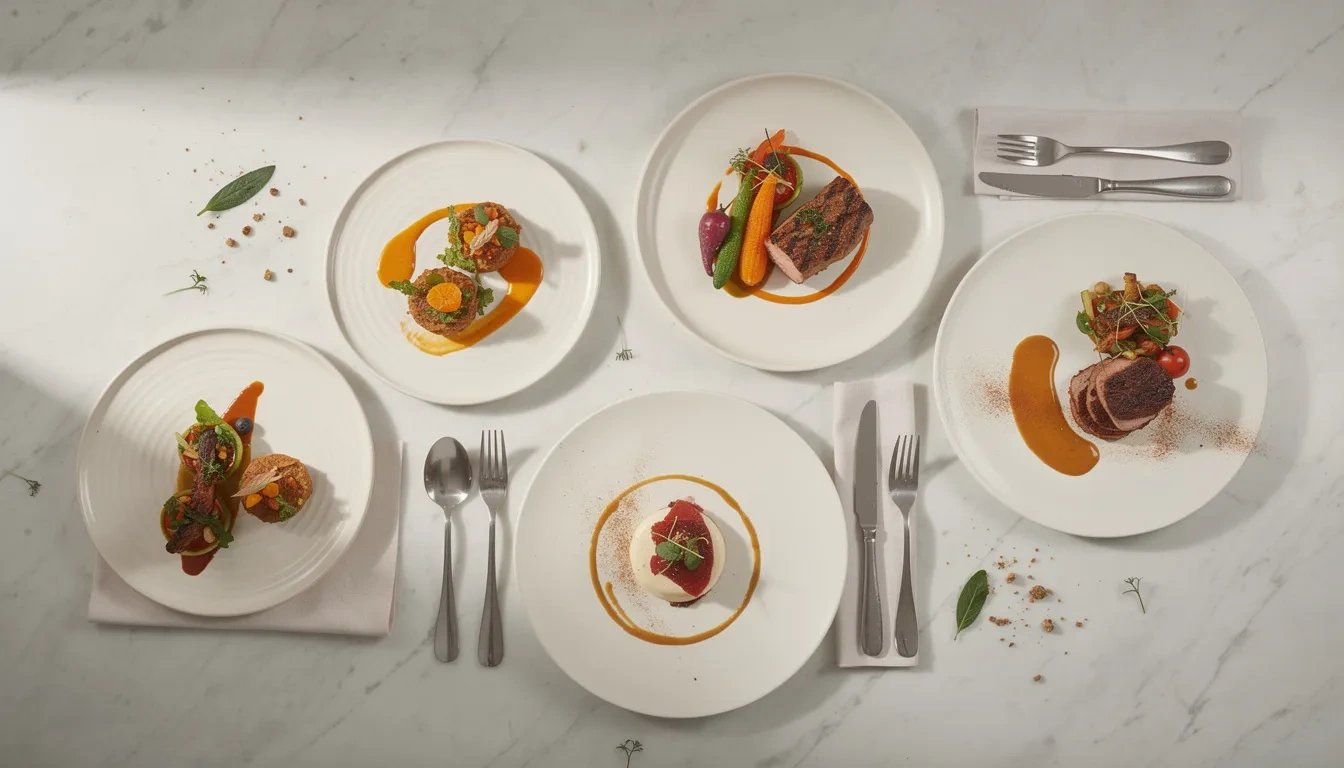
Dinner is less a single style of food than a moment when you want the meal to feel complete. That usually means a clear centre, something that brings freshness, and a texture contrast that keeps each bite interesting. Whether you’re cooking one-pan food, building a table of shared dishes, or serving a more structured meal, the most helpful question is the same: what does this dinner need alongside it to feel balanced and manageable to serve?
Dinner recipes can be built as a single self-contained dish, such as a stew, curry, pasta bake or tray roast, where the starch, sauce and protein are already integrated. Others are designed as a main plus sides: a piece of fish or meat with vegetables, grains, salads or breads alongside.
You’ll also find dinners that are assembled rather than cooked from scratch, such as bowls and platters where the work is in chopping, dressing and arranging. These can be especially useful when you want freshness and variety without multiple pans.
Across all of these, the practical differences are about timing and serving: whether components can be held warm, whether anything needs last-minute frying or tossing, and how easily the meal scales up or down.
Soft eggs stir-fried with juicy tomatoes and spring onions
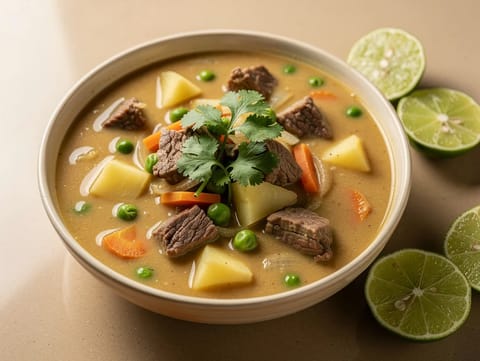
Bolivian peanut soup with beef and potatoes
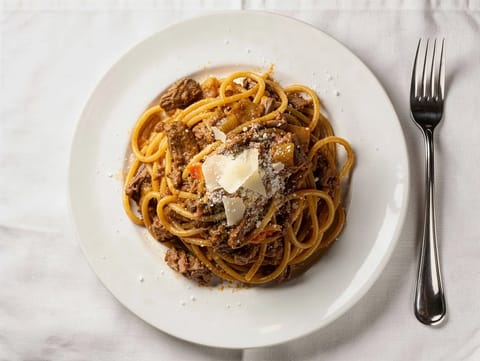
Spaghetti with onion-braised beef sauce and Parmesan
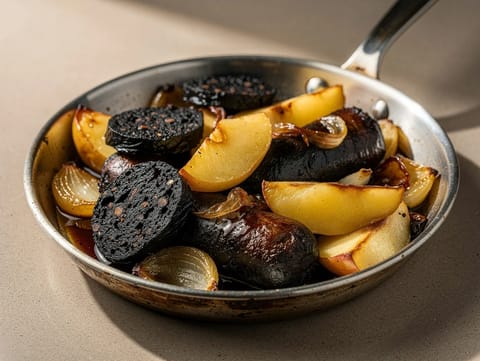
Pan-fried blood sausage served with buttery sautéed apples
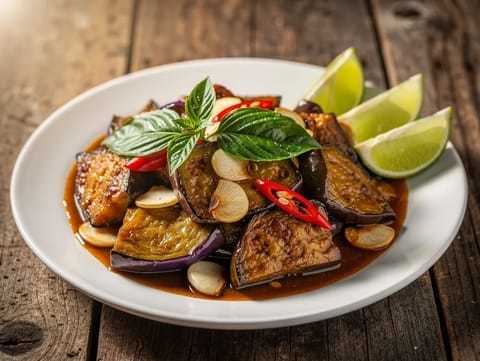
Aubergine stir-fry with Thai basil, garlic and chilli
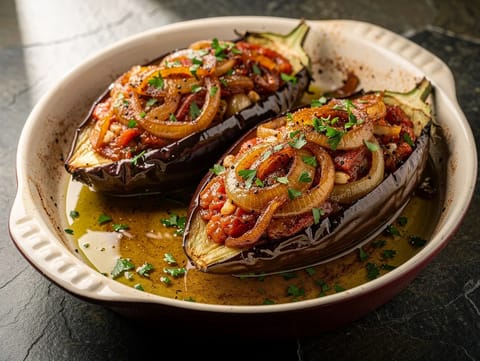
Baked aubergines stuffed with tomato, onion and garlic
If you want a dinner that feels complete on its own, look for recipes that include a built-in starch and a sauce or dressing, so you’re not scrambling for “something on the side”. If you already have bread, rice or potatoes planned, a simpler main with a strong sauce can be enough.
For a lighter-feeling dinner, prioritise dishes with a high proportion of vegetables, brothy sauces, or bright dressings. For a more substantial dinner, choose recipes that lean on slow-cooked textures, baked pasta, legumes, or roasted roots.
When you’re short on time, the most reliable approach is to pick one cooked element and one no-cook element. A hot main with a crisp salad, or a quick stir-fry with sliced fruit, often lands better than two rushed cooked dishes.
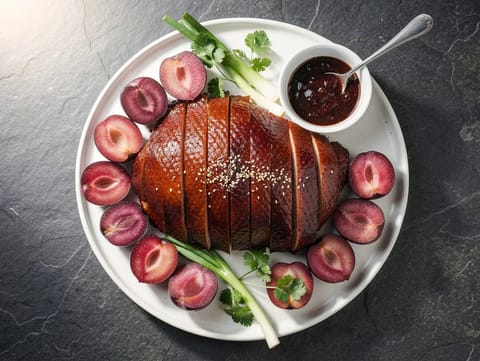
Cantonese roast duck with crisp skin and plum sauce
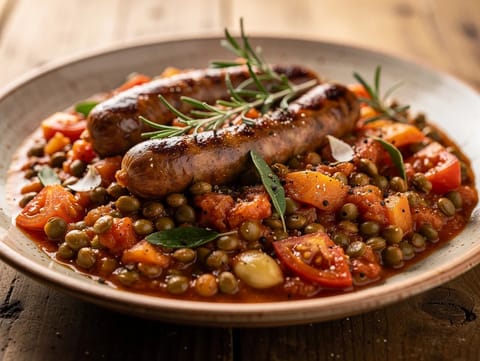
Italian sausages simmered with green lentils and tomato
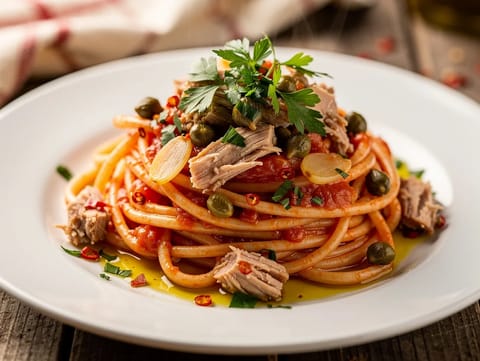
Spaghetti with tuna, tomato, capers and parsley
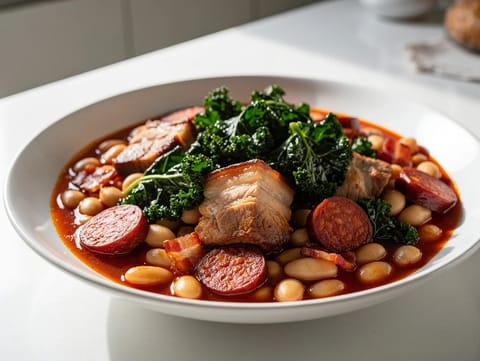
Portuguese white bean stew with pork belly, chorizo and bacon
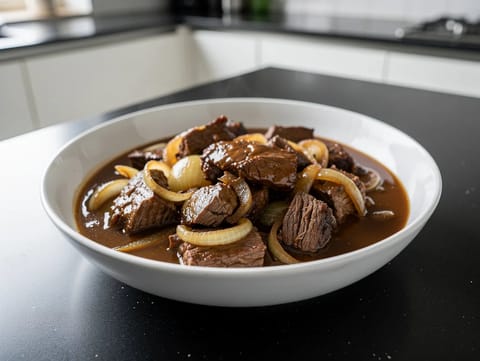
Dutch slow-cooked beef served with glossy gravy
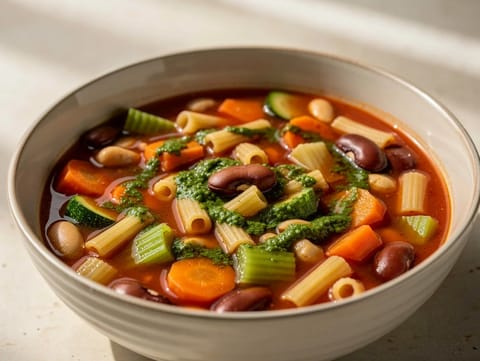
Vegetable, bean and pasta soup with pesto
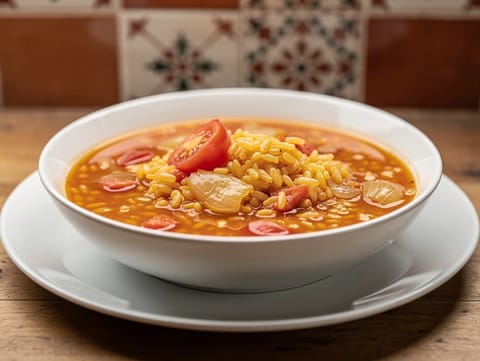
Spanish brothy rice cooked in saffron stock with tomato sofrito
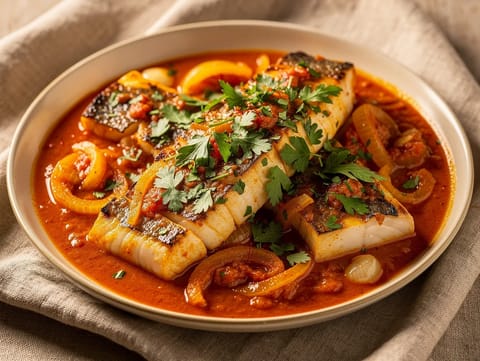
Spanish monkfish simmered in tomato, white wine and saffron sauce
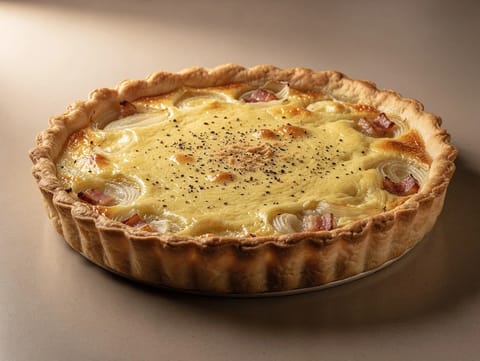
Alsatian onion tart with bacon and crème fraîche custard
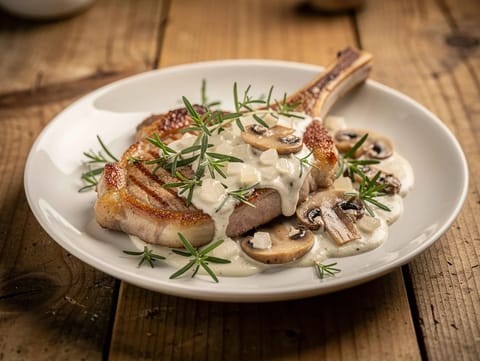
Veal chops with creamy mushroom sauce
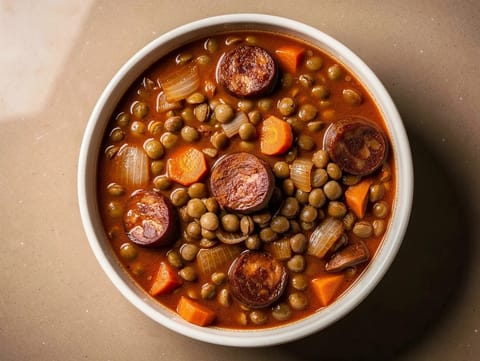
Spanish lentil stew simmered with chorizo, tomato and smoked paprika
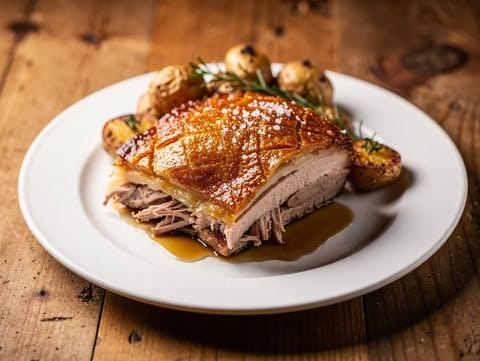
Slow-roasted pork shoulder with crisp crackling and roasting juices
Start with the centre: a main dish with a clear flavour direction. Then add contrast in two ways. First, texture: pair soft foods (stews, creamy pastas, braises) with something crisp (salad, slaw, toasted crumbs, roasted vegetables with browned edges). Second, flavour: if the main is rich and savoury, add acidity through citrus, vinegar, tomatoes or pickles; if the main is sharp and spicy, add something cooling such as yoghurt, coconut, cucumber or herbs.
Think about colour and temperature too. A warm, brown roast benefits from a green side. A hot, saucy dish is easier to serve if the side is room temperature.
If you’re cooking for a household, build in optional extras at the table. A bowl of herbs, a chilli sauce, or grated cheese lets everyone adjust without changing the core meal.
Dish type is useful when you know the shape of dinner you want, such as a stew, pasta, tray bake or salad-led meal. Cuisine can help when you want the whole table to share a flavour language, especially if you’re adding sides or starters.
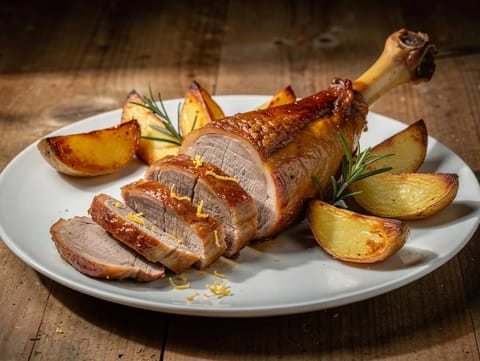
Roast lamb over potatoes with garlic, rosemary and white wine
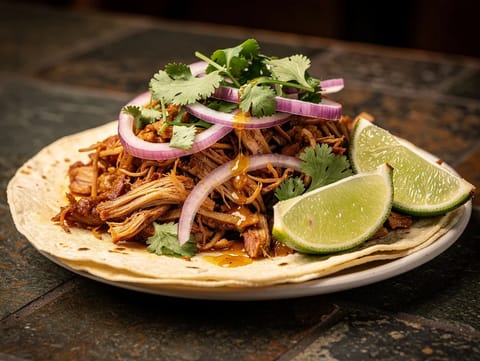
Crispy jackfruit carnitas in warm corn tortillas
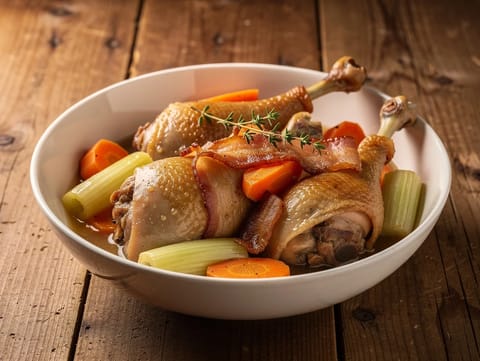
Rabbit braised in dry cider with bacon, carrots and leeks
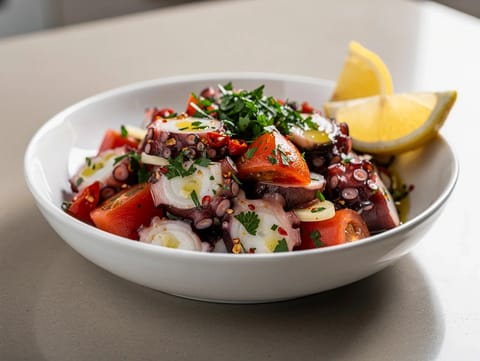
Tender octopus salad with tomatoes, garlic, chilli and parsley
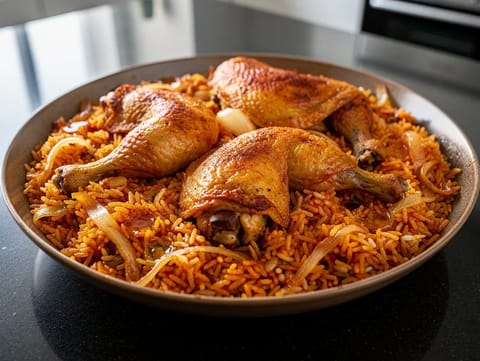
Turkish chicken pilaf with basmati rice simmered in stock
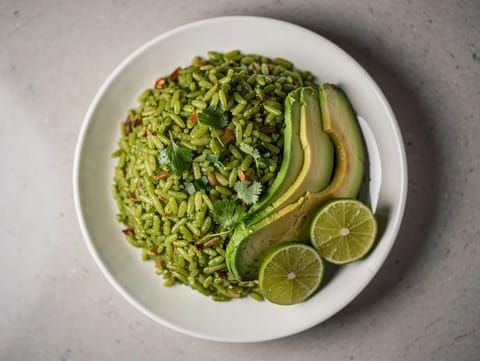
Fluffy green rice simmered with poblano, coriander and spring onion
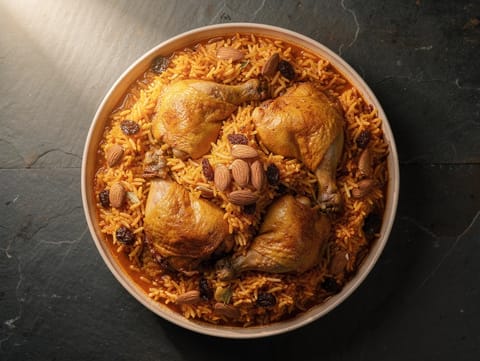
One-pot kabsa with spiced chicken, basmati rice and toasted nuts
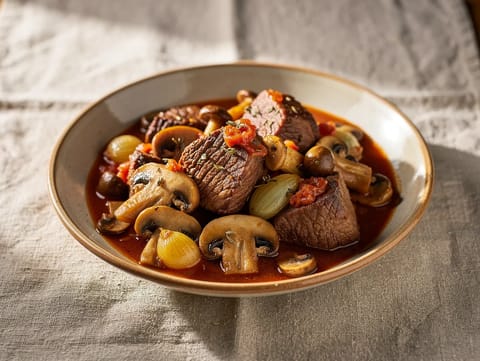
Wild boar and mushroom stew braised with red wine
Dinner is the main meal of the day for many people, but the defining feature here is its role: a meal that feels complete, whether it’s a single dish or a main with sides.
Pair one cooked main with one fresh, no-cook side. A simple salad, sliced vegetables with a dressing, or fruit can provide contrast and make the meal feel finished.
Choose sides that either soak up sauce (rice, bread, potatoes) or cut through it (salads, pickles, bitter greens). Avoid adding another very saucy dish unless you want a deliberately stew-like table.
Look for mains that hold well and can be served family-style, such as bakes, stews and tray roasts. Add sides that can be made in larger bowls, like salads, grains or roasted vegetables.
Richness can come from repeated textures and flavours, not just quantity. If everything is soft and creamy, or everything is salty and brown, the meal can feel weighty. Adding acidity and crunch often changes that quickly.
Choose a main that suits your evening, then add one fresh element and one contrasting texture. When the menu has a clear centre and a simple supporting cast, dinner becomes easier to cook and easier to enjoy.
