
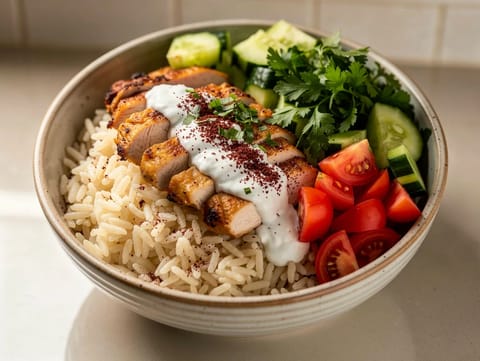
Turkish Chicken Bowl with Rice and Garlic Yoghurt Sauce
Turkish chicken bowl with rice, garlic yoghurt and salad
Lunch works best when it is treated as a complete, self-contained meal rather than a collection of bits. The most useful lunch recipes usually combine a clear centre, such as a sandwich, bowl, soup or salad, with one or two supporting elements that add crunch, freshness or warmth. This page helps you choose lunch ideas that travel well, plate neatly at home, and still feel satisfying without relying on long cooking or last-minute fuss.
Lunch sits in a practical middle ground: you want enough substance to carry you through the afternoon, but not the kind of heaviness that makes you slow down afterwards. Many lunch-friendly dishes are built around contrasts. Think crisp vegetables against something creamy, a warm component alongside something sharp and fresh, or a starchy base balanced with acidity. Portioning matters too. Lunch recipes often work best when they can be served in one bowl, one plate or one hand, which is why wraps, grain bowls, composed salads and soups with a topping are such natural fits. If you are cooking for others, lunch is also where simple presentation pays off: a tidy garnish, a crunchy element added at the end, or a small side can make the meal feel intentional.
Turkish chicken bowl with rice, garlic yoghurt and salad
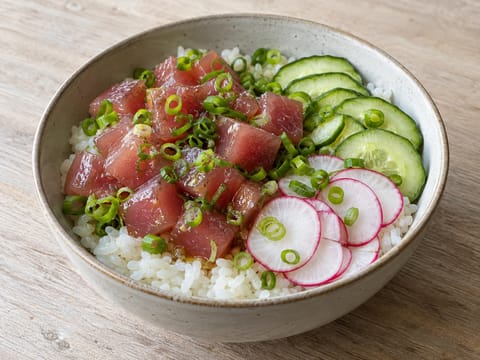
Tuna poke bowl with wasabi dressing, sushi rice and cucumber.
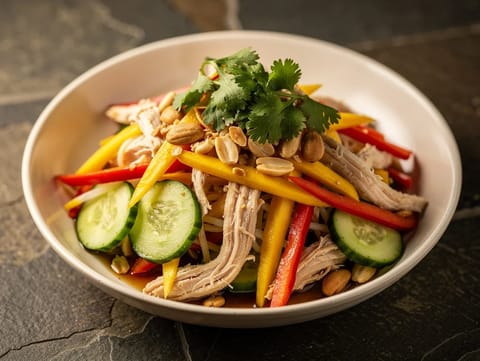
Thai chicken salad with mango, cucumber and peanuts
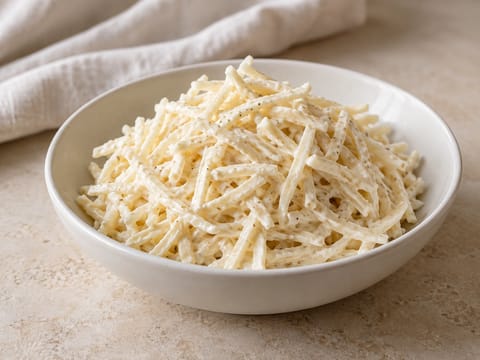
Crisp celeriac salad in a creamy Dijon and lemon dressing
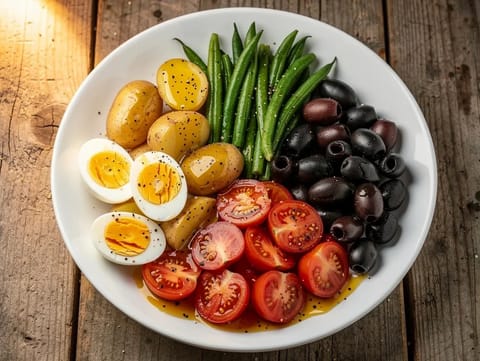
Niçoise-style salad with potatoes, eggs, tomatoes and olives
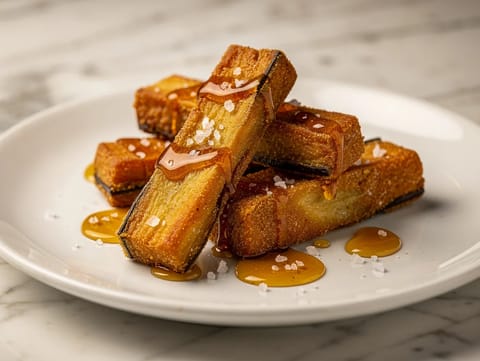
Crisp fried aubergine batons finished with honey and salt
When you are choosing lunch, it helps to start with the shape of the meal. Sandwiches and wraps are about structure: a filling that is flavourful but not too wet, and a bread or flatbread that can cope. Salads can be leafy, chopped, or built on grains, pulses or noodles, and they often rely on a well-seasoned dressing to stop the whole thing tasting flat. Soups and broths are a different kind of lunch: they are forgiving, easy to portion, and can be made more substantial with bread, dumplings, noodles or a spoonful of yoghurt. You will also see lunch in “bowl” form, where a base (rice, couscous, greens) carries toppings that can be prepped separately and assembled quickly.
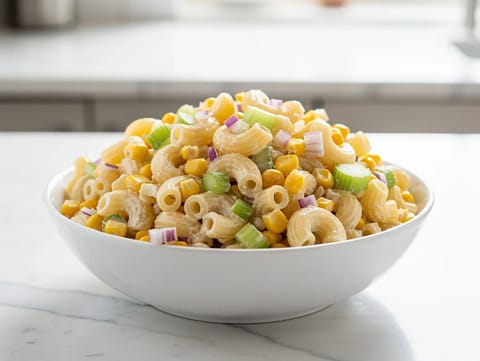
Macaroni salad with sweetcorn, celery and red onion
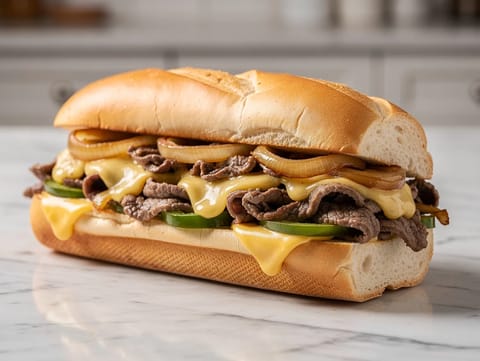
Cheesesteak roll with beef, onions, peppers and provolone

Smooth parsnip soup with cumin and double cream

Griddled gorditas filled with potato, onion and queso fresco
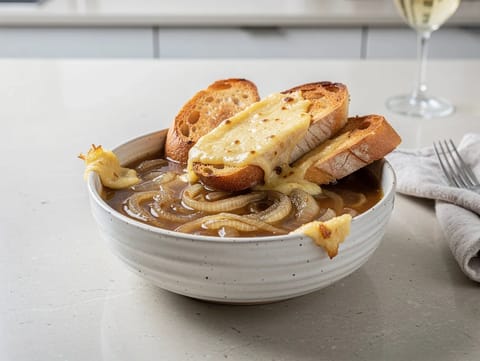
French onion soup topped with baguette and melted Gruyère
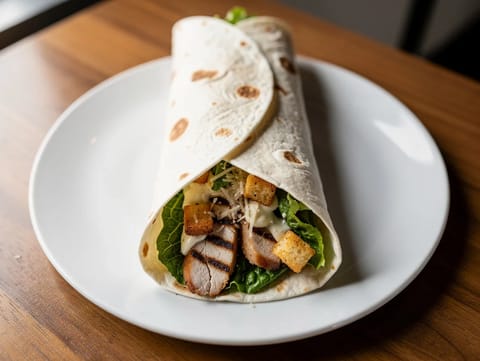
Grilled chicken Caesar wrap with romaine and croutons
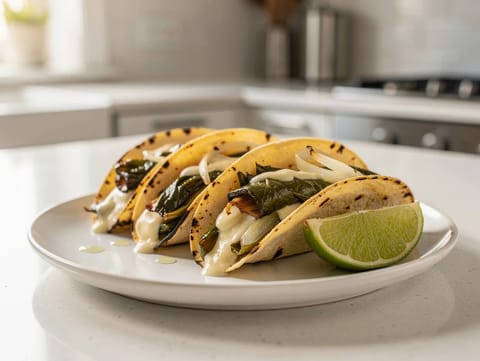
Corn tortillas filled with poblano rajas, crema and melted cheese

Eggs simmered in spiced tomato gravy with basmati rice
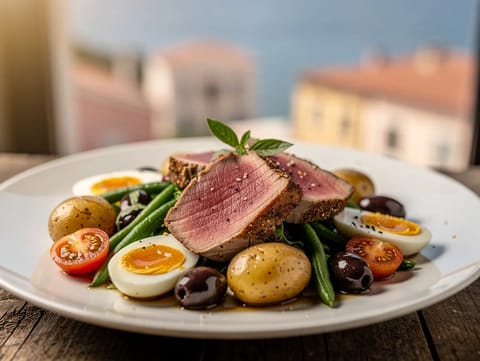
Salade Niçoise with seared tuna, eggs and vegetables
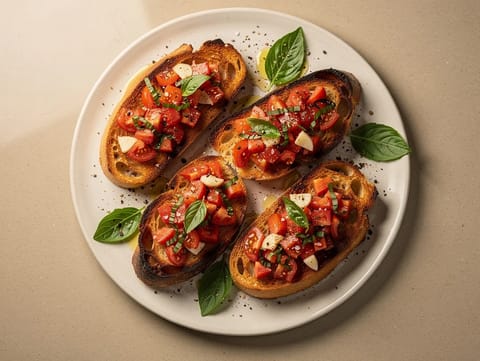
Toasted bread topped with fresh tomato and garlic
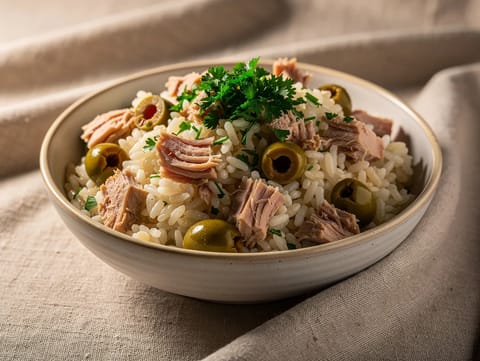
Chilled rice salad with tuna, olives, lemon and parsley
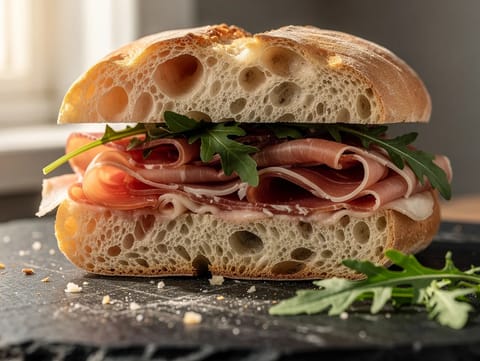
Crisp schiacciata with prosciutto, rocket, olive oil and lemon
If lunch needs to travel, look for recipes that keep their texture. Dressings and sauces are often best carried separately, then added just before eating, especially for leafy salads and anything with toasted bread. For a lunch you can eat at a desk, bowls and soups tend to be less messy than stacked sandwiches, and they reheat more predictably.
If you want a lighter-feeling lunch, choose recipes that lean on vegetables, herbs and acidity, with protein used as a supporting element rather than the whole point. For a more filling lunch, look for pulses, grains, potatoes, noodles or bread, and notice whether the recipe includes a creamy component (cheese, yoghurt, tahini, mayonnaise) that adds staying power. If you are serving lunch to guests, pick a centrepiece you can plate neatly, then add one crisp side for contrast.
A balanced lunch menu is usually easiest when you decide on one main item, then add contrast rather than more of the same. If the main is a rich sandwich or toast, pair it with something sharp and crunchy, such as a slaw-style salad or quick-pickled vegetables. If the main is a salad, add warmth or starch, such as bread, roasted potatoes or a small soup, so the meal does not feel unfinished. With soup, the supporting choice is often texture: crusty bread, croutons, toasted seeds, or a spoonable topping like pesto or yoghurt.
For a shared table, aim for dishes that can sit for a short while without losing their appeal. Room-temperature salads, platters and sandwiches cut into portions are generally calmer to serve than anything that must be eaten piping hot the moment it is ready.
If you already know the style of lunch you want, browsing by Dish can take you straight to the format, such as soup, salad or sandwich. Meal time is also useful when you want ideas that sit naturally alongside lunch, for example brunch-style plates or lighter afternoon options.
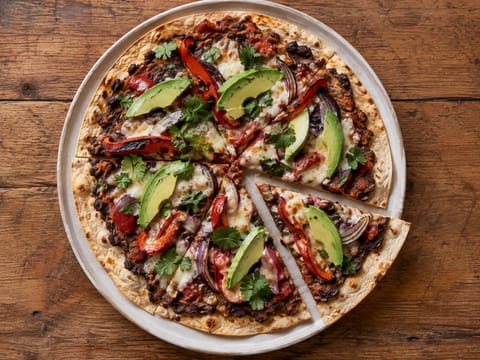
Crisp tlayuda flatbread with beans, cheese, veg and avocado

Crisp fried pastries filled with cheese, herbs and spring onion
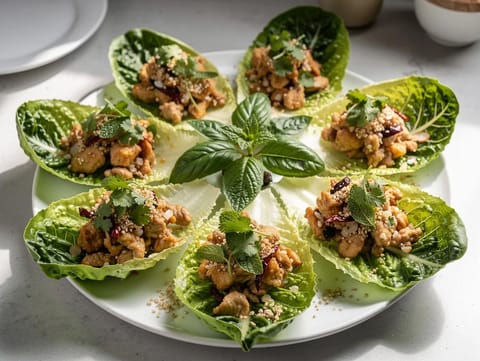
Lettuce cups filled with minced chicken, lime and herbs
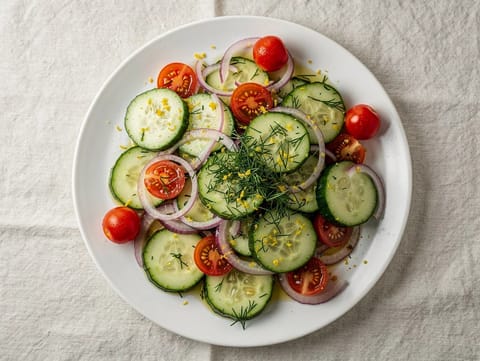
Cucumber salad with cherry tomatoes, red onion, dill and lemon
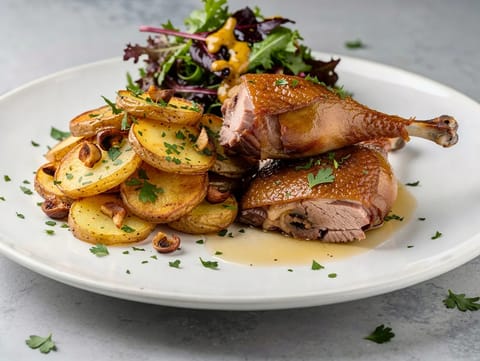
Duck confit with garlic and parsley Sarladaise potatoes
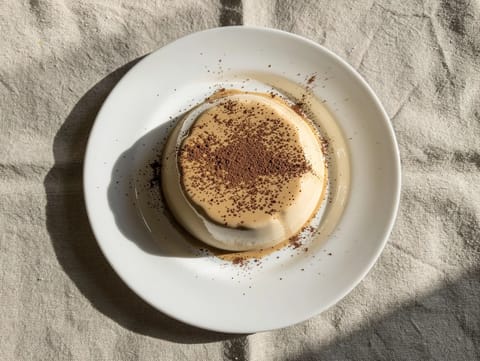
Silky espresso panna cotta finished with a dusting of cocoa
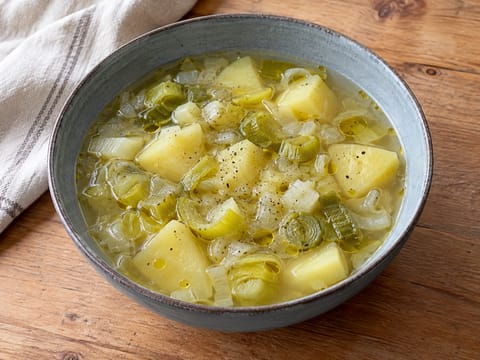
Light Basque leek and potato soup with olive oil and stock
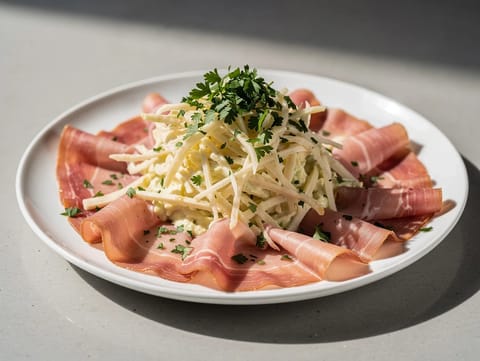
Celeriac rémoulade with mustard and lemon mayonnaise
Lunch recipes are those that make sense as a midday meal: satisfying in a single portion, often quick to assemble or easy to pack, and usually built around a clear format such as a sandwich, salad, soup or bowl.
Keep wet components away from crisp ones. Carry dressing separately for salads, and avoid putting juicy fillings directly against bread. A barrier layer, such as leaves, cheese or a spread, can help slow soaking.
A salad tends to feel more substantial when it includes a starchy or protein element, such as grains, pulses, potatoes, eggs, cheese or meat, and when the dressing is properly seasoned and acidic enough to lift the flavours.
It can be, especially if you add a contrasting element for texture and offer something alongside, such as bread or a simple salad. Choose a soup that holds well so you are not tied to last-minute timing.
Add one deliberate supporting element: something crunchy (nuts, seeds, croutons), something sharp (pickles, citrus, vinaigrette), or something warm (toasted bread). Small contrasts do a lot of work at lunch.
Start by picking the main shape of your lunch, then use one supporting element to balance it: crunch for soup, sharpness for rich fillings, or warmth for salads. Once the structure is clear, the rest is easy to adjust to appetite and occasion.
