
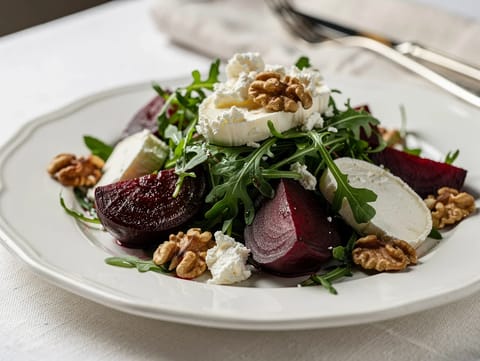
Goat’s Cheese and Beetroot Salad
Roasted beetroot salad with goat’s cheese, rocket and walnuts

French cooking is often easiest to choose by structure: a sauce, a pastry, a slow braise, or a simple plate built around excellent ingredients. Many French dishes rely on a few repeatable techniques, such as reducing liquids for depth, emulsifying butter into a pan sauce, or using gentle heat to keep eggs and custards smooth.
If you are deciding what to cook, it helps to think in courses. French meals commonly balance something crisp or acidic with something rich, and finish with a clean, not-too-sweet dessert or fruit.
When a recipe is labelled French, it may point to a regional dish, a classic restaurant style, or a home-cooking staple. A useful first question is whether the dish is sauce-led or ingredient-led. Sauce-led cooking includes pan sauces for steak or chicken, creamy gratins, and long-simmered stews where the cooking liquid becomes part of the final texture. Ingredient-led dishes are often simpler: a salad with a sharp dressing, a roast with good seasoning, or vegetables cooked just enough to keep their character. This distinction helps you predict both the workflow and the finishing touches, such as whether you will need to whisk, reduce, strain, or simply rest and carve.
Roasted beetroot salad with goat’s cheese, rocket and walnuts
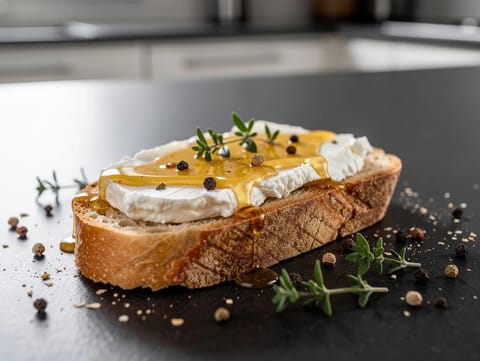
Toasted sourdough tartine with goat’s cheese and honey
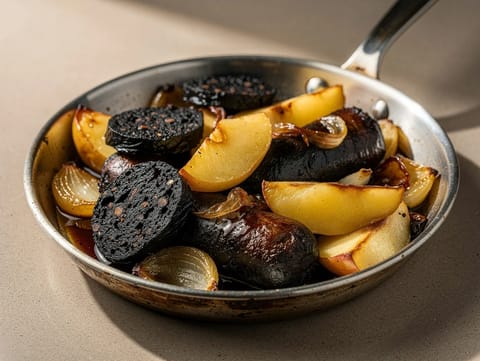
Pan-fried blood sausage served with buttery sautéed apples
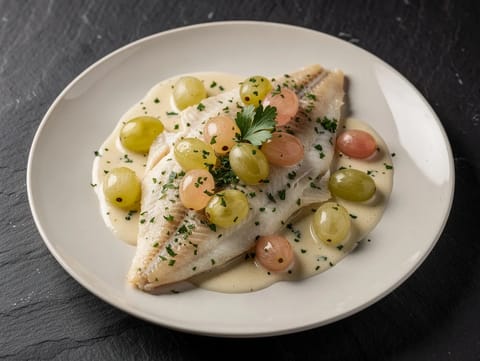
Poached sole with grapes in a white wine cream sauce
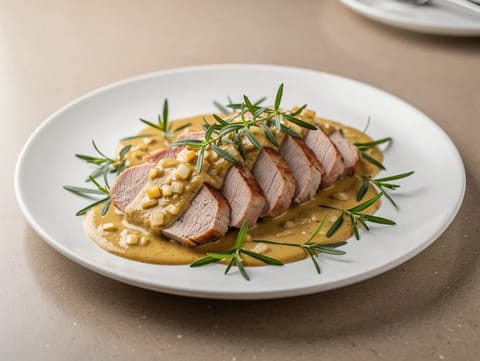
Seared pork tenderloin with Dijon and tarragon cream sauce

Dense Breton butter cake with vanilla and egg yolks
French food culture is frequently described through the places it is eaten. Bistro-style dishes tend to be straightforward and hearty, such as steak with peppercorn sauce, onion soup, or a lentil salad with mustardy dressing. Brasserie cooking often leans towards seafood platters, roast chicken, and dishes served with chips or a green salad. Home cooking can be quieter: vegetable soups, simple omelettes, braised leeks, or a pot of beans. Regional identity matters too, but it is rarely one-note. Coastal areas naturally favour fish and shellfish; inland regions often lean on dairy, charcuterie and slow-cooked meats. Seeing a dish in this context helps you anticipate portioning, side dishes, and how rich the overall meal may feel.
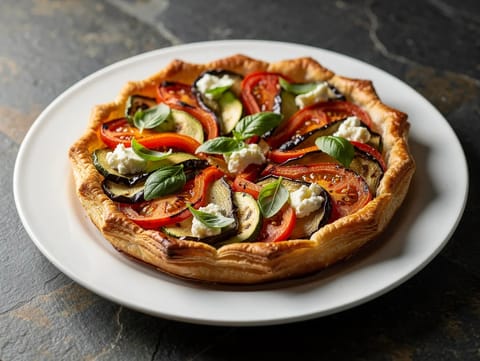
Puff pastry tart with ratatouille vegetables and goat's cheese
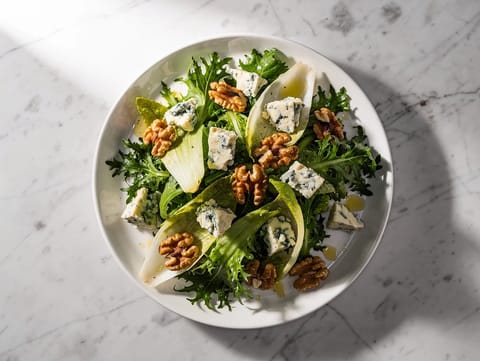
Crisp endive salad with walnuts, Roquefort and Dijon dressing
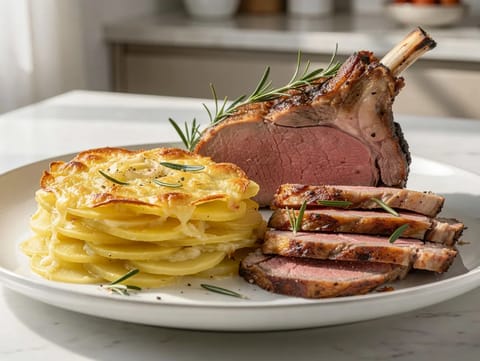
Creamy potato gratin served with rosemary roast lamb
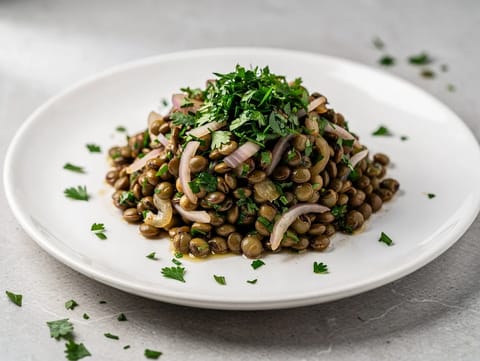
Green lentils dressed warm with Dijon vinaigrette
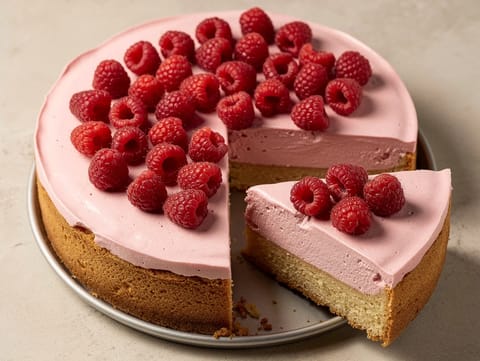
Almond sponge topped with raspberry mousse and fresh raspberries
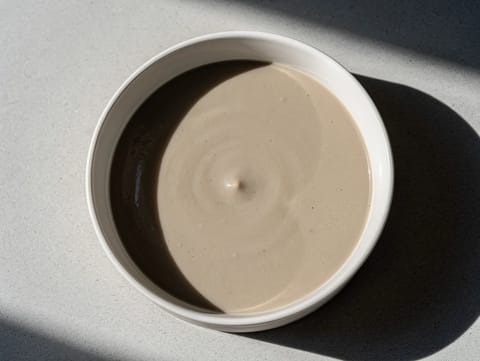
Blended mushroom soup finished with double cream
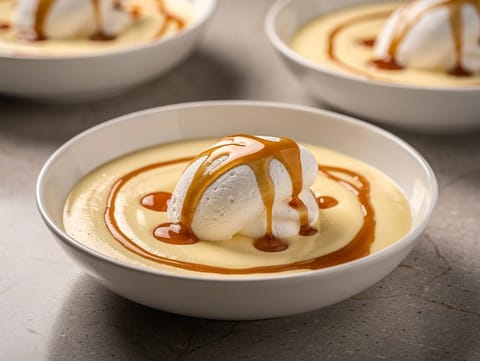
Poached meringue floating on vanilla custard with caramel
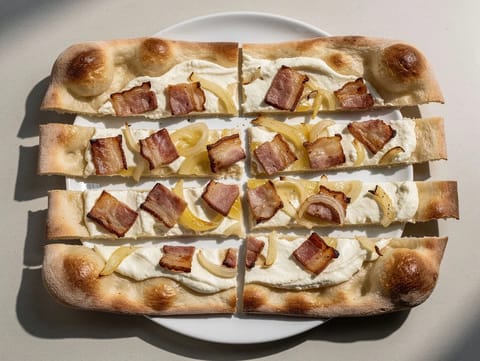
Crisp tarte flambée with crème fraîche, bacon and onions
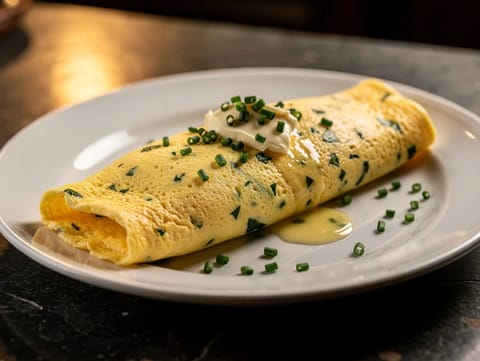
Soft French omelette with chives, parsley and tarragon
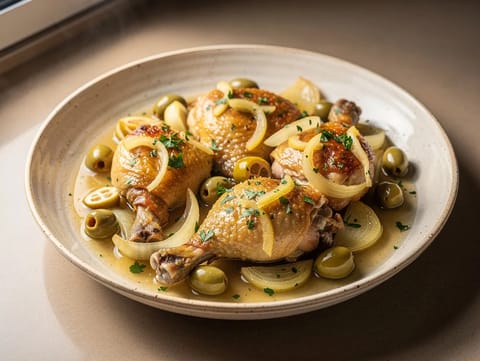
Braised chicken thighs with preserved lemon, olives and white wine
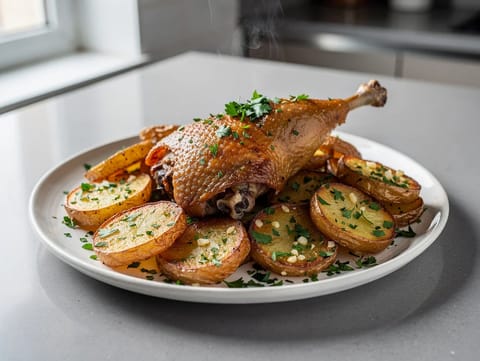
Crisp duck confit with duck fat potatoes, garlic and parsley
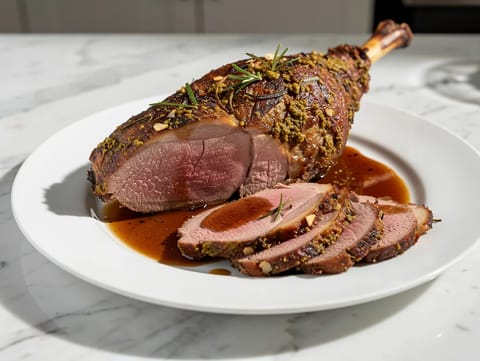
Roast leg of lamb with garlic, rosemary and Dijon mustard
A lot of French flavour comes from controlled browning and careful finishing. Searing meat or mushrooms builds a dark fond on the pan; deglazing with wine, stock or water lifts that flavour into a sauce. Reduction concentrates both savoury notes and acidity, so seasoning often happens in stages rather than all at once. Butter is commonly used not only for richness but for texture, whisked in at the end to make a sauce glossy and cohesive. Gentle heat matters in egg dishes and custards: too hot and they split or curdle, low and steady and they stay silky. For pastry, temperature control is the quiet skill, keeping butter cold for flake in laminated doughs, or warm enough to cream smoothly for cakes and biscuits.
French recipes often fall into recognisable families. There are soups and broths, from clear consommé-style bowls to thick, blended vegetable soups. There are braises and stews, such as beef cooked with wine, aromatics and herbs until spoon-tender. There are gratins and baked dishes where a creamy base and browned top are the point. There are also lighter plates: salads with mustard vinaigrette, fish with lemon and herbs, or vegetables dressed with butter and parsley. Baking is its own world, from choux pastry and custard tarts to buttery cakes and biscuits. If you want a meal that feels distinctly French without being complicated, look for dishes where one strong element, a sauce, a dressing, or a pastry cream, does most of the work.
French cooking becomes much easier to choose when you decide whether you want a stew, a tart, a salad, or a sauce-led main. Browsing by Dish helps you land on the format first. Browsing by Cooking method is useful when you want a specific technique, such as braising, roasting or baking, and then see French variations of it.
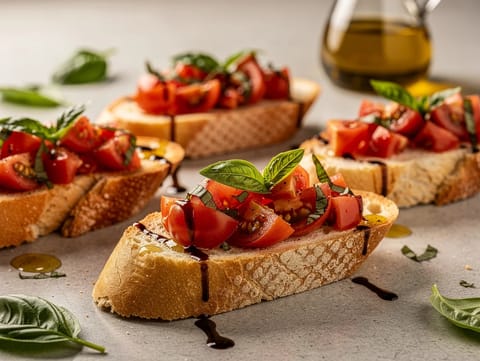
Crisp air-fried bruschetta topped with tomato and basil.
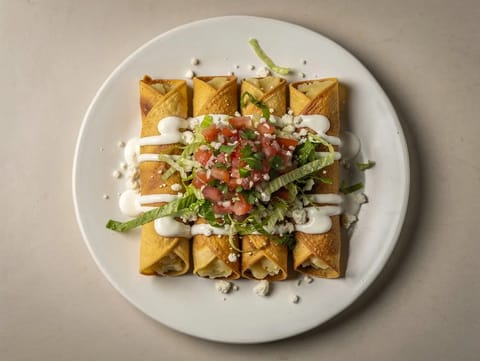
Crispy potato flautas topped with crema, lettuce and cheese
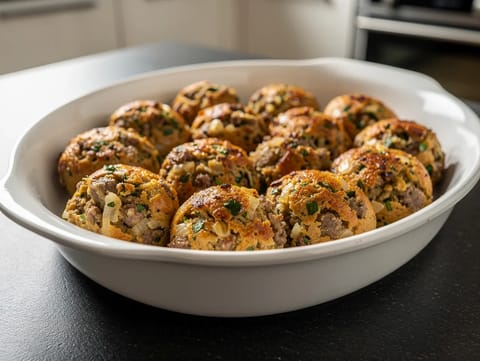
Baked sausage stuffing balls with onion, sage and thyme
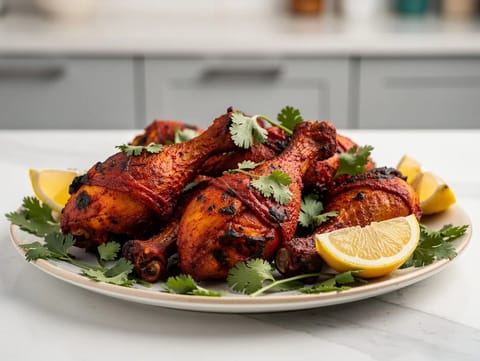
Air-fryer tandoori chicken with yoghurt, lemon and tandoori spices.
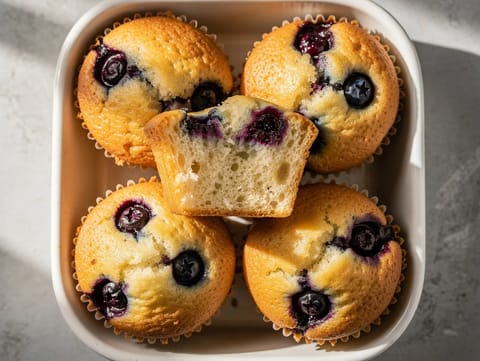
Air fryer muffins with blueberries in a simple sweet batter.
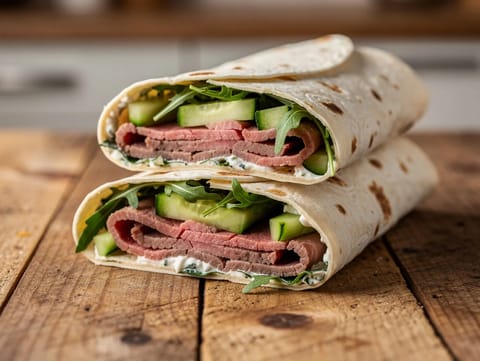
Roast beef wrap with horseradish yoghurt, rocket and cucumber
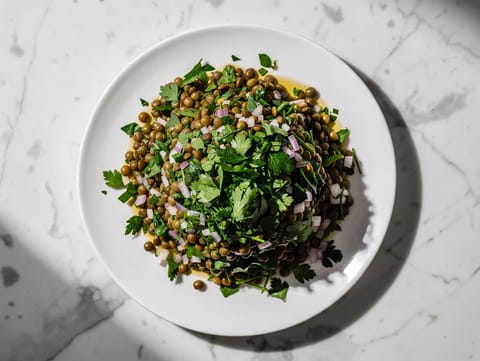
Green lentil salad with Dijon dressing, shallots and parsley
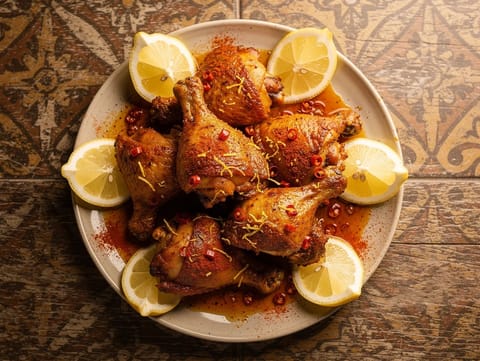
Air-fried peri peri chicken thighs with chilli, garlic and lemon.
Not necessarily. Some French dishes are built on butter, cream and cheese, but many are driven by acidity and freshness, such as salads with vinaigrette, fish with lemon, or vegetable dishes finished with herbs.
Often it is the sequence: sear to build fond, deglaze, reduce to concentrate, then finish with butter for a smooth, glossy texture. The exact liquid and flavourings vary widely.
No. French meal structure can be multi-course, but plenty of everyday dishes stand alone. Thinking in courses is simply a helpful way to balance richness, acidity and portion size.
Wine is common in braises and sauces, but it is not universal. Many dishes rely on stock, water, vinegar, citrus, or simply good browning and herbs for depth.
Emulsified sauces can break if they get too hot, if the fat is added too quickly, or if the liquid reduces too far. Gentle heat and adding butter off the boil often helps keep them cohesive.
If you want something immediately recognisable, start with a bistro-style plate or a simple roast with a sharp dressing on the side. If you are cooking to learn, pick one technique, a reduction, a custard, or a pastry dough, and let that guide your choice.
