
Poke Bowl with Zucchini Noodles
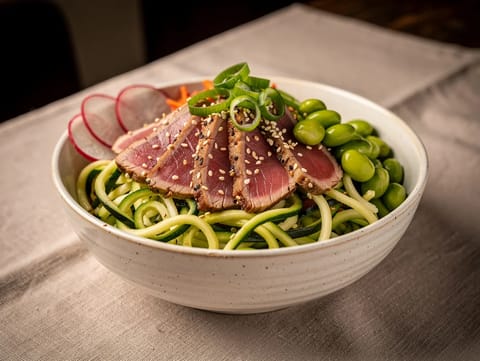
Tuna poke over courgette noodles with edamame and radishes.

Fusion cooking is less about a single place and more about how a dish is built: techniques, ingredients or flavour ideas from different cuisines brought together in one recipe. Sometimes the fusion is obvious, such as a familiar street-food format filled with flavours from elsewhere; sometimes it is subtle, like a classic sauce seasoned with a different spice blend.
The most useful way to browse fusion recipes is to look for the ‘anchor’ of the dish, the base technique or format that holds everything together.
A fusion label usually signals intentional mixing, but it does not guarantee a particular flavour profile. The anchor might be a cooking method (stir-fry, roast, grill), a dish format (taco, burger, noodle bowl), or a sauce style (creamy, chilli-forward, herb-led). Fusion also does not automatically mean ‘modern’ or ‘restaurant’ food; it can be as simple as using one cuisine’s condiment to season another cuisine’s staple. Because the category is broad, it helps to read the recipe for its logic: where the salt, acid, heat and richness come from, and whether the textures make sense together, for example crisp elements staying crisp, or sauces thick enough to cling rather than pool.
Tuna poke over courgette noodles with edamame and radishes.
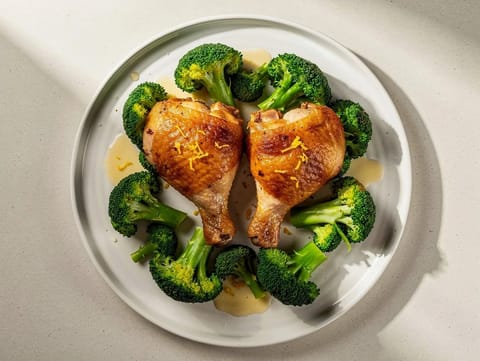
Keto air-fried chicken thighs with lemon butter and broccoli.
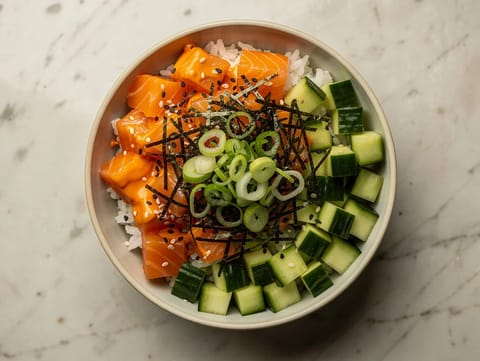
Salmon poke bowl with sushi rice and sriracha mayo.
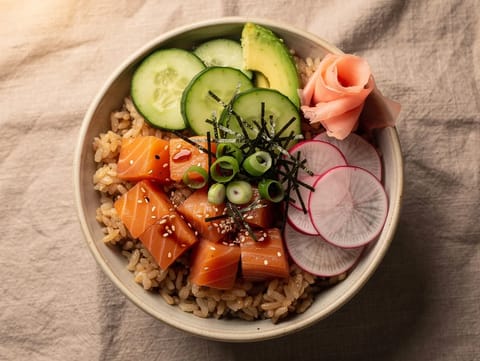
Brown rice poke bowl with salmon, avocado and cucumber.
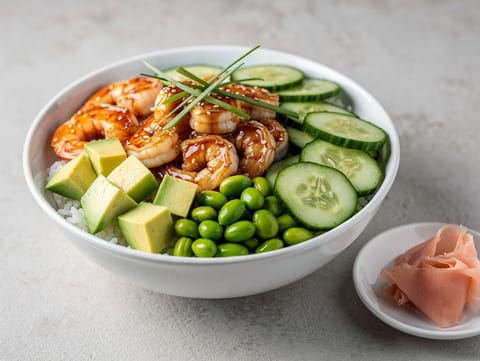
Shrimp poke bowl with sushi rice, avocado and edamame.
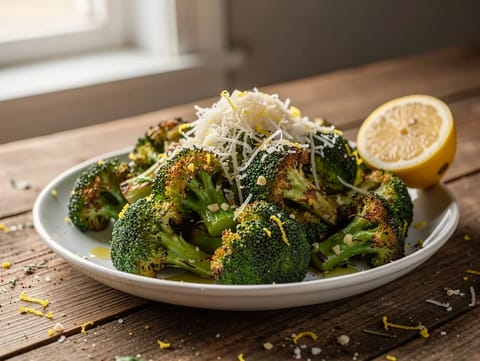
Crisp-tender air-fried broccoli with lemon and Parmesan.
Fusion recipes often rely on a few high-impact ingredients that travel well across cuisines. Think of punchy condiments (chilli pastes, mustard, soy-based seasonings), aromatic bases (ginger, garlic, spring onion), and finishing elements (fresh herbs, citrus, toasted seeds). Dairy and coconut can both play the role of softening heat and carrying spice, but they behave differently in sauces. Cheese melts and emulsifies; coconut milk can split if boiled hard. Starches are another frequent meeting point: rice, noodles, flatbreads and potatoes readily take on new seasonings, but they need the right sauce thickness and enough seasoning in the cooking liquid to avoid tasting bland at the centre.
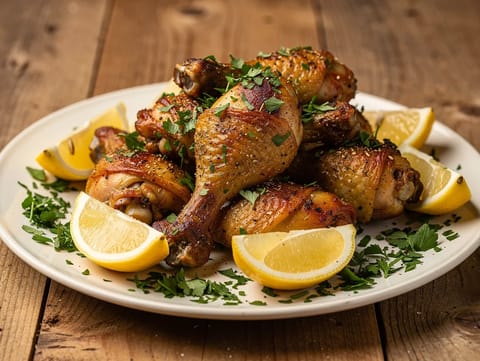
Air-fried drumsticks with garlic, herbs and lemon.
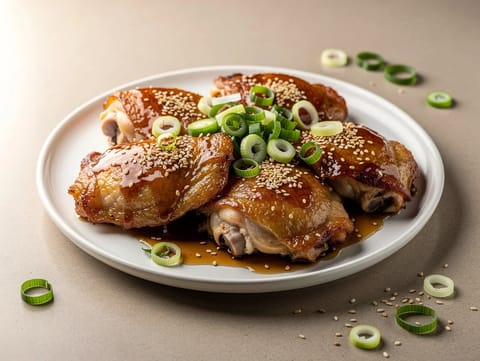
Air-fried chicken thighs in a sticky honey garlic glaze.
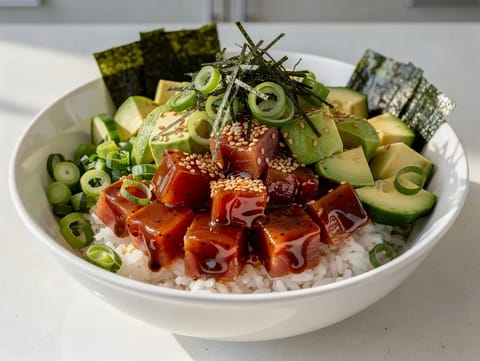
Spicy tuna and avocado over sushi rice with sesame.
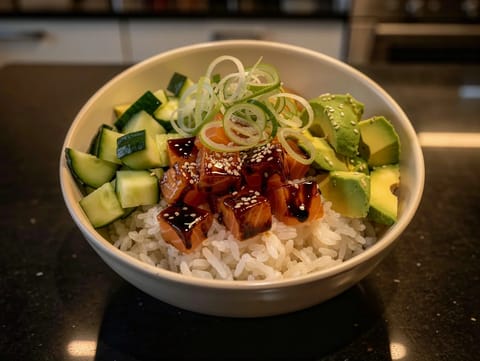
Salmon poke bowl with sushi rice, cucumber and avocado.
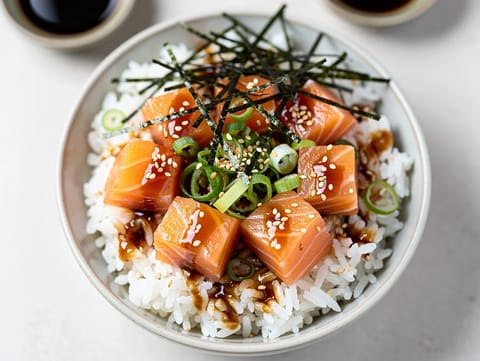
Salmon sesame poke bowl with sushi rice and soy dressing.
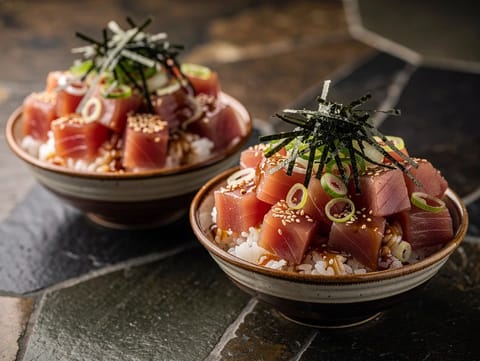
Tuna sesame poke bowl with sushi rice and soy dressing.
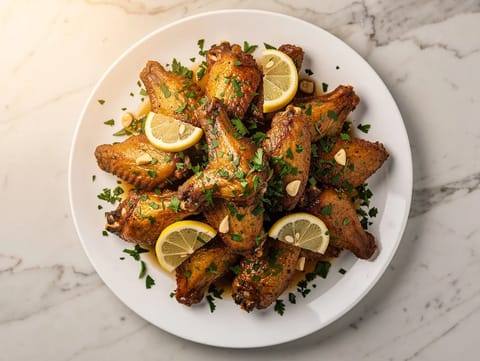
Crispy wings tossed in garlic butter with lemon and parsley.
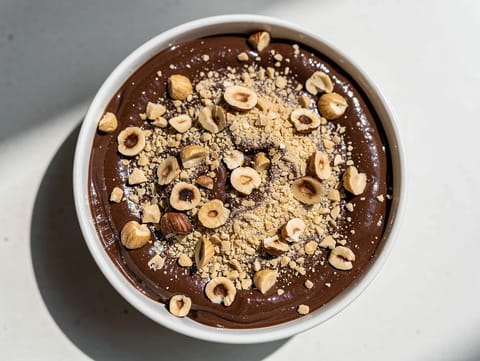
Chocolate hazelnut smoothie bowl with banana, yoghurt, cocoa and nuts.
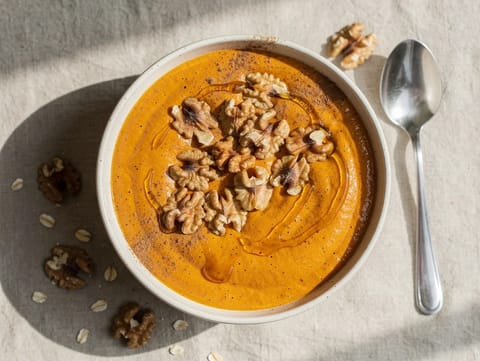
Carrot cake smoothie bowl with banana, yoghurt, oats and spice.
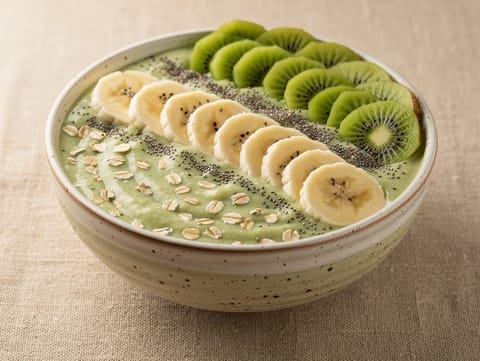
A thick kiwi and banana smoothie bowl with Greek yoghurt.
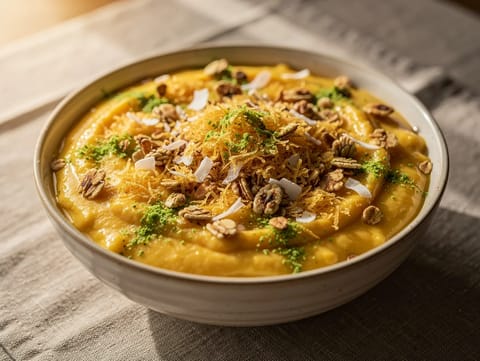
Mango and pineapple smoothie bowl with coconut yoghurt and granola.
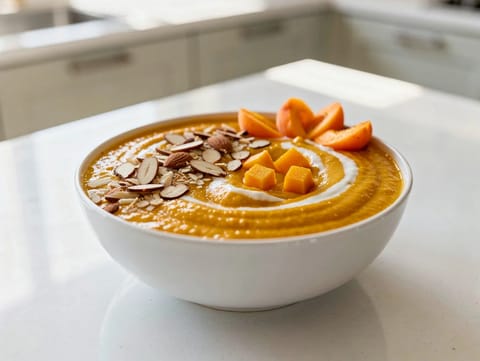
A thick apricot almond smoothie bowl with Greek yoghurt.
When fusion works, the technique usually provides the structure. A quick, high-heat cook gives you char and crisp edges that stand up to bold sauces. Slow cooking gives time for spices to mellow and for collagen-rich cuts to become shreddable, which suits sandwiches, wraps and rice bowls. Emulsified dressings and mayonnaise-based sauces are common because they carry strong flavours evenly and help disparate elements feel like one dish. Pay attention to sequencing: adding delicate herbs at the end keeps them bright; blooming spices in fat early can deepen aroma; and keeping crunchy toppings separate until serving prevents them from softening into the sauce.
Fusion cooking sits alongside long histories of migration, trade and everyday adaptation, but a single recipe rarely represents a whole culture. It is more accurate to treat fusion as a style of combination rather than a shortcut to authenticity. Recipes may reference specific dishes or techniques from particular cuisines, or they may be loosely inspired by familiar flavour pairings. When you cook fusion at home, clarity helps: name the reference you are borrowing, keep one element recognisable, and avoid piling on too many competing seasonings. That approach tends to produce food that tastes intentional rather than simply busy.
Fusion is easiest to choose by deciding on the dish format first, such as a bowl, wrap, salad or baked tray. Browsing by Dish gives you that structure. If you are chasing a particular technique, like grilling, stir-frying or slow cooking, browsing by Cooking method helps you find fusion recipes where the method provides the backbone.
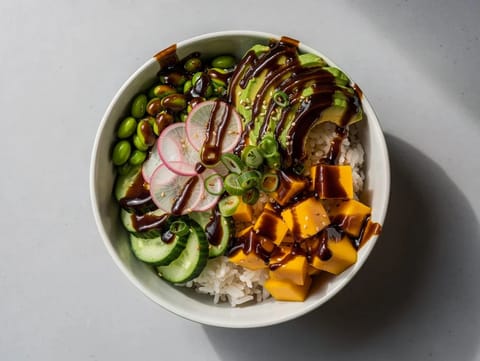
Vegan poke bowl with mango, avocado and sushi rice.
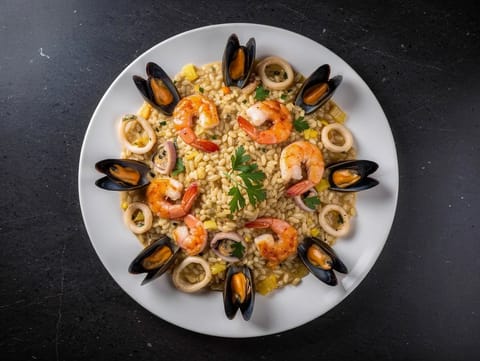
Creamy risotto with prawns, mussels, squid and parsley
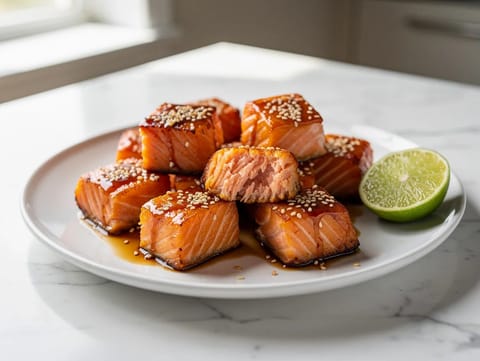
Glazed air-fried salmon bites with soy, sesame and lime.
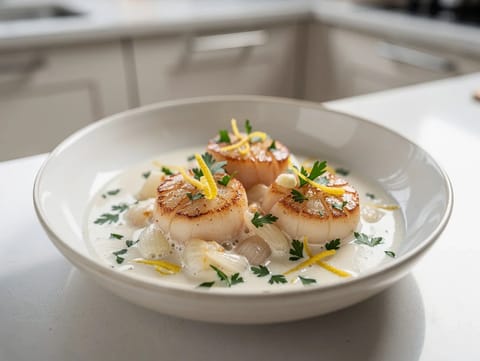
Seared scallops in a white wine and cream sauce
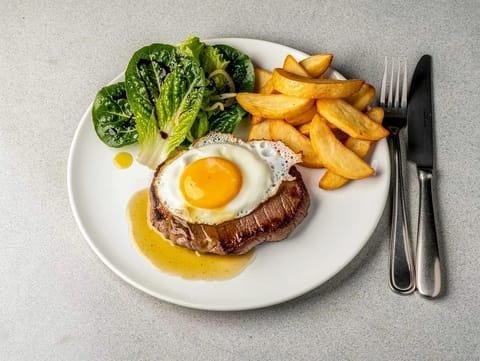
Pan fried steak topped with a fried egg and chips
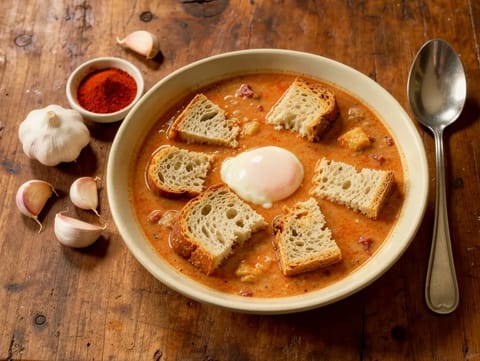
Garlic and bread soup with paprika and poached eggs
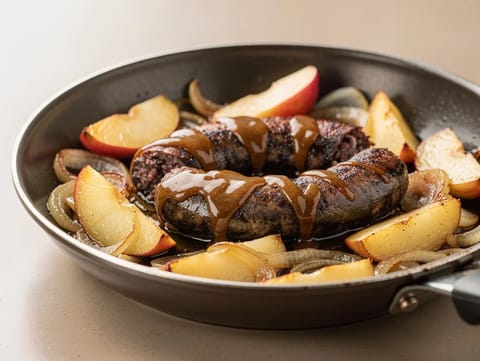
Pan-fried blood sausage with buttery apples and onions
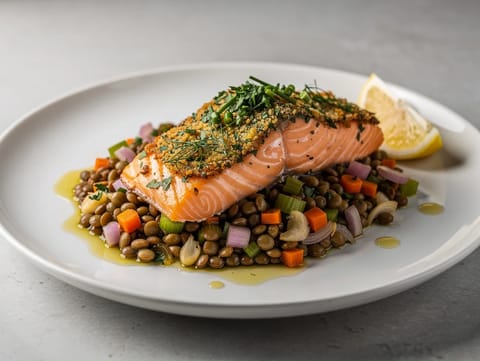
Herb-crusted salmon served over Dijon and lemon Puy lentils
They overlap, but fusion usually implies a deliberate combination of elements from more than one cuisine in the same dish. ‘Inspired by’ can be lighter-touch, borrowing a flavour idea without mixing multiple references.
Look for a clear anchor (format or method), then check where salt, acid, heat and richness come from. If several ingredients do the same job, for example multiple salty sauces, the result can skew harsh or muddled.
Often the issue is dilution. A strongly flavoured condiment can lose impact when stretched with too much liquid. Reduction, a thicker base, or a finishing squeeze of citrus can restore definition.
Not always. Many fusion dishes are built around a small number of distinctive seasonings plus everyday staples. The key is choosing one or two ‘statement’ ingredients rather than trying to include everything.
Yes. Fusion is about combination, not heat level. Many dishes lean on aromatics, herbs, citrus and savoury depth rather than chilli.
Start by choosing the format you want to eat, then let one cuisine’s technique lead and another’s seasonings support it. Fusion cooking is at its most convincing when the method is clear and the finishing flavours are deliberate.
