
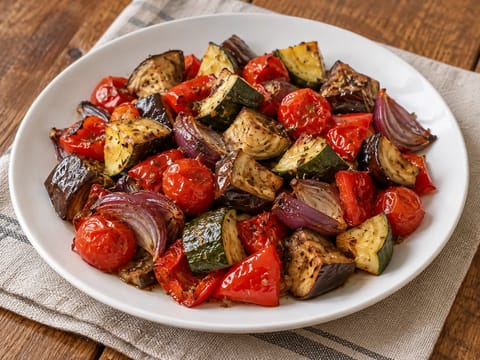
Italian Roasted Vegetable Traybake
Roasted vegetable traybake with garlic, olive oil and oregano
Italian food is often easiest to understand by how it’s built: a small set of familiar ingredients, treated with restraint, and combined in repeatable ways. You’ll see recipes that lean on olive oil, tomatoes, cheese, herbs and cured meats, alongside vegetables, beans and seafood depending on the dish. The useful question is rarely “Is this Italian?” but “What kind of Italian is it?” A quick pasta sauce behaves differently from a long-cooked ragù, and a risotto asks for attention in a way a baked pasta does not.
Many Italian-style dishes are organised around a main starch or base (pasta, rice, polenta, bread) with a sauce or topping that’s seasoned decisively but not cluttered. That structure helps you choose recipes: if you want something fast, look for sauces that come together in the time it takes to cook pasta; if you want depth, look for slow-simmered tomato sauces or braises where flavour develops gradually. You’ll also notice a preference for cooking ingredients until they taste like themselves, rather than masking them. That’s why the quality and ripeness of tomatoes, the fruitiness of olive oil, or the saltiness of cheese can matter more than a long list of spices.
Roasted vegetable traybake with garlic, olive oil and oregano
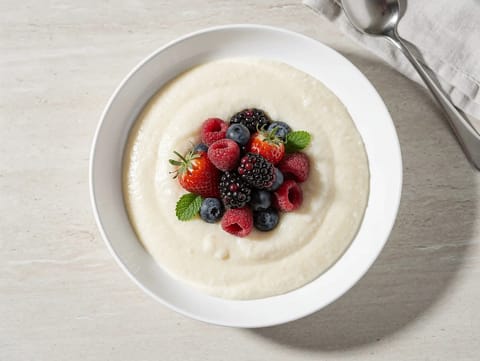
Creamy semolina porridge with butter and mixed berries
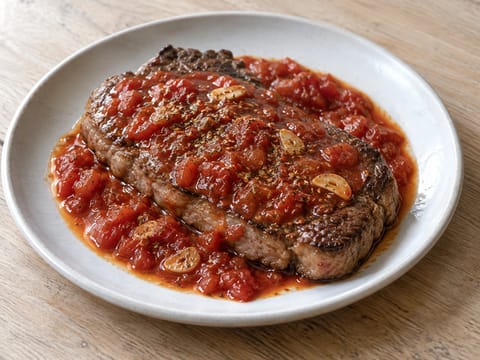
Pan-seared steak in a tomato, garlic and oregano sauce

Italian lemon gelato made with fresh zest and juice
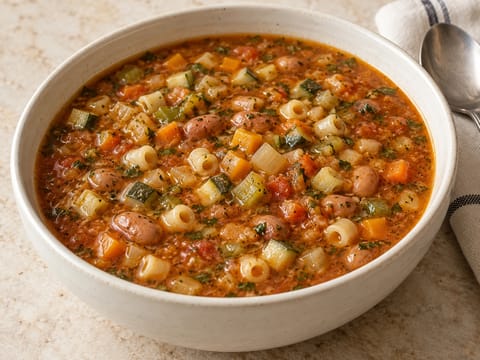
Vegetable, bean and pasta soup with pesto
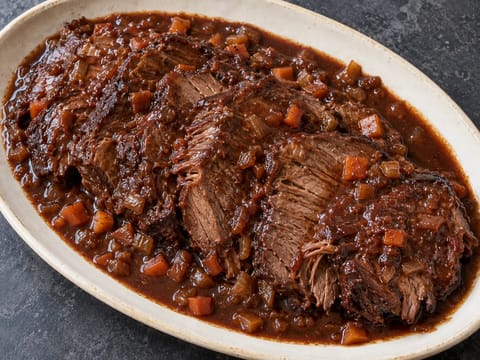
Beef braised in Barolo with vegetables and reduced wine sauce
Olive oil is a common starting point, used for gentle frying and as a finishing drizzle. Tomatoes appear in many forms, from fresh to passata and tinned, and the choice affects sweetness, acidity and texture. Garlic, onion and celery often sit in the background, while herbs such as basil, oregano and rosemary steer the aroma. Cheese can be a seasoning as much as an ingredient: hard grating cheeses bring salt and savouriness; soft cheeses add richness and a creamy finish. You may also see anchovies, capers and olives used in small amounts to deepen savoury notes without making a dish taste overtly fishy. When a recipe includes cured meats, they often function like a flavour base, melting into the sauce rather than sitting as chunks.
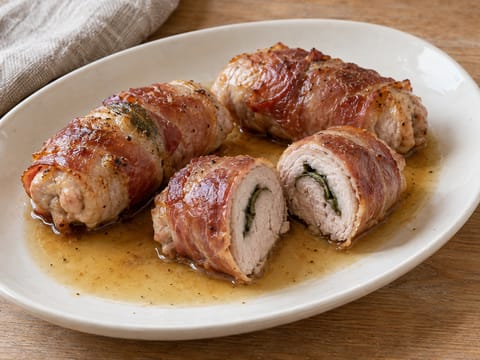
Pork cutlets wrapped with prosciutto and sage in white wine juices
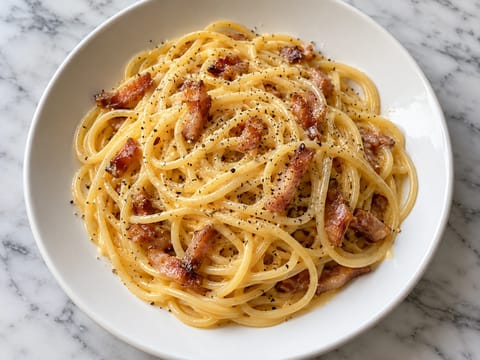
Roman spaghetti with guanciale, eggs, Pecorino and black pepper
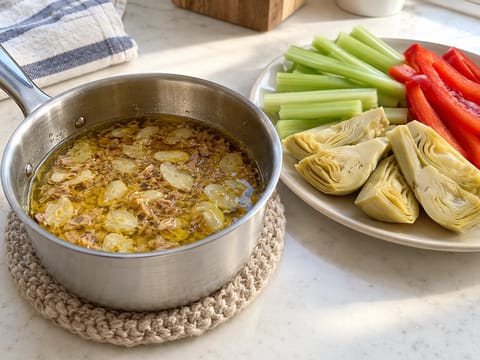
Warm anchovy and garlic dip cooked in olive oil and butter
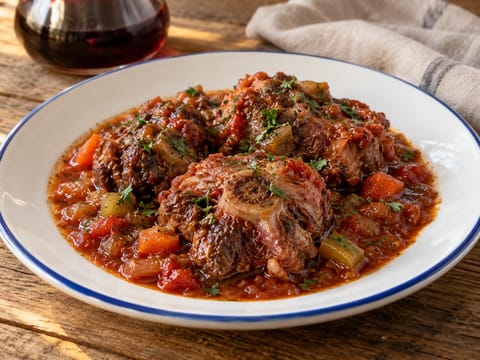
Roman-style oxtail stew braised with tomatoes, red wine and cocoa
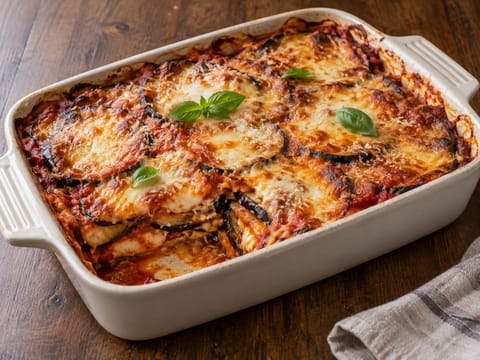
Baked aubergine layered with tomato sauce, mozzarella and Parmesan
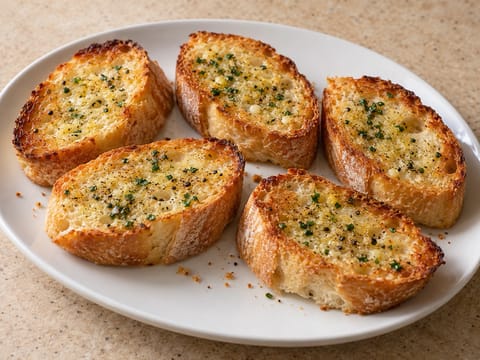
Air-fried baguette with garlic butter and parsley.

A tangy blood orange yoghurt smoothie served cold.
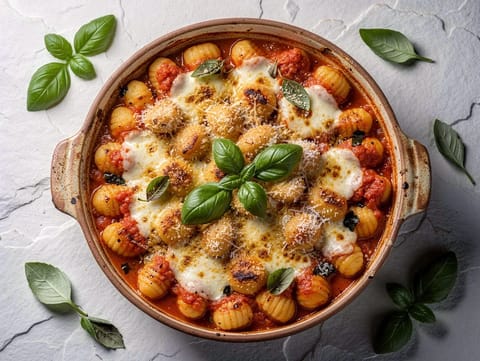
Baked gnocchi in tomato and basil with mozzarella topping
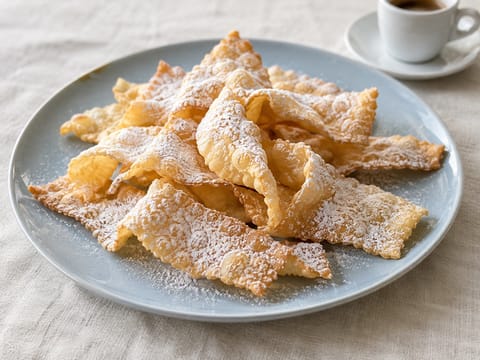
Crisp Tuscan fried pastry ribbons with lemon and icing sugar
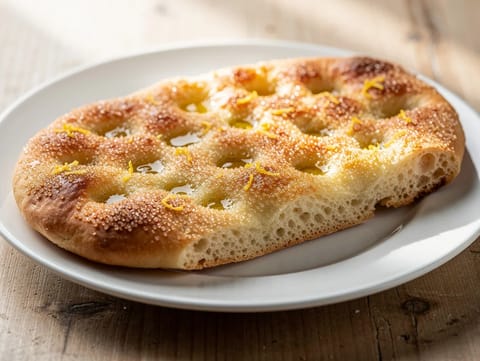
Sweet olive oil focaccia topped with sugar and lemon zest

Custard tart with fresh fruit and a crisp sweet pastry case

Choux cream puffs filled with vanilla pastry cream
Italian cooking often relies on a few repeatable techniques. A soffritto (slowly softened onion and other aromatics) builds sweetness without sugar. Tomato sauces may be cooked briefly for brightness or simmered longer for a rounder, darker flavour. Pasta cookery is its own method: cooking to a firm bite, reserving a little starchy water, and finishing pasta in the sauce so it clings rather than pools. Risotto is defined by gradual liquid additions and steady stirring, which encourages a creamy texture without cream. You’ll also find roasting and grilling for vegetables and meats, and slow braising for tougher cuts. In each case, the method is doing a specific job: concentrating flavour, softening texture, or emulsifying fat and water into a glossy sauce.
Italy’s regional cooking is shaped by coast and mountains, climate and local produce, so “Italian” covers a wide range. Some dishes lean towards seafood, citrus and olive oil; others towards butter, cheese and slow-cooked meats. Pasta shapes and sauces vary by region and family, and the same name can describe different dishes in different places. It’s also common to see Italian-inspired recipes that borrow the flavour cues but adapt ingredients or techniques to what’s available elsewhere. A helpful way to read any recipe is to look for its anchor: is it tomato-led, cheese-led, herb-led, or built on a long-cooked meat base? That anchor tells you what to prioritise when shopping and cooking.
Italian cooking is strongly defined by formats such as pasta dishes, risottos, soups and bakes, so exploring by Dish can quickly narrow you to the style you want. Cooking Method is equally useful when you’re choosing between a quick pan sauce, a slow braise, or a baked dish that largely looks after itself.
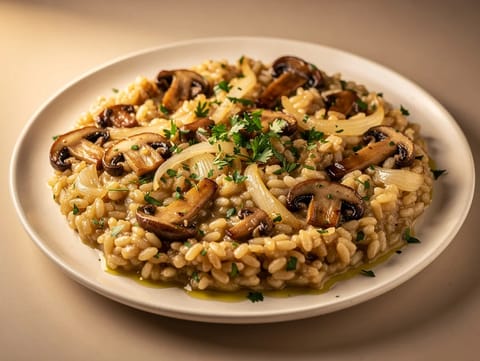
Creamy Spanish rice with wild mushrooms and parsley

Chilled lemonade scented with orange blossom water
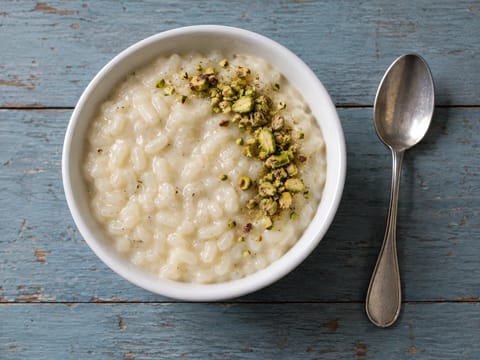
Creamy rice pudding with rose water and pistachios
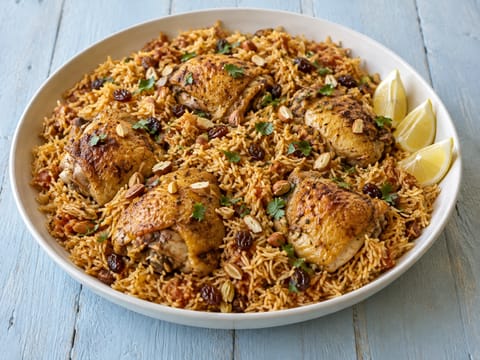
Saudi style kabsa with spiced chicken, rice, tomatoes and nuts
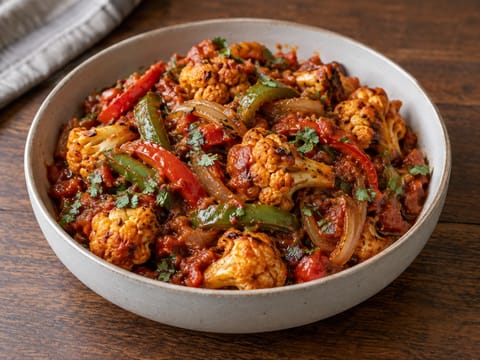
Stir-fried vegetables cooked in a spiced tomato base
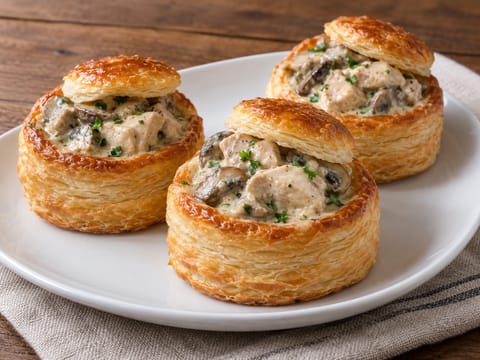
Puff pastry cases filled with creamy chicken and mushrooms
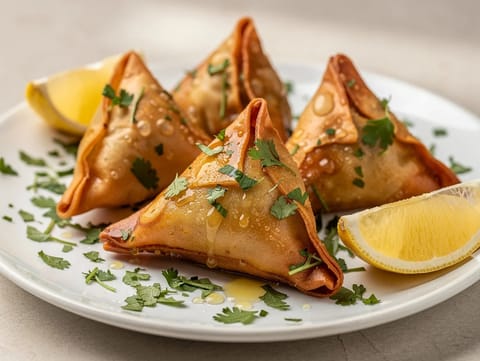
Fried pastry parcels with spiced potato and peas
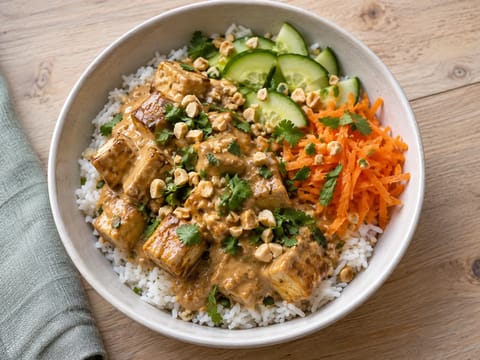
Pan-fried tofu in satay peanut sauce over jasmine rice
Usually it’s the balance of flavours and the way the dish is assembled: a clear main element (pasta, rice, bread, vegetables) with a sauce or dressing that relies on olive oil, tomatoes, cheese, herbs and savoury accents rather than heavy spicing.
No. Garlic is common, but not universal, and the amount varies widely. Some dishes rely more on onion, herbs, pepper, cheese or cured meats for their savoury base.
Tossing pasta with the sauce over heat helps the sauce cling and emulsify. A splash of reserved pasta water can loosen and bind the sauce because of its starch.
Traditional risotto often uses short-grain Italian varieties because they release starch readily, but recipes may use other short-grain rices. The key is the method: gradual liquid additions and stirring to build creaminess.
Not necessarily. Multi-course meals are part of Italian dining traditions, but at home many people serve a single dish with a salad or vegetables. Recipes can be used flexibly depending on appetite and occasion.
A quick sauce keeps a fresher, brighter tomato flavour. A ragù is typically cooked longer so meat and aromatics soften and meld, giving a deeper, rounder savoury taste and a thicker texture.
When you’re deciding between Italian recipes, look first at the anchor ingredient and the method: tomato and olive oil with a quick finish, or slow-cooked meat and aromatics for depth; pasta tossed in a pan, or a bake that can go straight into the oven. Those cues will tell you what the dish will taste like and how it will fit into your cooking time.
