

Vietnamese-Style Mooncakes (Baked Mooncakes with Mung Bean Filling)
Baked mooncakes with golden syrup crust and mung bean filling
Vietnamese cooking often hinges on balance: aromatic herbs against savoury depth, crisp vegetables against tender noodles or rice, and a dipping sauce that lets each bite be adjusted at the table. Many dishes are assembled from prepared components rather than cooked all at once, which is why the order of prep matters.
If you are choosing a Vietnamese recipe, start by deciding whether it is broth-based, noodle- or rice-led, or built around a grill or stir-fry. That single choice usually tells you what to shop for and how much hands-on assembly to expect.
Vietnamese food is not a single set of flavours repeated everywhere. Regional differences show up in sweetness, heat and the herbs used, and the same dish name can signal different garnishes or broths depending on where it comes from. It is also a cuisine shaped by street and market cooking as well as home kitchens, which is why many recipes focus on quick-cooking proteins, noodles, rice and vegetables that can be prepared in stages.
At the table, it is common for diners to finish a dish to taste with herbs, lime, chillies and sauces. When a recipe offers optional garnishes, they are not just decoration. They are part of how the dish is meant to be balanced bite by bite.
Baked mooncakes with golden syrup crust and mung bean filling
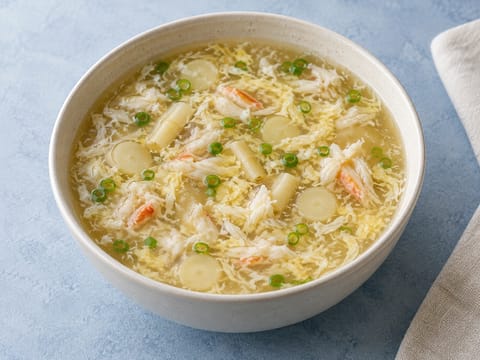
Light crab and asparagus soup finished with egg ribbons
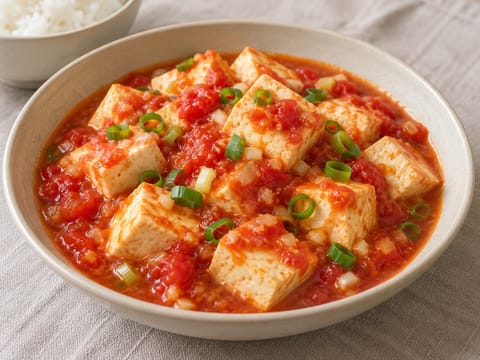
Tofu simmered in a light tomato sauce with garlic
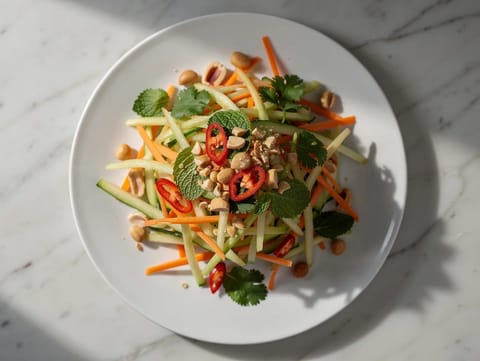
Green mango salad with herbs, chilli and peanuts
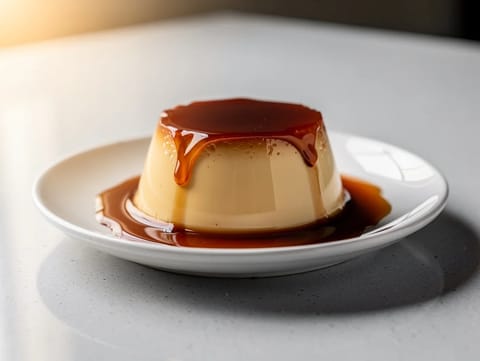
Silky baked caramel custard made with eggs, milk and condensed milk
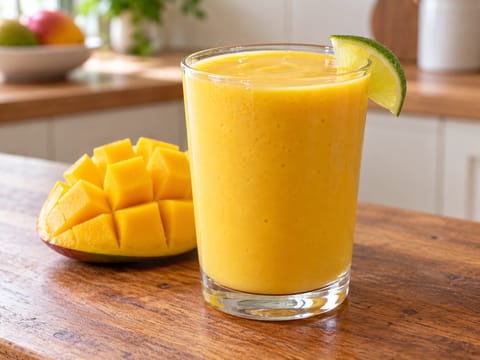
Blend mango with condensed milk, whole milk and ice.
Noodle soups are a major style: they typically involve a carefully seasoned broth and a separate set of noodles, sliced meat or seafood, and herbs added at the end so they stay fresh. Dry noodle bowls are different. They lean on dressings and toppings rather than broth, so the sauce and the crunch elements matter more.
Rice appears in several roles: as plain rice alongside saucy dishes, as rice noodles, and as rice-paper wrappers for rolls. You will also see salads and slaws that are dressed lightly and served with grilled meats or seafood. If a recipe is built around a dipping sauce, expect the main cooking to be relatively straightforward, with the flavour complexity arriving through the sauce and the fresh add-ons.
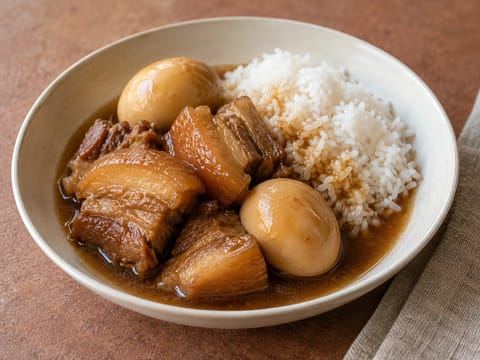
Caramelised pork belly and eggs served with jasmine rice
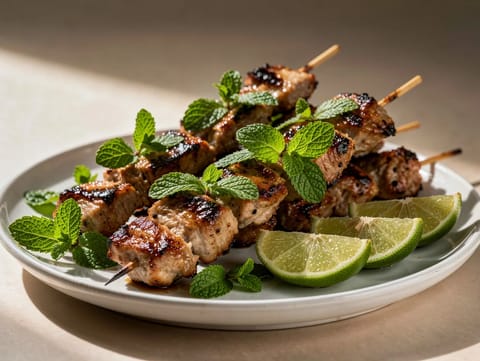
Juicy pork skewers with lemongrass, fish sauce and garlic.
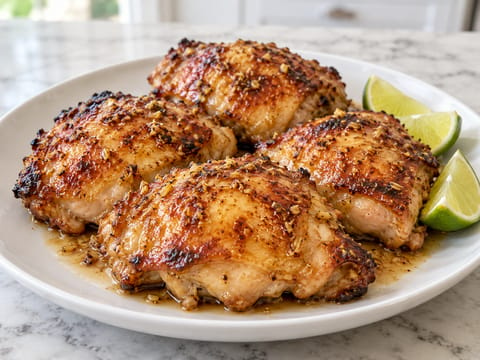
Air fry marinated lemongrass chicken with fish sauce and lime.
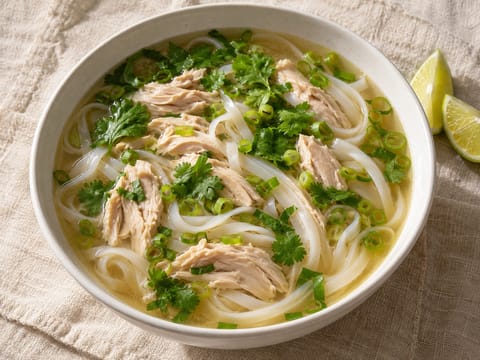
Light chicken and rice noodle soup with ginger
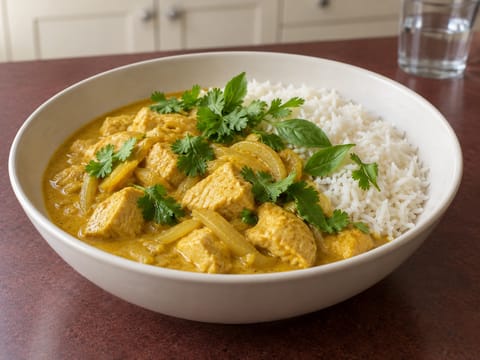
Coconut chicken curry bowl with jasmine rice and lime
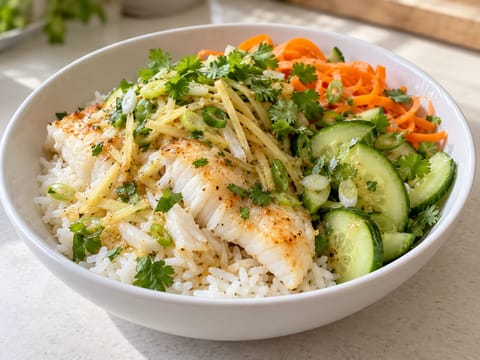
Jasmine rice bowl with ginger fish and lime dressing
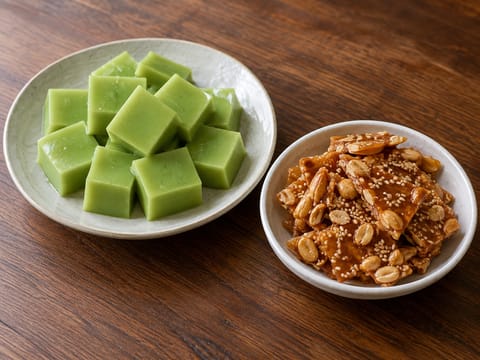
Pandan coconut jelly squares with sesame peanut brittle
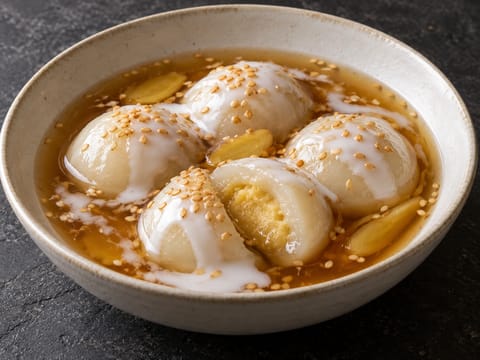
Glutinous rice balls with mung bean in ginger syrup
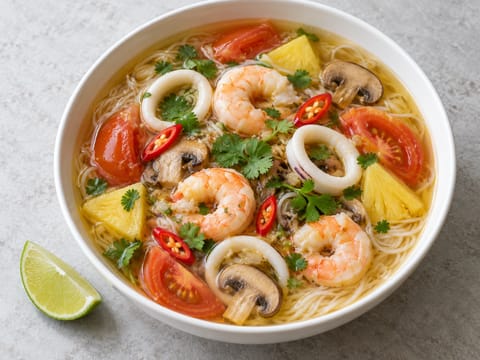
Vietnamese hot pot with lemongrass broth, seafood and mushrooms
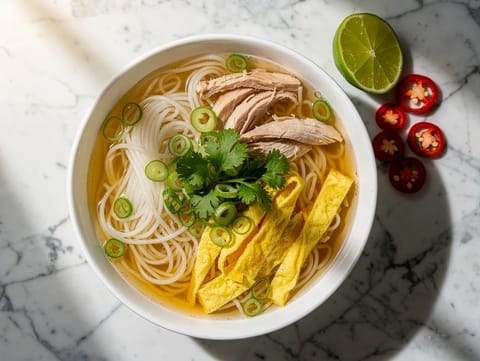
Clear chicken noodle soup with omelette, herbs and lime
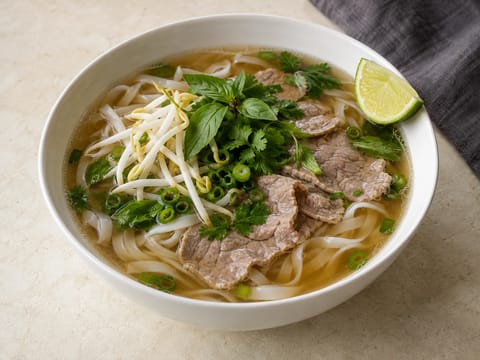
Vietnamese beef noodle soup with rice noodles and herbs
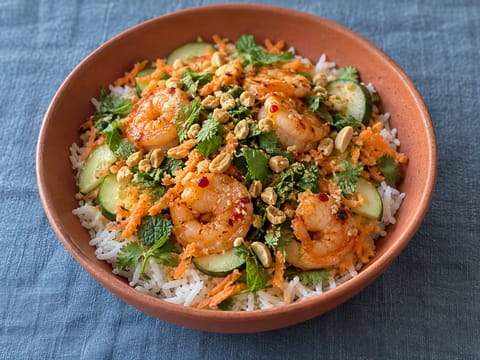
Garlic prawns over jasmine rice with herbs and lime dressing
Fresh herbs are a defining feature, often used in generous handfuls rather than as a small garnish. Mint, coriander and Thai basil are common examples, with spring onions and leafy greens adding bulk and freshness. Lime or other citrus frequently provides the sharp edge that keeps rich or savoury elements from tasting heavy.
Fish sauce is a frequent source of salt and savouriness, especially in dressings and dipping sauces, where it is often balanced with sugar and acidity. That sweet-sour-salty structure is worth noticing when you read a recipe: it explains why a sauce can taste intense on its own but becomes balanced once it coats noodles, vegetables and protein. If you are cooking for different preferences, sauces served on the side make adjustment easier.
Many Vietnamese recipes use fast, high-heat cooking for proteins, then rely on fresh elements for contrast. Grilling and pan-searing create savoury browning that stands up to herbs and sharp dressings. Stir-frying is often quick and relatively light, aiming for vegetables that stay crisp-tender rather than soft.
Broths and braises take a different approach: they build depth through simmering aromatics and bones or through slow cooking with caramelised sugar and fish sauce, depending on the dish. In either case, the finishing steps are usually deliberate. Herbs are added at the end, noodles are kept separate until serving, and crunchy toppings are protected from steam. Following that sequencing is often the difference between a bowl that tastes bright and one that feels muddled.
If you have a specific craving, browsing by Dish is the quickest route because Vietnamese recipes are strongly defined by format: soup, noodle bowl, roll, salad or rice plate. Cooking method is equally useful when you are planning your prep, separating quick grills and stir-fries from longer-simmered broths and braises.
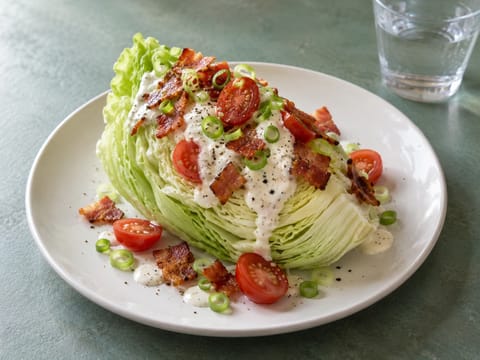
Iceberg wedge with ranch, bacon, tomatoes and spring onions
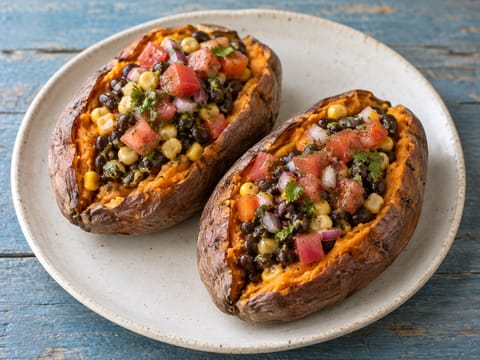
Baked sweet potatoes stuffed with black beans, sweetcorn and salsa.
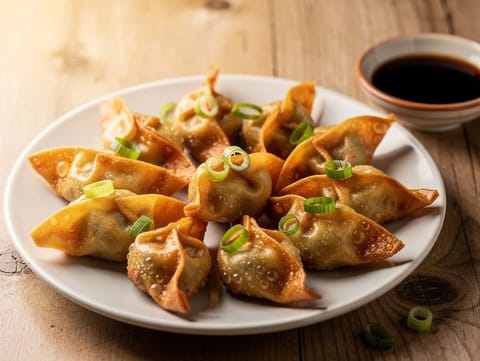
Crispy air fryer wontons with pork and spring onion.
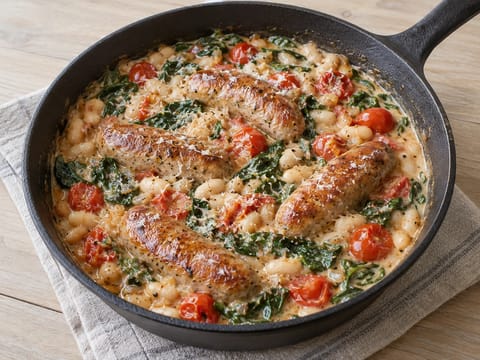
Creamy sausage skillet with cannellini beans and spinach
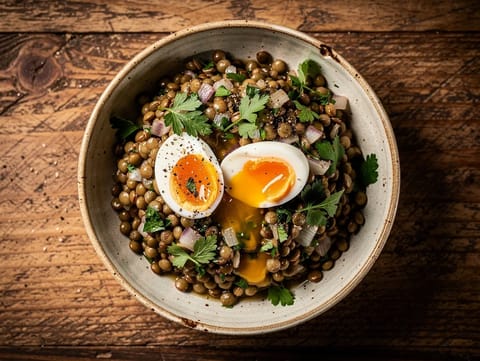
Puy lentils in Dijon vinaigrette topped with a soft-boiled egg
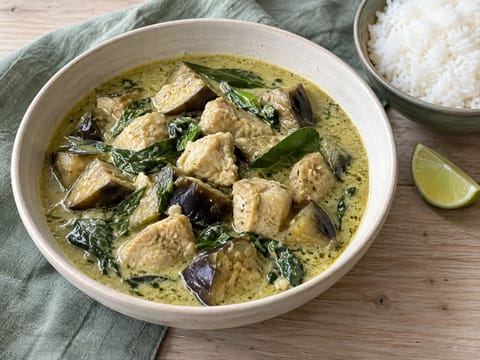
Thai green curry with chicken, aubergine and coconut milk
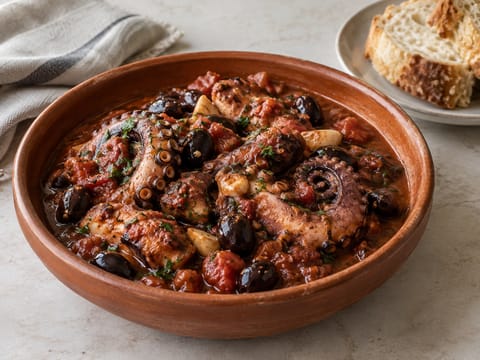
Octopus stew simmered with tomatoes, olives, white wine and chilli
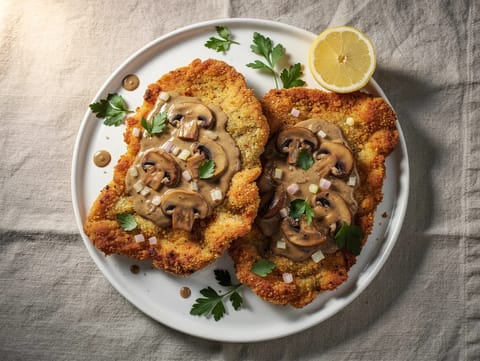
Crisp pork schnitzel topped with creamy mushroom sauce
It is often the combination of raw or lightly handled herbs, crisp vegetables and citrus added at the end. Those elements sit on top of savoury bases such as grilled meat, broth or fish-sauce dressings, so the contrast stays clear.
It is a common seasoning, especially in dipping sauces and dressings, but not every dish relies on it. When it is used, it is usually balanced with lime and a little sugar, so it tastes rounded rather than simply salty.
Noodle soups are built around a hot broth, with noodles and herbs added at serving so they keep their texture. Noodle bowls are typically dressed rather than brothed, so the sauce, toppings and crunchy elements carry more of the flavour and texture.
Garnishes are often functional: herbs add aroma, lime adds acidity, chillies add heat, and crunchy toppings add texture. They let each person adjust the balance, and they keep the finished dish tasting lively.
Add them at the very end or serve them alongside, especially for soups and hot noodles. Steam and residual heat can dull their aroma quickly, so timing matters more than quantity.
Not necessarily. Heat is often optional and added at the table with fresh chillies or chilli sauces. Many dishes focus more on aromatic herbs and sweet-sour balance than on high chilli heat.
Vietnamese recipes become easier to choose when you decide on the format: broth, noodles, rice, or a grill with a salad and dipping sauce. From there, read the recipe for its finishing elements. The herbs, citrus and sauce are usually where the character of the dish is set, so they are worth prioritising in your prep.
