
Pan de Jamón (Venezuelan Ham Bread with Olives and Raisins)
Enriched Venezuelan bread rolled with ham, green olives and raisins

Bread is a broad family, but most choices come down to structure: a lean dough with a crisp crust and open crumb, or an enriched dough that bakes up softer and more tender. Shape matters too. A loaf is built for slicing, rolls are portioned for serving, and flatbreads prioritise quick cooking and a flexible bite. Once you know what texture you want and how you plan to eat it, it becomes much easier to choose between styles without getting lost in technique.
In everyday cooking, bread covers baked doughs designed to be sliced, torn or used as a base for toppings and fillings. Some breads rely on yeast or sourdough fermentation for lift and flavour; others use chemical leavening or none at all, producing a denser, more cake-like crumb or a crisp, crackerish snap. Bread recipes may be savoury or lightly sweet, plain or flavoured with seeds, herbs or spices. What the label does not guarantee is a particular method, proving time, or level of complexity. A quick soda-style loaf and a long-fermented artisan loaf both sit comfortably under the same umbrella, but they behave differently in the oven and at the table.
Enriched Venezuelan bread rolled with ham, green olives and raisins
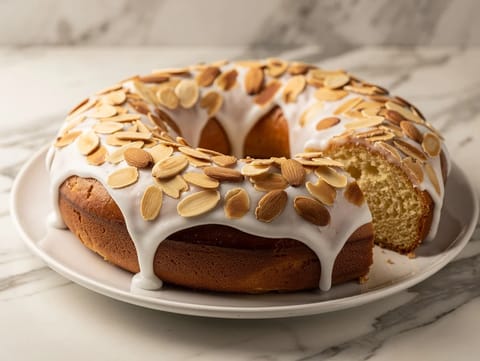
Ring-shaped sweet bread with orange zest, icing and almonds
Enriched pan de muerto with orange zest and anise, baked then buttered and sugared
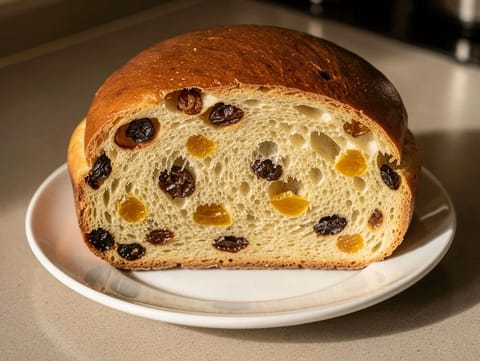
Soft Norwegian Christmas bread with raisins and mixed peel
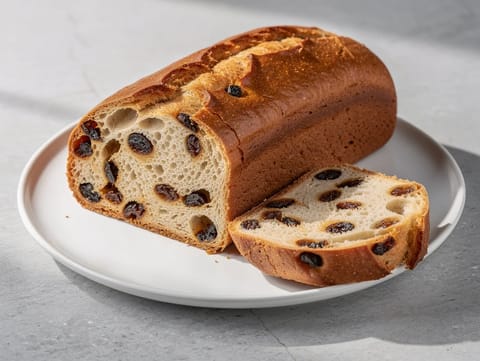
Greek raisin bread with olive oil and cinnamon
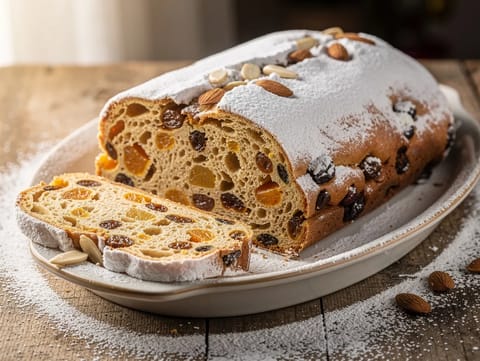
German Christmas fruit bread with raisins, peel and almonds
Lean yeast loaves, made with flour, water, salt and yeast, tend to bake up with a firmer crust and a chewier crumb, which suits slicing for toast or sandwiches. Enriched breads, with ingredients such as milk, eggs, butter or oil, usually brown more readily and stay softer, making them useful for rolls and buns. Flatbreads are often cooked at higher heat for speed, giving you blistered surfaces and a pliable centre, though some are crisp by design. Filled or topped breads shift the focus to the surface: think of breads where the topping caramelises, or where a filling steams the crumb around it. Seeded breads add flavour and bite, but they can also change how cleanly the loaf slices.
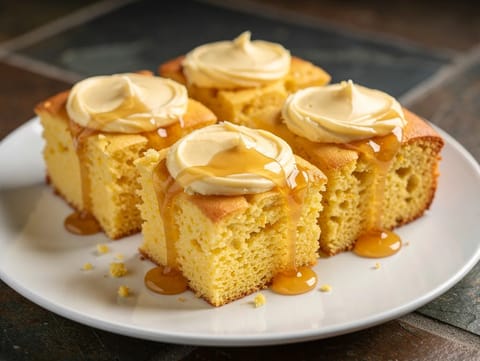
Golden cornbread served warm with whipped honey butter
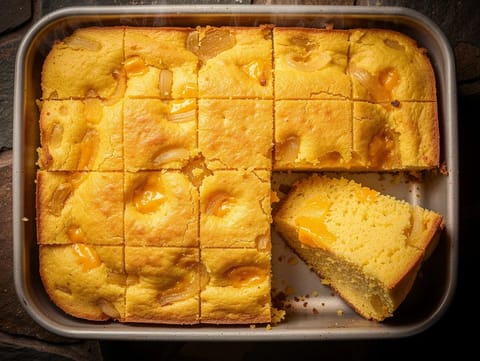
Savoury cornbread baked with cheese and softened onions
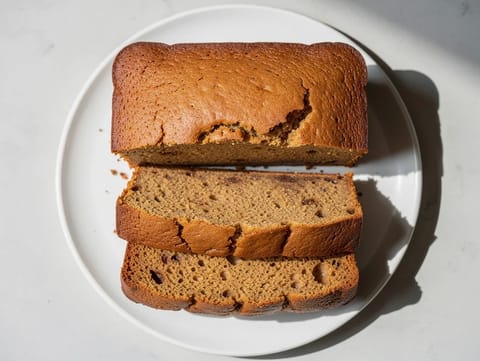
Moist air-fried banana bread with butter and cinnamon.
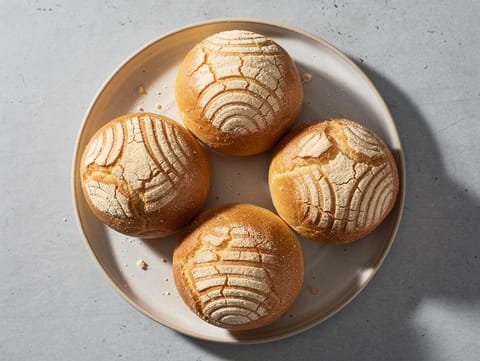
Soft conchas with a crackly vanilla sugar topping
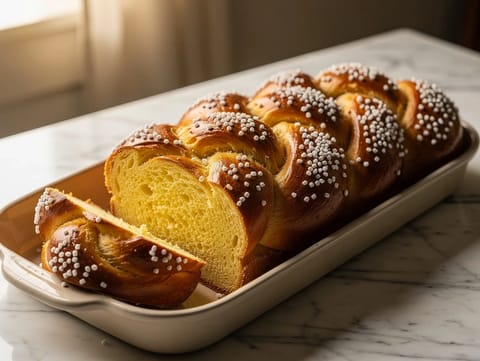
German braided yeast bread enriched with butter, eggs and milk
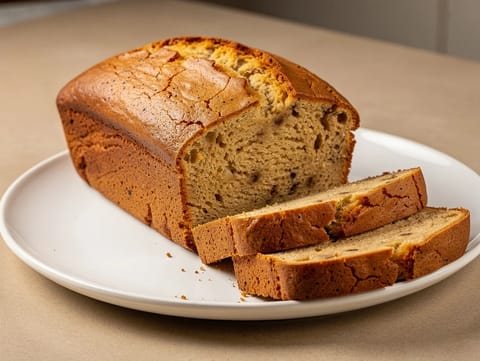
Moist banana bread loaf with vanilla
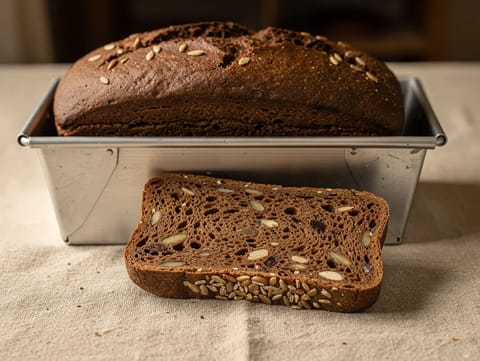
Dense Nordic rye bread with treacle and sunflower seeds
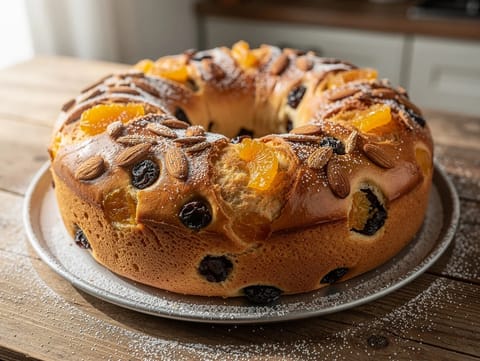
Portuguese sweet ring bread with candied peel and raisins
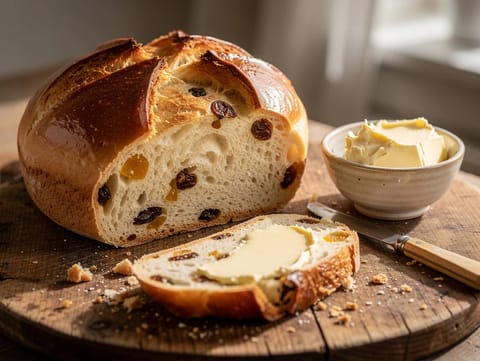
Lightly sweet German Easter bread with raisins and candied peel
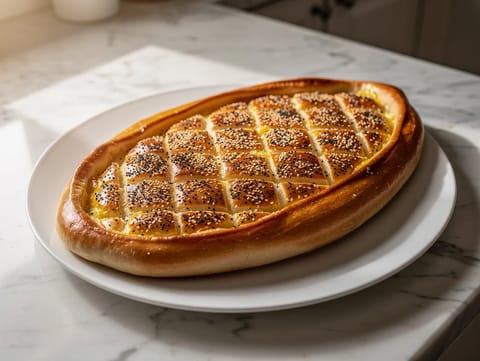
Soft Turkish flatbread topped with sesame and nigella
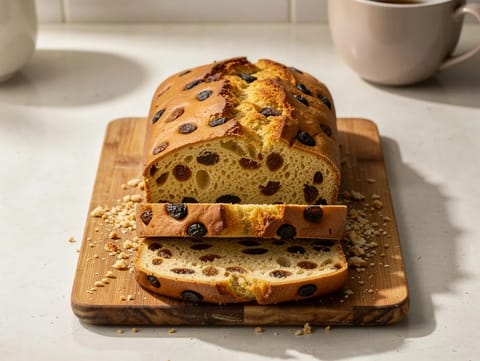
Tea-soaked fruit loaf enriched with butter, egg and milk
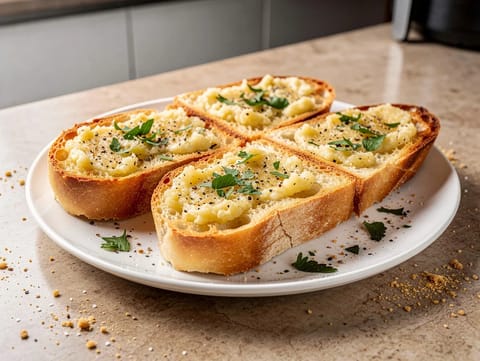
Air-fried baguette with garlic butter and parsley.
If you want bread for slicing, look for doughs that hold their shape and bake evenly in the centre; pan loaves and tighter-crumb styles are often more predictable for sandwiches. For tearing and sharing, rolls and pull-apart breads give built-in portions and more crust per bite. If the bread is mainly a vehicle for dips or toppings, flatbreads and focaccia-style bakes offer a broad surface and are forgiving about shape. Consider timing and attention: long-fermented doughs reward planning and temperature control, while quick breads trade some chew and keeping quality for speed. Finally, match the bread to the meal’s flavours. A strongly flavoured loaf can dominate delicate toppings, while a plainer bread lets fillings and spreads do the work.
Cooking method is a helpful next step because bread texture changes dramatically between baking, pan-cooking and grilling. Cuisine can also guide you towards familiar bread traditions and serving customs, especially with flatbreads and breads designed for specific dishes.
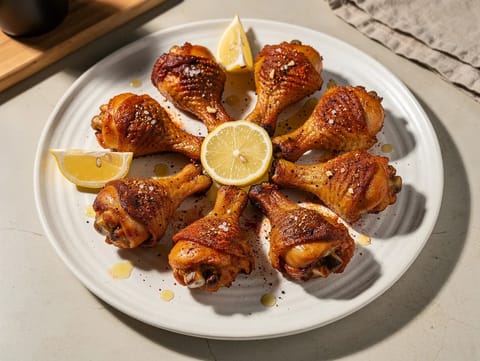
Air-fried chicken drumsticks glazed with barbecue sauce.
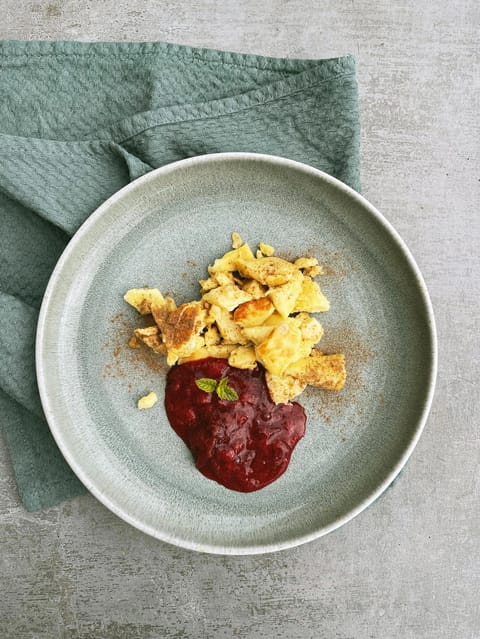
Fluffy shredded pancake dusted with icing sugar and plum compote
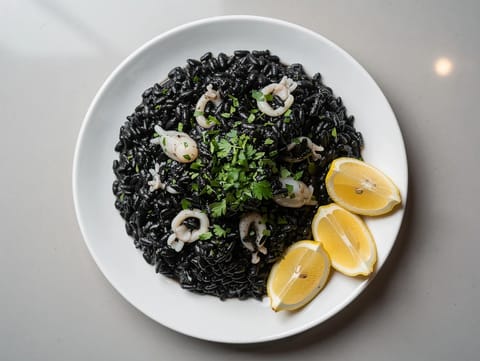
Spanish squid ink rice cooked with squid and fish stock
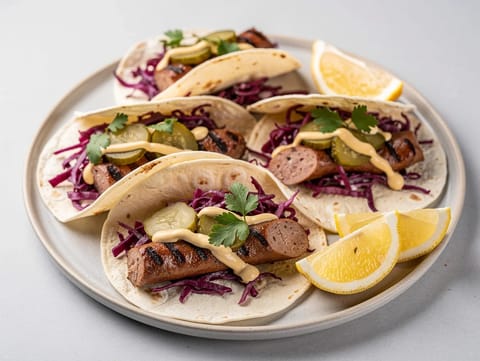
Bratwurst tacos with red cabbage, gherkins and mustard yoghurt sauce
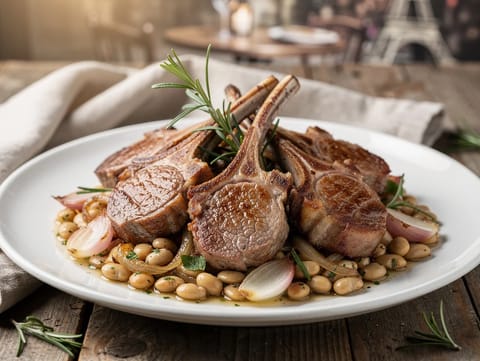
Seared lamb cutlets served over flageolet beans with rosemary
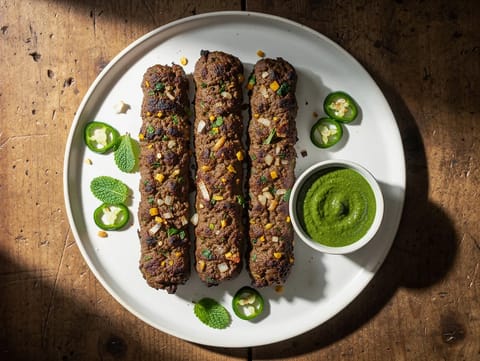
Grilled lamb seekh kebabs served with mint chutney
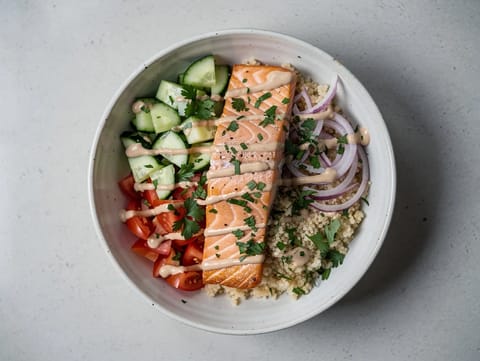
Salmon bowl with couscous, salad and lemon tahini dressing
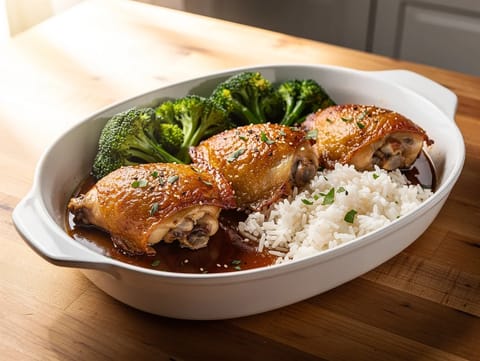
Baked chicken thighs with a sticky honey garlic soy glaze
Lean doughs use basic ingredients and tend to bake up chewier with a crisper crust. Enriched doughs include fats and sometimes eggs or dairy, which usually makes the crumb softer and the crust more tender.
Often, but not always. Some flatbreads are mixed and cooked straight away, while others still use yeast or fermentation for flavour and texture.
Density can come from under-proofing, weak gluten development, or a dough that is too dry for the flour. Some styles are meant to be dense, so it helps to compare your result to the intended bread type.
Not necessarily. Many breads bake well on a tray or in a standard tin. Some styles use a very hot surface or a covered pot to encourage oven spring, but there are usually alternatives.
Look for a loaf that slices cleanly and holds fillings without tearing. A tighter crumb and a balanced crust are often more practical than a very open, holey crumb.
Bread recipes can look wildly different, but the end goal is usually clear: soft or chewy, crisp or tender, sliceable or tearable. Decide that first, then let method and shaping follow.
