
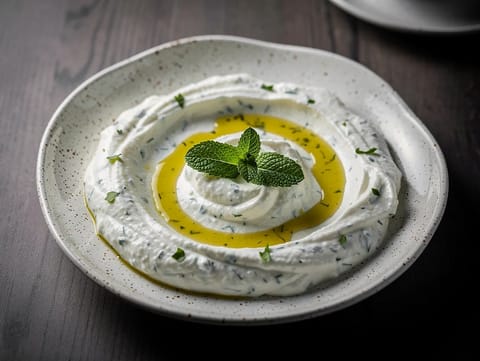
Haydari (Turkish Garlic Yoghurt Dip)
Thick Turkish yoghurt dip with garlic, mint and olive oil

A good dip is built for the moment it is served: thick enough to cling to a crisp, spoonable enough to share, and seasoned so it still tastes lively when eaten cold. That makes dips especially useful when you want to prepare ahead, because many can be mixed, chilled and simply brought to the table with something to scoop. The key decisions are texture and timing. Some dips improve after a rest as flavours mingle; others are best warm from the oven. This page helps you choose a dip style that suits your prep window and the way you plan to serve it.
A dip is a thick, scoopable mixture served as a companion to something else, such as bread, crisps, crackers or raw vegetables. It can be smooth or chunky, hot or cold, dairy-based, legume-based, vegetable-based or nut-based. What it is not, in most kitchens, is a thin sauce meant to be poured, or a dressing designed to coat leaves. Dips also sit slightly apart from spreads: a spread is often thicker and intended to be smeared, while a dip needs to accept repeated scooping without breaking or turning watery. Because dips are eaten in small bites, seasoning tends to be more concentrated than in a soup or stew, and texture matters as much as flavour.
Thick Turkish yoghurt dip with garlic, mint and olive oil
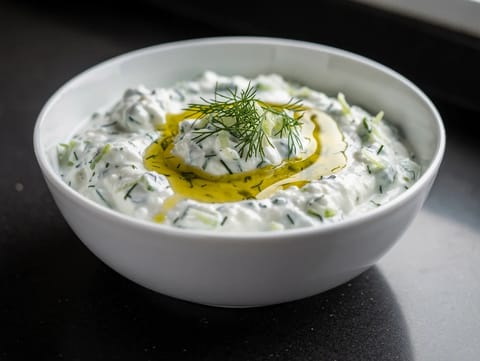
Chilled Turkish yoghurt and cucumber dip with dill and garlic
Greek yoghurt mixed with cucumber, lemon, cumin and mint, served chilled
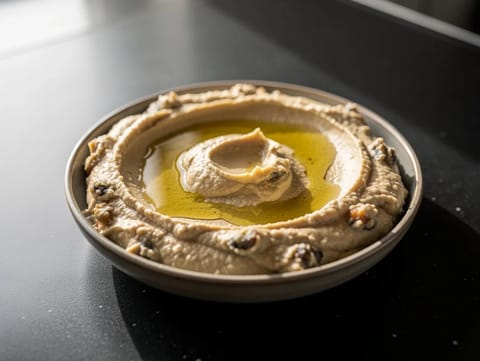
Smoky roasted aubergine dip with tahini and lemon

Creamy hummus topped with cumin-spiced minced lamb
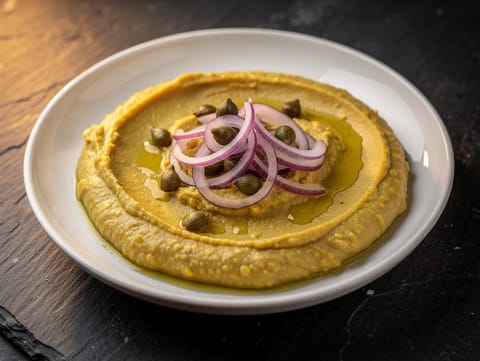
Creamy Greek split pea purée topped with lemon and capers
For make-ahead ease, cold dips that are blended or whipped are usually the most forgiving: chilling helps them firm up and lets garlic, herbs and spices mellow into the base. If you are using ingredients that release water, such as cucumber, tomatoes or some cooked vegetables, look for recipes that manage moisture with draining, roasting or a thicker base so the dip does not puddle on the plate. Hot dips can still be planned ahead, but they often work best when assembled in advance and baked or heated close to serving, so the top stays appealing and the centre is properly warm. If you want a dip to travel, choose one that holds its shape at room temperature for a while, and keep any crunchy toppings separate until the last minute.

Hummus platter with spiced olive oil, pitta and vegetables
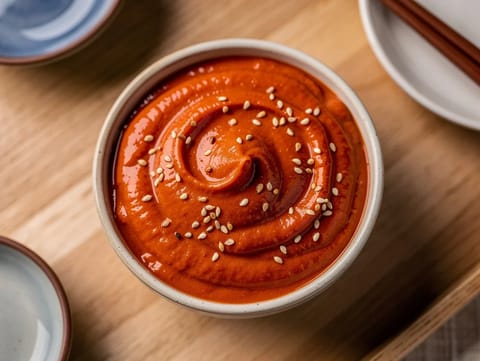
Creamy gochujang mayo dip with sesame oil and garlic
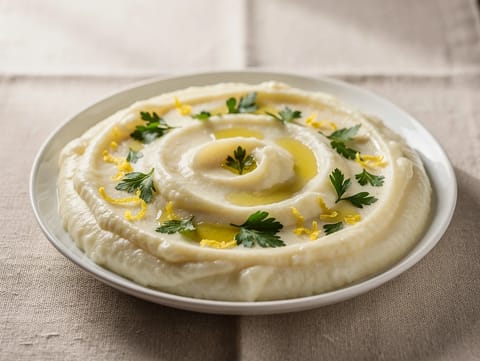
Salt cod and potato purée with garlic, olive oil and cream
Creamy hummus topped with cumin-spiced minced lamb
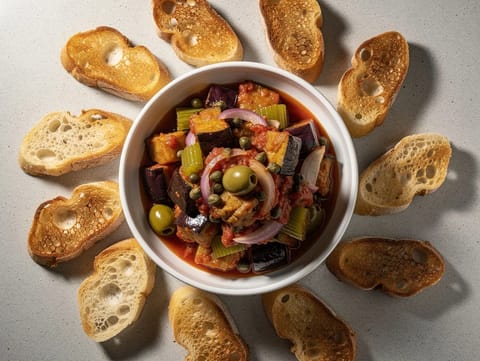
Sweet-sour aubergine caponata served with crisp crostini
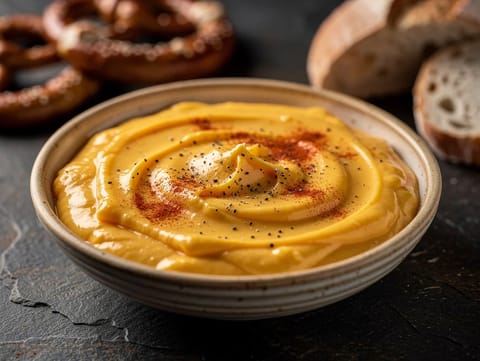
Warm lager and cheddar dip with mustard and paprika
Creamy hummus topped with warm spiced minced lamb, onion, garlic and pine nuts
Greek yoghurt mixed with cucumber, lemon, cumin and mint, served chilled
Creamy hummus blended with tahini, lemon, garlic, cumin and olive oil
Roasted aubergine simmered with tomatoes, garlic and spices until soft and spoonable
Sicilian aubergine caponata with tomatoes, capers and olives, served with bread
Think about strength and surface. A delicate, silky dip suits thin crisps, pita or soft bread that will not fight the texture. Chunkier dips need a sturdier scoop, such as thick-cut vegetables, toasted bread or robust crackers, so you can pick up both dip and pieces without snapping. If the dip is rich, a crisp, fresh vehicle like cucumber, radish or celery can keep each bite feeling clean. If the dip is sharp or spicy, a neutral scoop such as plain flatbread or tortilla chips lets the seasoning come through. For a mixed platter, offering two different textures, one smooth and one chunky, often makes serving simpler than trying to make one dip do everything.
Cuisine is a natural companion to dips, because the same idea can be built from very different staples, from yoghurt and herbs to beans, nuts or roasted vegetables. Course can also help when you are deciding whether a dip is part of a starter spread, a snack table, or a side element alongside a main dish.
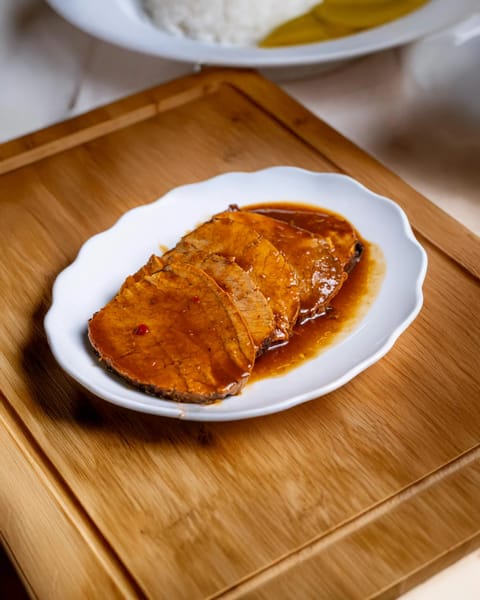
German pot roast with tangy gravy thickened with gingersnaps
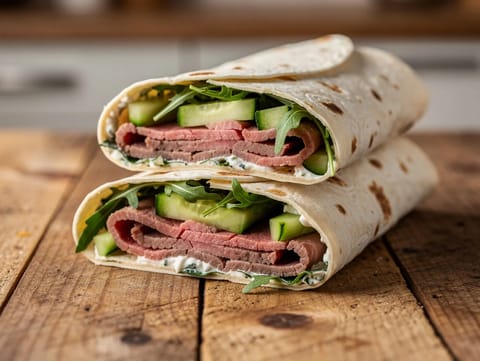
Roast beef wrap with horseradish yoghurt, rocket and cucumber
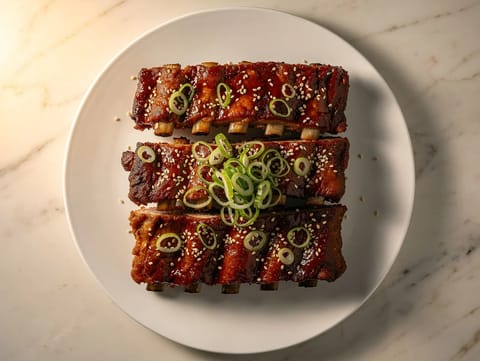
Oven-baked pork ribs with sticky gochujang glaze

Pan-cooked masa rounds topped with beans, salsa verde and cheese
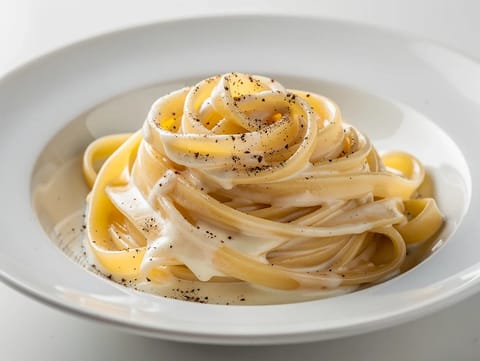
Fettuccine in a silky butter and Parmesan sauce
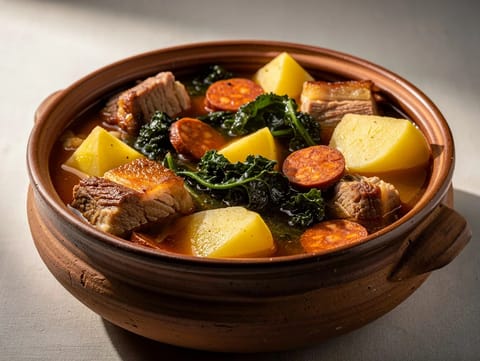
Galician pork and chorizo stew with potatoes and kale

Corned beef, sauerkraut and Swiss on rye, toasted until crisp
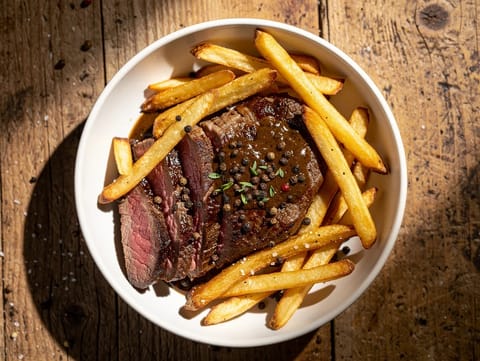
Pepper-crusted steak with cognac cream sauce and pommes frites
Thick enough to cling to what you’re dipping, but not so stiff that it tears bread or snaps crisps. If it feels heavy, loosening with a little oil, yoghurt or cooking liquid can help, depending on the style.
Some ingredients release moisture as they sit, especially raw vegetables and some cooked veg. Draining, roasting, or using a thicker base can reduce weeping, and stirring just before serving can re-emulsify some dips.
Many can, but the experience changes. Chilling firms fats and mutes aroma; warming loosens texture and boosts fragrance. Recipes designed as hot dips usually include a structure that stays cohesive when heated.
A dip is thick and meant for scooping; a sauce is often thinner and meant for pouring, spooning or coating. There is overlap, but the serving action is the practical difference.
Cold foods often need more seasoning. Salt, acidity (lemon, vinegar) and a fresh element such as herbs or zest can lift flavour, especially after the dip has chilled.
Not always. Some dips are naturally chunky and can be mixed by hand. For very smooth dips, a blender or processor makes the texture more consistent, but a fork or masher can still work for rustic styles.
If you know whether you want a dip ready straight from the fridge or warm from the oven, the rest falls into place. Choose a base that holds its thickness, then season boldly and match it with a scoop that can handle the texture.
