
Frittata al Forno con Zucchine (Baked Courgette Frittata)
Italian baked courgette frittata with Parmesan and milk, set until just firm

A frittata is an egg dish where the texture is the main decision: tender and just-set, or firmer and sliceable. That outcome depends less on the ingredient list than on how you cook it, how much moisture your fillings release, and whether you finish it under a grill or in the oven. If you are comparing recipes, focus on the method and the thickness of the finished frittata, because those two details tell you how it will eat and how forgiving it will be when served.
A frittata is a set egg dish cooked in a pan and often finished with top heat, so it sets through without being folded like an omelette. It is typically thicker than an omelette and designed to be cut into wedges or squares. Because the eggs set around the fillings, a frittata can carry vegetables, cooked meats, herbs and cheese in a way that feels integrated rather than stuffed.
The term doesn’t automatically mean crustless quiche, although the eating experience can overlap. A quiche usually has a pastry case and a custard-style filling; a frittata is more directly egg-forward, with the pan and heat control doing most of the structural work.
Italian baked courgette frittata with Parmesan and milk, set until just firm
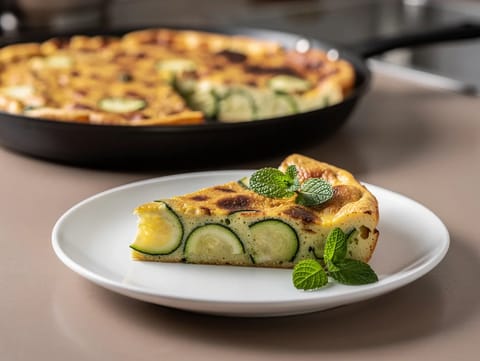
Courgette and mint frittata with Parmigiano Reggiano
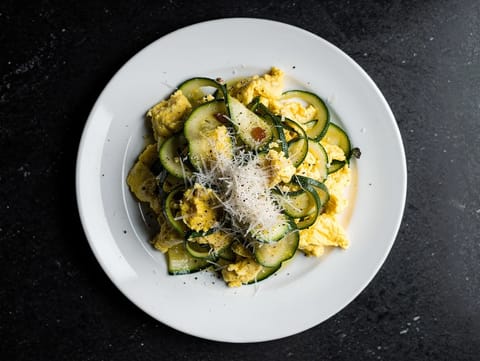
Sautéed courgettes with softly scrambled eggs and pecorino
Crisp bubble and squeak cakes topped with a fried egg and brown sauce
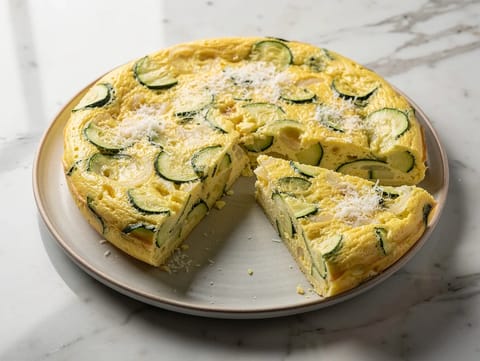
Italian courgette frittata with Parmesan
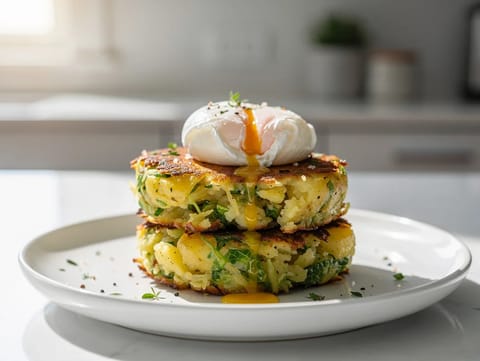
Crisp potato and cabbage cakes topped with poached egg
A tender frittata is cooked gently so the centre stays moist and softly set. This style suits delicate ingredients such as fresh herbs, soft cheeses, cooked greens or flaked fish, and it benefits from being served soon after cooking.
A firmer, more sliceable frittata is cooked a little longer and often includes sturdier fillings such as potatoes, roasted vegetables, sausage or grated hard cheese. It holds its shape well for picnics, lunchboxes or buffet-style serving. Thickness matters: a thinner frittata sets quickly and can dry out if overcooked, while a thicker one needs more careful heat so the base doesn’t brown too hard before the centre is set.
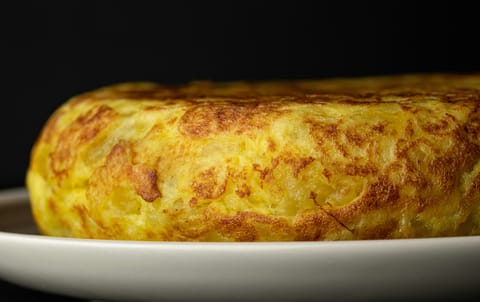
Potato frittata with onion and parmesan
Italian courgette frittata with Parmesan
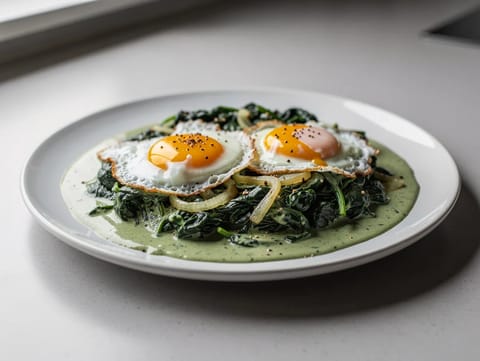
Creamed spinach topped with fried eggs
Courgette and mint frittata with Parmigiano Reggiano
Crisp potato and cabbage cakes topped with poached egg
Sautéed courgettes with softly scrambled eggs and pecorino
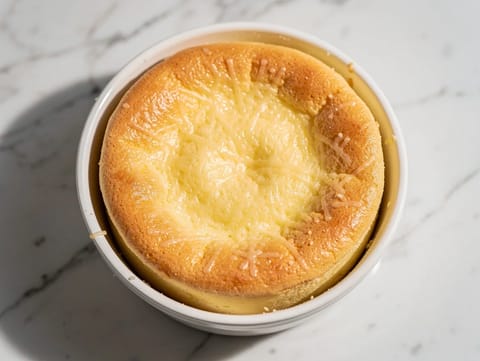
Puffed Gruyère soufflé made with béchamel and egg whites
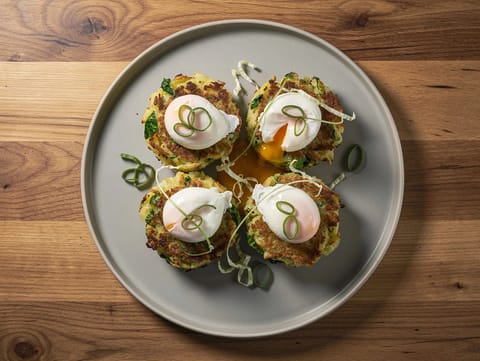
Fried potato and cabbage cakes topped with poached eggs
Pan-fried potatoes with bacon and onions, set with eggs and chives
Thick Spanish potato omelette with soft onions and sliced chorizo
Fried potatoes and onions set in eggs with soft peppers folded through
Italian baked courgette frittata with Parmesan and milk, set until just firm
If your fillings are watery, such as mushrooms, courgettes or tomatoes, cook them first to drive off moisture. Otherwise the eggs can weep and the frittata may set unevenly. Dense ingredients like potatoes or root vegetables need to be cooked through before they go into the eggs, because the frittata itself cooks relatively quickly.
Pan-only methods give you close control over the base, but you need gentle heat and patience to avoid a browned underside with a runny top. Finishing under a grill or in the oven helps the top set without overcooking the base, especially for thicker frittatas. If you want a neat, sliceable result, let it rest briefly before cutting so the eggs finish setting and the steam redistributes.
Cuisine can be a helpful next step for frittatas, because the flavourings and typical fillings vary widely from place to place. Cooking method is also worth exploring, as stovetop-only, oven-finished and baked approaches produce noticeably different textures and browning.
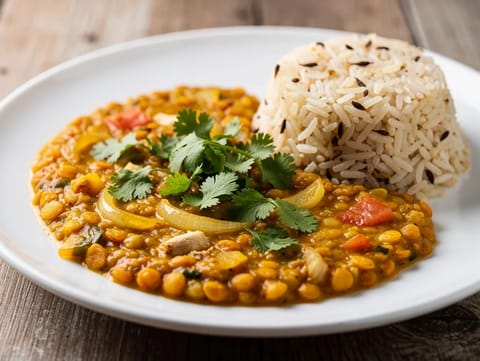
Red lentil tarka dal served with fragrant cumin jeera rice
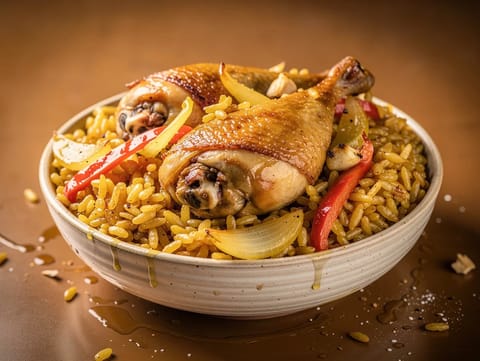
One-pan Spanish chicken and rice cooked in saffron-scented stock
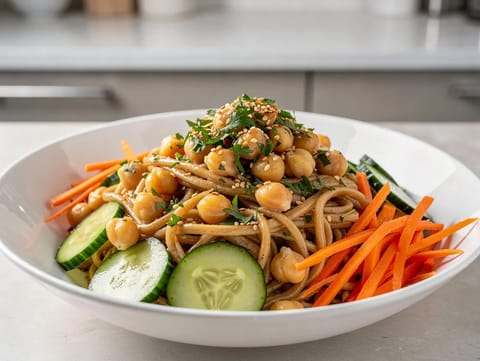
Noodles with tahini lemon dressing, chickpeas and crisp vegetables
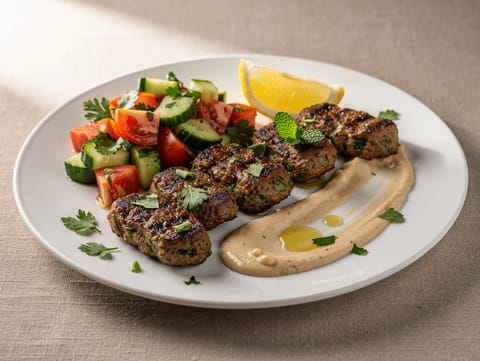
Lamb kofta platter with tahini lemon sauce and salad
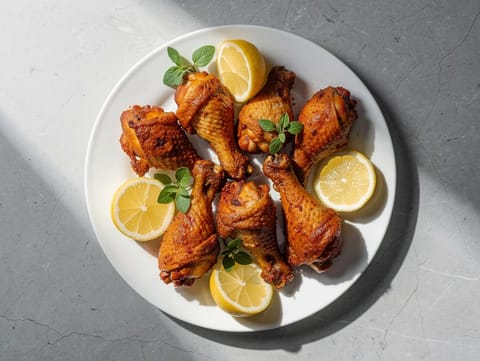
Spiced chicken drumsticks air-fried until crisp and juicy.
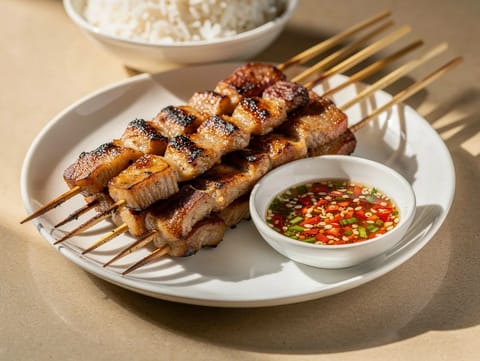
Thai grilled pork skewers with coconut milk and fish sauce
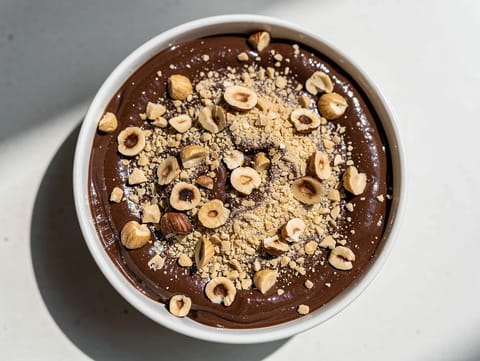
Chocolate hazelnut smoothie bowl with banana, yoghurt, cocoa and nuts.
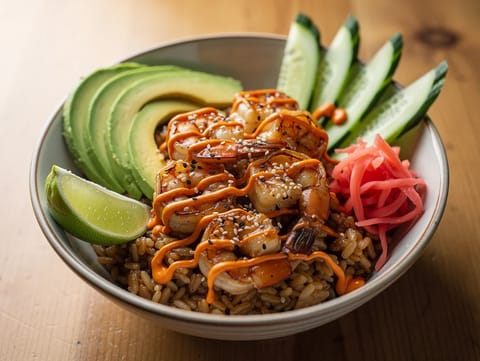
Prawn rice bowl with avocado, cucumber and sriracha mayonnaise.
An omelette is usually cooked quickly and folded around a filling. A frittata is thicker, the fillings are set within the eggs, and it is cooked through and cut into portions.
They can look similar, but a quiche is typically a custard-style mixture (often with more dairy) baked in a dish, while a frittata is more egg-forward and commonly started in a pan.
Fillings that release liquid, or undercooked vegetables, can seep into the eggs as they set. Pre-cooking and draining fillings helps keep the texture clean and sliceable.
Often, yes. Firmer frittatas tend to hold their shape better once cooled. The texture can tighten as it sits, so recipes that aim for a slightly softer set can still eat well later.
It helps if the recipe finishes in the oven or under the grill. If you don’t have one, look for methods that set the top on the hob with a lid, or that bake the mixture in a separate dish.
When you compare frittata recipes, start with the cooking method and the intended thickness, then match fillings to that plan. Manage moisture, use gentle heat, and you will get a frittata that slices cleanly and tastes of what you put into it.
