
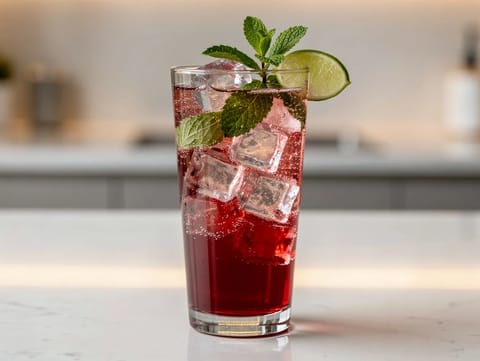
Pomegranate Mint Spritzer (Moroccan-Style)
Pomegranate spritzer with mint, lime, honey and sparkling water

A mocktail is a mixed drink built with the same care as a cocktail, but without alcohol. What matters most is balance: sweetness against acidity, aroma from herbs or citrus peel, and a texture that feels deliberate, whether that is fizz, crushed ice or a silky shake. This is a useful place to compare styles, because “non-alcoholic” can mean anything from a simple spritz to a layered, bar-style drink with syrups, bitters-style flavours and a proper garnish.
Mocktails are composed rather than merely poured. Typically you are combining at least three elements: a base (juice, tea, coffee, cordial, alcohol-free spirit or a fruit purée), an acid (citrus, verjuice, vinegar shrubs), and a sweetener (syrup, honey, flavoured sugar). Length and lift often come from sparkling water, tonic-style mixers or ginger beer. Unlike many soft drinks, mocktails usually rely on fresh aroma and a finishing touch, such as expressed citrus peel, a herb sprig or a salted rim, to make the drink feel complete. They do not automatically mean low sugar, and they are not the same as infused water, which is usually steeped rather than mixed to order.
Pomegranate spritzer with mint, lime, honey and sparkling water
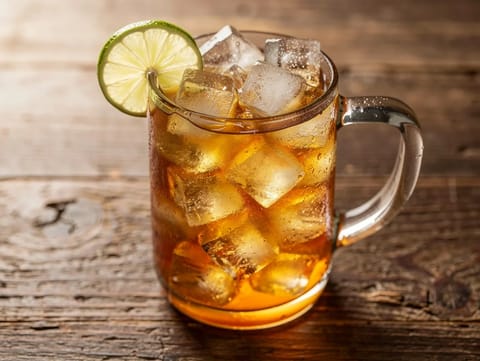
Chilled ginger beer with lime, cinnamon and cloves
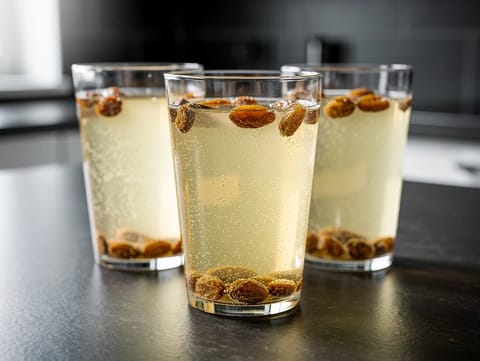
Finnish lemon sima, lightly fermented and served chilled with raisins
Turkish pomegranate sherbet mixed with sweetened water and lemon, served over ice
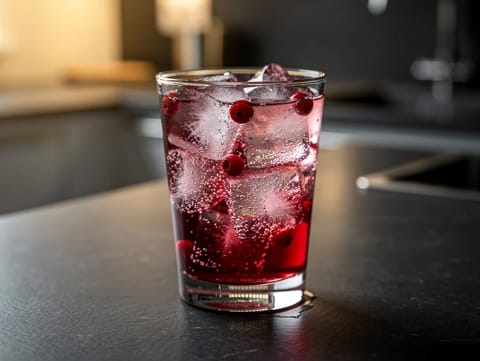
Lingonberry cordial spritzer with sparkling water, lemon and ice
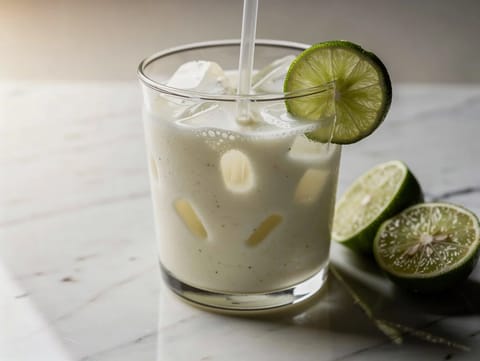
Creamy lime drink blended with condensed milk and served over ice
If you want something bright and thirst-quenching, look for long drinks topped with soda and built over plenty of ice. For a more “cocktail-like” feel, shaken mocktails tend to give a colder drink with a fine foam, especially when citrus and syrup are involved. Blended versions lean towards smoothie territory, with a thicker body and a slower melt, which can be helpful when serving outdoors. Pay attention to bitterness: drinks that include tonic-style mixers, citrus pith, strong tea or bitter aperitif-style flavours read more grown-up and can stand up to salty snacks. If you are serving alongside food, a drier, more acidic mocktail is often easier at the table than one that is heavily sweetened.
Finnish lemon sima, lightly fermented and served chilled with raisins
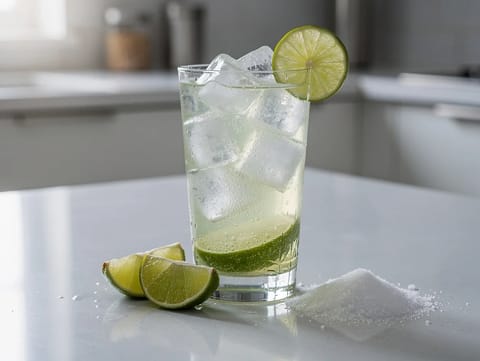
Fizzy lime drink with sugar, salt and ice
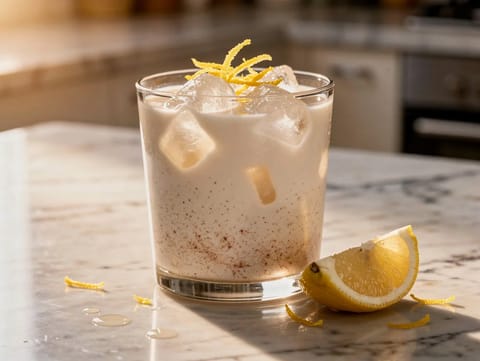
Chilled tiger nut drink with cinnamon and lemon
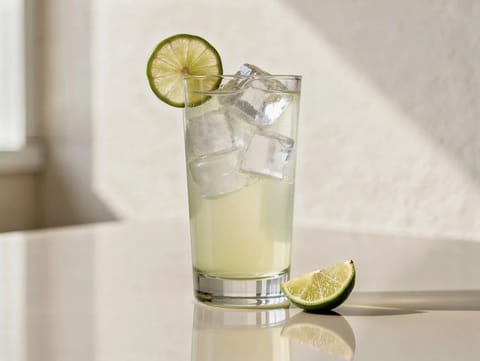
Fizzy Thai lime soda served over ice
Creamy lime drink blended with condensed milk and served over ice
Lingonberry cordial spritzer with sparkling water, lemon and ice
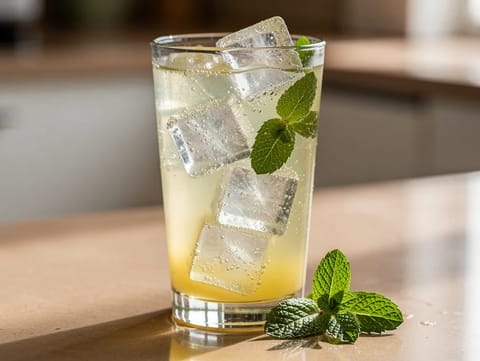
Indian spiced soda with lemon, chaat masala and black salt
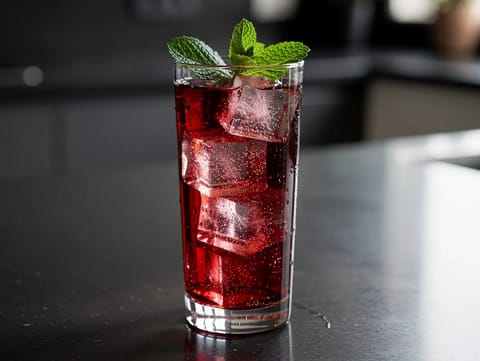
Tangy pomegranate molasses spritzer with lime and sparkling water
Chilled ginger beer with lime, cinnamon and cloves
Pomegranate spritzer with mint, lime, honey and sparkling water
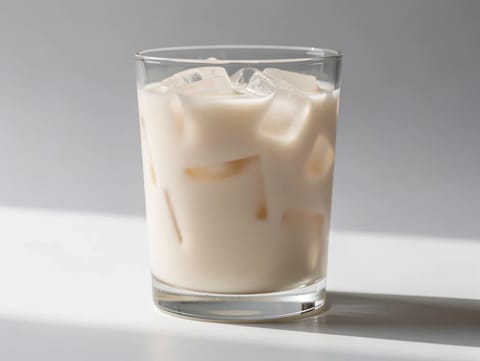
Chilled sweet rice drink with cinnamon and vanilla
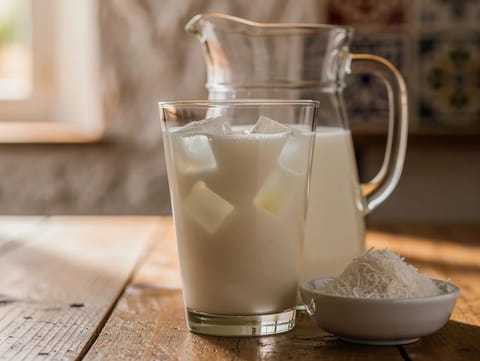
Chilled coconut and rice drink with cinnamon and vanilla
Mocktails behave like other drinks at the table: acidity cuts richness, bubbles lift fried or oily foods, and herbal notes echo green salads and vegetable dishes. Citrus-forward drinks are natural with seafood, grilled vegetables and lightly spiced food. Ginger and warm spices pair comfortably with roasted meats, autumnal vegetables and anything with caramelised edges. If a drink is creamy or dessert-like, treat it as you would a pudding accompaniment and keep the food simple, otherwise the meal can feel cloying. When in doubt, choose a mocktail with a clear sour-sweet balance and a restrained garnish, so it refreshes without competing for attention.
If you enjoy the flavour logic of mocktails, exploring Cuisine can be surprisingly helpful, since many drinks borrow familiar combinations such as citrus and mint, ginger and lime, or tea-based spicing. Cooking method is also useful here: shaken, stirred, blended and built drinks behave differently in the glass, especially once ice dilution is part of the equation.
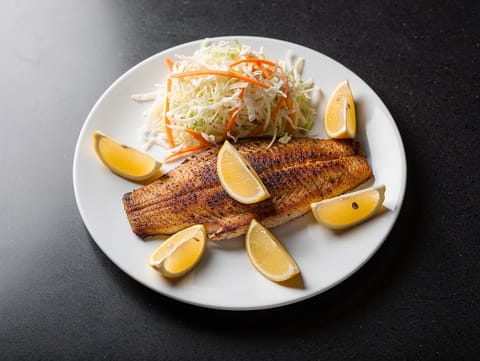
Blackened Cajun catfish with quick lemony coleslaw
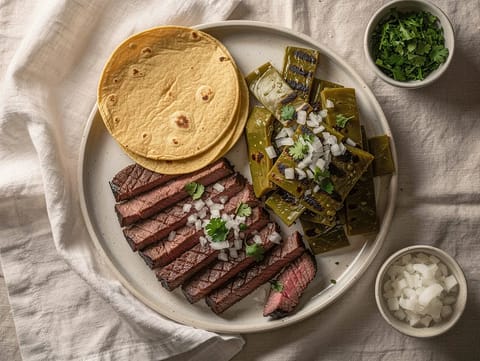
Grilled skirt steak and nopales served in corn tortillas
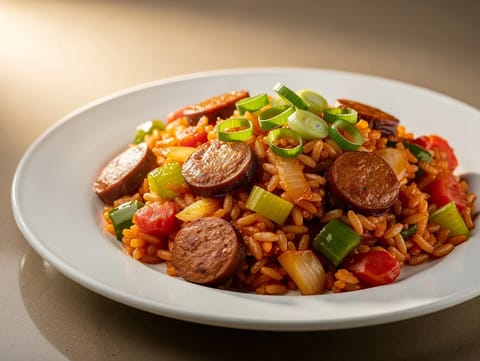
Creole jambalaya with andouille sausage, rice and tomatoes
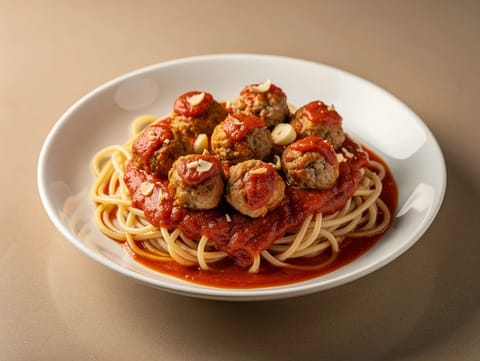
Turkey meatballs simmered in marinara sauce and served with spaghetti
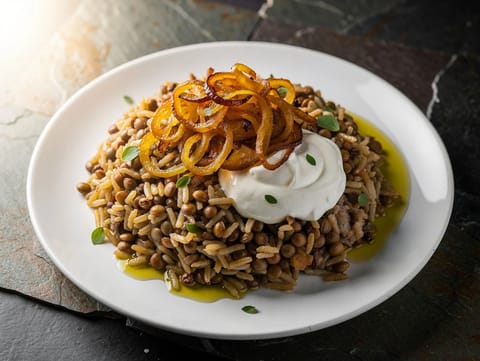
Mujaddara with lentils, rice and caramelised onions
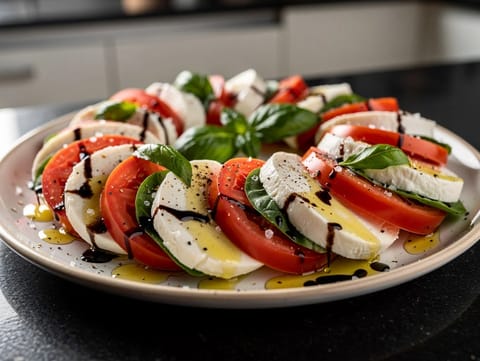
Tomato, mozzarella and basil salad with olive oil
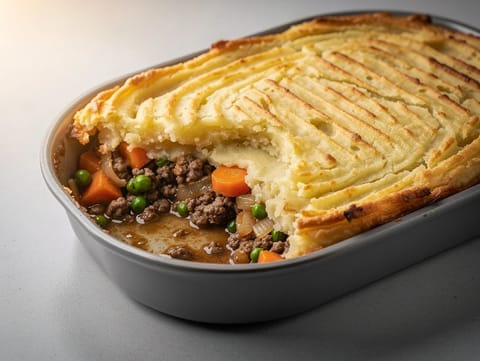
Minced beef and gravy topped with mashed potatoes
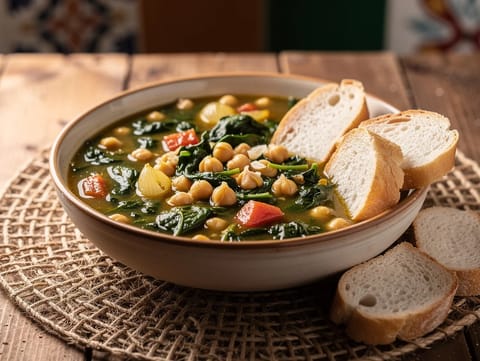
Spanish chickpea and spinach stew with paprika and sherry vinegar
No. Many are topped with soda, but plenty are shaken and served “up”, blended with ice, or built as still drinks based on tea, juice or purée.
A mocktail is usually mixed to order with a deliberate balance of sweet, sour and aroma, often finished with a garnish. A soft drink is typically a single bottled or canned product.
Not necessarily. Citrus, a simple syrup and a good mixer can take you a long way. More complex recipes may use shrubs, spiced syrups or alcohol-free spirits for extra depth.
Increase acidity first (more citrus, or a splash of something tart), then add bitterness or herbal notes. Dilution from ice and soda also matters, so taste after chilling.
Yes. Glass choice affects temperature and aroma, but it is mostly about the drinking experience. Use plenty of ice for long drinks, and chilled glassware for short, shaken styles.
They can help, but it depends on the ingredients. Some recipes use products labelled alcohol-free that may still contain trace amounts, so check labels if that matters for your situation.
Start by deciding whether you want fizz, foam or a still drink, then choose a flavour direction: citrus and herbs, ginger and spice, or something fruit-led. From there, the recipe details are mostly about balance and dilution, which is where mocktails earn their name.
